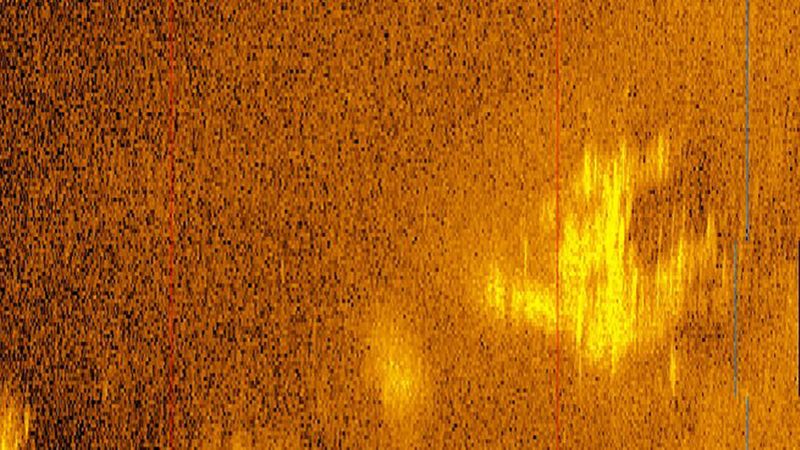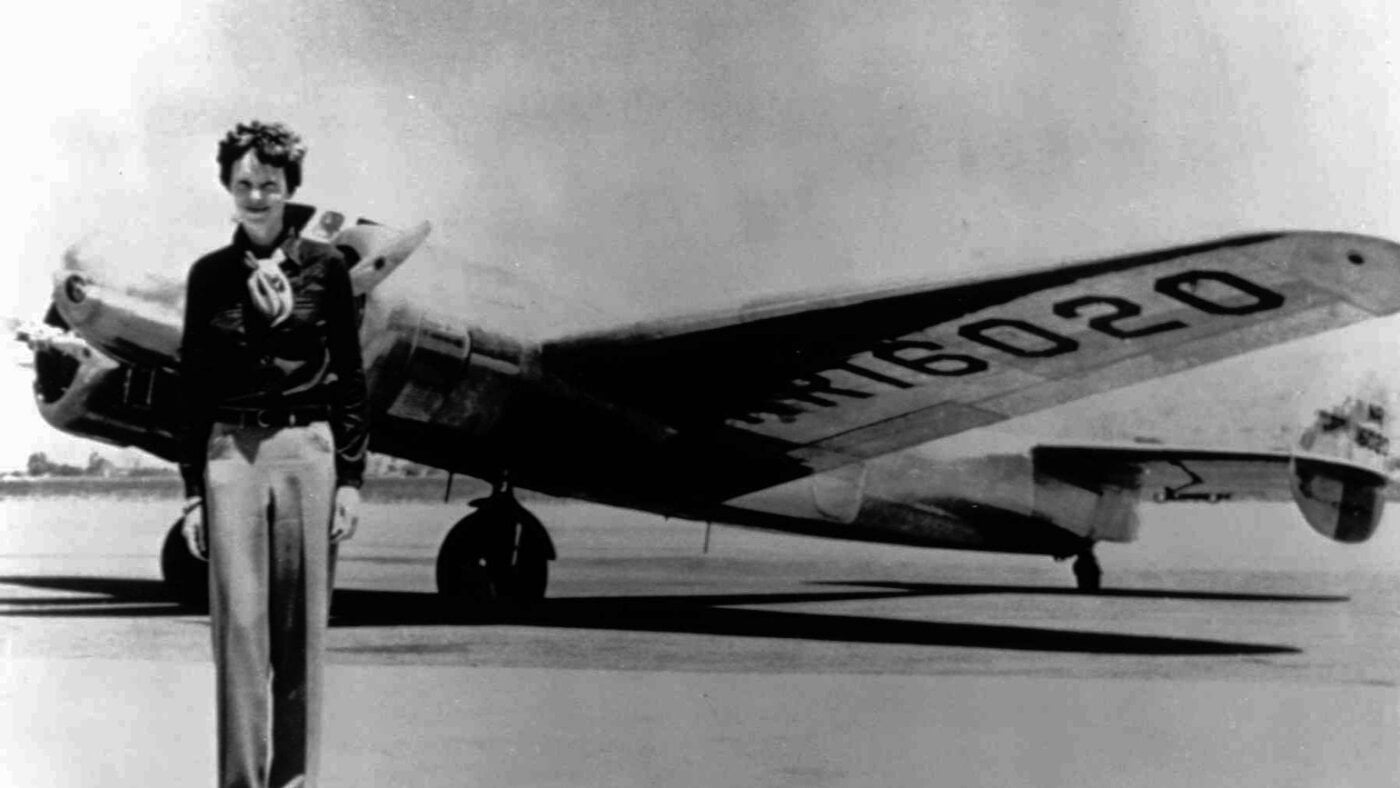
Deep Sea Vision, a deep-sea exploration company, initially believed it had found Amelia Earhart's missing plane using sonar images, but later confirmed the images showed a natural rock formation. Earhart's disappearance in 1937 remains one of aviation's greatest mysteries, with various theories about her fate. Despite the setback, the company continues its search for the aircraft, having surveyed over 7,700 square miles of ocean floor.
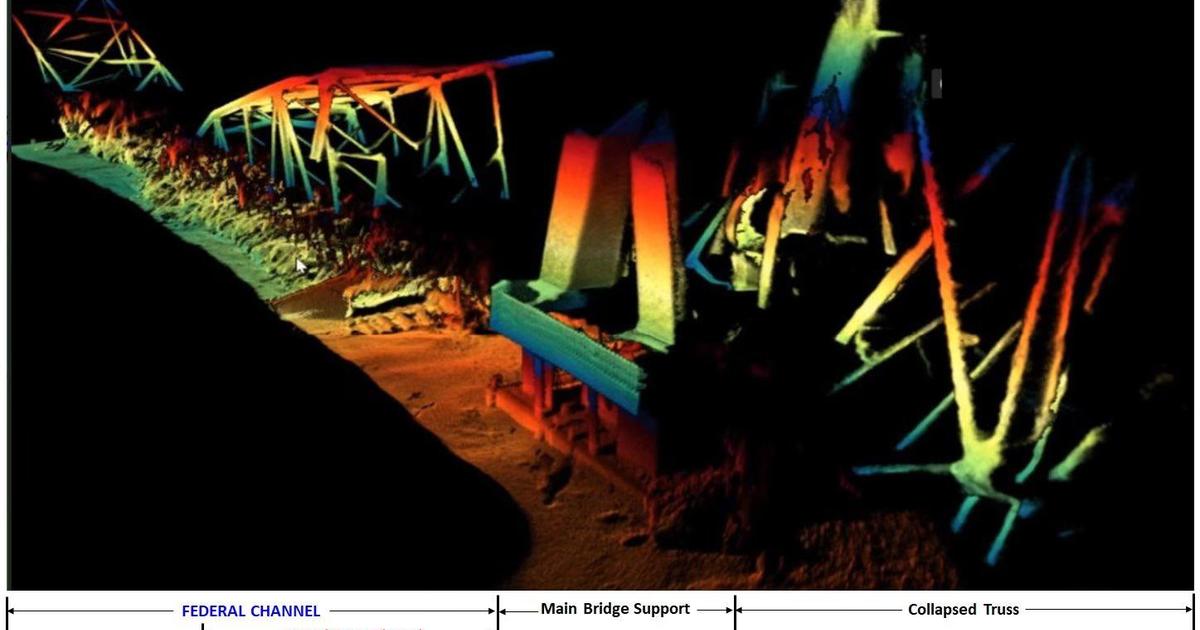
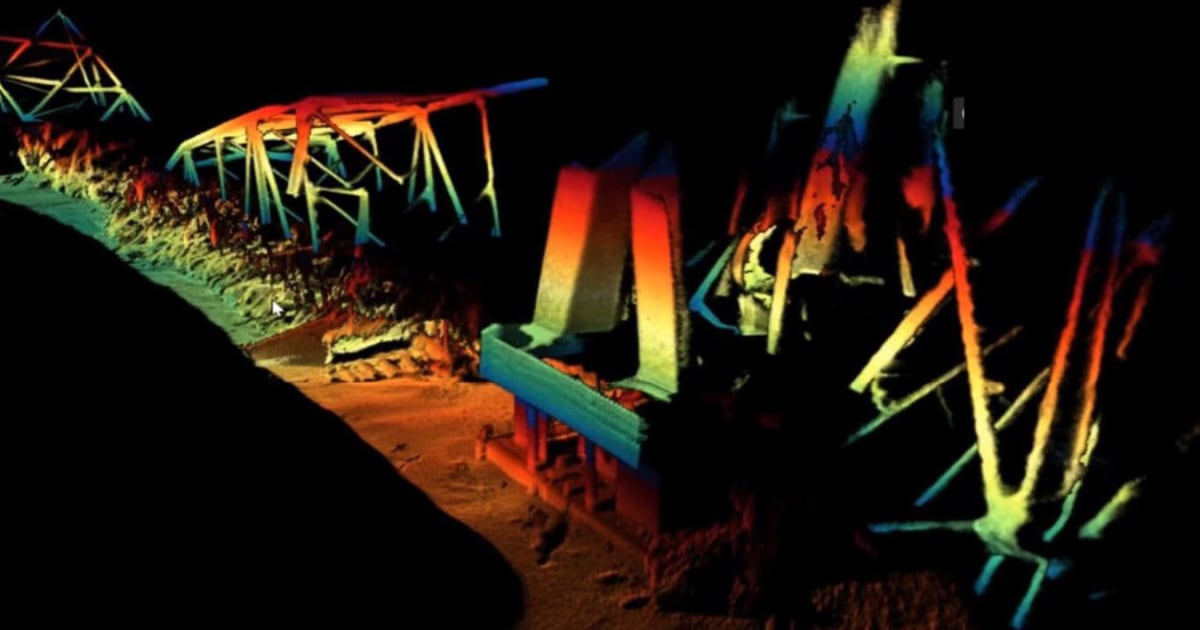
Sonar imaging reveals wreckage of the collapsed Francis Scott Key Bridge in the deepest part of the Baltimore shipping channel, hindering marine access to the Port of Baltimore. Salvage efforts led by the U.S. Army Corps of Engineers aim to clear the wreckage by the end of April to create limited access channels for larger ships. Recovery operations continue as three bodies remain unrecovered, with authorities believing they may be trapped in the wreckage.
Sonar images provided by NAVSEA and SUPSALV show the wreckage of the Francis Scott Key Bridge following its collapse, with the U.S. Army Corps of Engineers posting the images on social media. The images reveal the challenging salvage operation ahead, with sonar technology playing a crucial role in generating detailed maps and images for recovery efforts. Six construction workers were killed in the collapse, and while one body has been recovered, three victims remain unrecovered.
A team of underwater archaeologists and marine robotics experts with Deep Sea Vision believes they may have found a clue that could bring closure to the mystery of Amelia Earhart's disappearance, spotting an anomaly in the Pacific Ocean resembling a small aircraft using sonar imaging. The anomaly, located more than 16,000 feet underwater, could potentially be Earhart's Lockheed 10-E Electra. However, experts caution that further investigation is needed to confirm whether the object is indeed the missing plane, and the proximity of the anomaly to Howland Island, where Earhart was expected to land, adds to the intrigue.