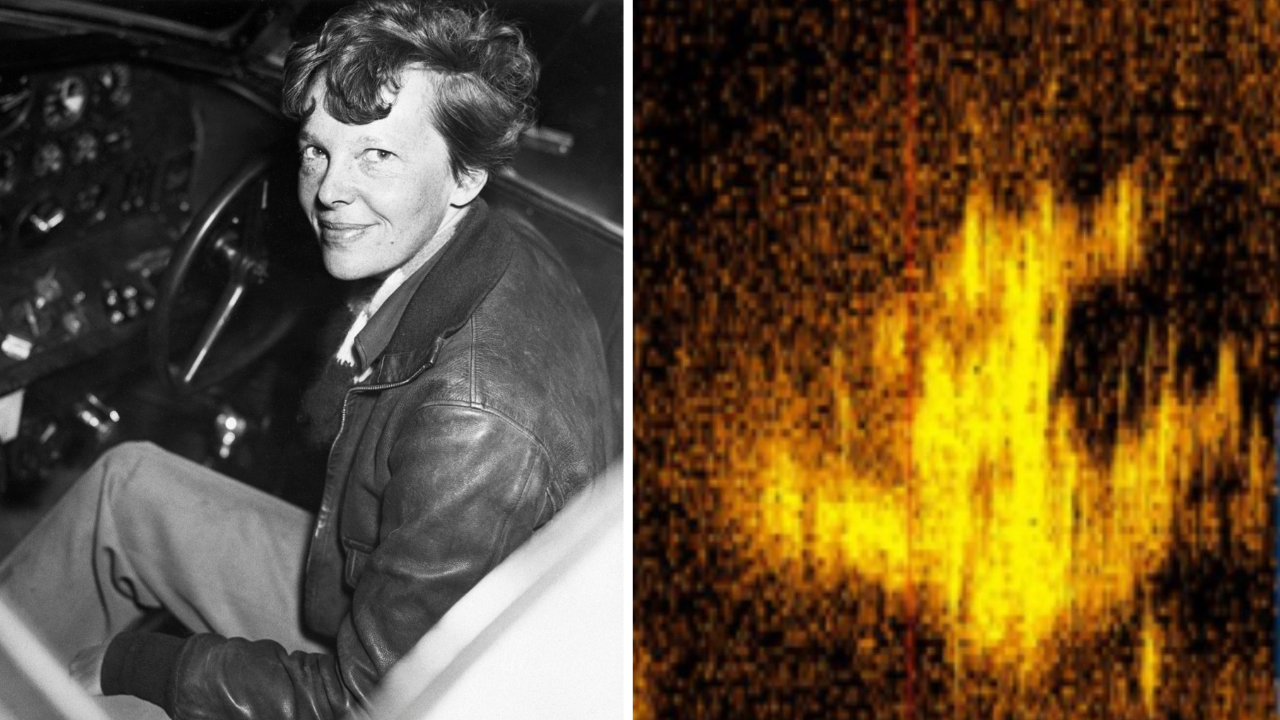
Deep Sea Vision, a deep-sea exploration company, initially believed it had found Amelia Earhart's missing plane using sonar images, but later confirmed the images showed a natural rock formation. Earhart's disappearance in 1937 remains one of aviation's greatest mysteries, with various theories about her fate. Despite the setback, the company continues its search for the aircraft, having surveyed over 7,700 square miles of ocean floor.
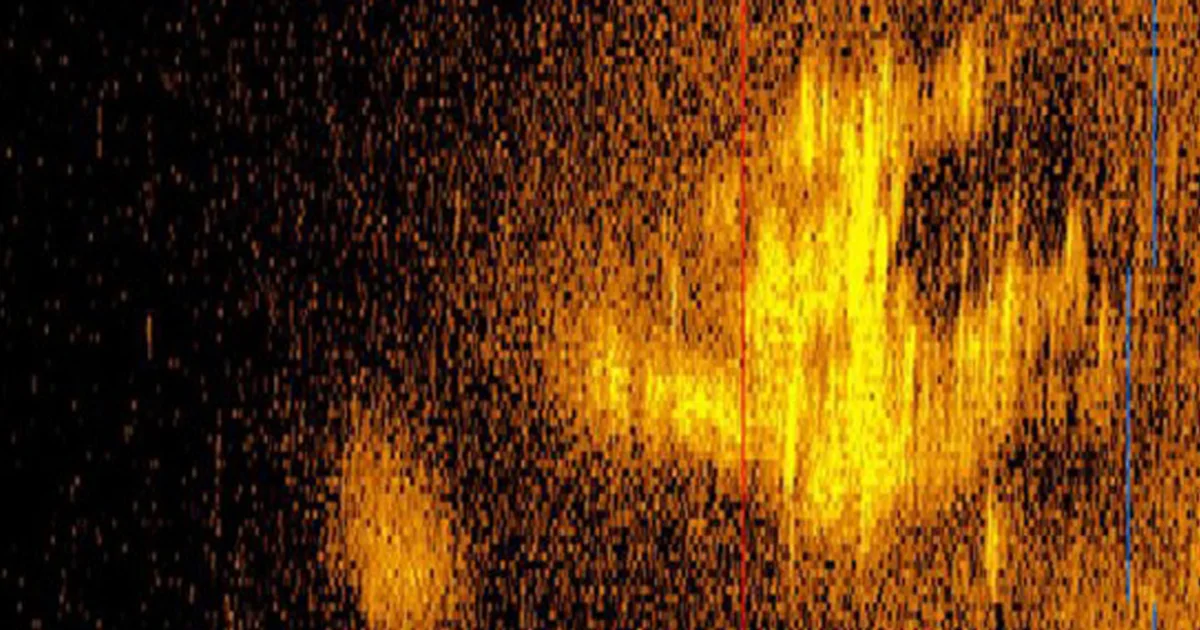
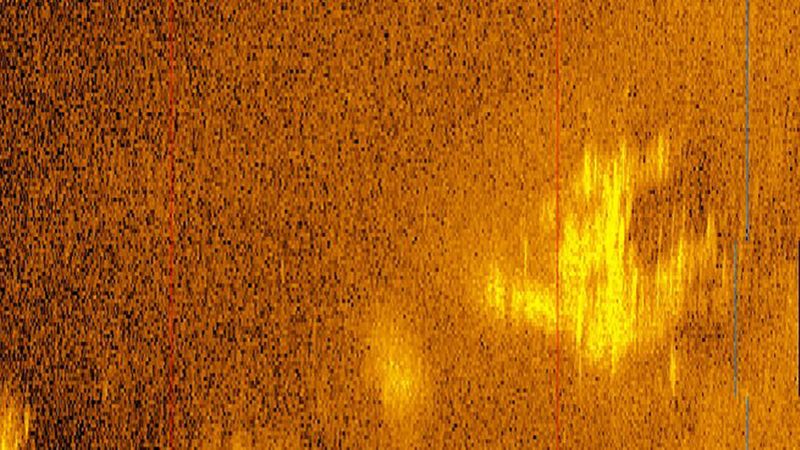
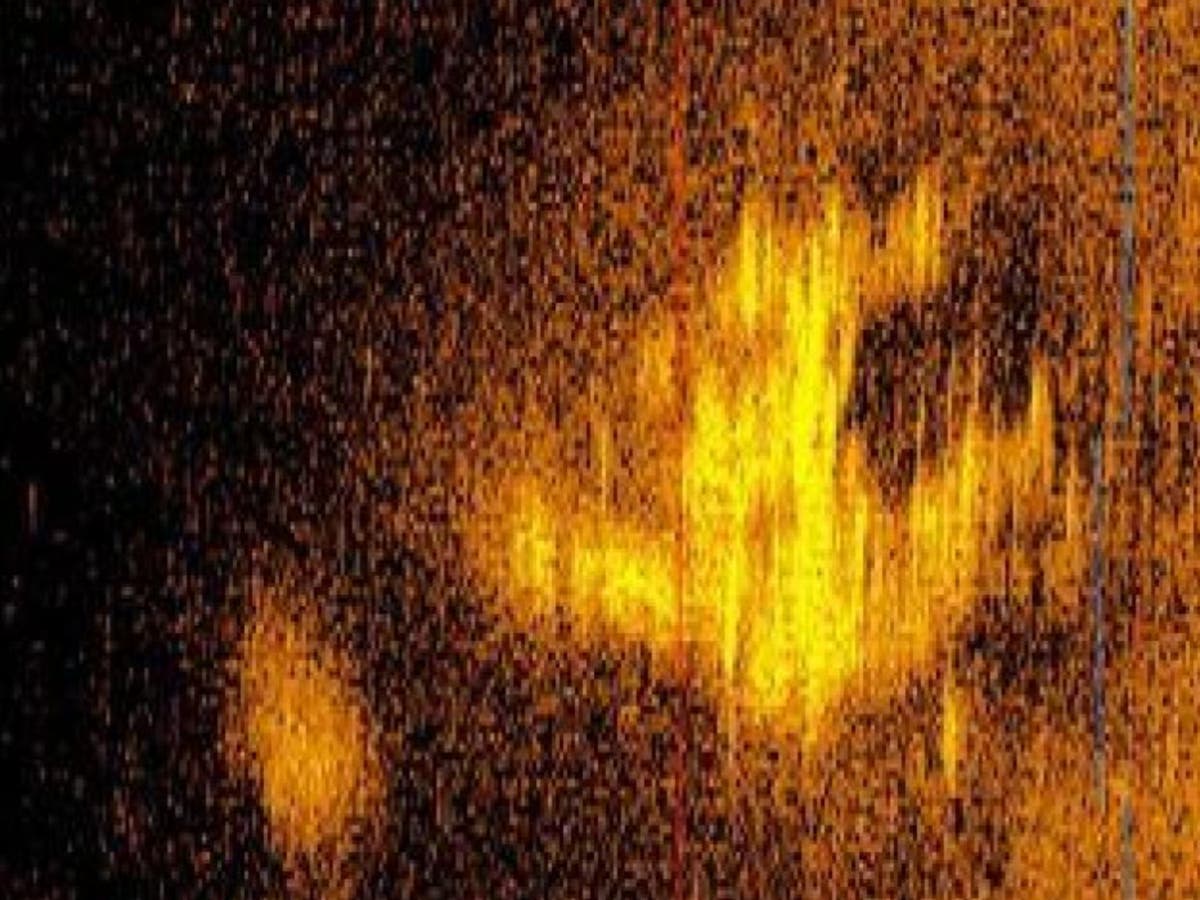
A sonar image initially believed to show Amelia Earhart's plane was identified as a natural rock formation by Deep Sea Vision, a marine robotics firm. The image, taken near Howland Island, sparked excitement earlier this year but was later confirmed not to be Earhart's Lockheed 10-E Electra. Despite the setback, the company plans to continue searching for Earhart's crash site.
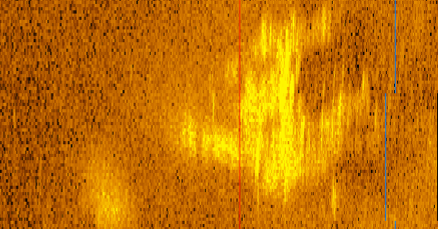
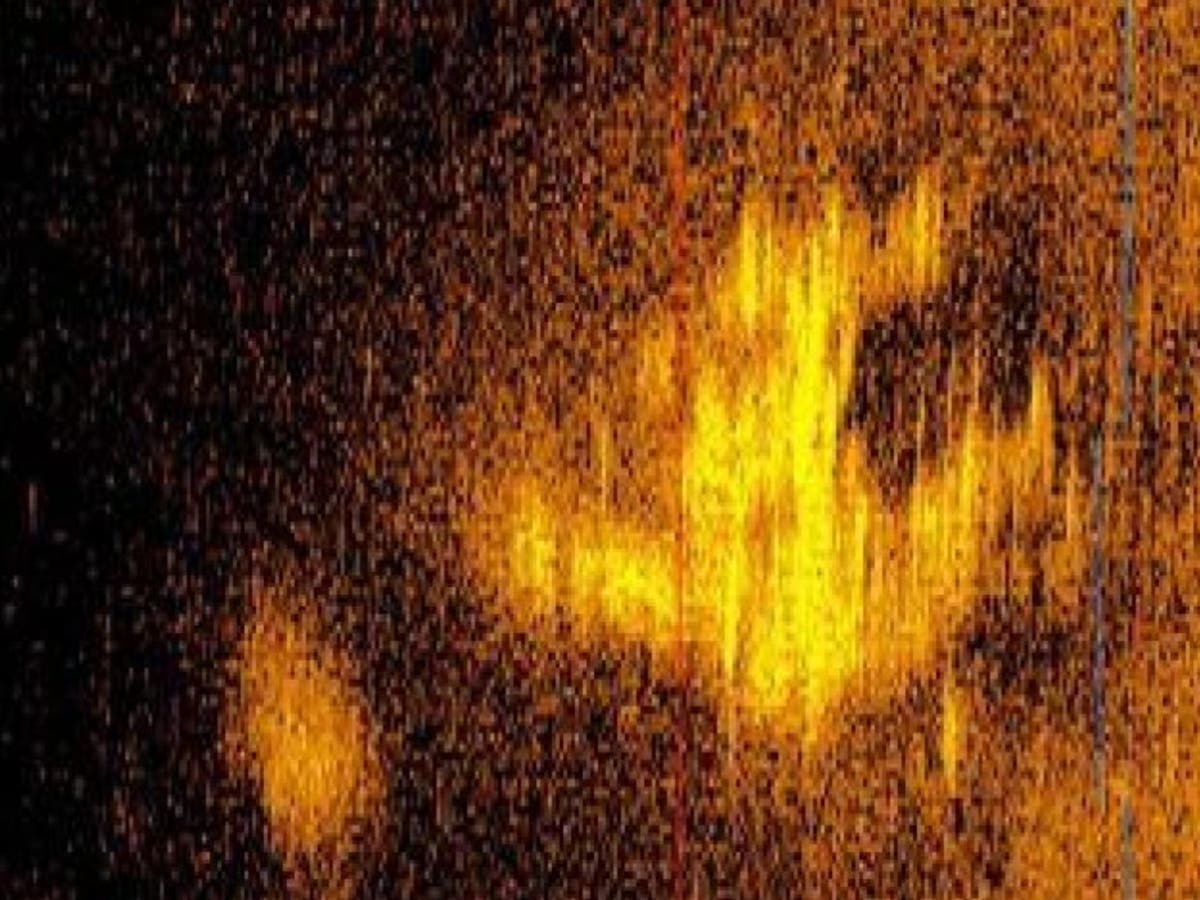
Deep Sea Vision, an ocean exploration company, claims to have discovered an airplane-shaped object 16,000 feet beneath the Pacific Ocean's surface, potentially belonging to Amelia Earhart's lost plane. The company encountered technical issues with the photographic evidence during their $11 million expedition, but managed to retrieve the data, revealing a hazy image resembling a plane. The team is planning to return to the site for solid confirmation, with the belief that the wreckage fits Earhart's missing craft.
Deep Sea Vision, a company using advanced deep sea scanning technology, believes it may have found Amelia Earhart's plane resting on the floor of the Pacific Ocean. The founder, Tony Romeo, invested $11m into the expedition and is excited about the discovery, but experts caution that further examination is needed to confirm the object's identity. Earhart's disappearance in 1937 remains one of the greatest aviation mysteries, and researchers have been attempting to find evidence of her fate for nearly 90 years.
A private pilot's sonar image has reignited interest in the disappearance of Amelia Earhart's plane in 1937, with a South Carolina-based sea exploration company, Deep Sea Vision, potentially capturing an outline of her Lockheed 10-E Electra at a depth of 16,000 feet. The next step is to visually confirm the object, but debates arise about its proper handling if found. The potential discovery could shed light on Earhart's fate and aviation history, but questions remain about the legal and preservation aspects of raising the plane from the ocean floor.
Deep Sea Vision, a company using advanced deep sea scanning technology, believes it may have found Amelia Earhart's plane resting on the floor of the Pacific Ocean. The founder, Tony Romeo, invested $11m into the expedition and is excited about the discovery, but experts caution that further examination is needed to confirm the object's identity. Earhart's disappearance in 1937 has been a long-standing mystery, with various theories about her fate, and this potential discovery could provide definitive answers about her final days.
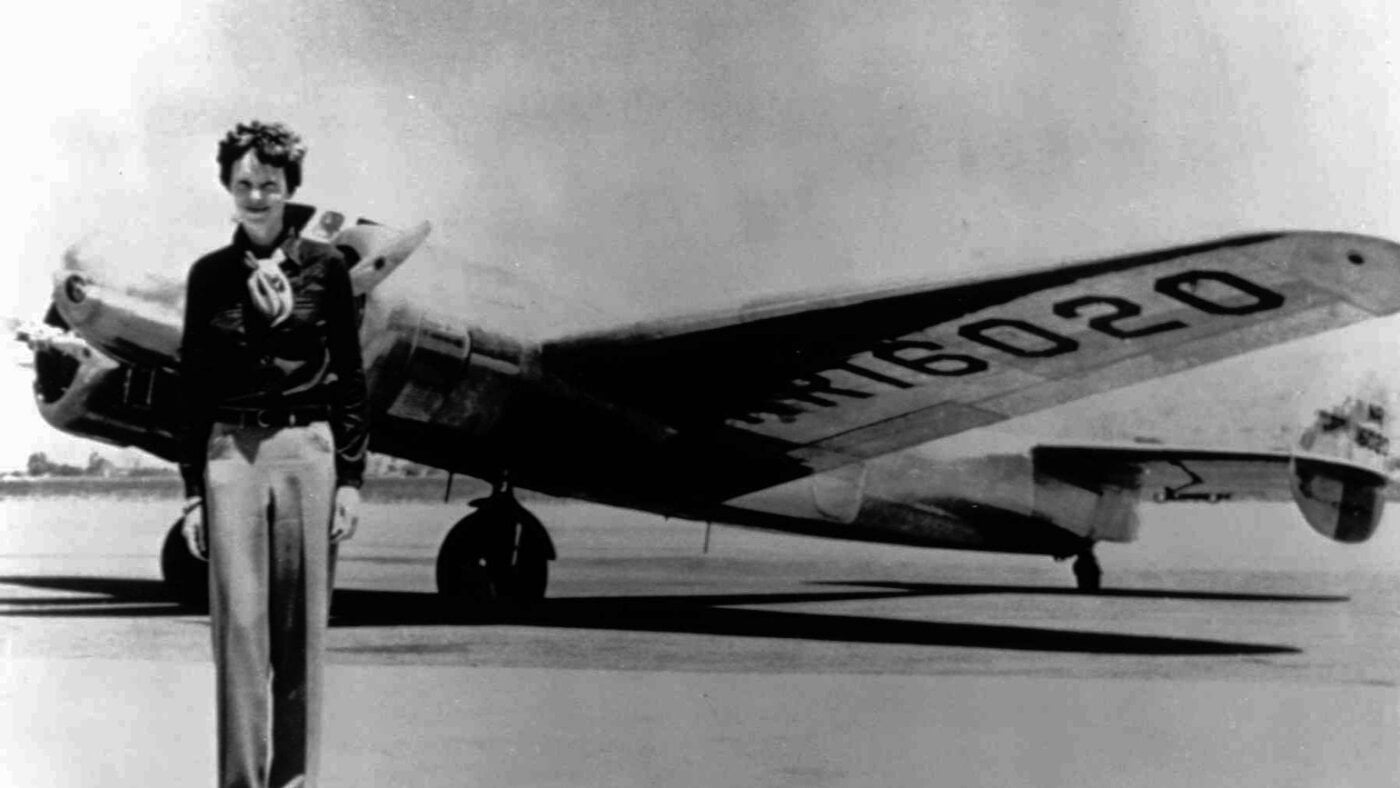
Deep Sea Vision, a South Carolina-based underwater exploration company, claims to have found what appears to be the wreckage of Amelia Earhart's Lockheed 10-E Electra, which disappeared in 1937 during her attempt to circumnavigate the globe. The discovery, made possible by a pilot and former US Air Force intelligence officer who funded the $11m hunt, has reignited interest in solving the enduring mystery of Earhart's disappearance. However, rival experts caution against over-excitement, offering competing theories about her fate, including a crash-landing on Gardner Island.
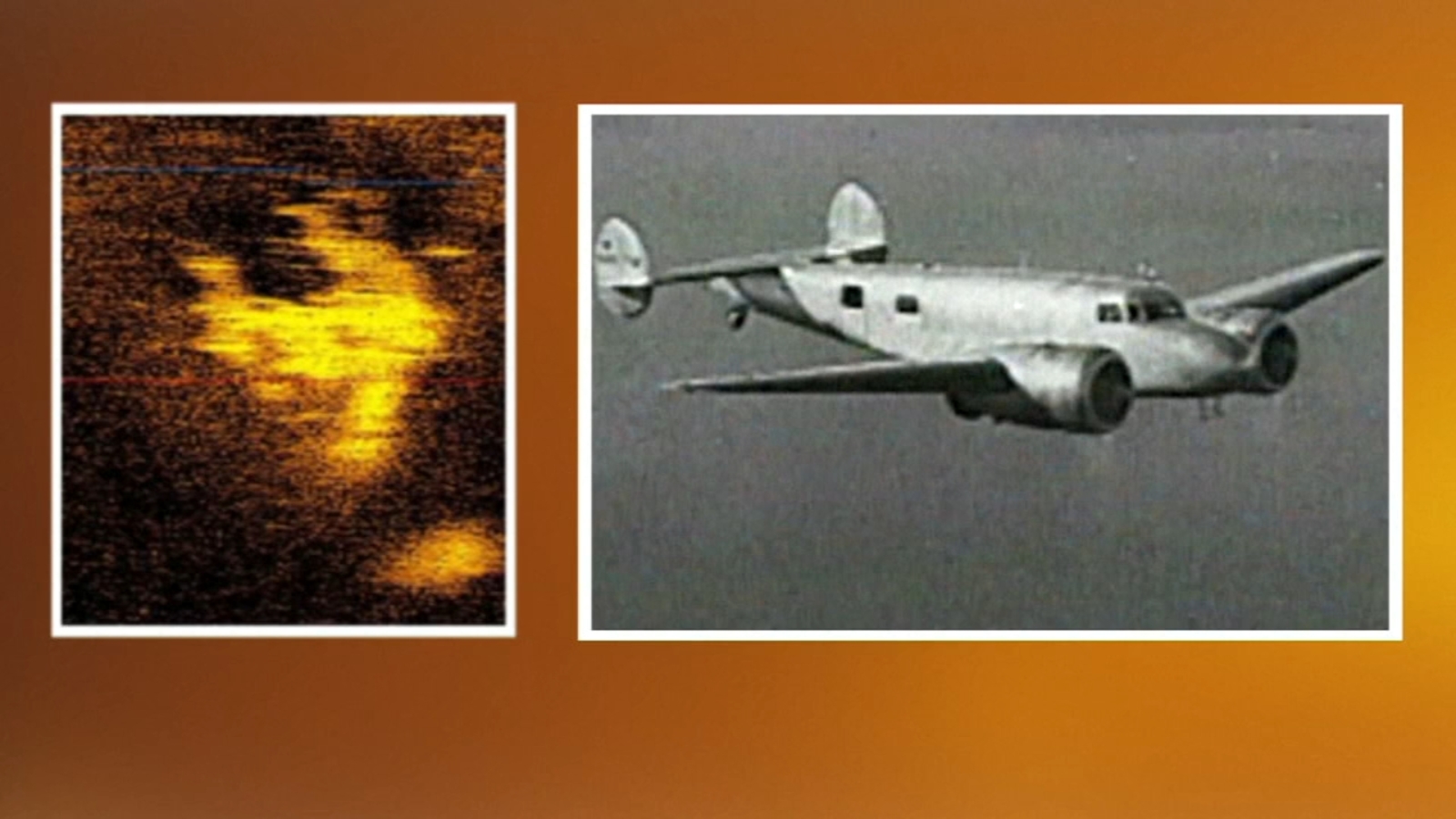
Deep Sea Vision claims to have found a sonar image of a plane matching the dimensions of Amelia Earhart's Lockheed Electra aircraft about 15,000 feet below the surface of the Pacific Ocean. The company's finding is the latest in the decades-old mystery of Earhart's disappearance, but confirming whether it is actually her plane could take years. The crew plans to return to the site for further research, and if validated, the discovery would be a crucial clue in solving the trailblazing pilot's disappearance.
A team of underwater archaeologists and marine robotics experts with Deep Sea Vision believes they may have found a clue that could bring closure to the mystery of Amelia Earhart's disappearance, spotting an anomaly in the Pacific Ocean resembling a small aircraft using sonar imaging. The anomaly, located more than 16,000 feet underwater, could potentially be Earhart's Lockheed 10-E Electra. However, experts caution that further investigation is needed to confirm whether the object is indeed the missing plane, and the proximity of the anomaly to Howland Island, where Earhart was expected to land, adds to the intrigue.
A robotics company claims to have found a sonar image showing what they believe to be Amelia Earhart's long-lost plane at the bottom of the Pacific Ocean, near Howland Island. However, experts remain skeptical, stating that it's too early to confirm the discovery. The image, captured by Deep Sea Vision, shows a plane with distinctive fin stabilizers and dimensions similar to Earhart's Lockheed 10-E Electra, but the precise location has not been disclosed.
Deep Sea Vision, a company using advanced sonar technology, believes it may have found Amelia Earhart's plane resting on the floor of the Pacific Ocean, potentially solving the enduring mystery of her disappearance. The discovery, made at a depth of approximately 16,000 feet, has sparked excitement and skepticism among researchers. While the finding has the potential to provide definitive answers, further examination of the object is needed to confirm whether it is indeed Earhart's lost plane.
Deep Sea Vision, a company using advanced sonar technology, believes it may have found Amelia Earhart's plane resting on the floor of the Pacific Ocean, potentially solving the enduring mystery of her disappearance. The discovery, made 16,000 feet below the ocean's surface, has sparked excitement and skepticism among researchers. While the image appears to show the shape of an aircraft, further examination is needed to confirm if it is indeed Earhart's lost plane. If confirmed, this finding could provide long-awaited answers about the fate of the pioneering aviator and her navigator, Fred Noonan.
A South Carolina exploratory team claims to have found the plane Amelia Earhart was flying when she disappeared in 1937 using sonar images from a previously unexplored area of the Pacific Ocean. The robotic company Deep Sea Vision believes the wreckage matches the unique features of Earhart's Lockheed 10-E Electra aircraft and suggests that she may have attempted a gentle water landing. The exact coordinates of the find are being kept private pending further examination, and the discovery has sparked intrigue and calls for further investigation from experts in the field.
An ocean exploration company, Deep Sea Vision, claims to have captured a sonar image in the Pacific Ocean that "appears to be Amelia Earhart's missing Lockheed 10-E Electra" aircraft. The company's 16-person crew used advanced technology to scan over 5,200 square miles of ocean floor before finding the potential wreckage. Pilot Tony Romeo, who funded the $11 million mission, expressed excitement about the discovery but remains cautious, stating that they are not definitively claiming to have found Earhart's plane. The company plans to launch another expedition with a camera to search for more evidence, aiming to bring closure to the decades-old mystery of Earhart's disappearance.
Sonar images have revealed what appears to be an object shaped like an airplane resting underwater within 100 miles of Howland Island, potentially marking a major breakthrough in the search for Amelia Earhart's crashed plane. The sonar image, captured by the exploration company Deep Sea Vision, suggests the possibility of finding her Lockheed 10-E Electra aircraft intact on the ocean floor. The team plans to return to the location for further inspection and hopes to bring closure to the enduring mystery surrounding Earhart's disappearance.