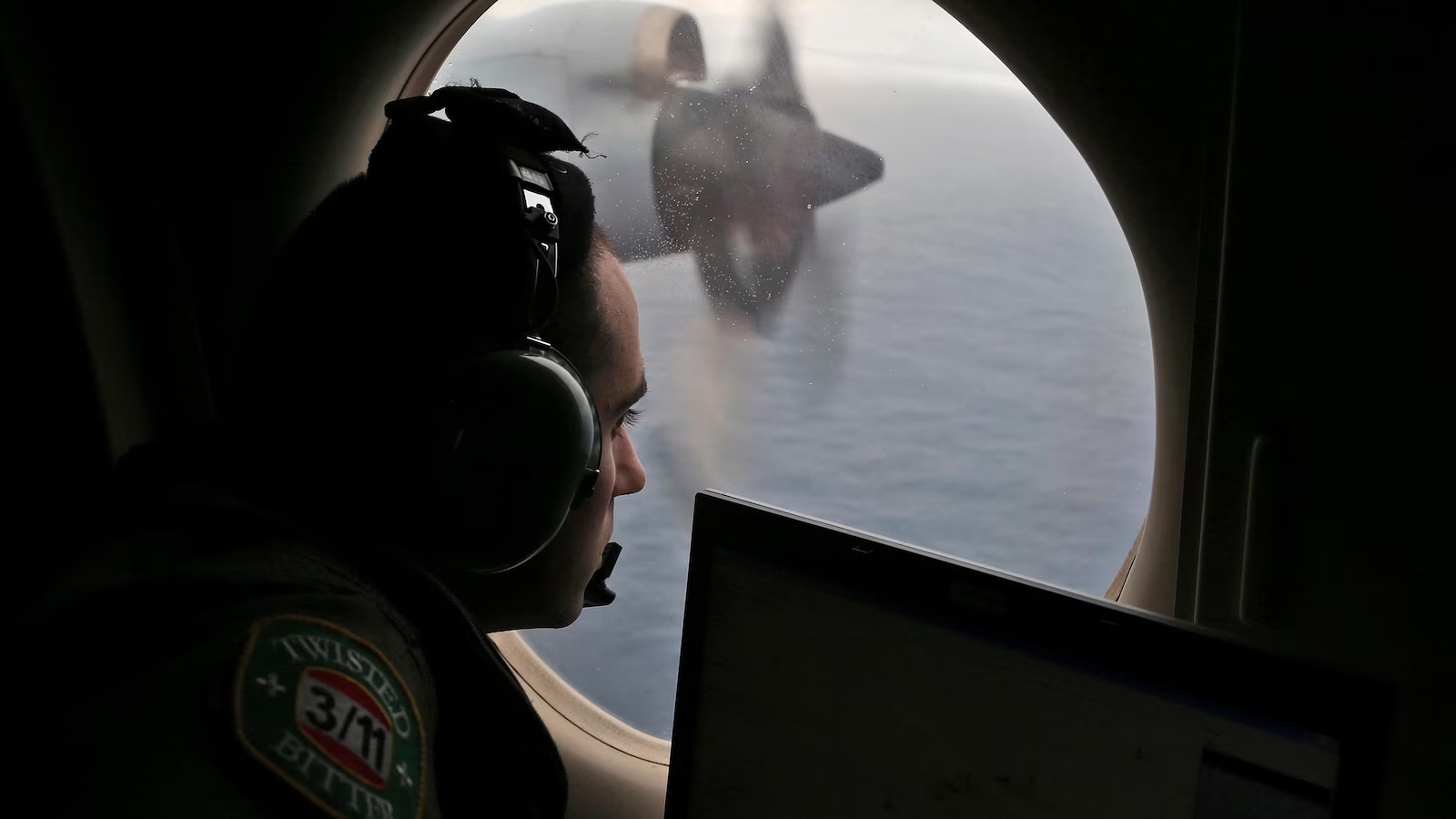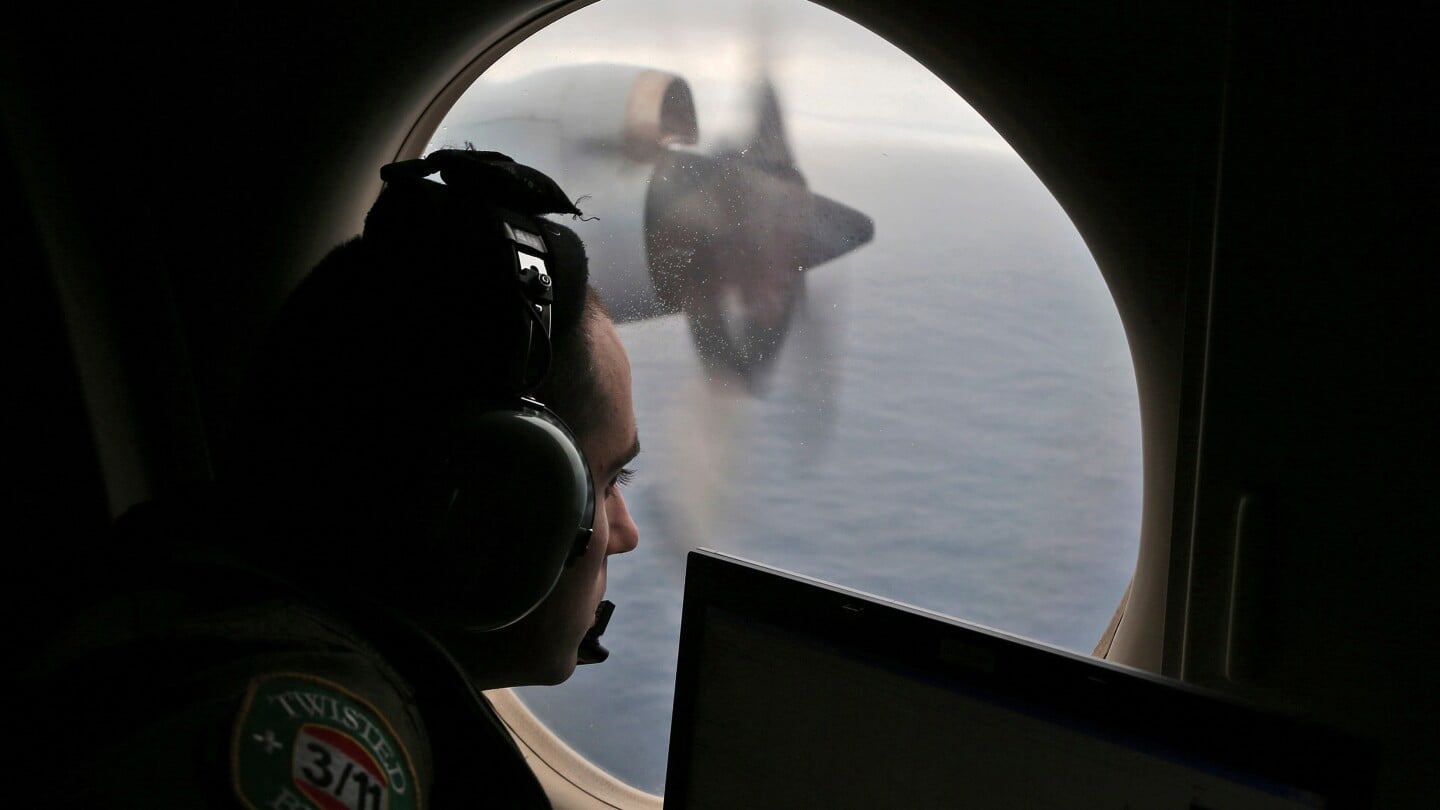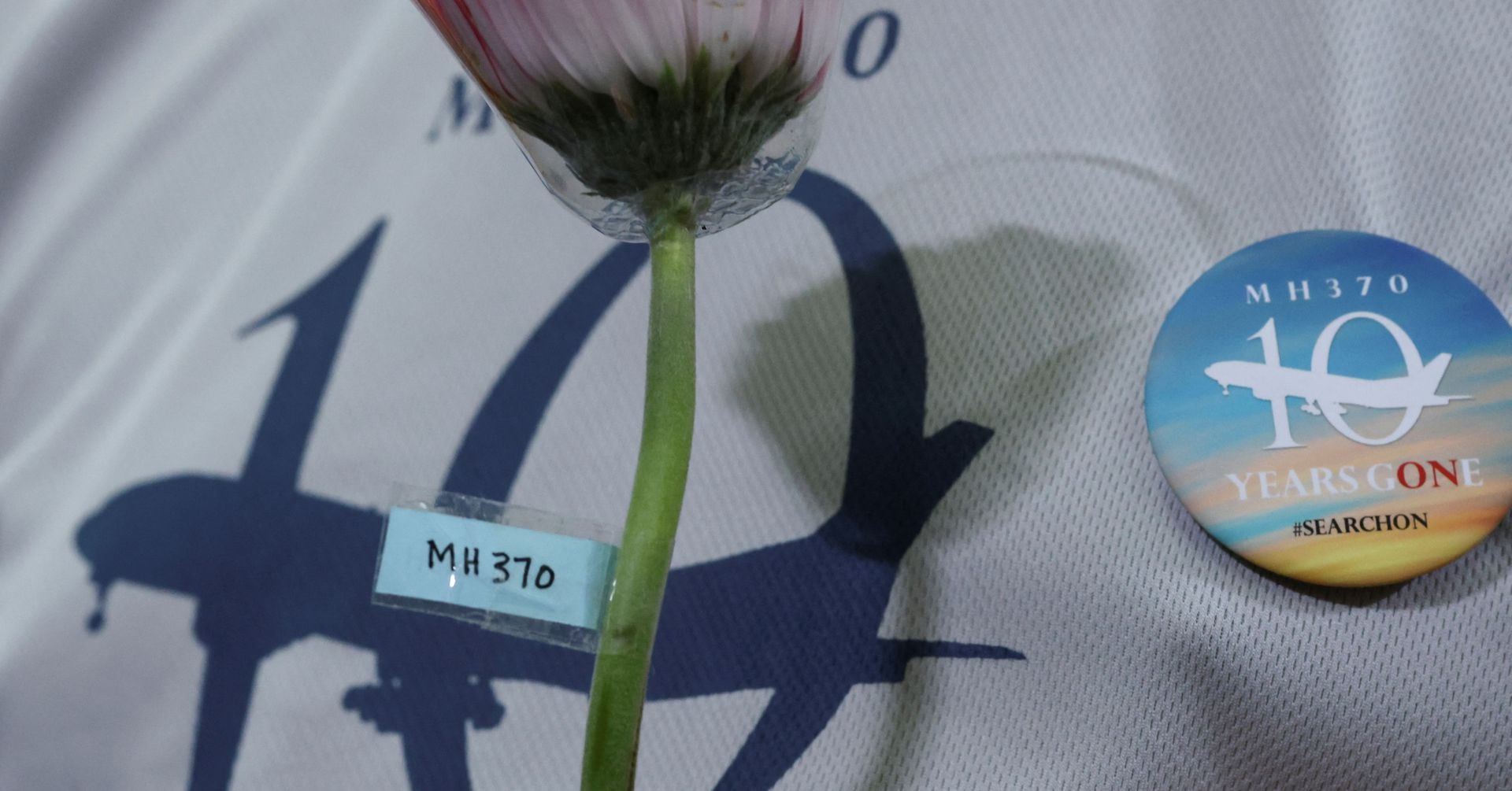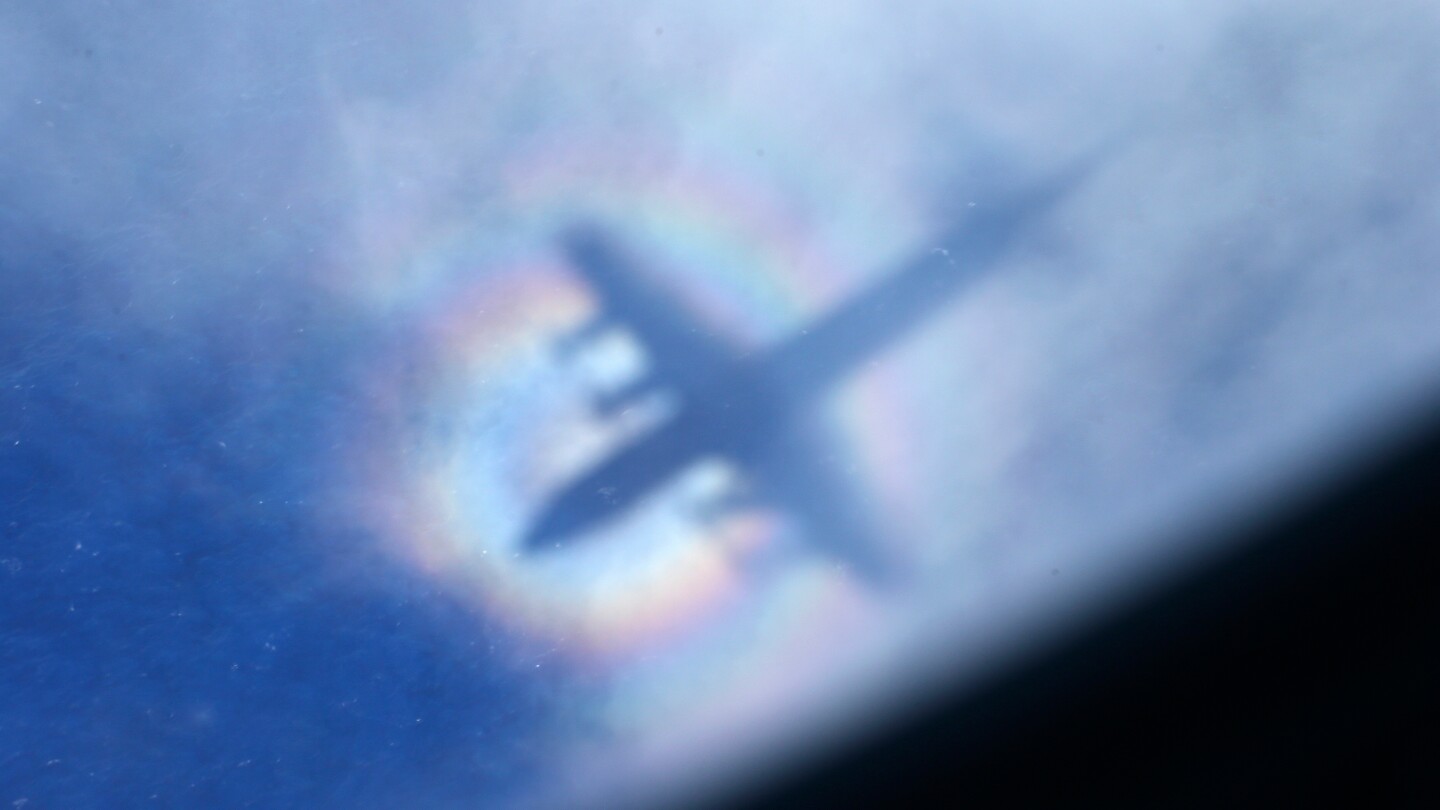
After over a decade, Malaysia Airlines has resumed a new search for Flight 370 in the Indian Ocean, using advanced technology and focusing on areas with the highest likelihood of finding the wreckage, amid ongoing uncertainty about the plane's fate.
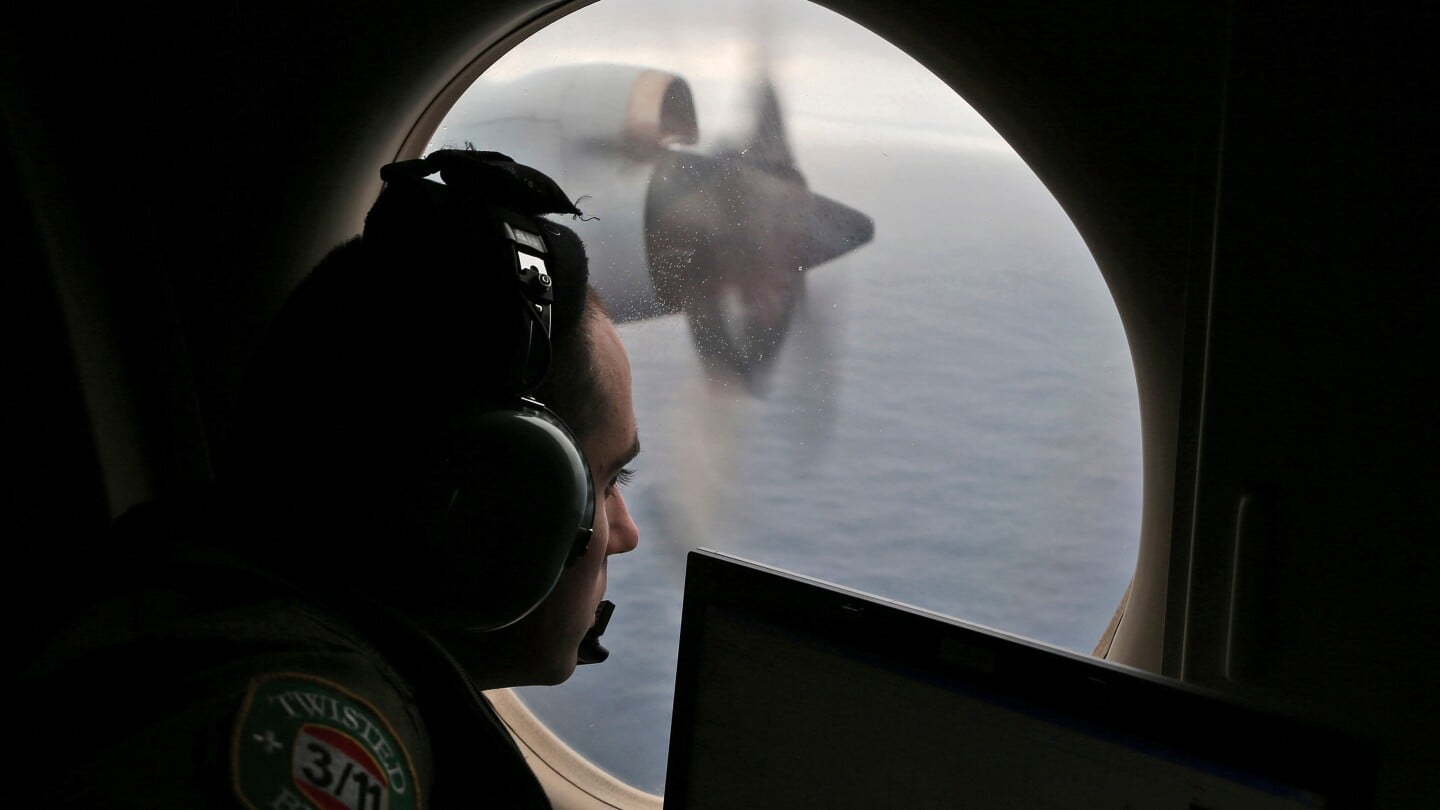
A new deep-sea search for Malaysia Airlines Flight 370 has begun in the Indian Ocean, led by Ocean Infinity, aiming to solve the mystery of the vanished aircraft more than a decade after its disappearance, with previous efforts failing to locate the wreckage.
A new deep-sea search for Malaysia Airlines Flight 370 has begun in the Indian Ocean, led by Ocean Infinity, aiming to solve the mystery of the missing plane more than a decade after its disappearance.
The search for Malaysia Airlines Flight MH370, which disappeared in 2014 with 239 people aboard, has resumed after nearly 12 years, utilizing advanced underwater drone technology to locate the wreckage in the Indian Ocean, focusing on a narrowed area of about 5,800 square miles.
Malaysia Airlines Flight MH370 disappeared in 2014, sparking a decade-long search that has yet to find the wreckage or determine the cause. Despite extensive efforts, only small debris has been recovered, and the plane's exact fate remains unknown. A new seabed search by Ocean Infinity is set to resume in late 2023, fueled by hopes of finally solving the mystery.
Malaysia is set to resume the search for Malaysia Airlines Flight 370, which disappeared in 2014, with Ocean Infinity beginning a new seabed search in the Indian Ocean from December 30, after previous efforts failed to find conclusive wreckage, keeping the mystery of its disappearance unresolved.
The Malaysian government announced that a renewed deep-sea search for Malaysia Airlines Flight 370 will begin on December 30, 2025, with Ocean Infinity conducting a 55-day search in the Indian Ocean, aiming to finally locate the missing aircraft after over a decade.
The search for Malaysia Airlines flight MH370, missing since 2014, will resume on December 30 with Ocean Infinity participating in a 50-day seabed search, reigniting hopes of solving one of aviation's greatest mysteries.
Eighty years ago, Glenn Miller, a prominent big band leader, disappeared while flying from Britain to Paris to perform for American troops during World War II. His plane vanished over the English Channel, and despite speculation about mechanical failure or weather issues, no wreckage was ever found, making it one of the 20th century's most enduring aviation mysteries. Miller's music legacy endures, with his songs still celebrated by audiences worldwide.
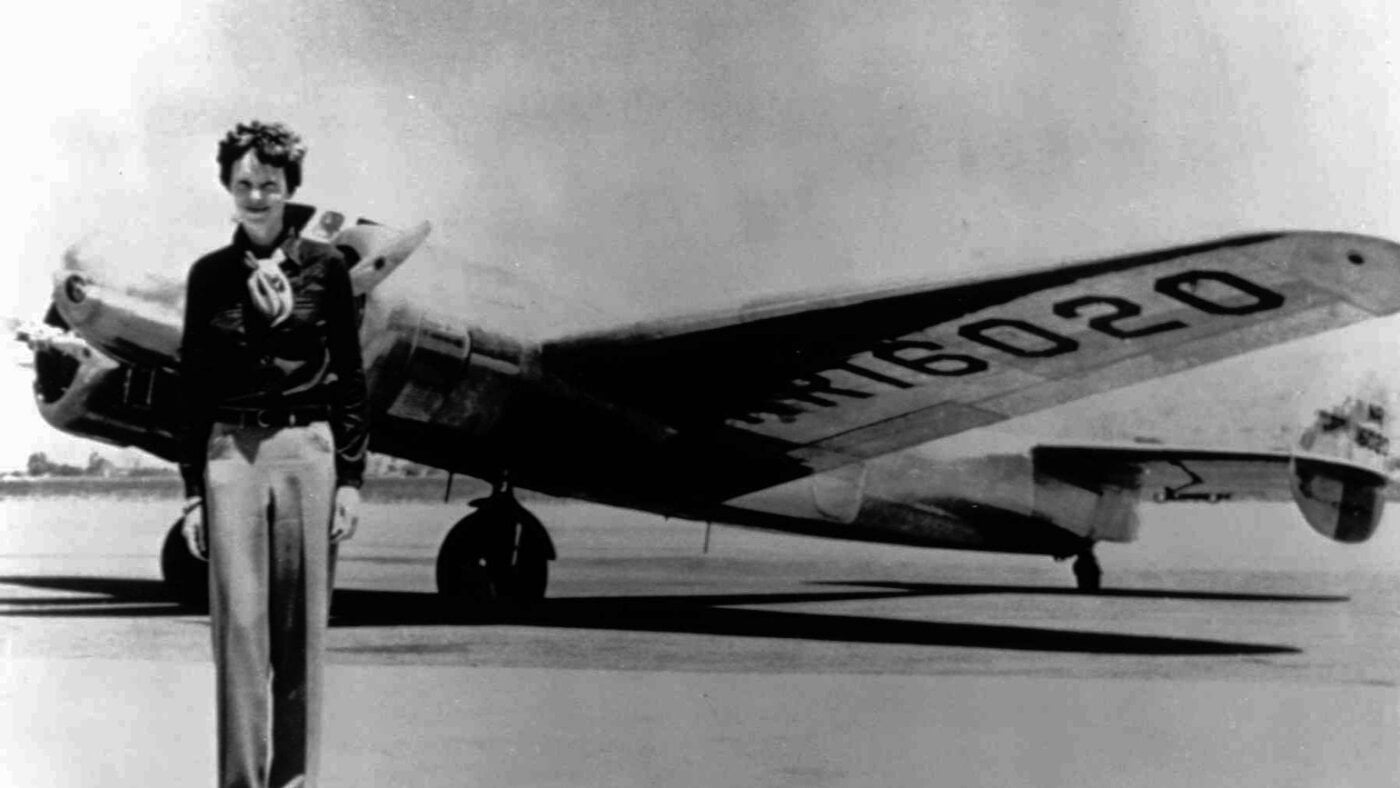
Deep Sea Vision, a deep-sea exploration company, initially believed it had found Amelia Earhart's missing plane using sonar images, but later confirmed the images showed a natural rock formation. Earhart's disappearance in 1937 remains one of aviation's greatest mysteries, with various theories about her fate. Despite the setback, the company continues its search for the aircraft, having surveyed over 7,700 square miles of ocean floor.
Ten years after the disappearance of Malaysia Airlines Flight MH370, new clues and renewed efforts to find the plane have emerged, offering hope for answers to the aviation mystery. With theories ranging from mechanical malfunction to foul play, including a potential reopening of investigations and a new underwater search by a Texas-based marine robotics firm, there is optimism that the truth behind the plane's disappearance may finally be uncovered, providing closure for the families of the 239 people on board and potentially leading to improved safety measures in aviation.
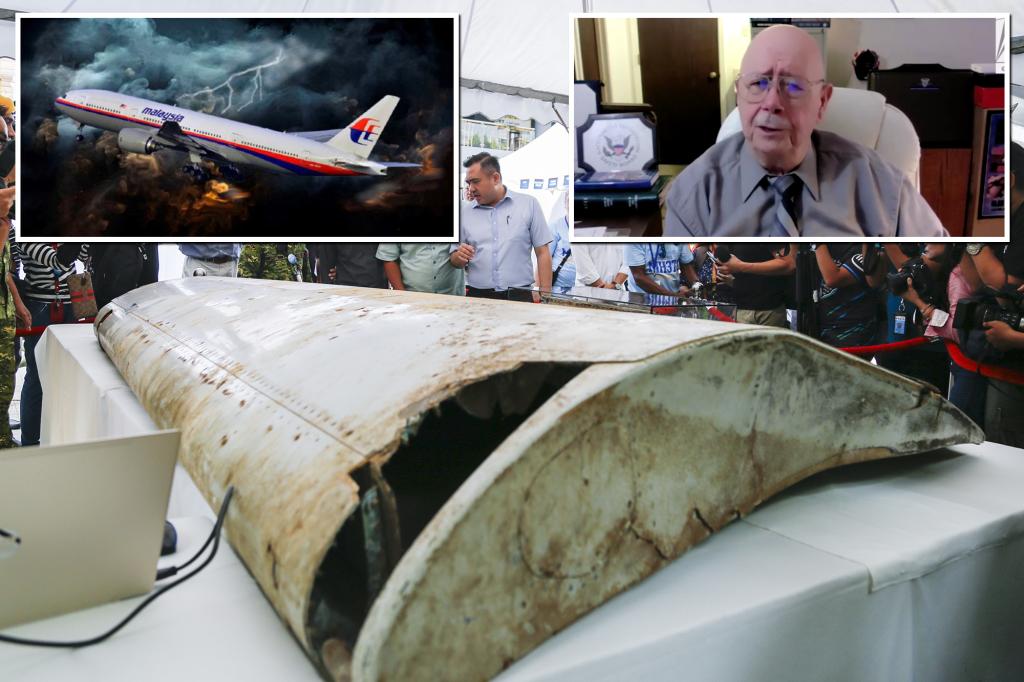
Former NTSB investigator Alan Diehl proposes a new theory suggesting that Malaysia Airlines flight MH370 may have crashed into the Andaman Sea northwest of Malaysia, challenging the current search efforts focused on the southern Indian Ocean. Diehl believes the pilot intended to make a political statement by commandeering the plane and flying it to the American military base in Diego Garcia. His theory, outlined in his book "Best Laid Plans," suggests that the first officer may have been purposely locked out to prevent involvement in the pilot's conspiracy. Diehl urges a reevaluation of the search area and emphasizes the importance of finding the wreckage to solve the aviation mystery.
Ten years after the disappearance of Malaysia Airlines flight MH370, the mystery remains unsolved despite extensive search efforts and the discovery of some aircraft debris. The last transmission from the plane indicated a deliberate course deviation, but no conclusive evidence has been found to determine what happened. The Malaysian government is open to re-opening the investigation and considering a new search proposal from a seabed exploration firm.
Ten years after the disappearance of Malaysia Airlines flight MH370, Chinese families of the passengers are still seeking answers and closure, meeting with officials in Beijing and demanding information about their loved ones. The majority of the passengers were Chinese, and the families, including elderly parents who lost adult children, continue to grapple with the emotional toll of not knowing the fate of their relatives. Despite the passage of time, they are still holding out hope for answers and are determined to keep searching for the truth.
A former NTSB investigator has introduced a new theory about the missing Malaysia Airlines flight MH370, suggesting that the pilot intended to make a political statement by commandeering the plane and flying it to the American military base in Diego Garcia. This theory, if true, would shift the focus of search efforts to the Andaman Sea, northwest of Malaysia, and away from the southern part of the Indian Ocean. The investigator's theory challenges prevailing beliefs about the pilot's motives and the plane's final destination, prompting renewed interest in the search for the wreckage.