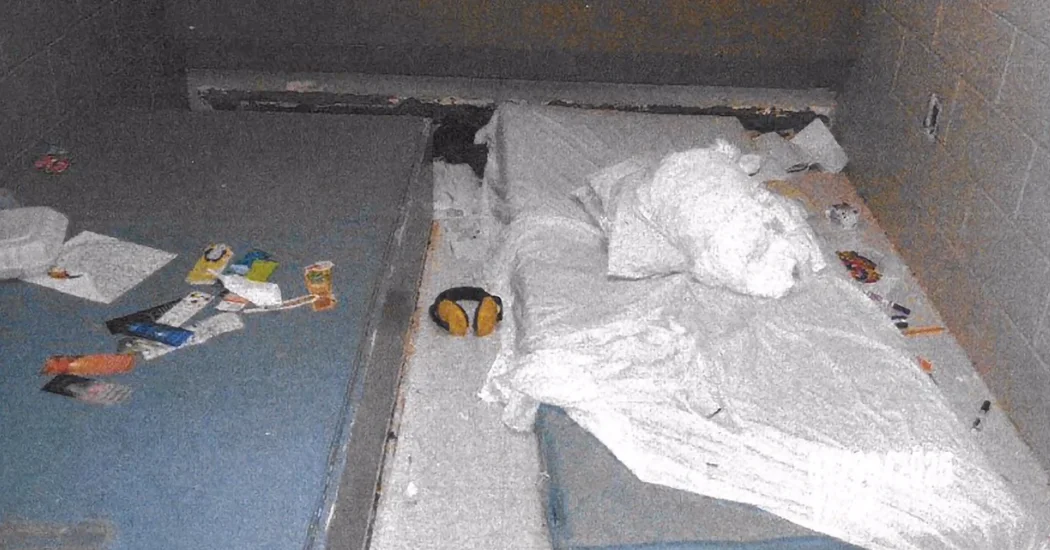
A lawsuit alleges that New York's Office of Children and Family Services is unlawfully confining children in solitary cells without toilets for extended periods, violating state regulations.
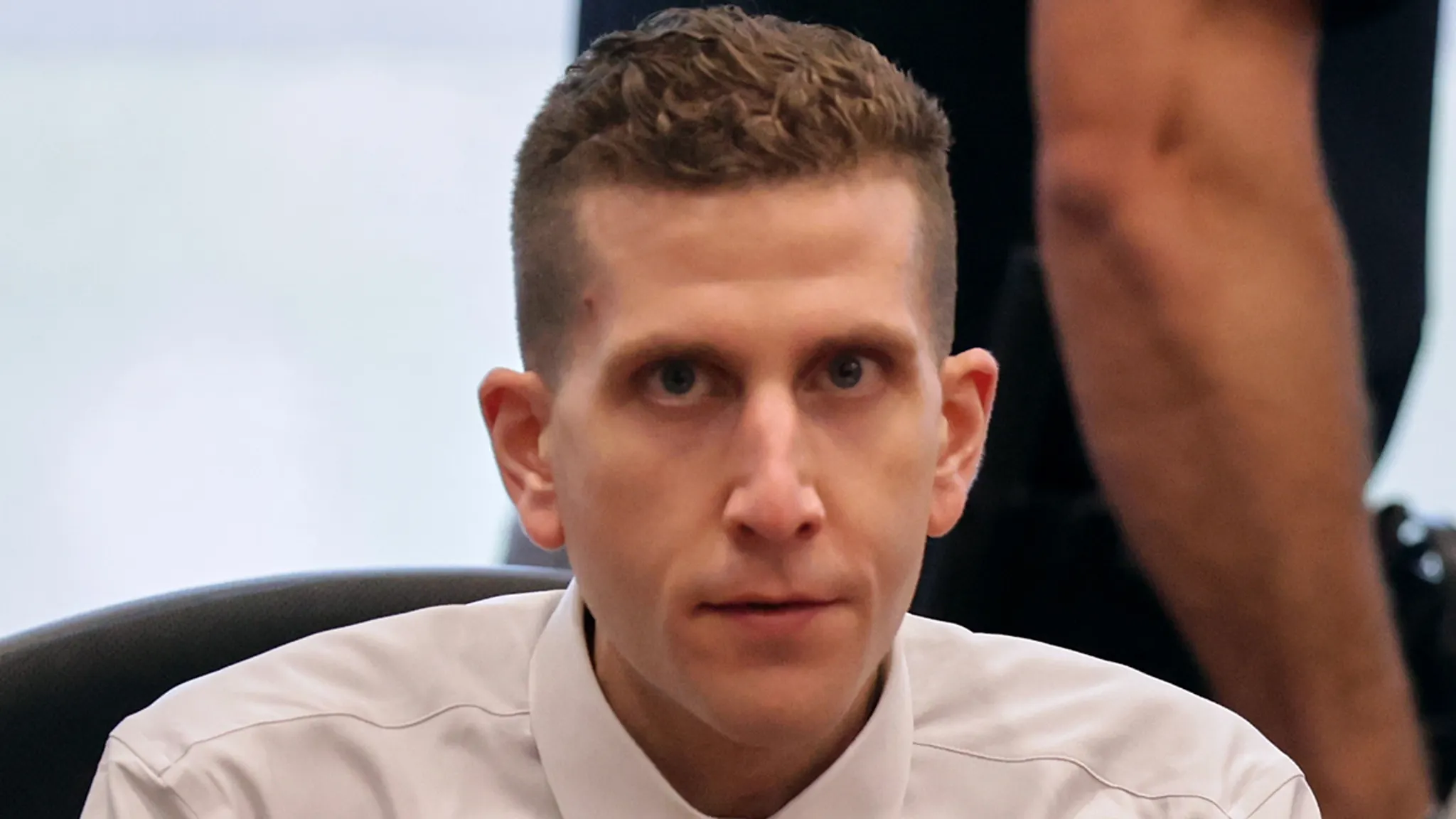
Bryan Kohberger, convicted of multiple murders, claims inmates are taunting him by yelling through vents in his Idaho prison, but officials say this is normal inmate communication. Kohberger is in solitary confinement and reports the noise disrupts his sleep, while prison authorities maintain a secure environment. He is serving four life sentences without the possibility of parole.
Five immigrants deported by the U.S. to Eswatini are being held in solitary confinement for an undetermined period, with plans for eventual repatriation, amid concerns over their treatment and the secrecy surrounding the agreement.
R. Kelly's lawyers allege he overdosed on medication given by prison staff after being placed in solitary confinement, and claim there was a plot to kill him; he was hospitalized and forcibly removed from Duke University Hospital. The Bureau of Prisons has not commented.
Three former residents of a state-run juvenile home in Wyoming have filed a federal lawsuit alleging they were subjected to abusive treatment, including solitary confinement, restraint chairs, and deprivation of food. The lawsuit targets the Wyoming Department of Family Services and the school, with the plaintiffs detailing instances of psychological and physical abuse, as well as neglect of medical needs. The department refutes the allegations, but the lawsuit highlights a significant increase in solitary confinement and restraint chair use at the facility.
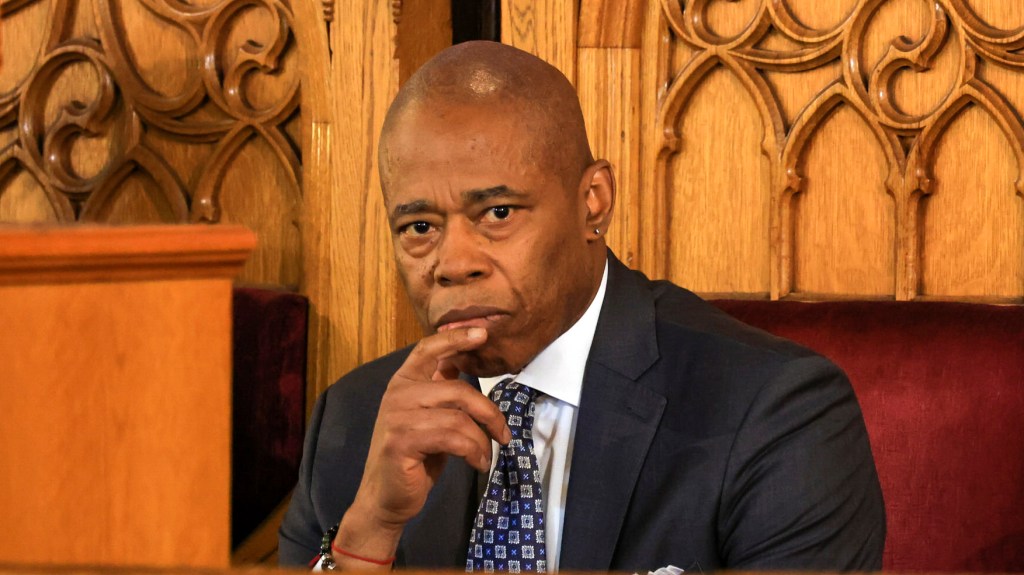
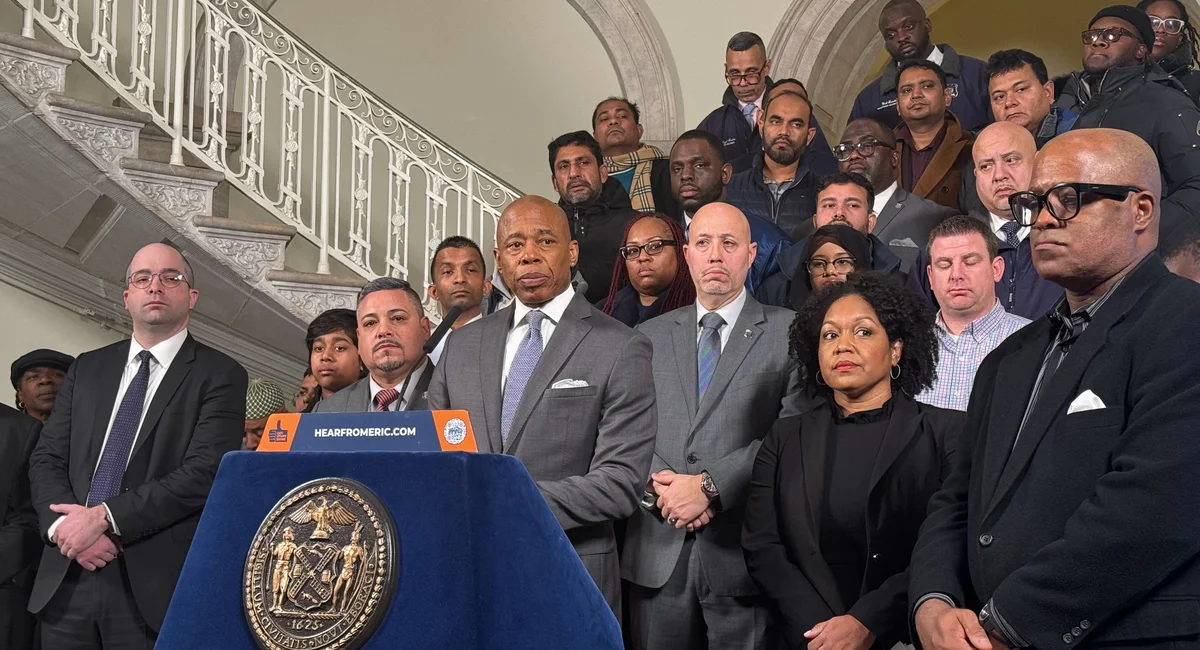
The NYC Council overrides Mayor Adams’ vetoes of the How Many Stops Act, expanding NYPD transparency requirements, and a bill banning the use of solitary confinement in city jails. The overrides, approved in 42-9 votes, mark a fraught period for the mayor and City Council Democrats, who have publicly sparred over the impact of both pieces of legislation. The How Many Stops Act will require NYPD officers to log basic info about every civilian they stop, aiming to address unconstitutional police stops of Black and Brown New Yorkers. Despite the overrides, it remains to be seen whether the mayor's administration will fully comply with the new criminal justice measures.
Mayor Eric Adams is making a late effort to persuade City Council members not to override his vetoes on two bills related to NYPD transparency and solitary confinement. He argues that the bills could compromise public safety and accuses Council members of misleading the public. The How Many Stops Act would require NYPD officers to document low-level interactions, while the bill banning solitary confinement at city jails has been contested despite rules against it. The City Council needs 34 votes to override a veto, and several new members have taken office since the initial vote on the bills.
Mayor Adams vetoed the How Many Stops Act and a bill to prohibit solitary confinement in NYC jails, sparking a clash with the City Council. The Council leaders immediately pledged to override the vetoes, accusing the mayor of misleading the public. The How Many Stops Act aims to increase NYPD transparency, while the solitary confinement bill seeks to limit isolation in jails. The mayor argues the bills would harm public safety, but Council members and advocates dispute his claims and vow to push for the bills' enactment.
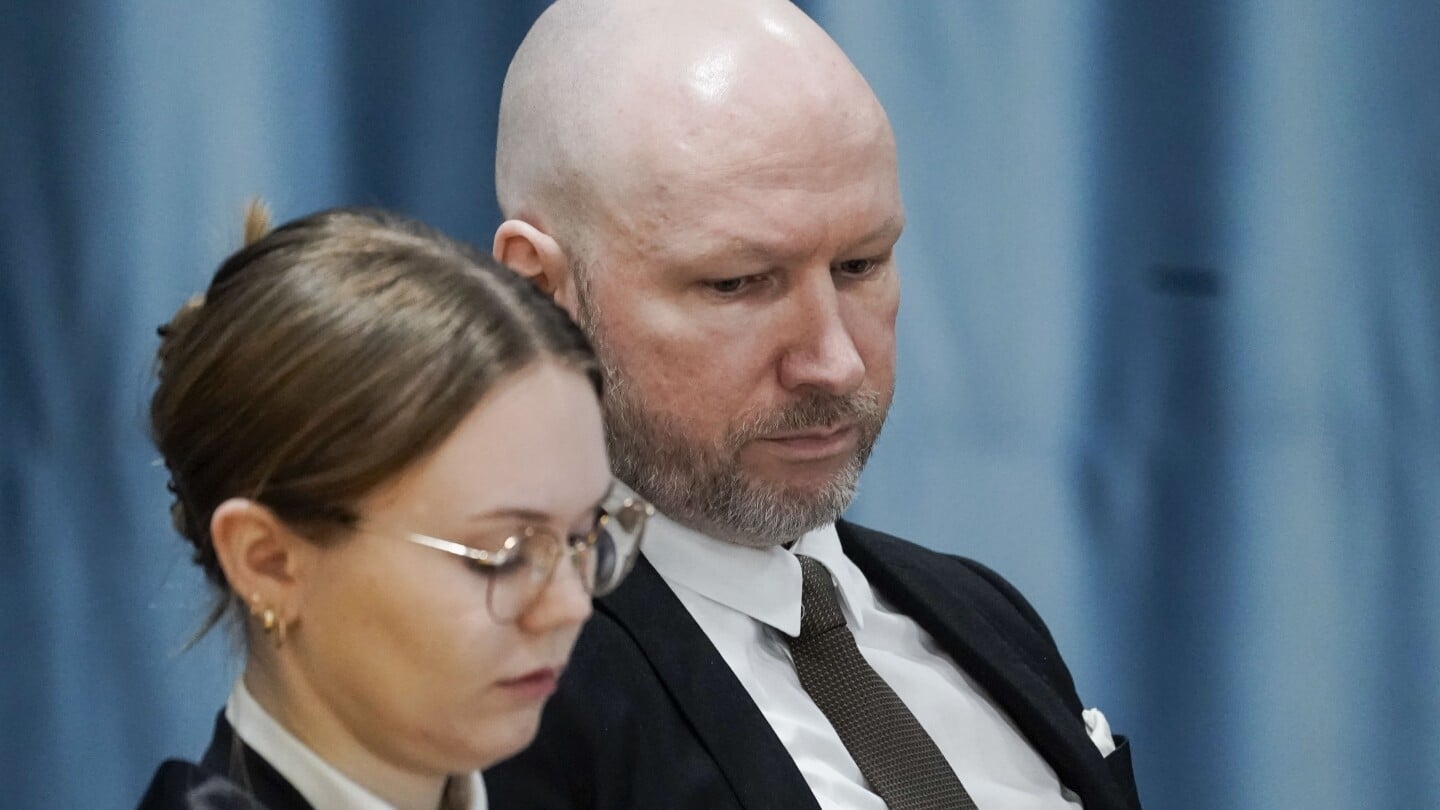
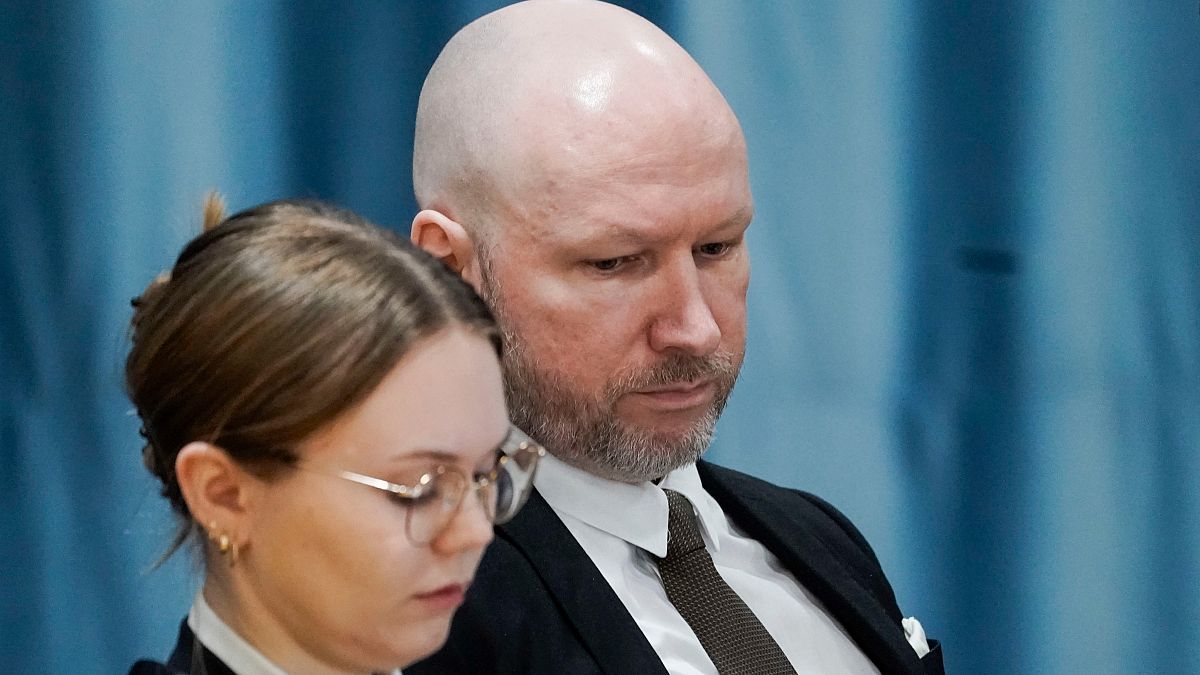
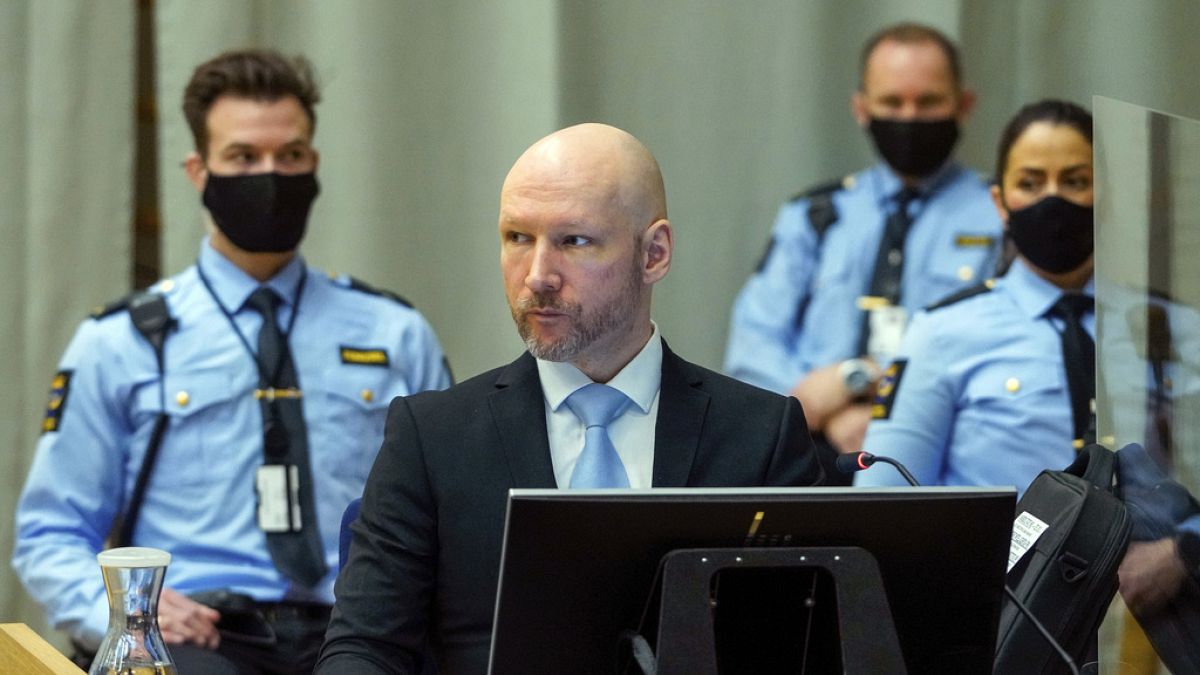
Norwegian right-wing extremist Anders Behring Breivik, who killed 77 people in 2011, has launched a second attempt to sue the state, claiming that his solitary confinement since 2012 amounts to inhumane treatment under the European Convention on Human Rights. His lawyer argues for an easing of restrictions and more contact with other inmates, citing the impact on Breivik's mental health. The government rejects his claim, stating that the conditions are necessary for security.
Convicted mass murderer Anders Behring Breivik is suing the Norwegian state for alleged human rights breaches due to his solitary confinement, claiming it constitutes inhumane treatment. Despite being held in a well-equipped prison complex, his lawyer argues that he is unable to form meaningful relationships with the outside world. Breivik's previous similar claim was initially accepted but later overturned, and he was judged to show no signs of rehabilitation. The state rejects his claims, and the trial is being held in the prison where he is detained.
Anders Behring Breivik, the Norwegian right-wing extremist who killed 77 people in 2011, is attempting to sue Norway for alleged human rights breaches due to his solitary confinement in prison. Despite being held in a well-equipped facility, his lawyer argues that he is unable to form meaningful relationships with the outside world. Norway rejects his claims, citing his lack of receptiveness to rehabilitation. This is Breivik's second attempt to sue the state, after a previous claim was overturned.
New York City Mayor Eric Adams is facing opposition from the City Council as they voted to ban solitary confinement in city jails and require more reporting from the NYPD, despite Adams indicating he would veto the bills. The bills, driven by Council Speaker Adrienne Adams, aim to address the legacies of harm in Black and Latino communities and promote accountability and transparency. Adams argues that the legislation would make the city more dangerous and believes the majority of people in the city support the police. The bills passed with a veto-proof majority, and if Adams follows through with his vetoes, the Council may override them in early 2024.
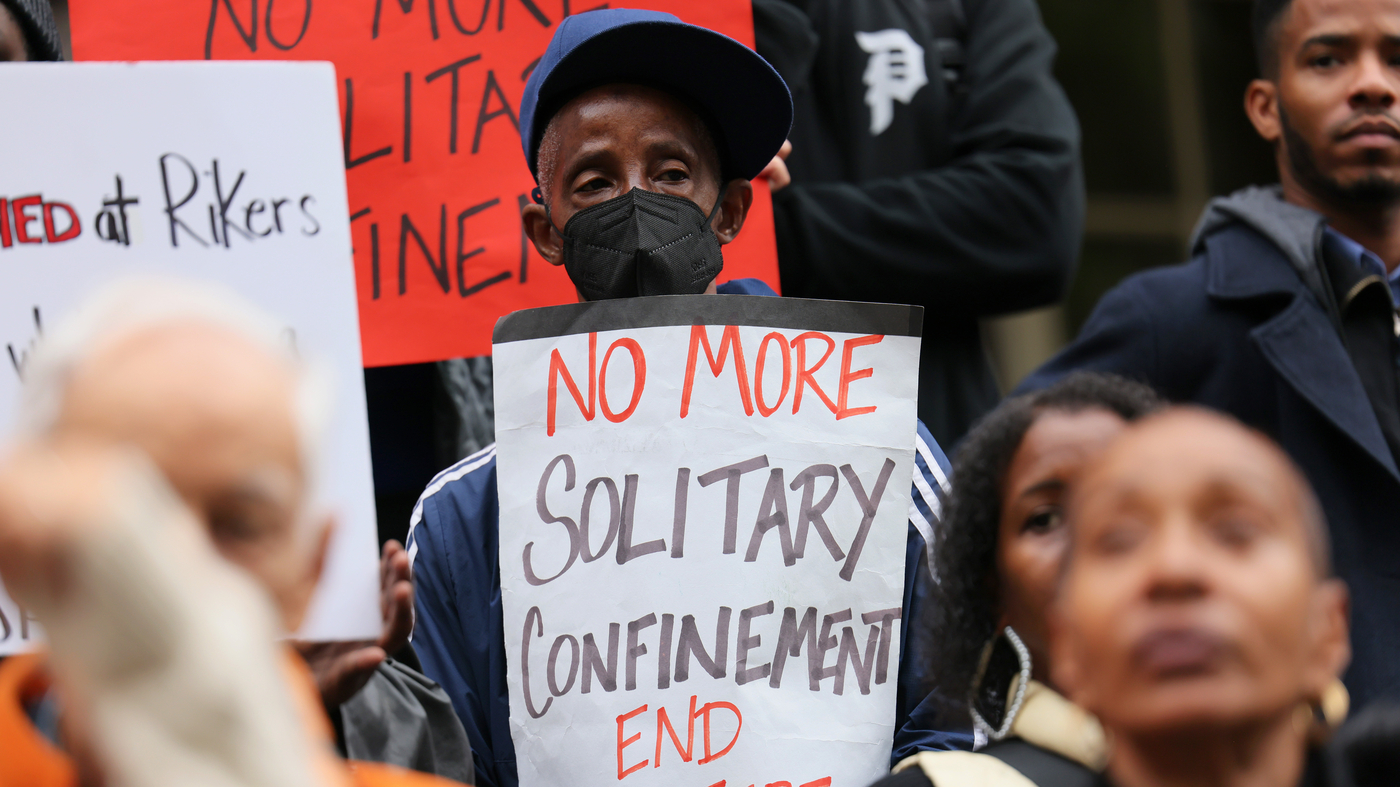
The New York City Council has voted to ban most instances of solitary confinement in city jails, with enough votes to override a potential veto from Mayor Eric Adams. The measure would limit solitary confinement to four hours for de-escalation purposes and during emergencies, while also requiring detainees to have at least 14 hours outside of their cells each day. The bill, which had 38 co-sponsors, passed with a 39-7 vote and will now go to the mayor for approval or veto. The resolution comes amid scrutiny over deaths at Rikers Island and could have a significant impact on the treatment of individuals in jails across the country.
The New York City Council has voted to ban most uses of solitary confinement in city jails, with the exception of a four-hour period during emergencies. The measure, which aims to make jails more humane, has sparked a debate over whether solitary confinement is a form of torture or a legitimate punishment. Supporters argue that the practice is linked to increased mental illness, self-harm, and suicide, and that there are racial disparities in its use. Mayor Eric Adams opposes the ban and has vowed to veto the measure, but the Council's supporters are confident they can override the veto.
The New York City Council has approved two measures that Mayor Eric Adams strongly opposes. One measure would ban most forms of solitary confinement in city jails, while the other would require officers to report all street stops. Advocates argue that these measures are necessary for accountability and to address racial disparities in the use of solitary confinement and police conduct. The mayor and police union oppose the measures, citing concerns about hampering police work and response times. The bills will go into effect within three months unless the mayor vetoes them.