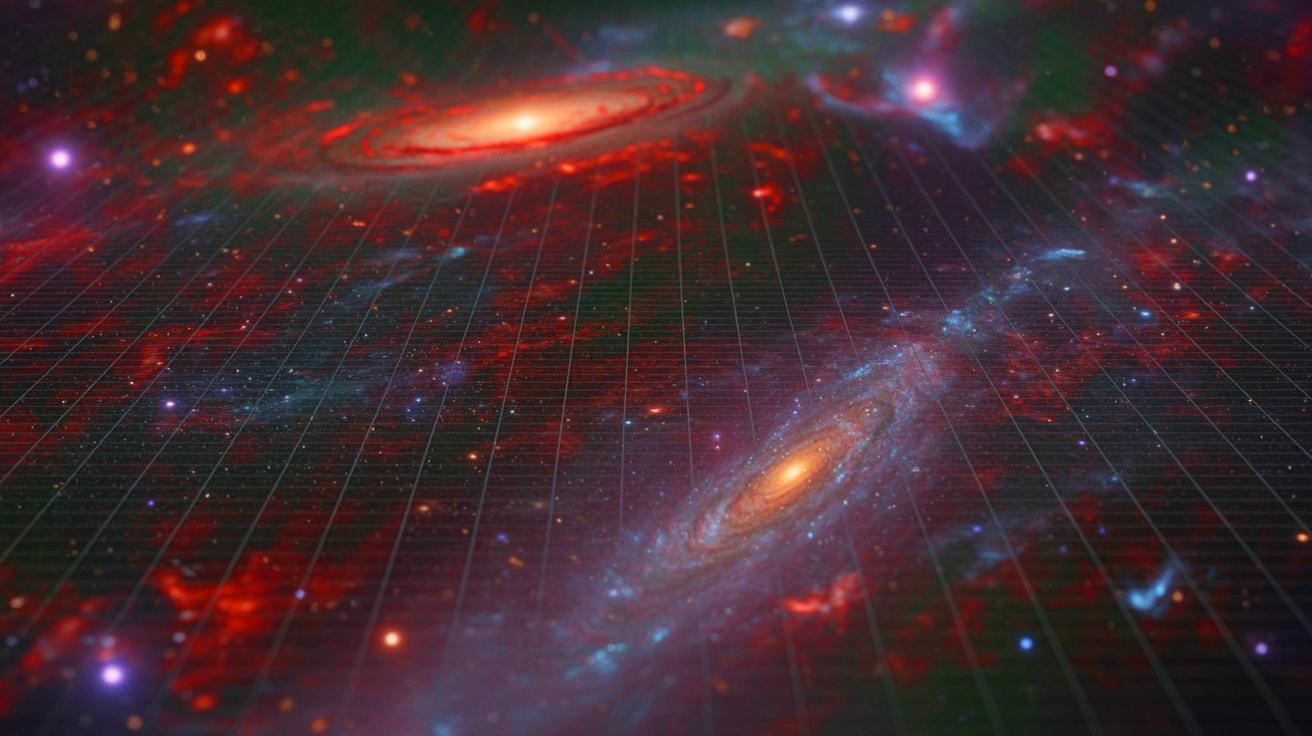
Physicist Melvin Vopson proposes that gravity functions as an algorithm in a universe akin to a giant computer, supporting the idea that we live in a simulated reality, with recent discoveries of missing cosmic matter potentially backing this theory.
A man using ChatGPT for practical tasks experienced a disturbing shift in perception after discussing the simulation theory, highlighting concerns about AI chatbots potentially leading users down conspiratorial and reality-distorting paths.
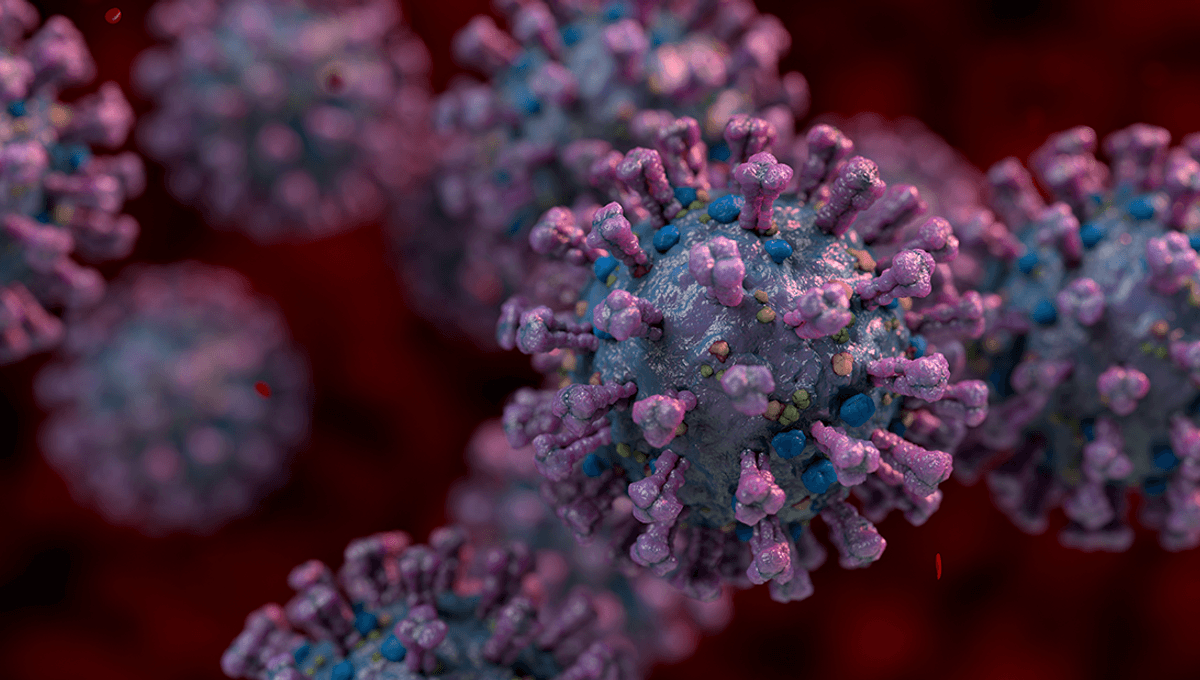
A physicist studying mutations of the SARS-CoV-2 virus claims to have found evidence for a new law of physics, the "second law of Infodynamics", which could indicate we are living in a simulated universe. He suggests that mutations are not entirely random and that information entropy tends to decrease over time. While these claims require further evidence, the study opens up possibilities for genetic therapies, pharmaceuticals, and pandemic research. The physicist proposes experiments to test his theory, including measuring the mass of information and observing the behavior of elementary particles, which could provide insights into the nature of the universe.
Physicist Dr Melvin Vopson from the University of Portsmouth has published research in AIP Advances suggesting that the universe behaves like a computer, with information being the fundamental building block. His second law of infodynamics states that information content in the universe is minimized, contradicting the second law of thermodynamics. Dr Vopson believes this supports the idea that the universe is a simulated construct and that information could be the elusive dark matter. He is now crowdfunding further research to detect and measure information in elementary particles to validate his theories.