The article discusses the risks and drawbacks of switching to eSIM technology, highlighting concerns about losing access to phone numbers used for authentication and the potential security issues, contrasting it with the reliability of physical SIM cards, and suggesting alternative security measures like Google Fi's approach to mitigate these risks.
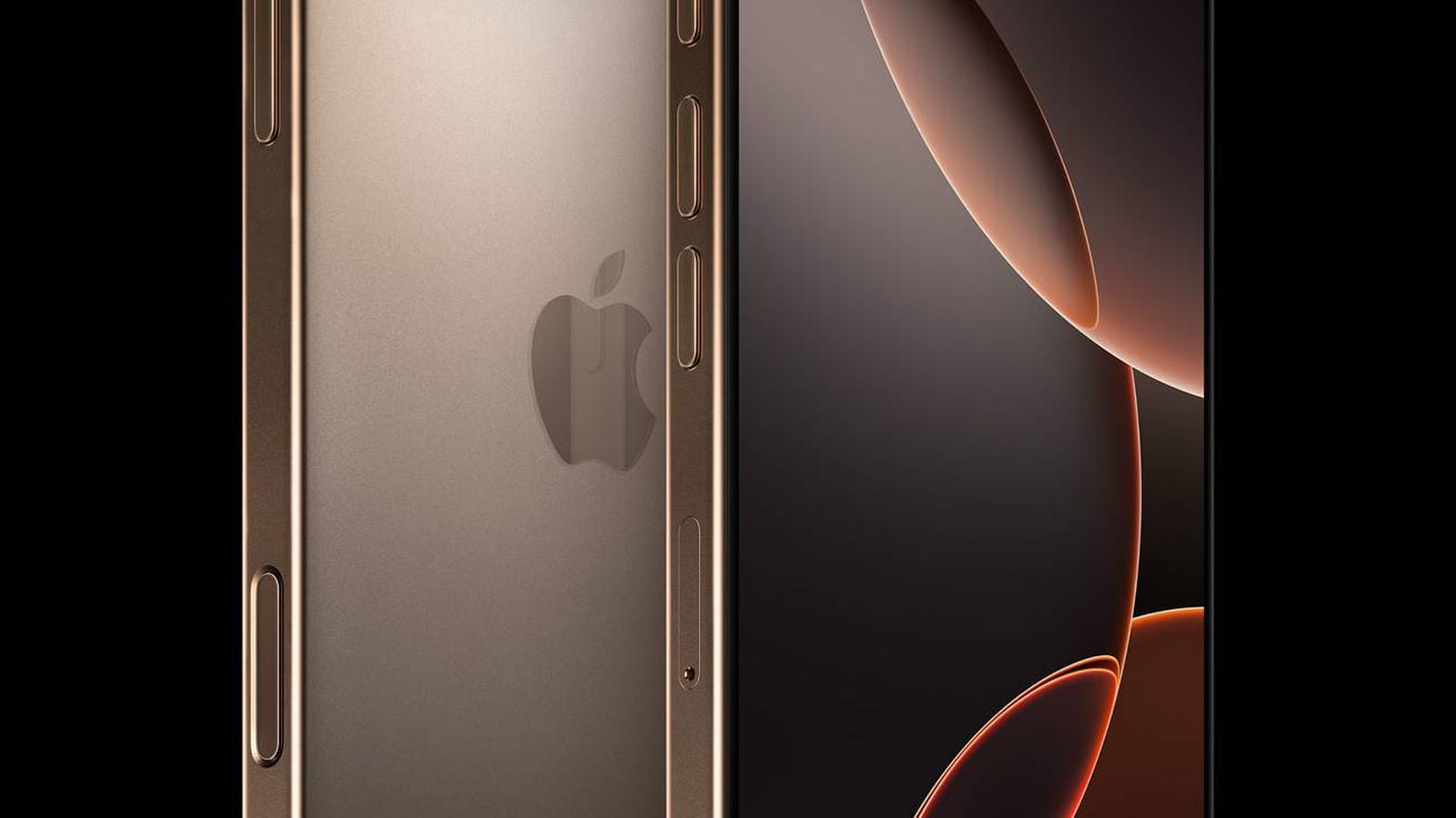
Apple's new iPhone Air is set to be the first eSim-only iPhone available globally, signaling a potential end to physical Sim cards, which could lead to changes in user behavior, device design, and environmental impact, although physical Sim slots will still be available in many markets for now.
Apple is considering releasing iPhone 17 models in more countries without physical SIM card slots, potentially replacing them with eSIM technology, signaling a shift in mobile device design and connectivity options.
Apple is reportedly planning to expand the removal of the physical SIM card tray from iPhones to more countries next year, further promoting the use of eSIM technology. This move aligns with Apple's ongoing efforts to streamline device design and enhance security features.
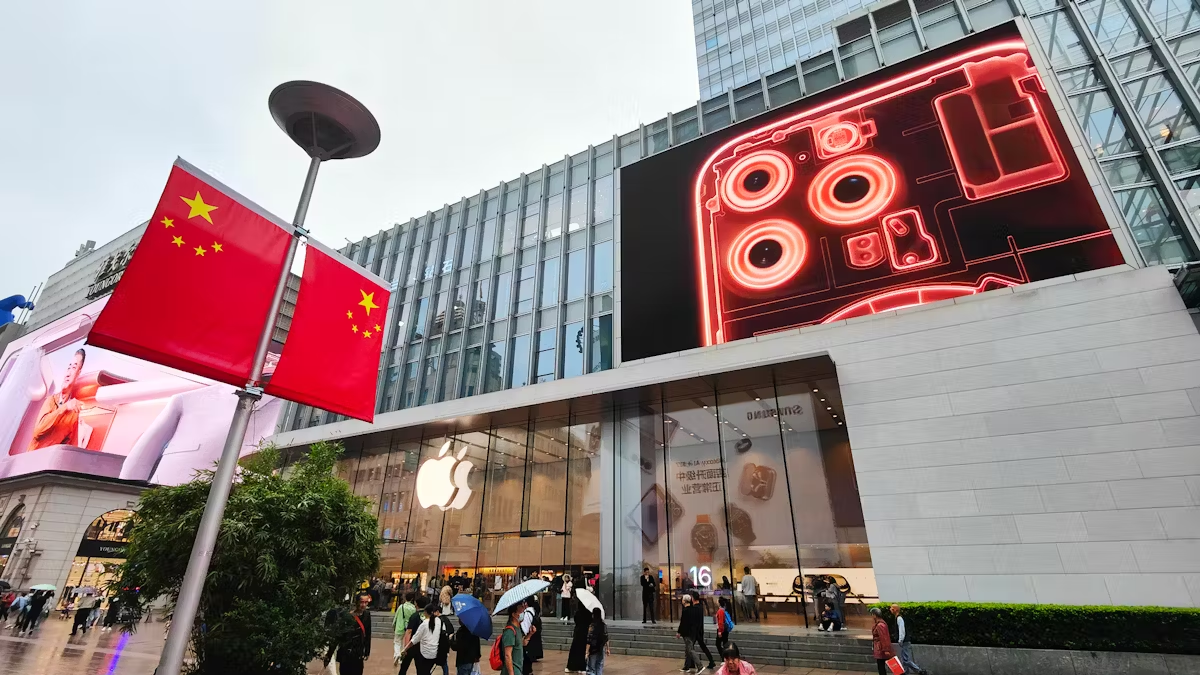
Apple's decision to remove physical SIM cards from its latest thin iPhone model may negatively impact sales in China, where consumers and carriers still heavily rely on physical SIMs. This move could pose challenges for Apple's market strategy in the region.
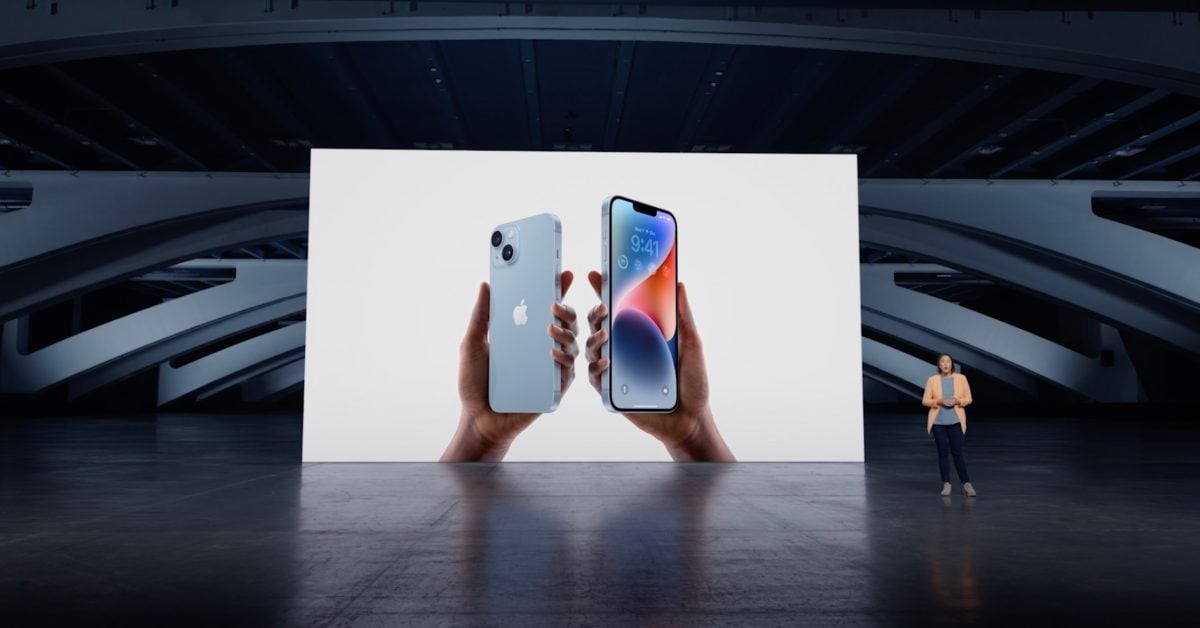
Apple may expand its eSIM-only iPhone models to more countries in Europe with the iPhone 15, according to a report from French news outlet iGeneration. The iPhone 14 and iPhone 14 Pro sold in the United States are the first iPhone models not to feature a physical SIM card slot, relying fully on eSIM technology. The expansion of eSIM technology in more countries is due to carriers bolstering their eSIM infrastructure over the last several years, thanks in large part to Apple’s growing reliance on the tech.
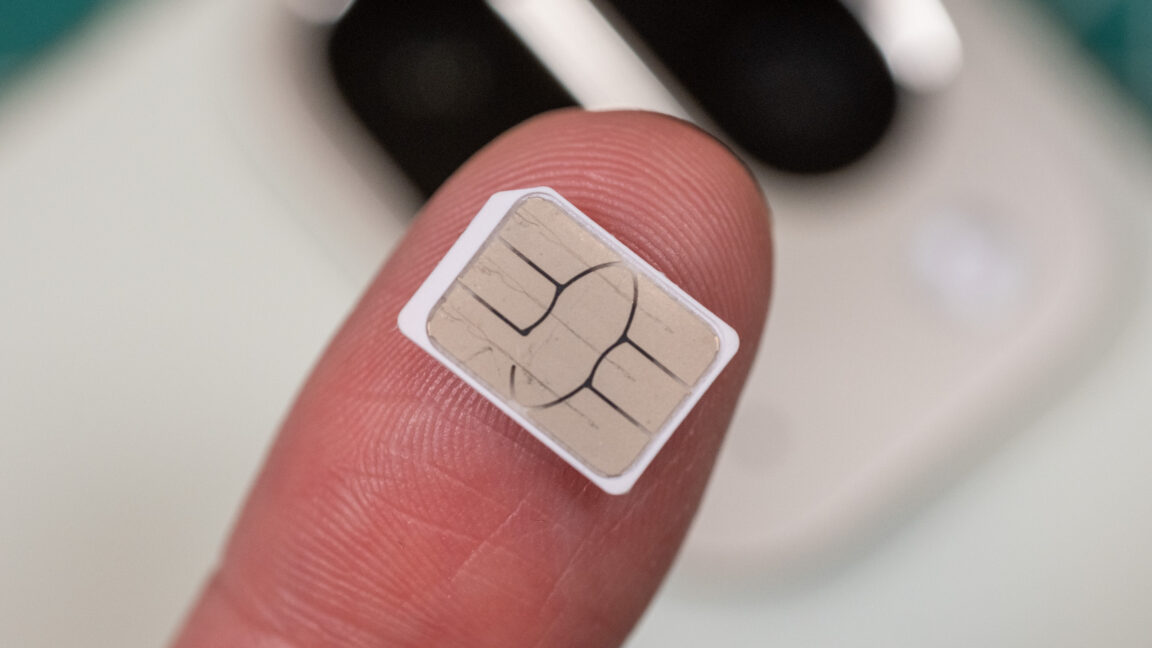
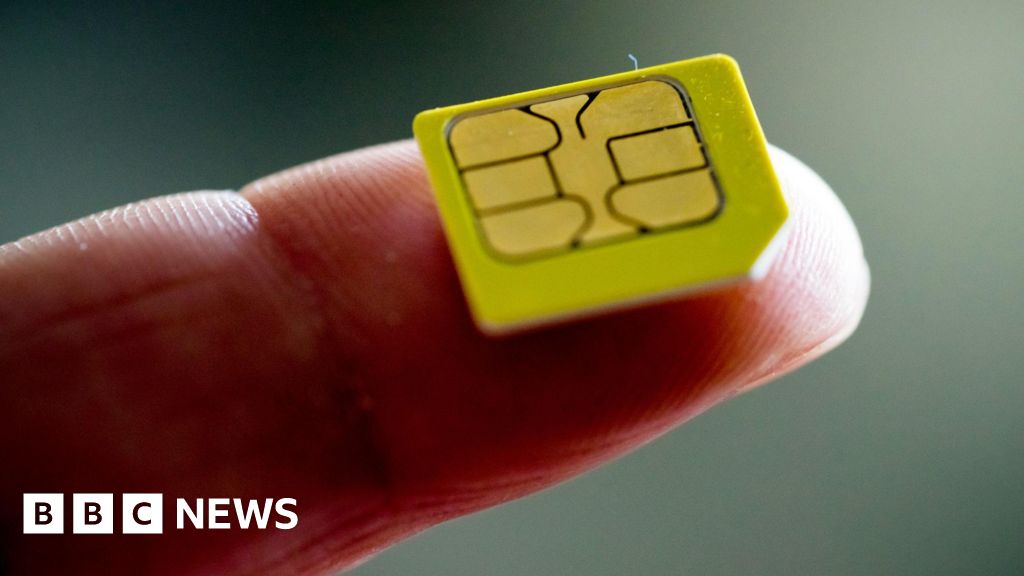
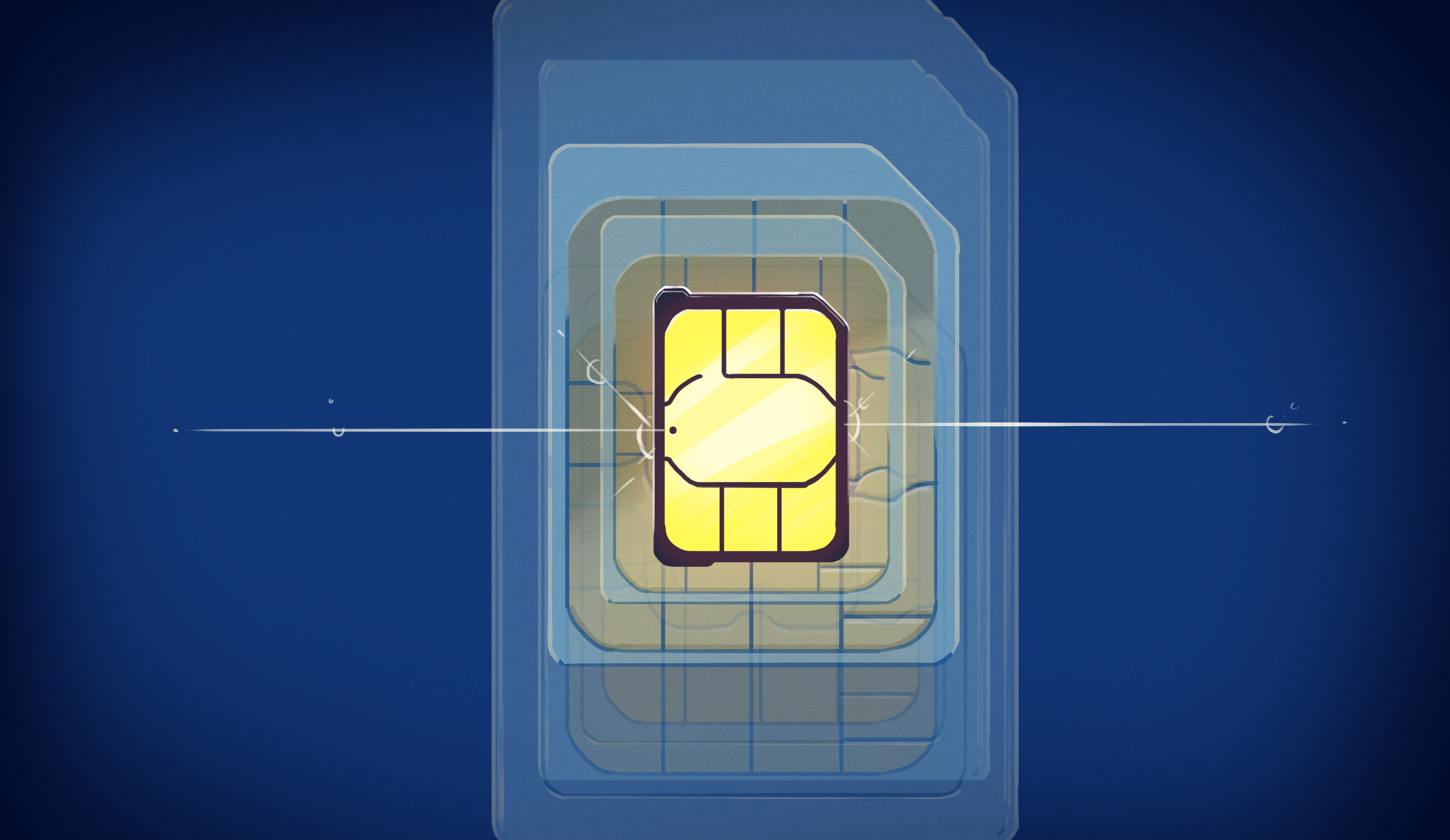
The Subscriber Identity Module (SIM) card has been a staple of mobile phones for almost as long as they have existed, allowing users to easily transfer their cellular service from one phone to another. However, with the rise of embedded-SIM (eSIM) and integrated-SIM (iSIM) technology, the physical SIM card may soon become a thing of the past. While eSIM and iSIM offer potential security benefits, they also give device manufacturers and carriers more control over user access to subscriber information. The day is coming when consumers will have to say goodbye to their trusty SIM card.