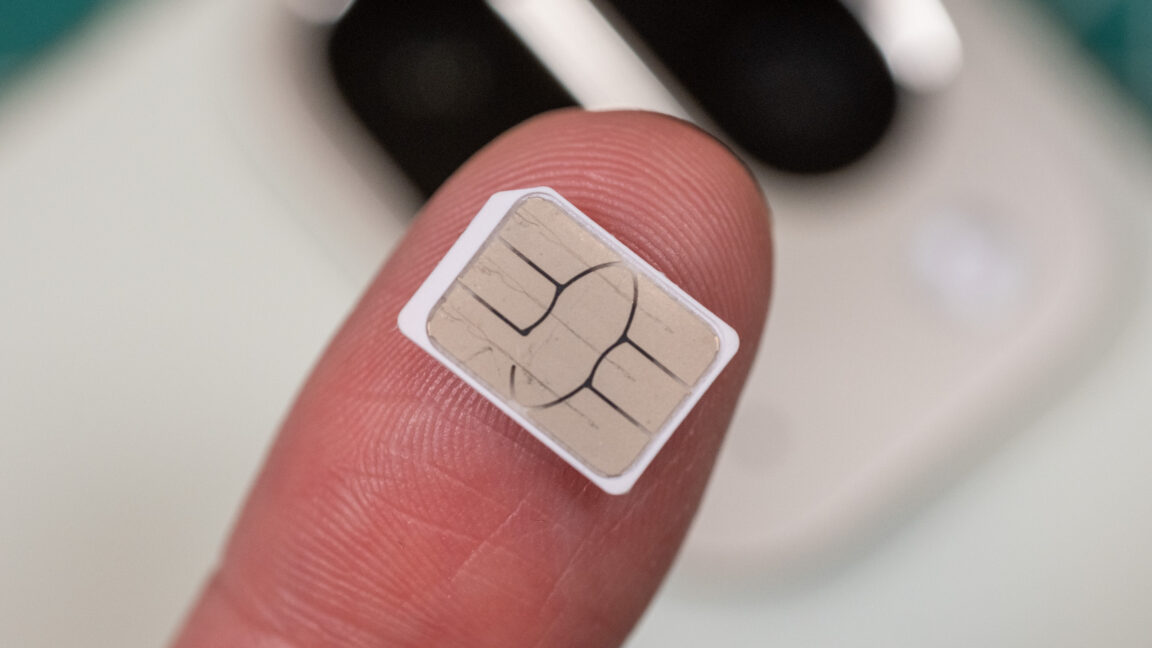
The article discusses the risks and drawbacks of switching to eSIM technology, highlighting concerns about losing access to phone numbers used for authentication and the potential security issues, contrasting it with the reliability of physical SIM cards, and suggesting alternative security measures like Google Fi's approach to mitigate these risks.
Apple has updated its support document to address a common iMessage issue where messages show 'Not Delivered' or appear as SMS, often caused by not activating the eSIM during setup. To fix this, users should manually toggle iMessage off and on in Settings after setting up their eSIM. This problem mainly affects those who skip eSIM activation during initial setup or switch carriers. Apple has acknowledged this as a recurring issue since the release of iOS 26.
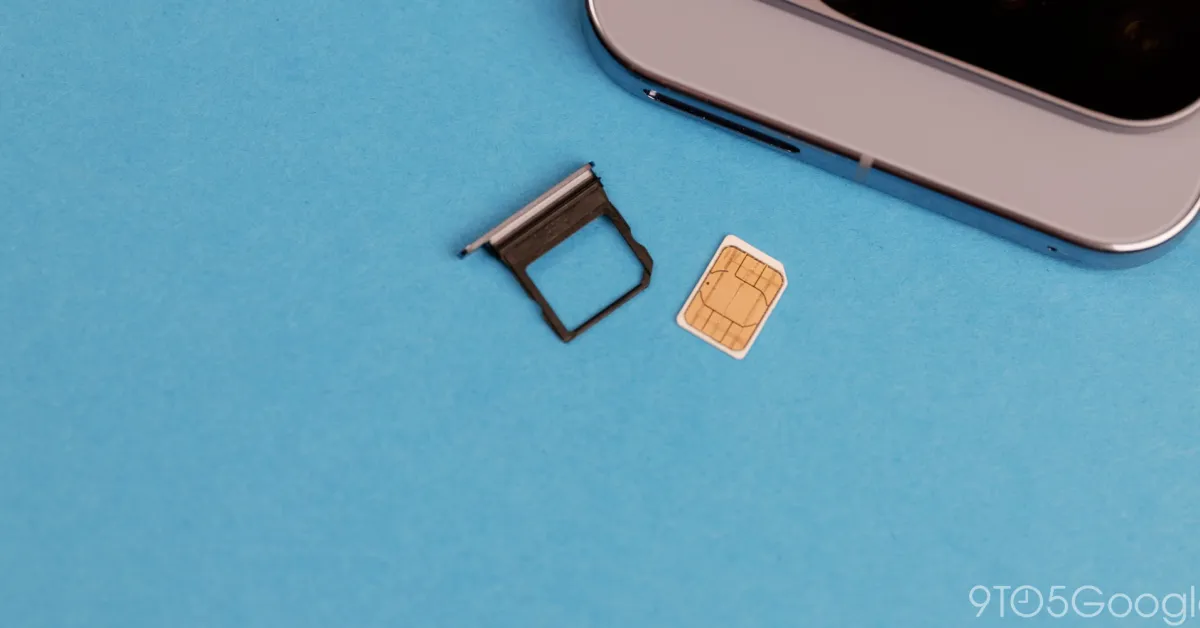
Apple has released a support document addressing a bug in iOS 26 that affects iMessage activation with phone numbers, especially when users have an inactive SIM with the same number. The fix involves removing the inactive SIM, either physical or eSIM, and reactivating iMessage through Settings.
Apple has delayed the launch and preorders of the iPhone Air in China due to regulatory issues surrounding eSIM support, which is not yet widely available in the country. The delay is likely because the iPhone Air is eSIM-only, and Chinese carriers are still in the process of obtaining regulatory approval for eSIM services. Apple is working with authorities to resolve the issue and bring the device to China soon.
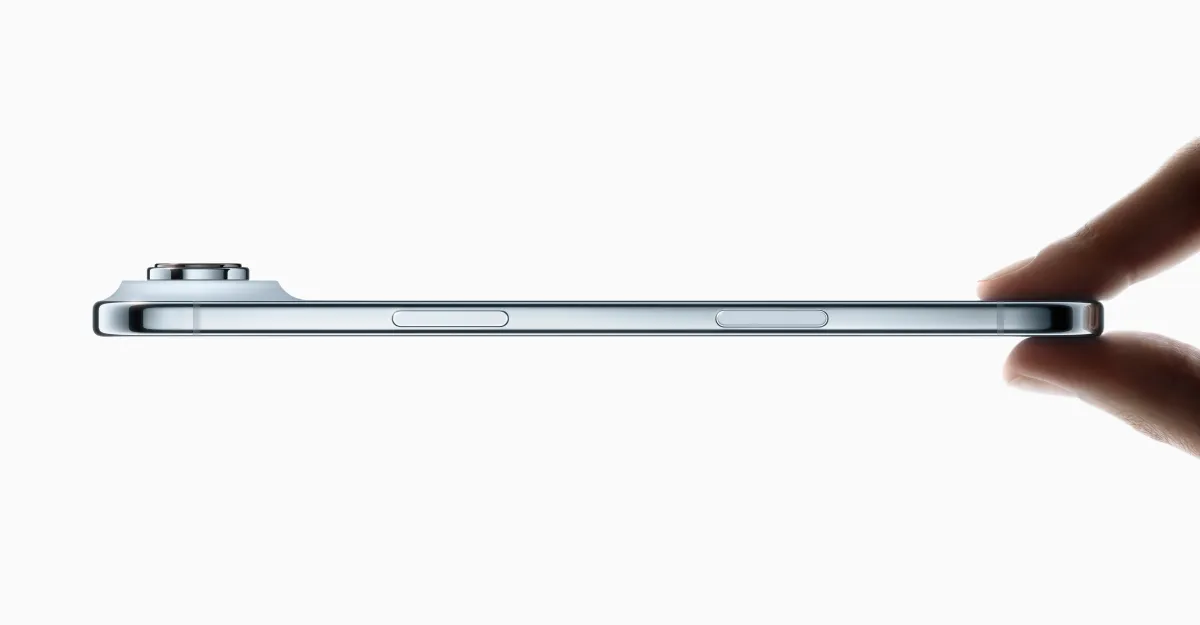
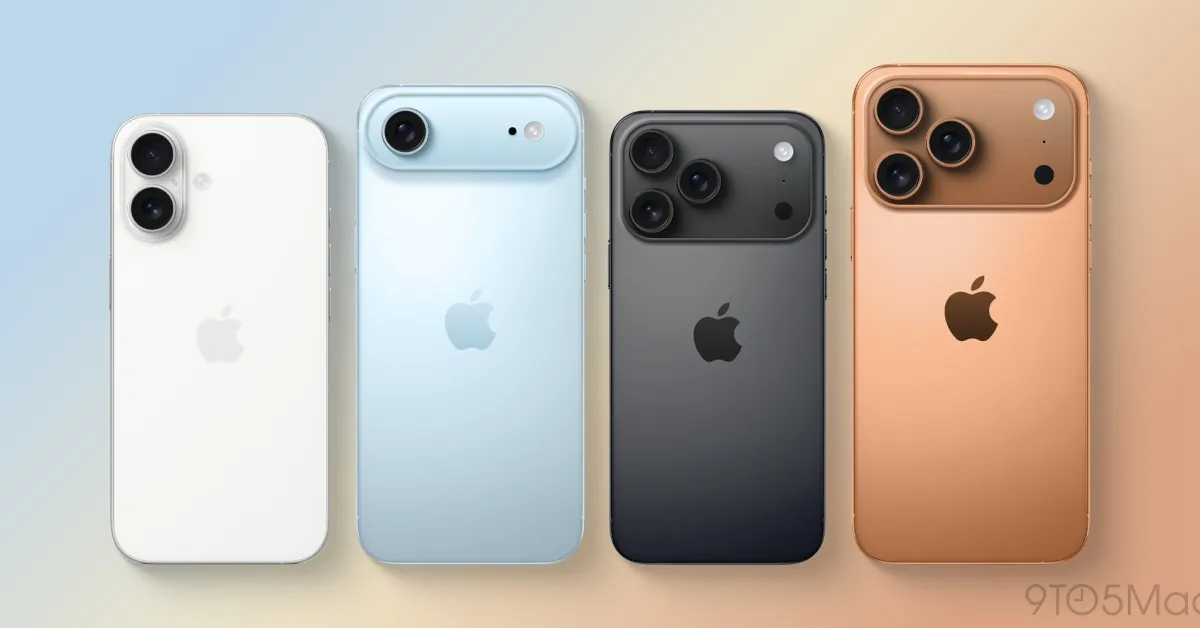
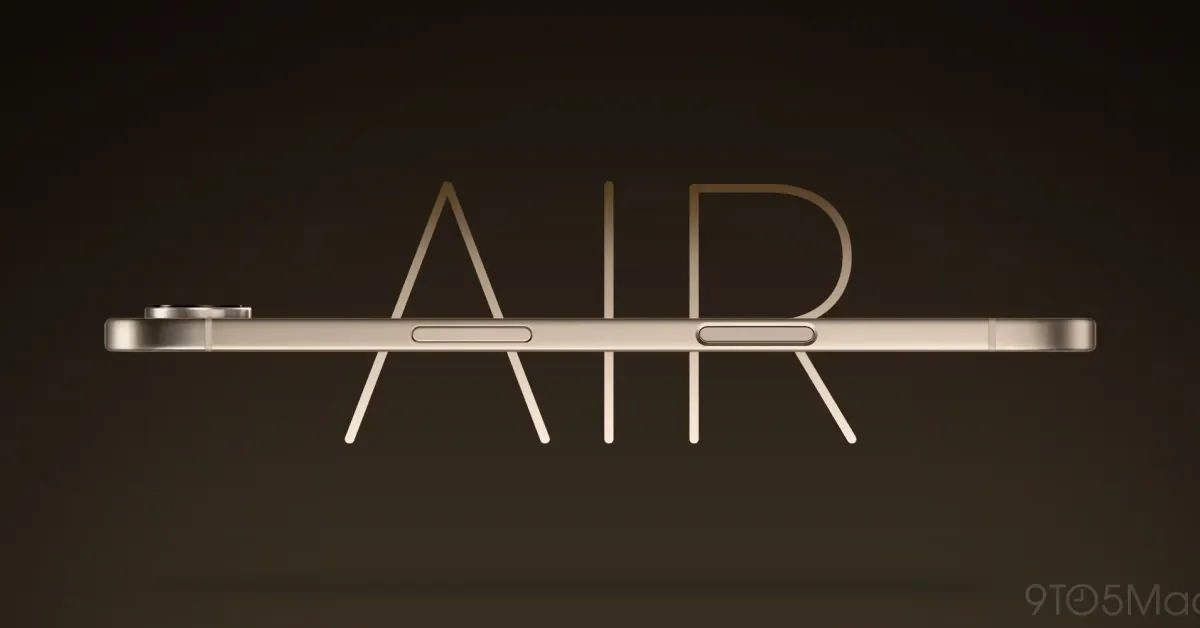
Apple has announced the iPhone Air, a super-thin (0.22 inches) and lightweight (5.8 ounces) model that features the A19 Pro chip, a single 48MP camera, and exclusively supports eSIM, eliminating the physical SIM slot. While its design is innovative, it sacrifices battery life and camera versatility compared to other iPhone 17 series models, raising questions about the balance between aesthetics and functionality.
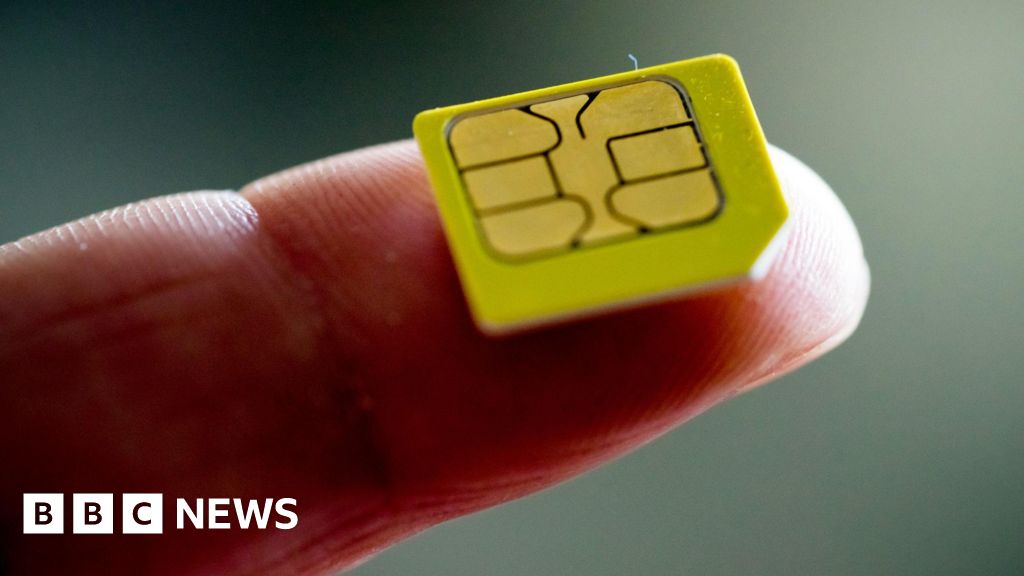
Apple's new iPhone Air is set to be the first eSim-only iPhone available globally, signaling a potential end to physical Sim cards, which could lead to changes in user behavior, device design, and environmental impact, although physical Sim slots will still be available in many markets for now.
The iPhone 17 lineup will feature significantly larger batteries, with the iPhone 17 Pro's capacity increasing by 18.7% to 4252 mAH and the Pro Max surpassing 5000 mAH, potentially offering 3-4 hours more battery life. The base model will see a modest 4% increase, while the iPhone 17 Air's capacity remains below 3150 mAH. These improvements are supported by more efficient A19 chips and unchanged display sizes, promising longer usage times.
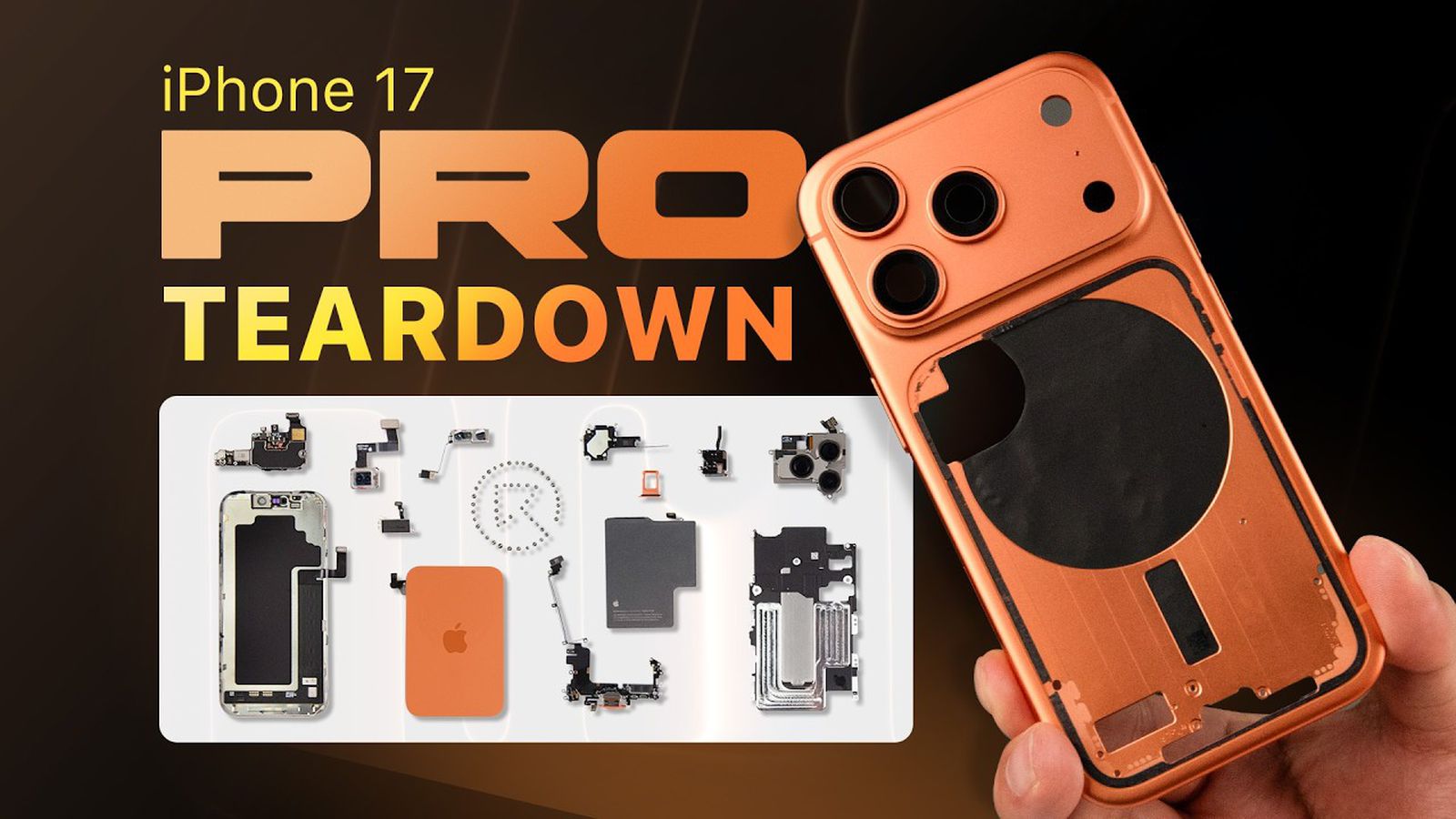
A leak from ShrimpApplePro reveals that the upcoming iPhone 17 models will have increased battery capacities, with eSIM-only versions gaining an additional 5-6% battery life due to the removal of the physical SIM tray, marking a significant advantage for eSIM users.
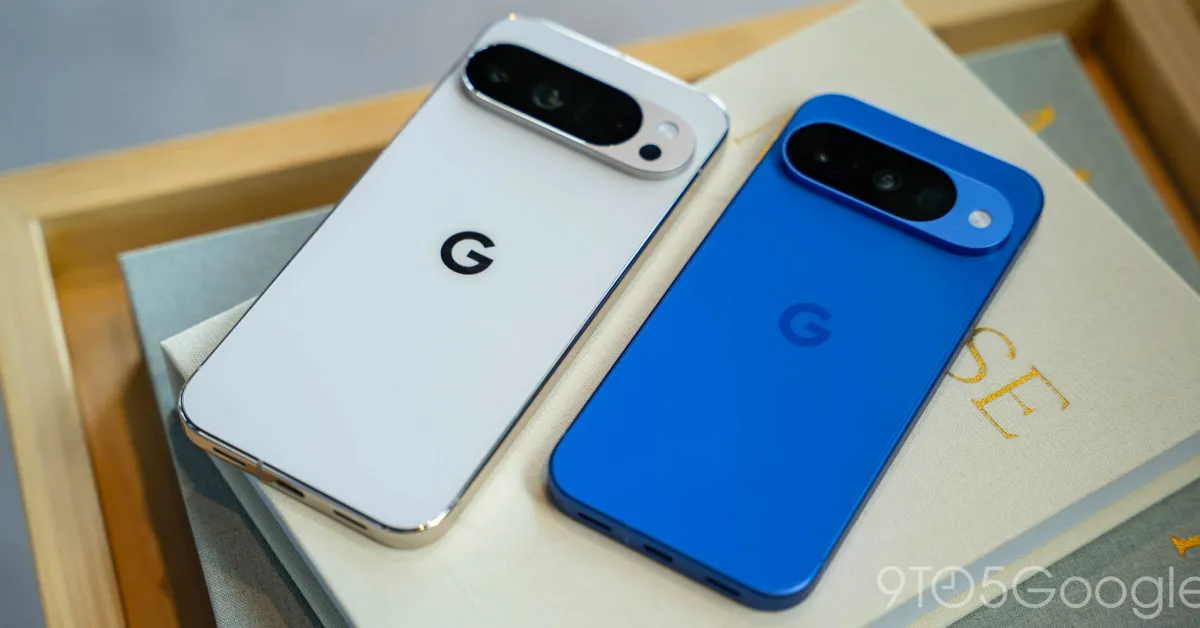
Some US-based Google Pixel 10 owners who request replacements receive global versions with physical SIM slots, despite US models typically only supporting eSIMs and lacking physical SIM support, especially for the Pixel 10 Pro XL. This appears to be an inconsistency in Google's replacement process, with the global models being shipped to certain users.
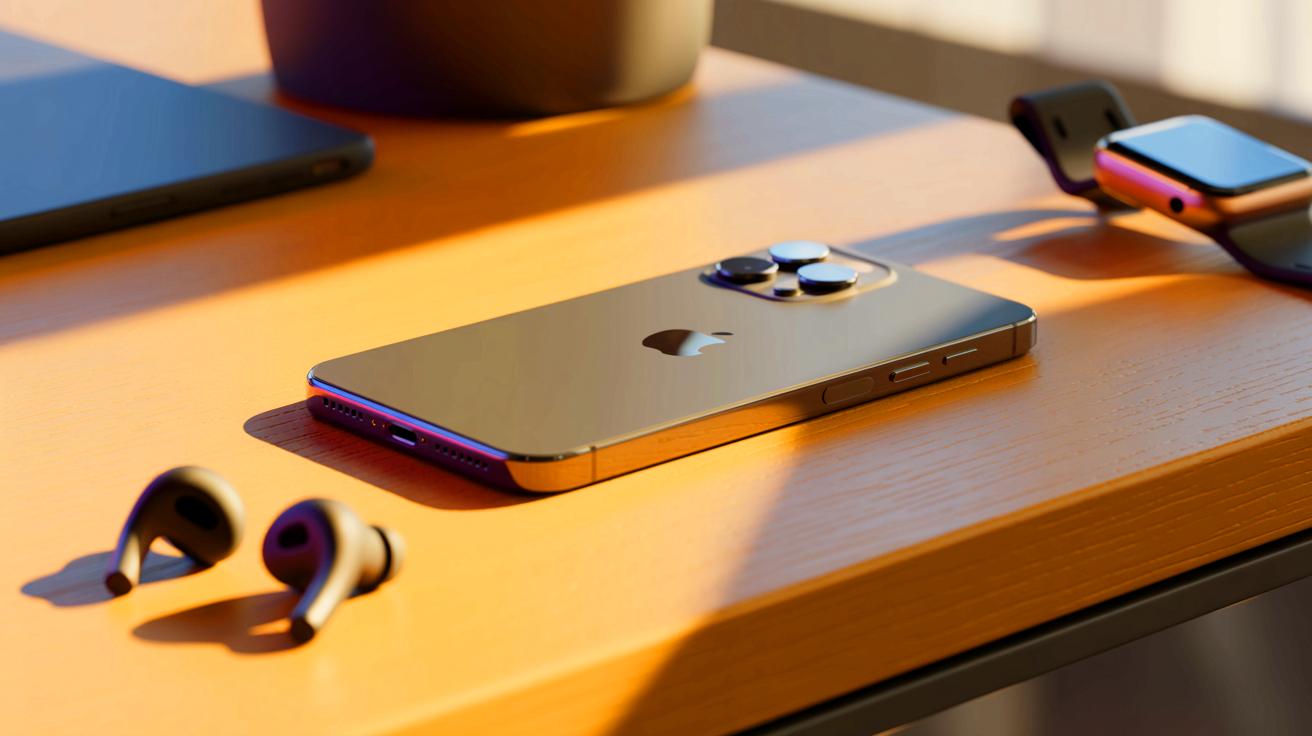
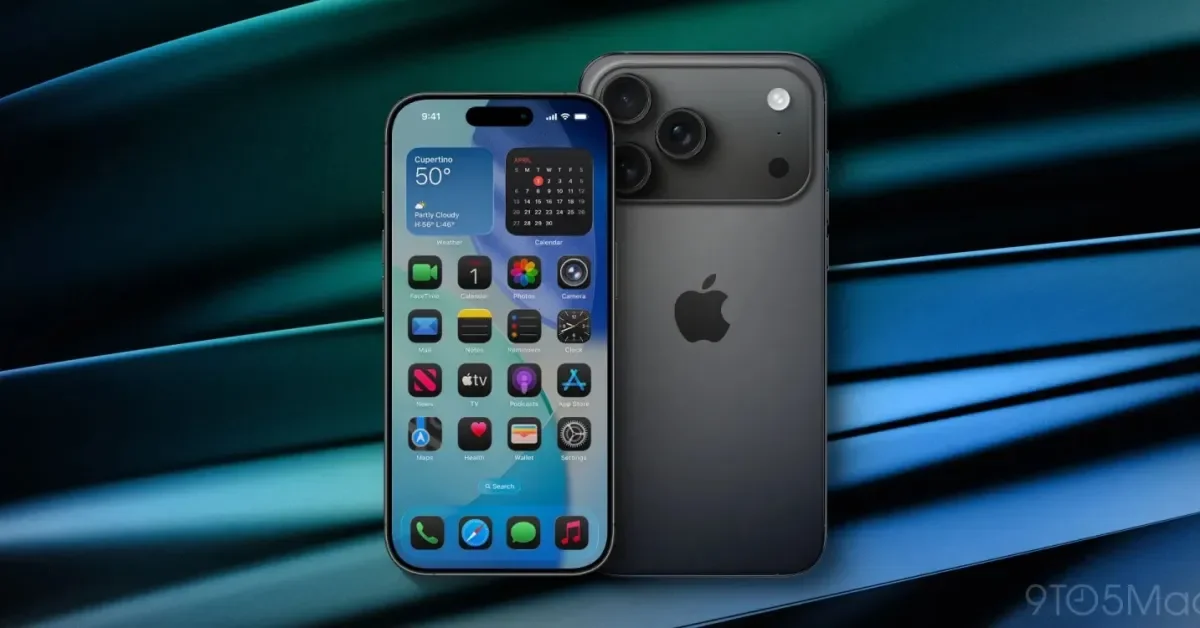
The upcoming iPhone 17 lineup, especially the iPhone 17 Air, is expected to adopt an eSIM-only design, removing physical SIM trays, which will likely expand to international markets after being limited to the US since the iPhone 14, with Apple preparing retail staff for the transition.
Apple is considering releasing iPhone 17 models in more countries without physical SIM card slots, potentially replacing them with eSIM technology, signaling a shift in mobile device design and connectivity options.
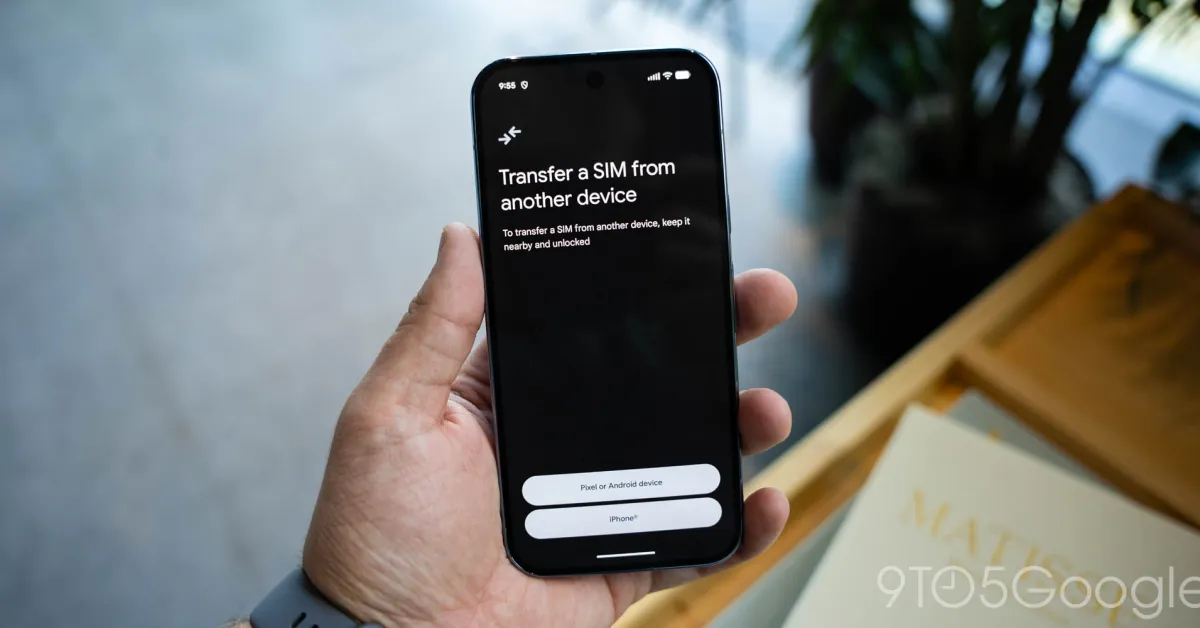
The article discusses the transition to eSIM-only setup in the Pixel 10 series, highlighting improved ease of use and carrier support, with personal experiences of smooth transfers on Google Fi and Verizon, though acknowledging some users may face challenges. Overall, Android's eSIM support has significantly advanced, making the switch more seamless for most users.
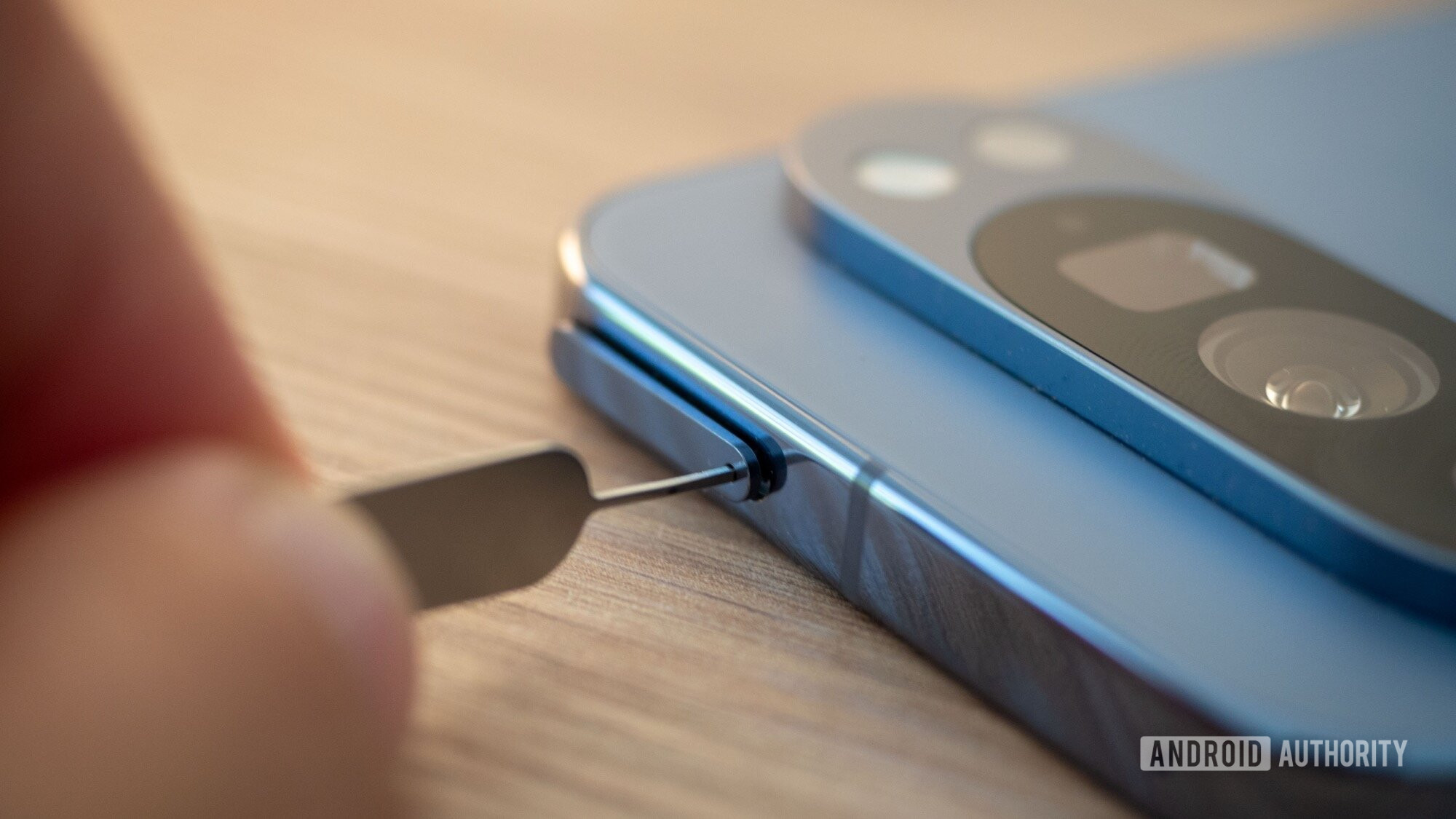
The Pixel 10 series restores the SIM slot to the top of the phone, away from microphone holes, fixing a common hardware annoyance from the Pixel 9 series and improving user experience, especially during SIM card swaps.
Google's Pixel 10 series in the US will no longer support physical SIM cards, relying solely on eSIM technology, while other regions retain physical SIM support. This move aligns with industry trends towards eSIM adoption, offering benefits like easier carrier switching and international travel options.