
Tag

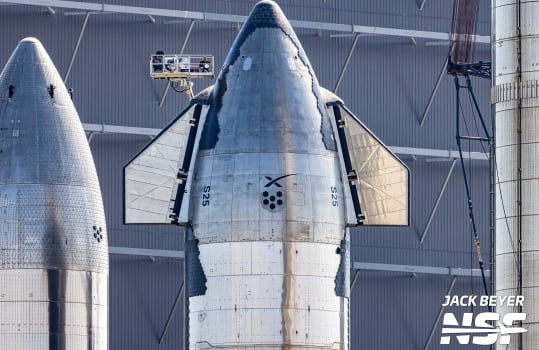
Ship 25

All articles tagged with #ship 25

space2 years ago

"NASASpaceFlight.com: Ship 25 Prepares for Full-Stack Starship Flight 2 Rollout"

SpaceX is preparing for its second Integrated Flight Test (IFT) of the Starship. Booster 9 completed its pre-flight testing and is awaiting the stacking of Ship 25 for the upcoming launch. The booster recently underwent a successful static fire test, with all 33 engines igniting. Ship 25 has been undergoing preparations, including the removal of crane lifting points and the addition of thermal protection system tiles. The regulatory approval for the second flight is still pending, with the FAA yet to finish its investigation report into the first flight. SpaceX has briefed mariner safety boards about a potential flight on September 8, but the timeline for regulatory clearance remains uncertain.
spaceflight2 years ago

SpaceX's Starship Prototype Begins Engine Testing Ahead of Launch Pad Work.

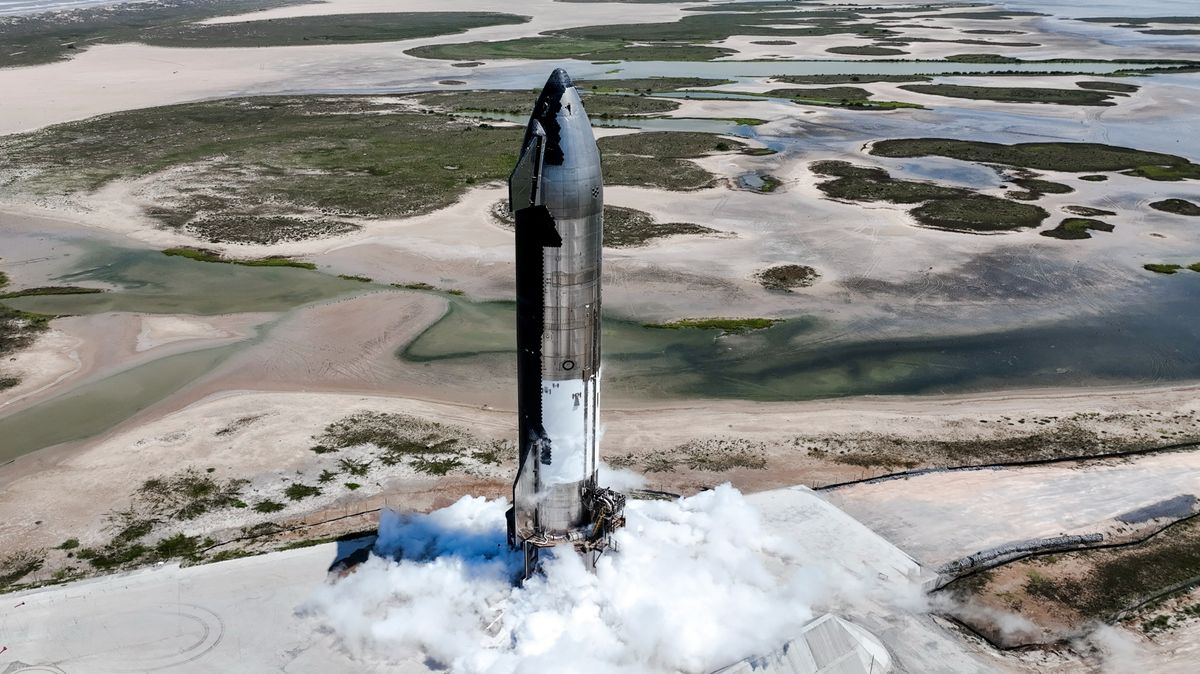
SpaceX has conducted an engine test with its Starship Ship 25 prototype at its Starbase site in South Texas, ahead of the upcoming static fire. The test checked out vital systems and cryogenic liquid oxygen formed a visible cloud beneath the ship. The upcoming second test flight, which will feature Ship 25 and a Super Heavy prototype called Booster 9, will have similar goals as the first one, and SpaceX plans to launch that next mission soon, provided Ship 25 and Booster 9 tick all their testing boxes and regulatory hurdles don't stand in the way.

space2 years ago

SpaceX's Starship: Push for Summer Replay and Major Update Expected in 2 Months.

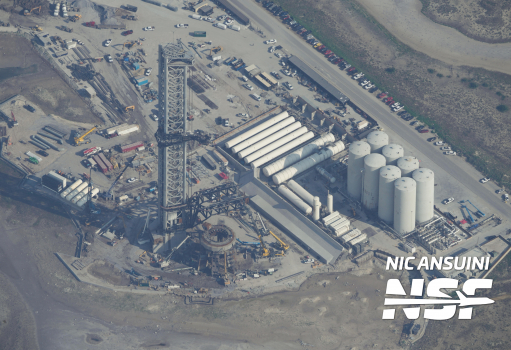
SpaceX is preparing for the next Starship test flight with the upgraded Booster 9 and Ship 25, which is currently awaiting a six-engine static fire test. The focus of the next test will be on first stage flight with the booster, and the reduction of pad flow is a theme for Starship, with the ambition of launching on a daily basis from the same pad in future years. SpaceX is also installing a water-cooled steel plate and deluge system under the orbital launch mount to avoid the flying concrete of the maiden launch.