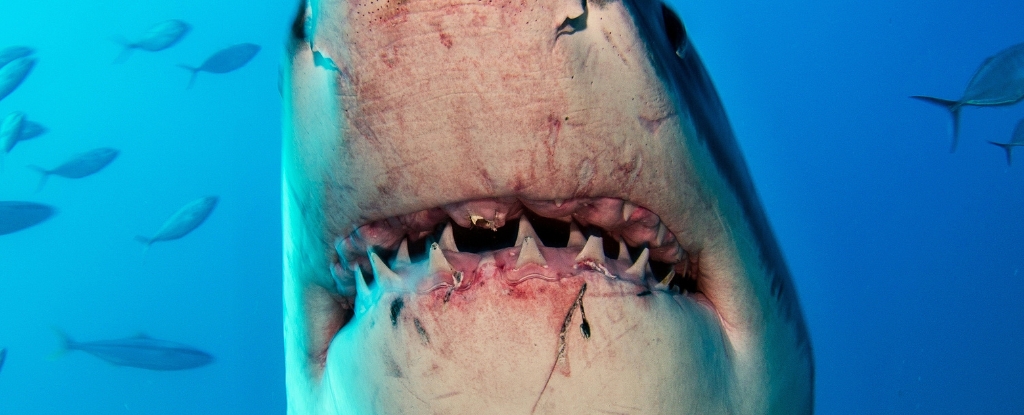
Research suggests that increasing ocean acidification due to climate change could weaken shark teeth by causing corrosion and structural damage, potentially impacting sharks' survival and feeding efficiency by the year 2300.
Recent research shows that ocean acidification caused by increased CO₂ levels is weakening shark teeth, which could disrupt predator-prey dynamics and impact marine ecosystems. The study highlights the importance of maintaining ocean pH levels to preserve shark hunting abilities and overall ocean health, emphasizing the broader ecological consequences of climate change.
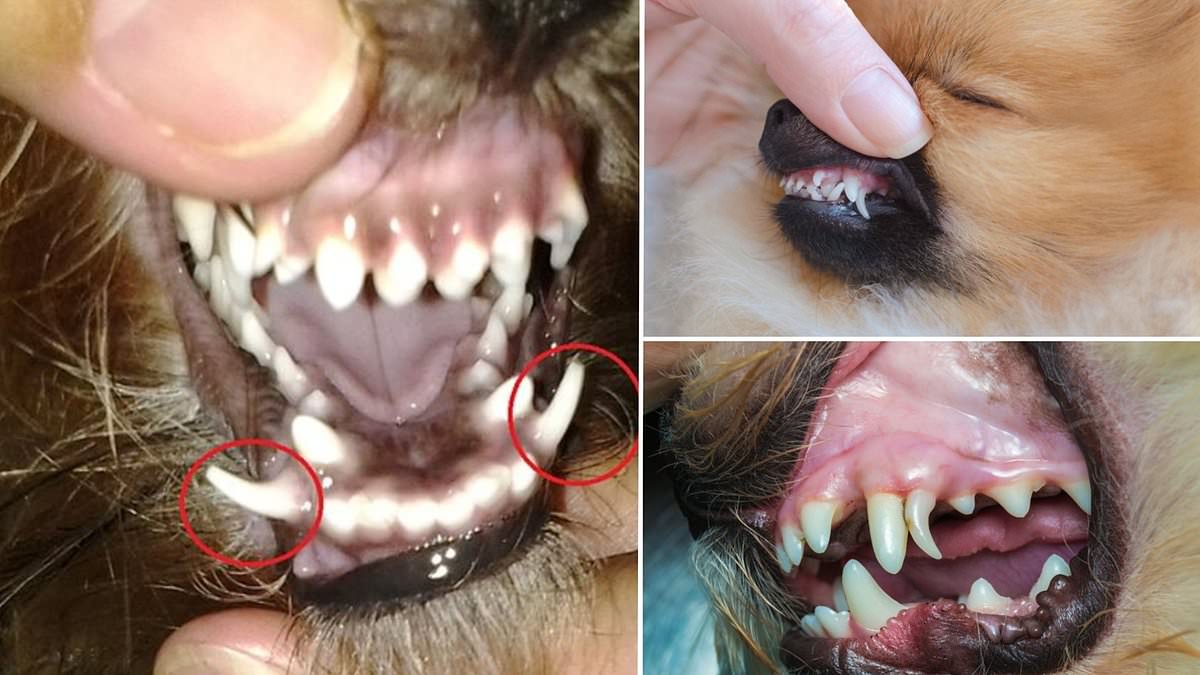
A new study reveals that seven percent of dogs suffer from 'shark teeth', a condition where two sets of teeth come out of the gums, leading to misaligned bite and an increased risk of gum infection. Yorkshire terriers have the highest prevalence of this condition, followed by toy poodles, Maltese, and chihuahuas. The study, based on 2.8 million dog medical records, suggests that smaller breeds are more prone to 'shark teeth', and regular veterinary checks are crucial for early identification and removal of persistent deciduous teeth to prevent associated problems. Additionally, dog owners are warned about toxic algae that can be fatal if ingested by dogs.
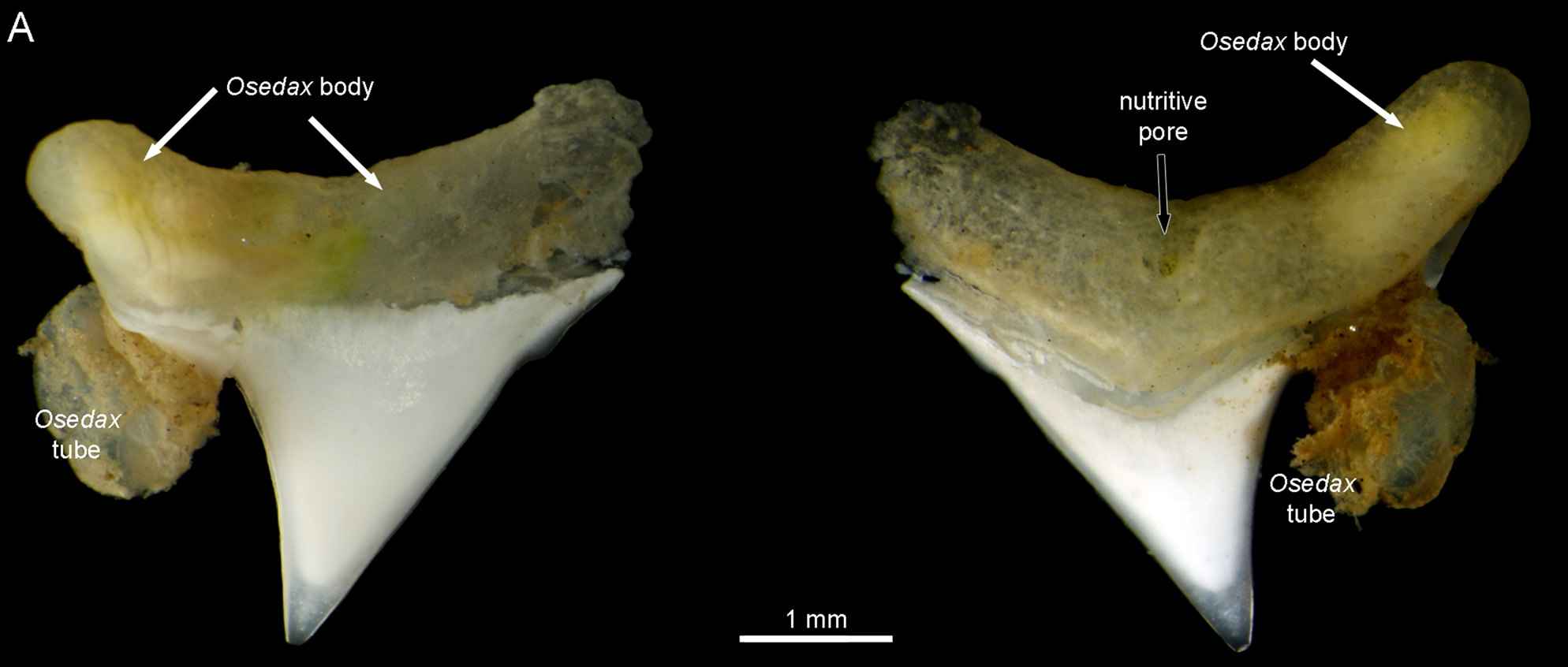
Osedax worms, also known as bone-eating worms, have been found to feed on shark teeth in addition to whale bones, fish bones, and cow bones. The discovery suggests that the worms are not specialized on whale falls and can adapt to different food sources. The ability to feed on dentin may be an ancestral preference for the worms, which are much older than whales. The findings also raise the possibility that shark teeth may have offered a way for Osedax to disperse across the world's oceans.