
Research Reveals Mpox's Curious Evolution and Global Resurgence Risks
Research shows mpox is evolving with new strains that spread more easily and may affect male fertility, raising concerns about potential future global outbreaks.

All articles tagged with #sexual transmission
Research shows mpox is evolving with new strains that spread more easily and may affect male fertility, raising concerns about potential future global outbreaks.

A recent study has identified additional pathogens in semen that are capable of being transmitted sexually, expanding the understanding of potential risks associated with sexual activity. This research highlights the importance of further investigation into sexually transmitted infections and their prevention.

A comprehensive analysis of numerous studies has identified 22 viruses that can persist in human semen, with nine of these viruses showing evidence of sexual transmission. While it has been known that viruses like HIV and herpes can remain in semen, recent findings indicate that viruses such as Ebola and Zika can also infect the male reproductive tract, potentially spreading long after the initial infection phase.
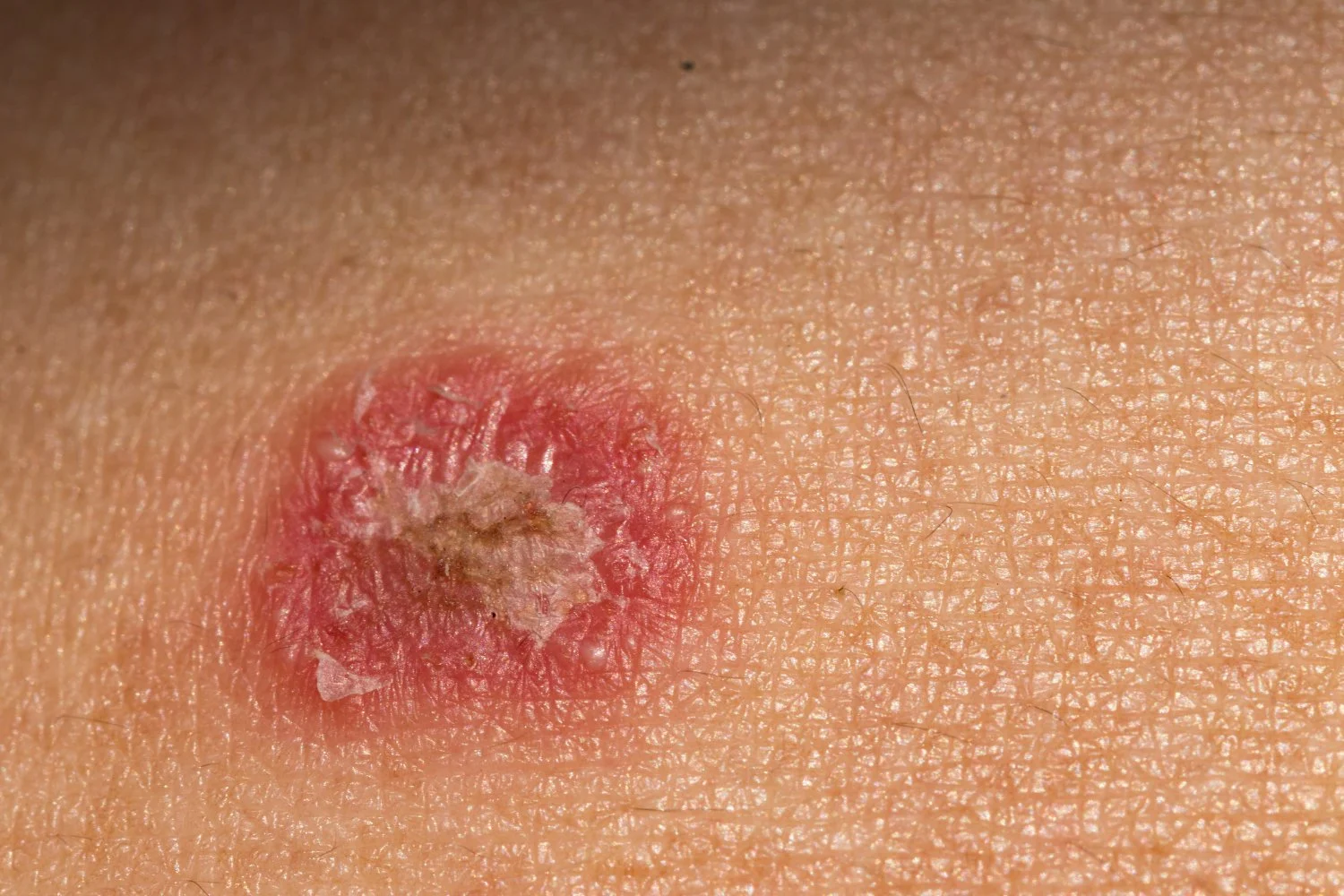
A sexually transmitted ringworm fungus, Trichophyton mentagrophytes ITS genotype VII (TMVII), is spreading in New York City, with five cases reported this year. This fungus, which primarily affects men who have sex with men, was previously found in Europe and Asia. All infected individuals have been treated successfully, though some required multiple antifungal treatments. Researchers urge healthcare providers to be vigilant for TMVII, as it can cause lesions on various body parts and may spread locally. Public health measures are recommended to monitor and prevent its spread.

Experts warn that cryptosporidium, a parasite typically spread through contaminated water and animal feces, can also be transmitted through sexual activity. Recent outbreaks in Devon have highlighted the risk, with 77 cases reported. Infected individuals can remain contagious for up to two weeks after symptoms disappear, and UK health officials have yet to issue specific advice on avoiding sexual transmission. The parasite is chlorine-resistant, posing additional risks in swimming pools.

The Republic of Congo has reported its first cases of mpox virus in several regions, indicating potential spread across Africa since sexual transmission was confirmed last year. The virus, originating in wild animals, was previously known as monkeypox and has been a focus of global concern due to an international outbreak in 2022. The World Health Organization has warned that sexual transmission could make the disease difficult to contain, and experts believe that the reported figures in Africa are likely an underestimate due to limited testing facilities and prejudice against LGBTQ+ communities.
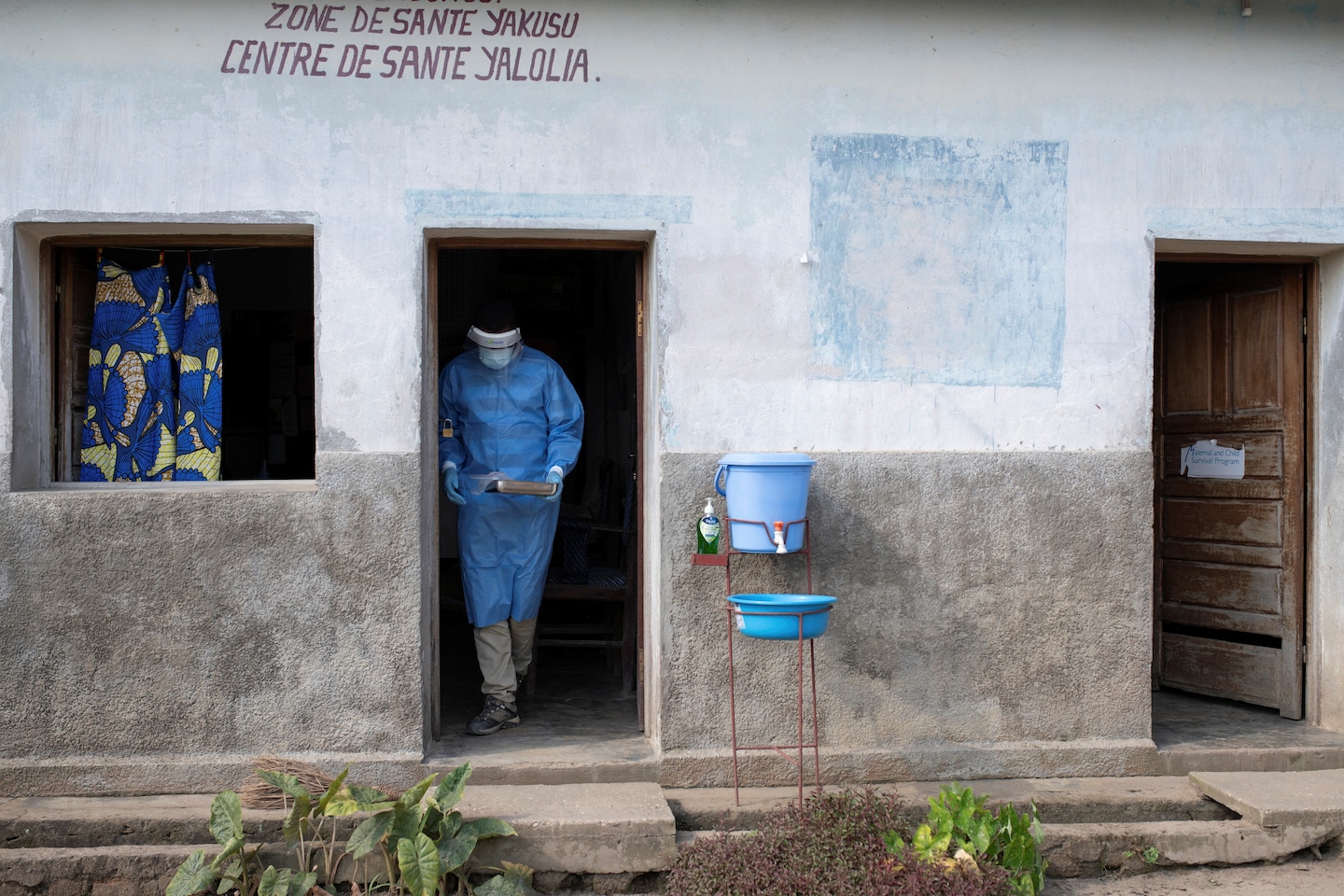
A surge of mpox in the Democratic Republic of Congo has raised concerns of another global outbreak, with scientists worried that the world will once again fail to recognize warnings from Africa. Sexual transmission of a more fatal version of the mpox virus has been identified for the first time in a region where mpox is endemic. The World Health Organization has warned that if the situation in Congo is not controlled, it poses a significant risk of international outbreaks with potentially more severe consequences than the one in 2022. The unfolding situation highlights long-standing tensions about how mpox is treated in African countries, renewing questions about health equity and the availability of vaccines.
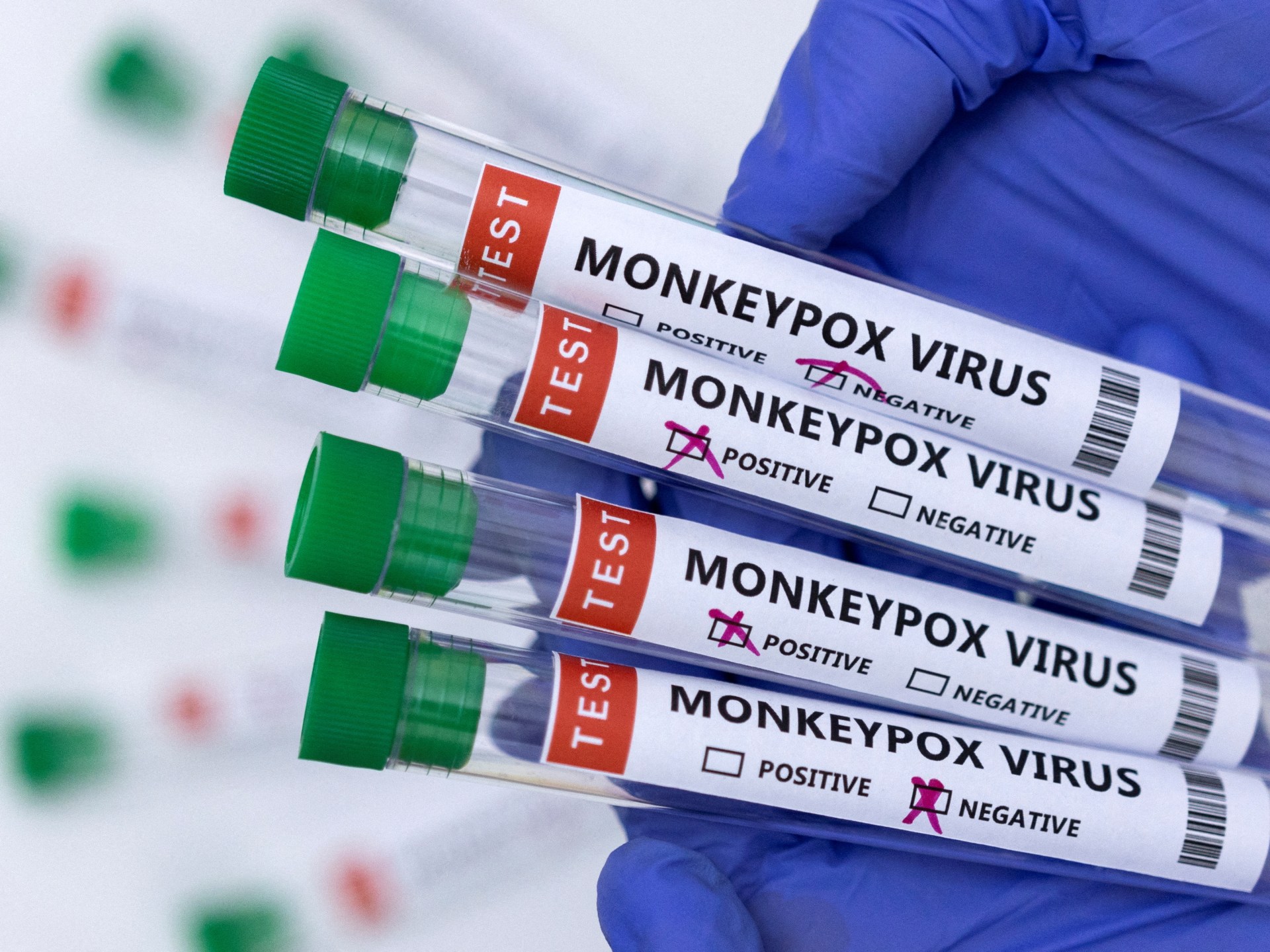
The World Health Organization (WHO) has confirmed the sexual transmission of monkeypox in the Democratic Republic of Congo (DRC) for the first time, amid the country's largest-ever outbreak. A resident of Belgium, who identified as a man having sexual relations with other men, tested positive for monkeypox after visiting underground clubs for gay and bisexual men in the DRC. Five of his sexual contacts also tested positive for the disease. This confirmation raises concerns about the disease spreading widely among sexual networks and highlights the lack of vaccines in Africa. The outbreak in the DRC has infected over 12,500 people and killed about 580, with the disease being identified in the capital city of Kinshasa and the conflict-ridden province of South Kivu for the first time. African scientists warn that the virus is likely spreading in other parts of Africa, but is being hidden due to anti-LGBTQ+ laws and limited disease surveillance. The WHO emphasizes the significant risk of monkeypox spreading to other countries and calls for increased attention and action to address the outbreak.
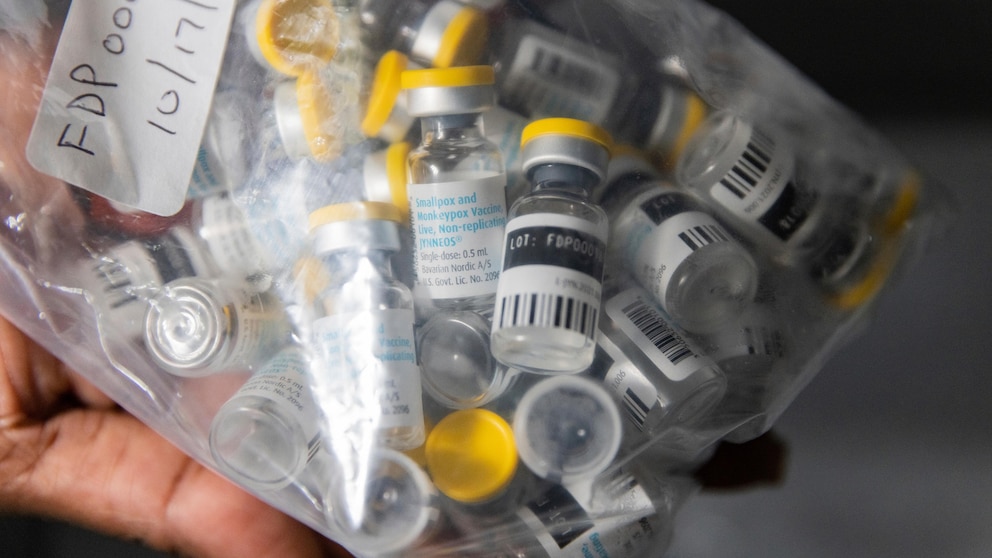
The World Health Organization (WHO) has confirmed the sexual transmission of monkeypox (mpox) in Congo for the first time, as the country faces its largest outbreak. A resident of Belgium, who identified as a man having sexual relations with other men, tested positive for mpox after visiting Congo. Five of his sexual contacts also tested positive. This marks the first definitive proof of sexual transmission of mpox in Africa. The outbreak in Congo has infected over 12,500 people and killed about 580, making it the country's biggest-ever outbreak. WHO warns that the disease could spread widely among sexual networks and calls for increased attention and immunization efforts in Africa.
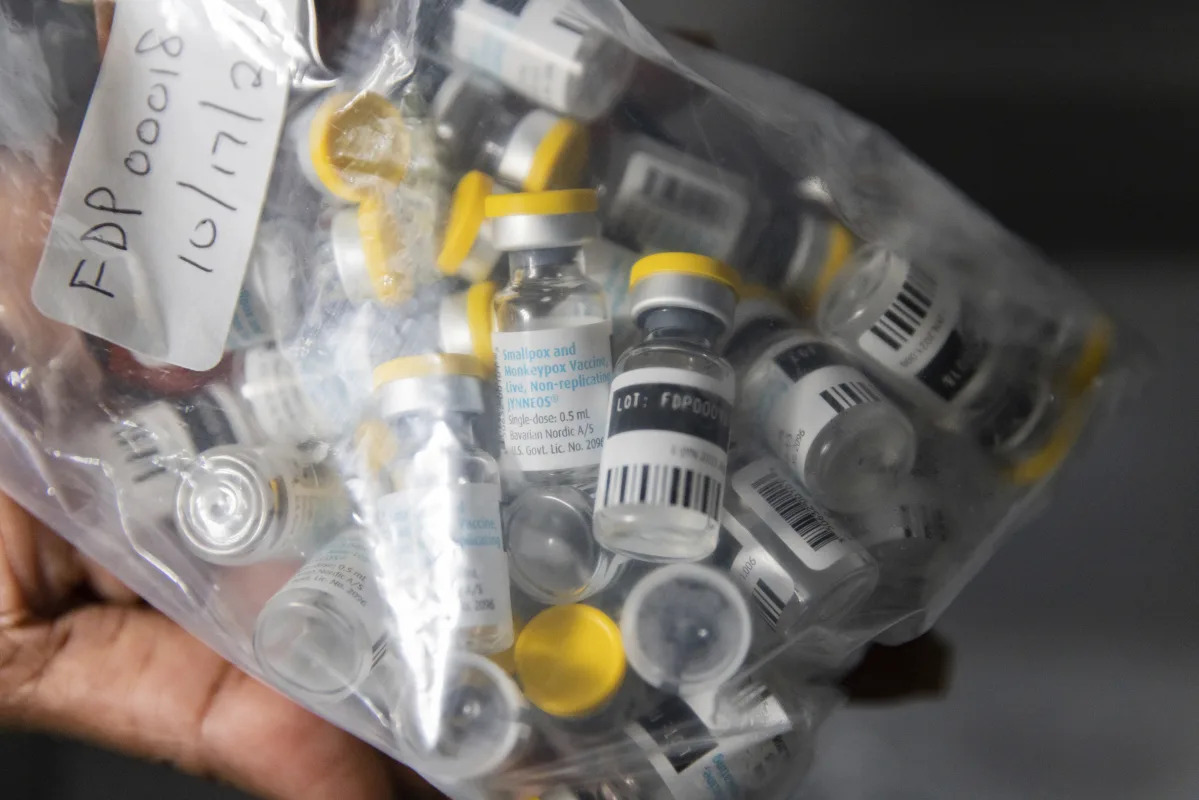
The World Health Organization (WHO) has confirmed the sexual transmission of monkeypox (mpox) in Congo for the first time, as the country faces its largest outbreak. A resident of Belgium, who identified as a man having sexual relations with other men, tested positive for mpox after traveling to Congo. Five of his sexual contacts also tested positive. This marks the first definitive proof of sexual transmission of mpox in Africa. The outbreak in Congo has infected over 12,500 people and killed about 580, making it the country's biggest-ever outbreak. WHO warns of the risk of mpox spreading widely among sexual networks and highlights the need for increased awareness and response.
The Democratic Republic of the Congo is experiencing a significant increase in mpox (monkeypox) cases, with 12,569 suspected cases reported in 2023, the highest ever recorded. The outbreak has expanded to new provinces, including Kinshasa, and has seen the first documented cases of sexual transmission of clade I MPXV, primarily among men who have sex with men. The spread of mpox has been driven by transmission via sexual contact, and the virus has also been detected in other countries outside of Africa. The situation raises concerns about the rapid expansion of the outbreak and the potential for further spread, highlighting the need for enhanced surveillance, testing, and public health measures.

Throat cancer, specifically oropharyngeal cancer, has seen a rapid increase in the West over the past two decades, largely due to the human papillomavirus (HPV) transmitted through sexual activity, particularly oral sex. Behavioral studies show a high prevalence of oral sex in some countries. While most people are able to clear HPV infections, a small number are unable to, leading to the virus replicating and integrating into the host's DNA, potentially causing cancer. HPV vaccination, primarily targeting girls, has been effective in preventing cervical cancer and may also help prevent HPV infection in the mouth. However, low vaccine coverage and vaccine hesitancy pose challenges. Some countries have extended HPV vaccination recommendations to include boys.