Canada Post is ending door-to-door delivery and cutting services amid financial struggles, leading to a strike by postal workers protesting job cuts and service reductions, as the government seeks to modernize and reduce costs in response to declining mail volumes and financial losses.
Spirit Airlines is discontinuing service to 11 cities, including several with flights to and from Las Vegas, as part of a strategy to focus on its strongest markets and reduce debt following recent bankruptcy protection filing.
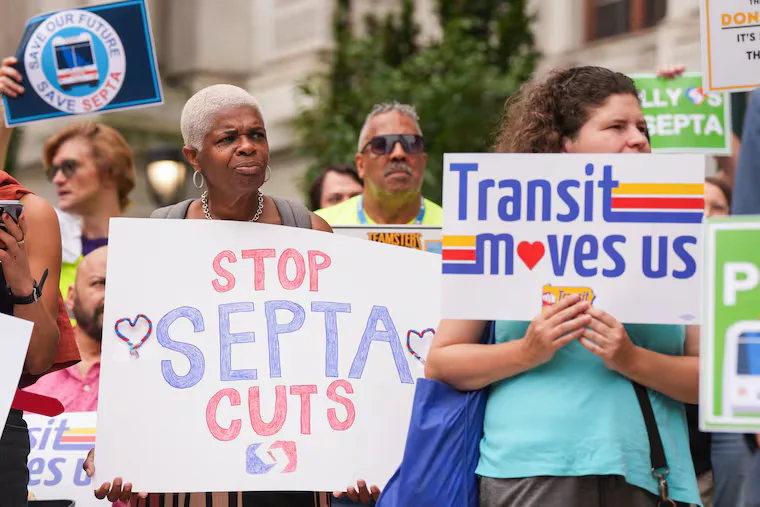
A Philadelphia judge has temporarily halted SEPTA's planned service cuts and fare increase, pending a further hearing on September 4, following a lawsuit claiming the cuts unfairly impact low-income communities and alleging the financial crisis is fabricated.
Philadelphia lawyer George Bochetto has been hired to sue SEPTA to stop planned service cuts, arguing they disproportionately impact disadvantaged communities and are unnecessary given SEPTA's reserve funds. The lawsuit aims to challenge the legality of the cuts and seek an injunction, amid ongoing funding disputes in Harrisburg.
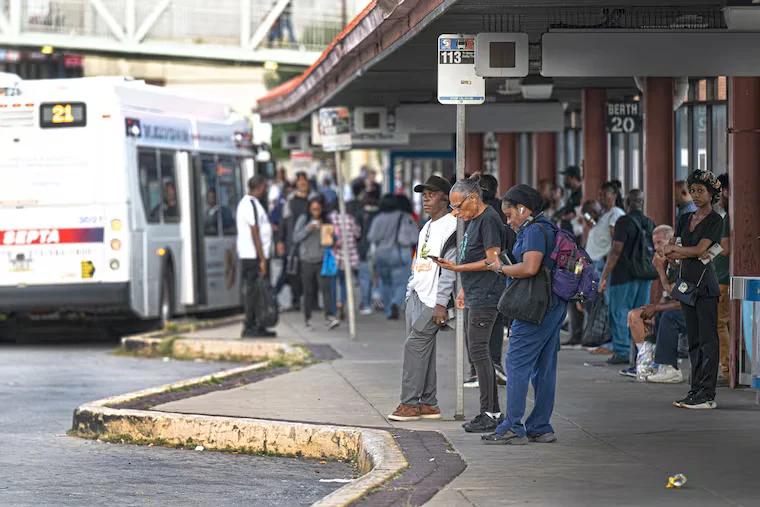
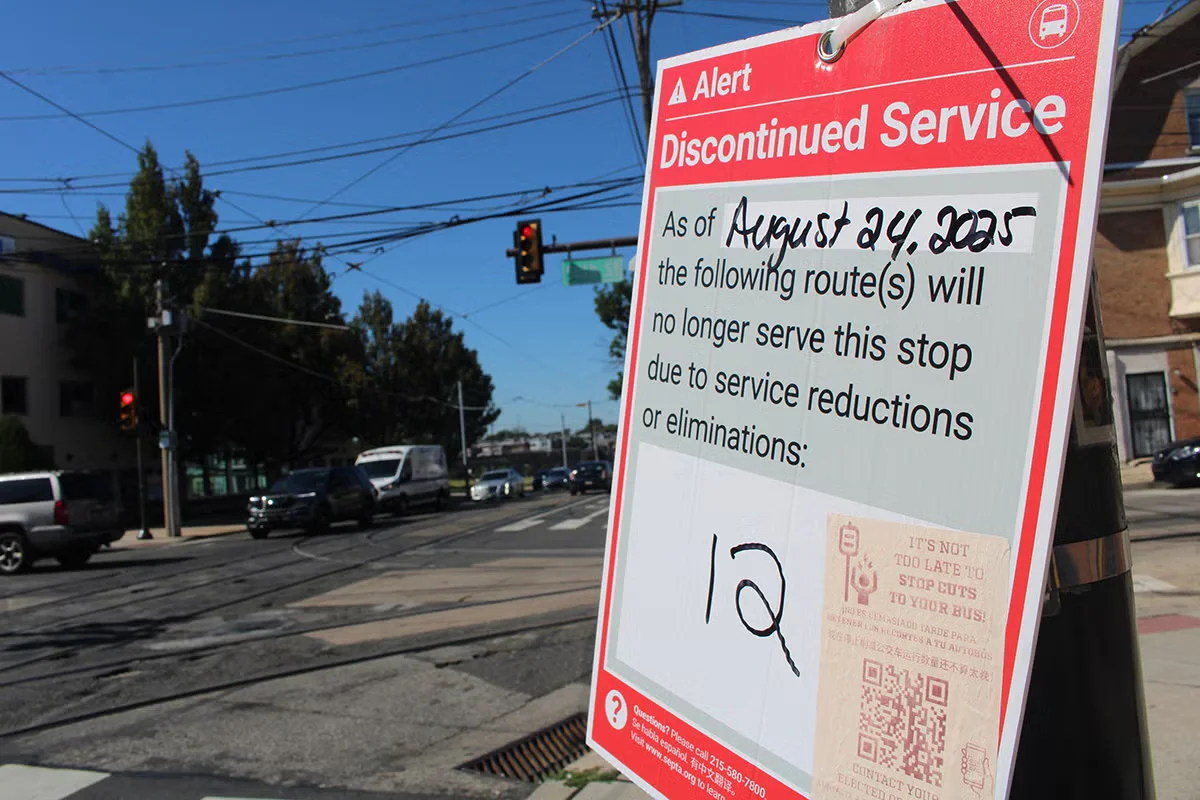
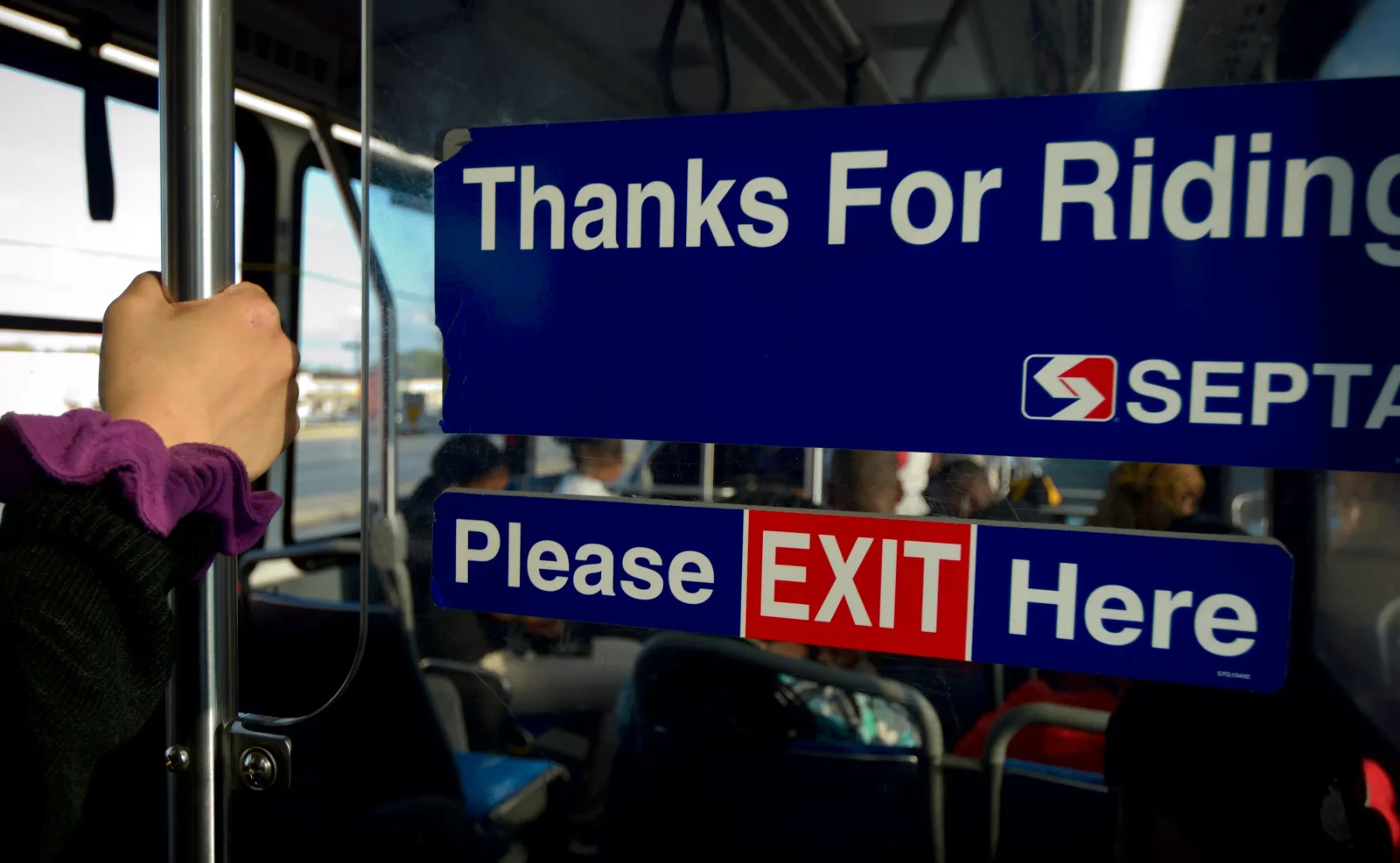
SEPTA has eliminated 32 bus routes, including the No. 12, causing significant inconvenience for riders who rely on public transportation, with concerns about increased travel times, physical and financial burdens, especially affecting seniors, students, and those without cars.
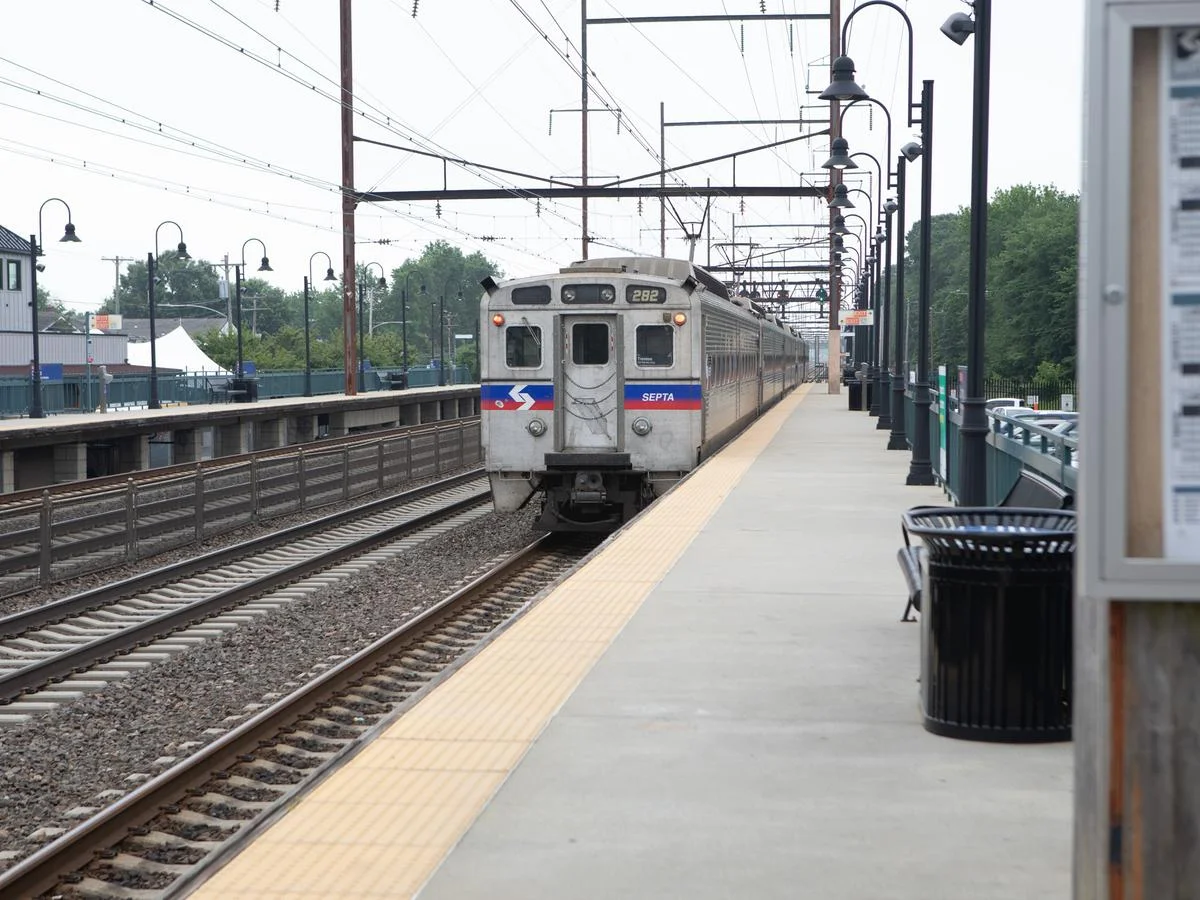
SEPTA faces a severe budget crisis with potential service cuts, fare hikes, and route eliminations due to a $213 million deficit, which could significantly impact transportation in Philadelphia and surrounding areas, highlighting broader issues of public transit funding and political disagreements.
With only four days before SEPTA's service cuts due to a funding impasse in Pennsylvania's legislature, hopes for a quick resolution are dwindling as Democrats and Republicans remain at odds over how to fund mass transit, leaving the cuts and fare hikes likely to proceed unless a last-minute deal is reached or an emergency executive action is taken.
Democrats in Pennsylvania are pushing a bill to increase transit funding amid looming service cuts for SEPTA, with a deadline of August 14. The bill proposes raising sales tax revenue and issuing bonds, but faces opposition over accountability and funding sources. The broader state budget negotiations are stalled, risking further transit service reductions across the state.
Metro's revised budget proposal for the upcoming fiscal year no longer includes major service cuts but does propose a 12.5% fare increase, affecting all riders except those enrolled in a low-income fare program. The proposal also includes smaller cuts to service and relies on large funding increases from D.C., Maryland, and Virginia. The budget is contingent on a combined $480 million in proposed funding becoming a reality and must be approved by the Metro board of directors. Virginia Governor Glenn Youngkin is reviewing the proposal and emphasizes the importance of finding a solution to improve WMATA's financial sustainability and performance.
Metro General Manager Randy Clarke warned that if a $750 million budget gap is not closed by the first half of 2024, Metro may have to cut 10 stations, eliminate 67 bus lines, reduce train frequency, increase fares and parking fees by 20%, freeze salary and wage increases, and lay off 2,286 employees. The budget shortfall is due to problems with dedicated funding, ridership, and inflation. Metro is urging jurisdictional partners to find a sustainable funding source to avoid these drastic service and job cuts.
Metro's proposed budget for the next fiscal year includes massive layoffs, service cuts, and fare increases. Due to a $750 million deficit caused by lower usage during the pandemic, COVID-19 credits, and inflation, Metro General Manager Randy Clarke stated that drastic measures are necessary. The budget would increase fares by 20%, close 10 Metro stations with low ridership, reduce train frequency, eliminate bus routes, and limit access to Metro Access for people with disabilities. The plan also includes laying off almost 2,300 full-time employees, resulting in reduced police presence, longer response times, and maintenance issues. To avoid these cuts, Maryland, Virginia, and D.C. would need to provide additional funding totaling $663 million.
Metro is facing a projected $750 million budget gap, and the transit agency is warning of potential layoffs, a hiring freeze, and devastating service cuts if the gap is not closed. The combination of the coronavirus pandemic, record inflation, and a decline in ridership has severely impacted Metro's finances. The agency may have to issue notices to employees about potential layoffs and staff reductions, and tough choices will have to be made unless there is an increase in funding from local jurisdictions. Metro leaders are urging for a long-term, sustainable funding solution to avert a fiscal crisis.
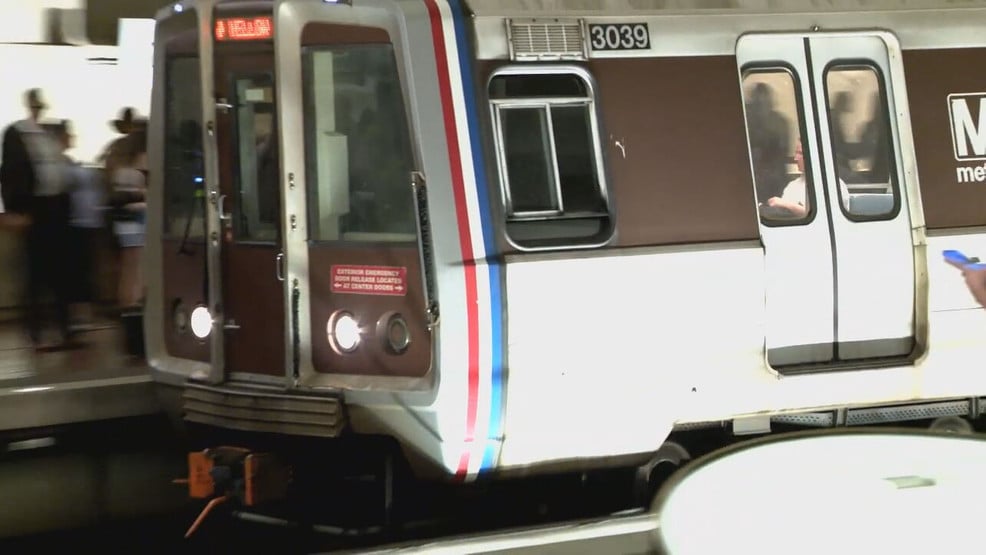
Metro is facing a $750 million budget gap in its operating budget due to inflation and the impact of the pandemic on ridership. Without new funding, the transit agency may have to make devastating service cuts, including longer wait times for trains and a system that closes at 9:30 every night, as well as slashing thousands of positions. Metro is the only major transit system without a dedicated source of funding and is in talks with local governors and D.C.'s mayor to find a solution.