
A study from the University of Rochester reveals that blinking not only keeps our eyes moist but also aids in processing visual information by providing the brain with information about the overall big picture of a visual scene. When we blink, the movement of the eyelid alters light patterns, creating a different kind of visual signal for the brain. This finding reinforces the idea that our vision is a combination of sensory input and motor activity, and adds to the growing body of evidence showing that the visual system is sensitive to temporal changes and uses them to represent spatial information.
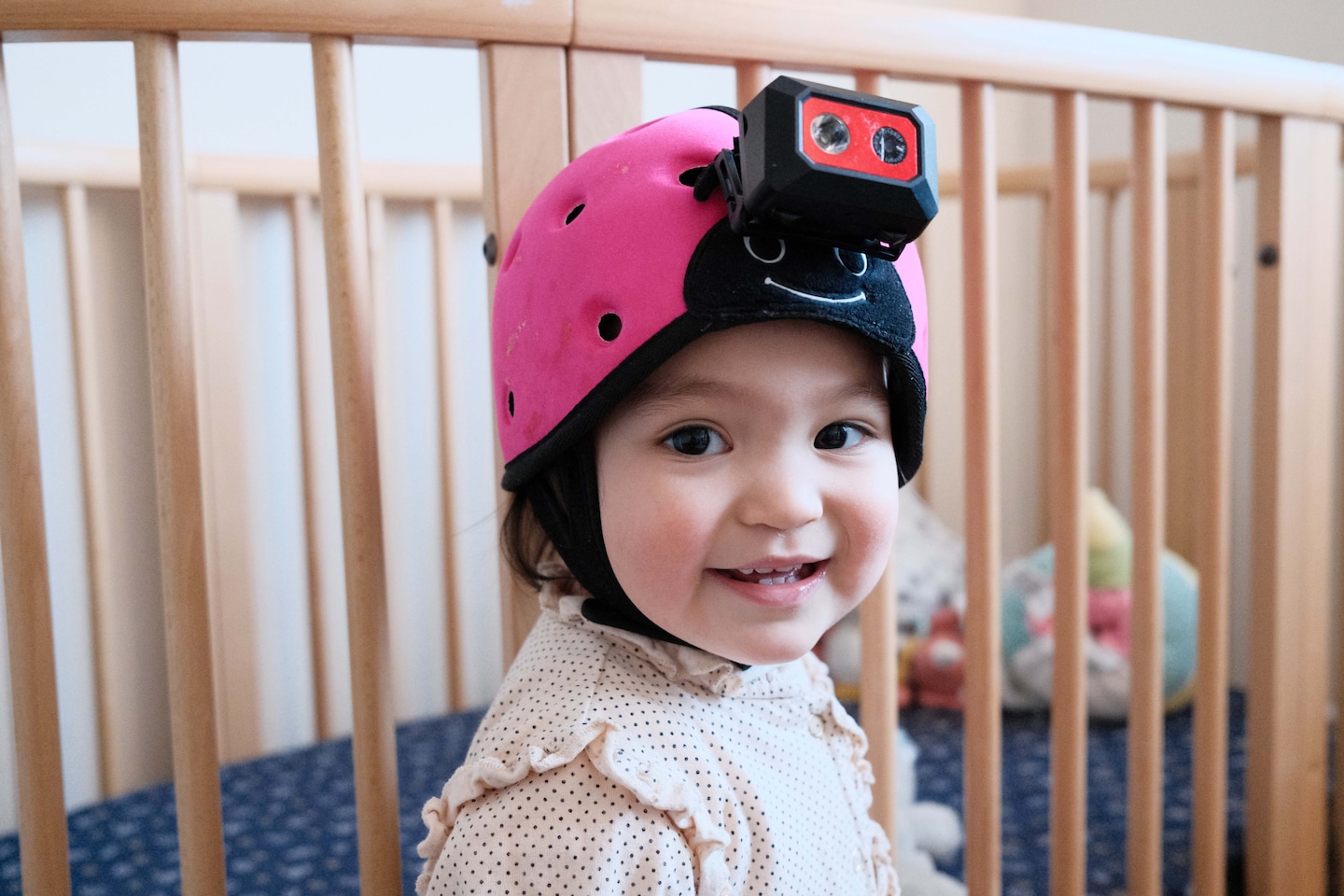
Scientists have used a baby's experiences captured through a headcam to train an AI program to understand language acquisition. The AI, given a fraction of the child's experiences, learned to match words with images, demonstrating that language learning can occur from sensory input. This research is part of a larger effort to develop AI that mimics a baby's learning process and could lead to more intuitive AI teaching methods. However, the AI's abilities still fall short of a child's language learning, and further research is needed to understand how children actually learn language.
Sundowning refers to the increased confusion and altered behaviors that people with dementia often experience in the late afternoon and evening. This can be attributed to the fading light, which reduces sensory input and makes it harder for the brain to interpret the environment. Additionally, cognitive exhaustion plays a role, as individuals with dementia exert more mental effort throughout the day due to the loss of cognitive reserve. To manage sundowning, it is important to ensure well-lit environments, consider short naps to alleviate cognitive fatigue, and address any unmet needs or underlying causes contributing to the behaviors.
Sundowning refers to the tendency for people with dementia to become more confused and exhibit altered behaviors in the late afternoon and evening. This can be attributed to the fading light, which reduces sensory input and makes it harder for individuals with dementia to interpret their environment. Additionally, cognitive exhaustion plays a role, as people with dementia exert more mental effort throughout the day due to the loss of cognitive reserve. To manage sundowning, it is important to ensure well-lit environments, consider short naps to alleviate cognitive fatigue, and address other potential causes such as unmet needs or stimulants. Understanding the root causes is crucial for effective management.