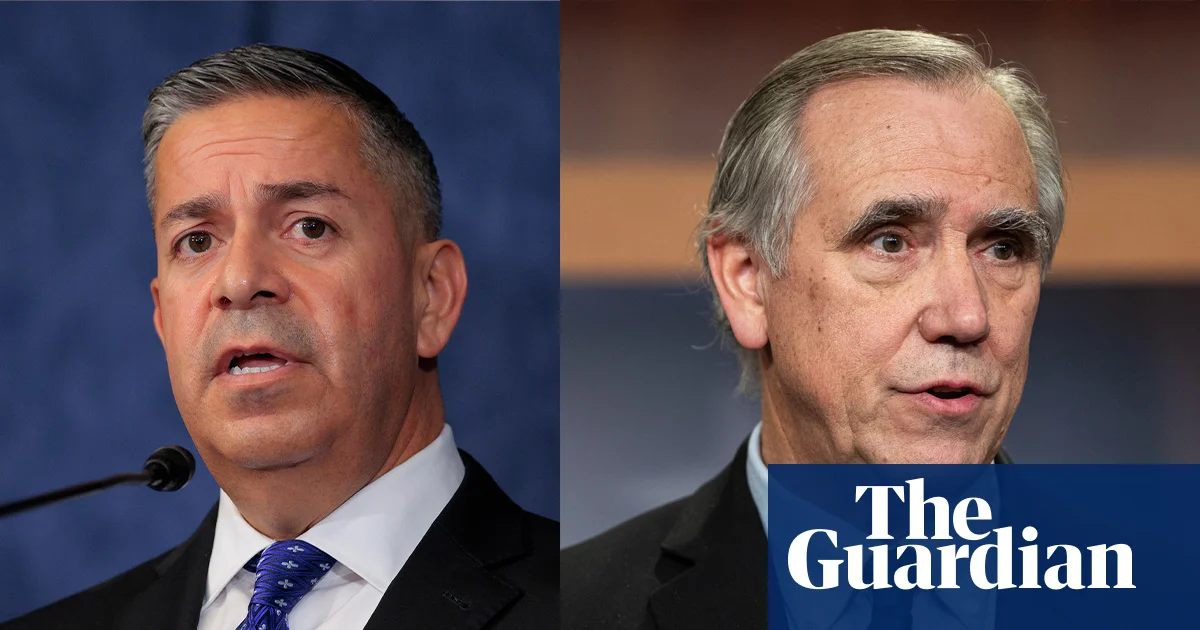
Two Democratic senators plan to block Senate nominations until the Trump administration provides a briefing on the Epstein files, citing lack of transparency and failure to comply with the Epstein Files Transparency Act, which mandates the release of related investigation documents by December 19.

The Senate confirmed over 100 Trump administration nominees following rule changes, amidst ongoing government shutdown negotiations and political tensions, including debates over funding, investigations, and legislative priorities.
Congress returns from recess facing a potential government shutdown, disputes over nominations and foreign aid, debates on Russia sanctions, investigations into Biden's mental fitness, and ongoing issues related to Jeffrey Epstein, with partisan tensions and legislative battles expected to dominate the fall agenda.
Democrats negotiated with GOP for billions in government funding in exchange for confirming several Trump administration nominees, but the deal fell through after President Trump withdrew support, leaving many nominees awaiting confirmation and highlighting ongoing political tensions.
Wiley Nickel ended his brief campaign for North Carolina's Senate seat, endorsing Roy Cooper, who is seen as the Democratic favorite to flip the seat from red to blue, while other political developments include investigations into judicial nominee Emil Bove and a backlog of Senate confirmations.
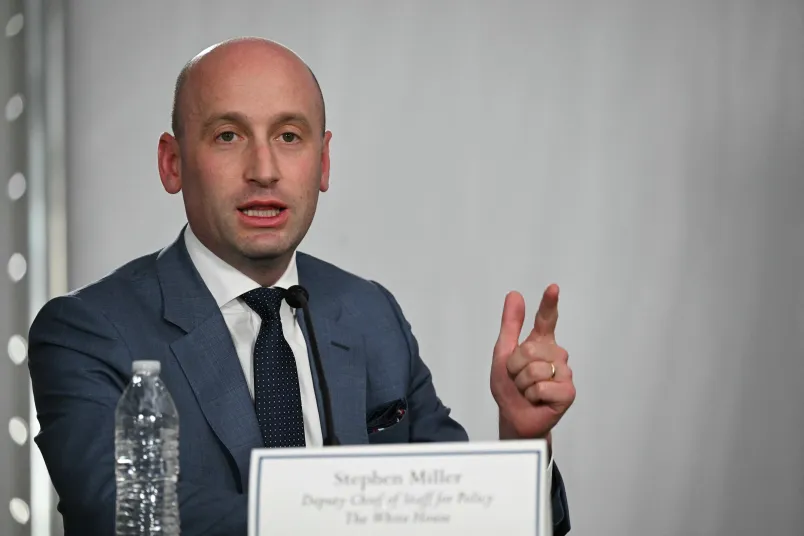
The article discusses various political and legal issues, including the rarity and nuances of third country deportations, procedural challenges in Senate nominations, limited effectiveness of bar complaints against lawyers, influence of Stephen Miller in the White House, and the impact of Medicaid funding cuts on families with disabled children, emphasizing the importance of ongoing political engagement and institutional preservation.