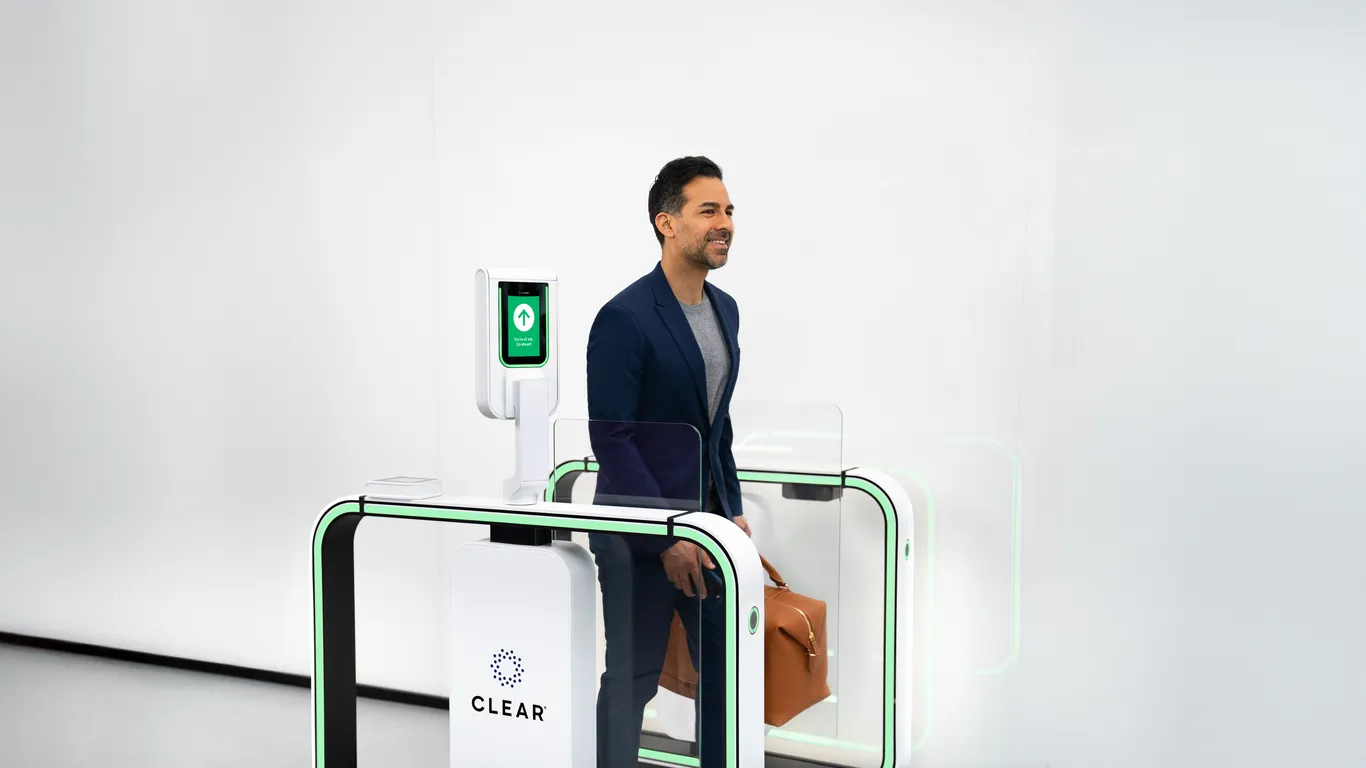
CLEAR and TSA are testing biometric eGates at three major U.S. airports as a pilot program, aiming for a nationwide rollout before the 2026 World Cup to enhance security and streamline passenger processing, with CLEAR funding the initiative and only CLEAR+ members able to opt-in.
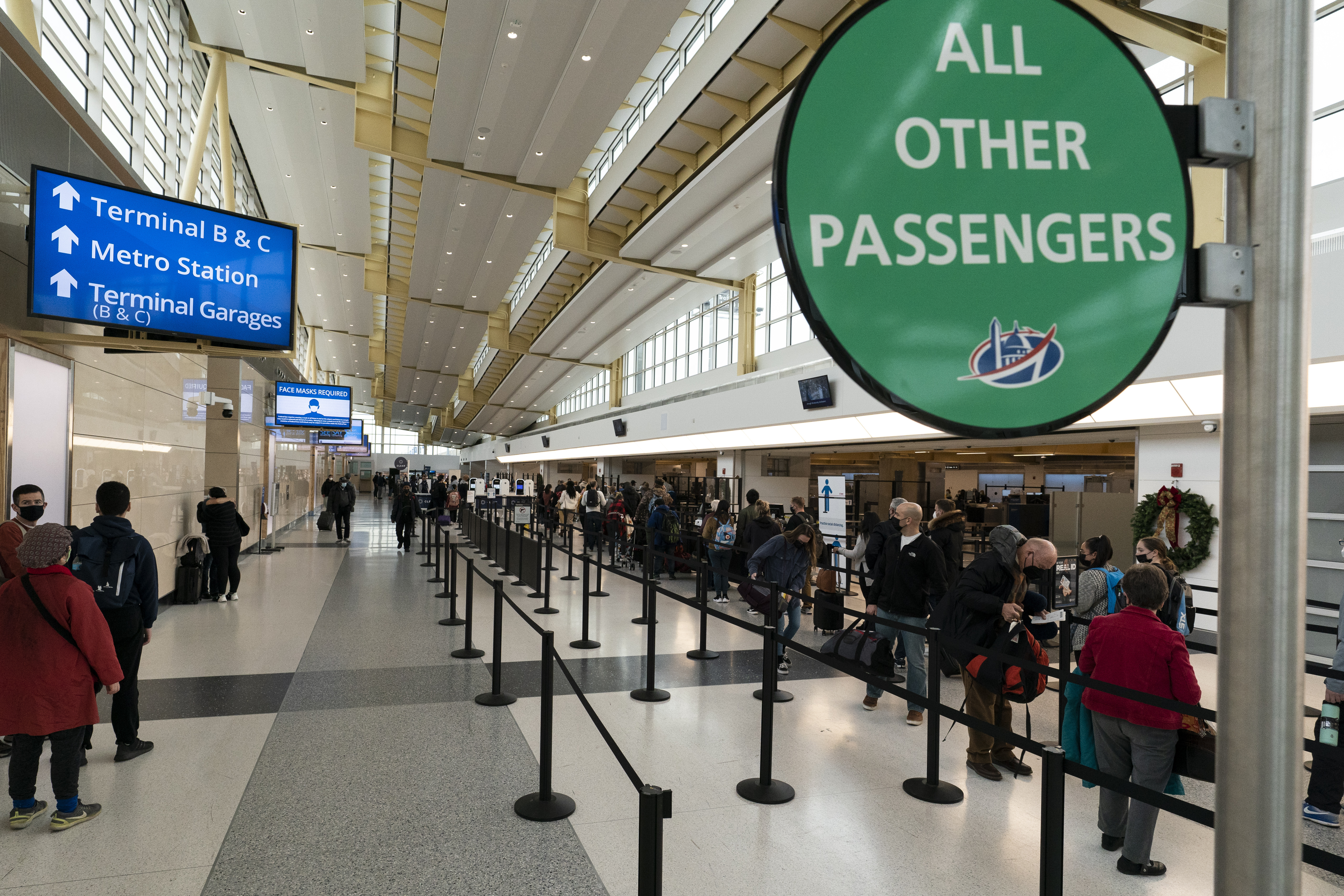
CLEAR, a service that allows passengers to bypass airport security checkpoints, is facing scrutiny from lawmakers after two security incidents were revealed. In both cases, CLEAR employees escorted passengers through TSA security checkpoints without proper ID or enrollment in CLEAR's identity-vetting service. Lawmakers are calling for changes in TSA's handling of CLEAR passengers and have criticized the company's "lax security controls." CLEAR has fired the employees responsible for the lapses and their managers, and has implemented retraining for all employees. Lawmakers are now demanding that all CLEAR passengers present their IDs to a TSA agent, potentially impacting CLEAR's business model.
The U.S. Transportation Security Administration (TSA) will soon require Clear users to show a valid form of identification, rolling back the current biometric verification process. Previously, Clear users could skip the regular TSA security process by confirming their identity through biometrics at a kiosk. However, TSA will now require all passengers, including Clear users, to provide a government ID to approach the security screening area. This change is reportedly due to a security incident involving a Clear user last year. Clear expects to implement new industry-wide digital identity standards in the future to avoid the need for passengers to show their IDs.
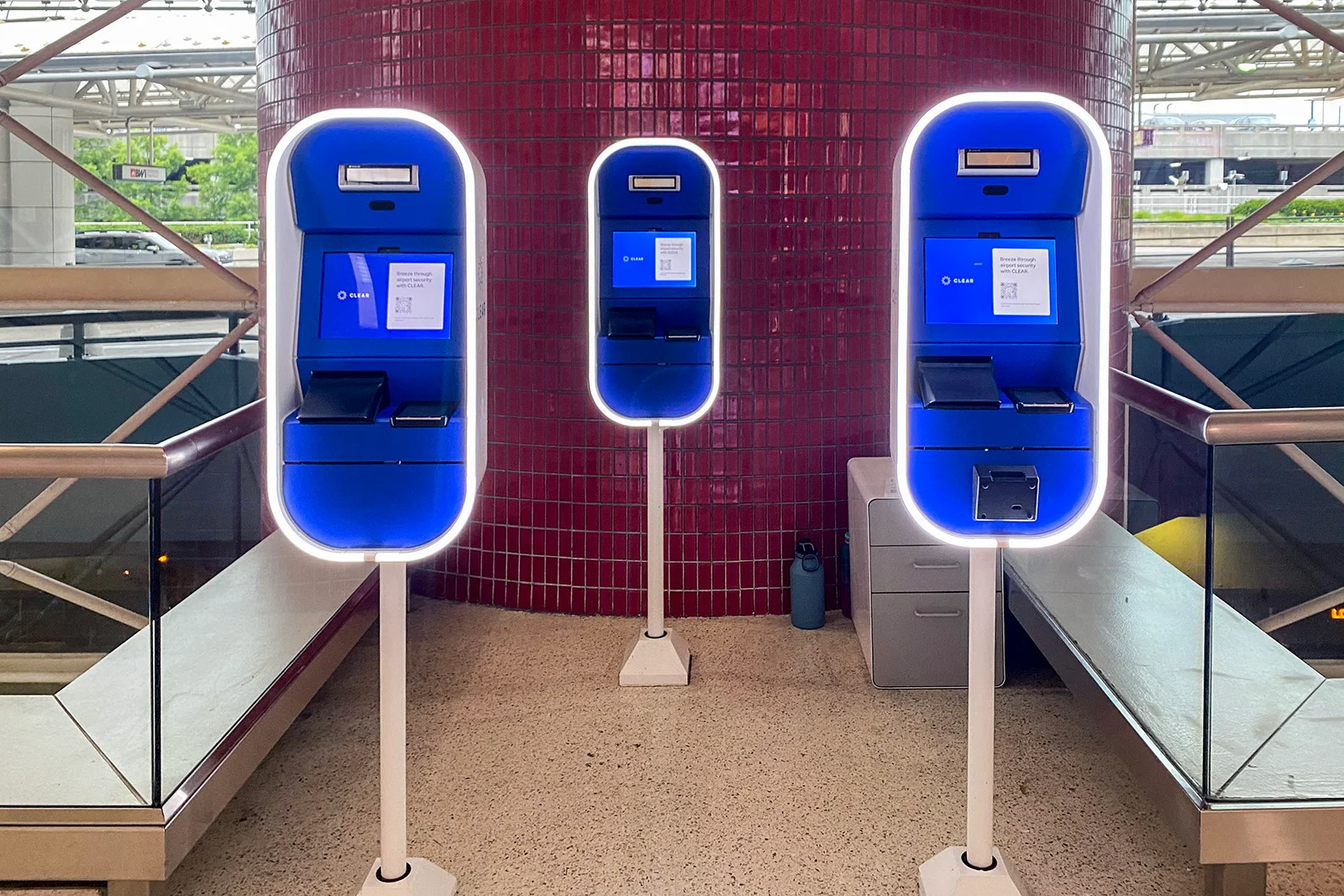
Alaska Airlines Mileage Plan members can now enroll in Clear, an expedited security program, for a discounted rate of $179 annually, which includes bonus miles. Clear has also partnered with Delta and United to offer discounted rates for their frequent flyer members. Credit cards such as American Express Green Card and Platinum Card also cover Clear application fees. Clear automates the identity verification step for travelers in the TSA screening process, allowing members to go through a separate security lane with dedicated kiosks and skip the traditional security screening machines.
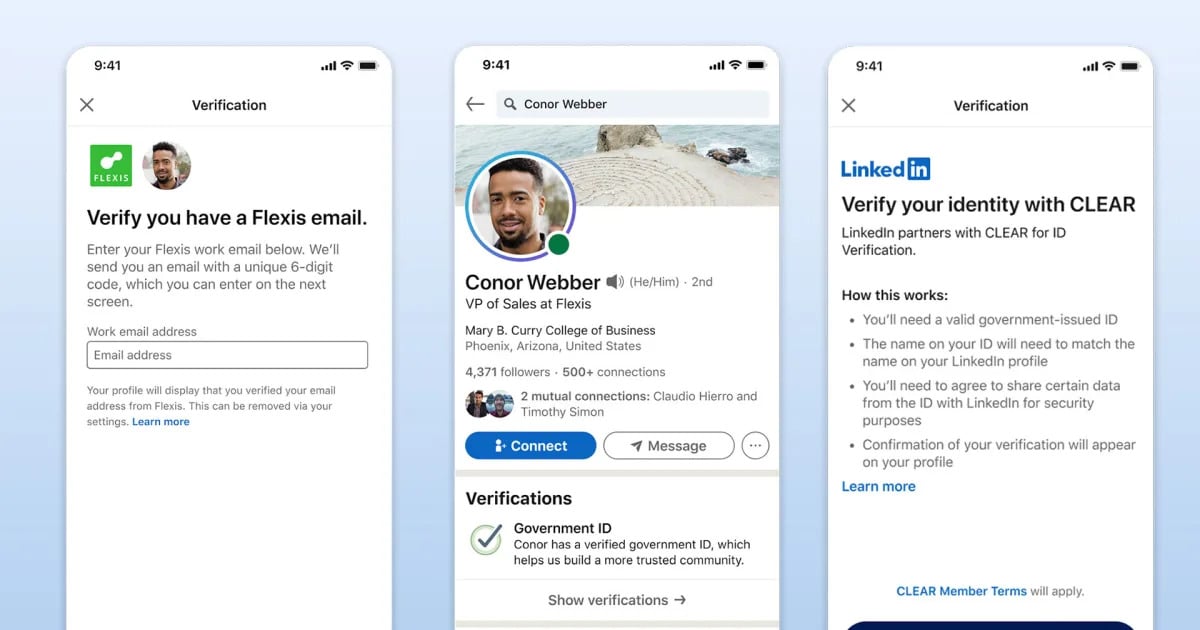
LinkedIn is partnering with CLEAR to offer identity verification features that allow users to confirm their name and employer. The platform is rolling out three ways for members to confirm their identity, including a free process that requires sharing a U.S phone number and government-issued ID. LinkedIn is also partnering with Microsoft Entra to allow some users to verify both their identity and employer at once. The verification field will appear on the user's LinkedIn profile once the process is complete, offering an extra layer of protection against fake accounts and scammers.