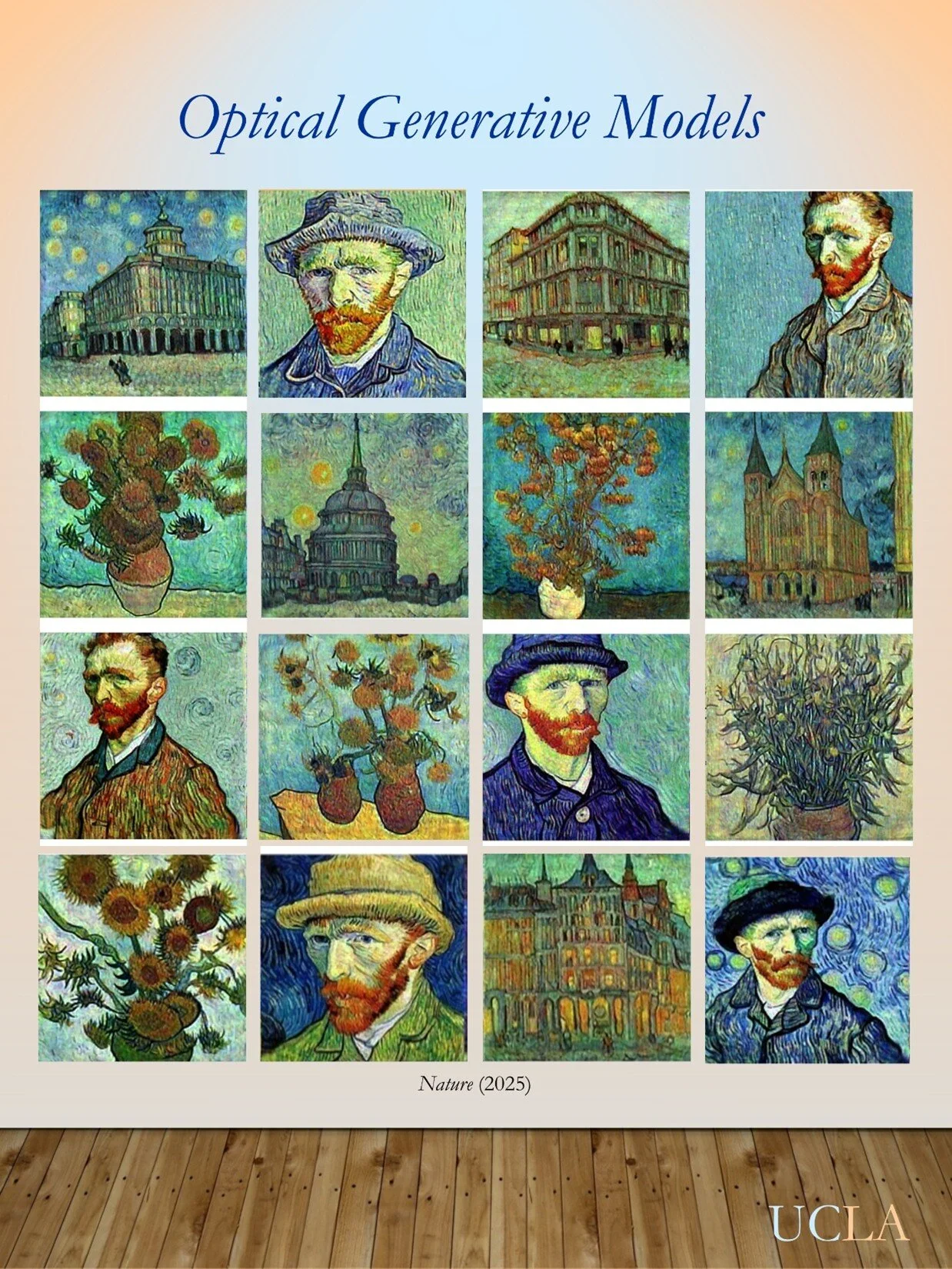
UCLA researchers have developed optical generative models that use light physics instead of digital computation to produce images, significantly reducing energy consumption and enabling fast, secure, and portable AI applications across various fields.
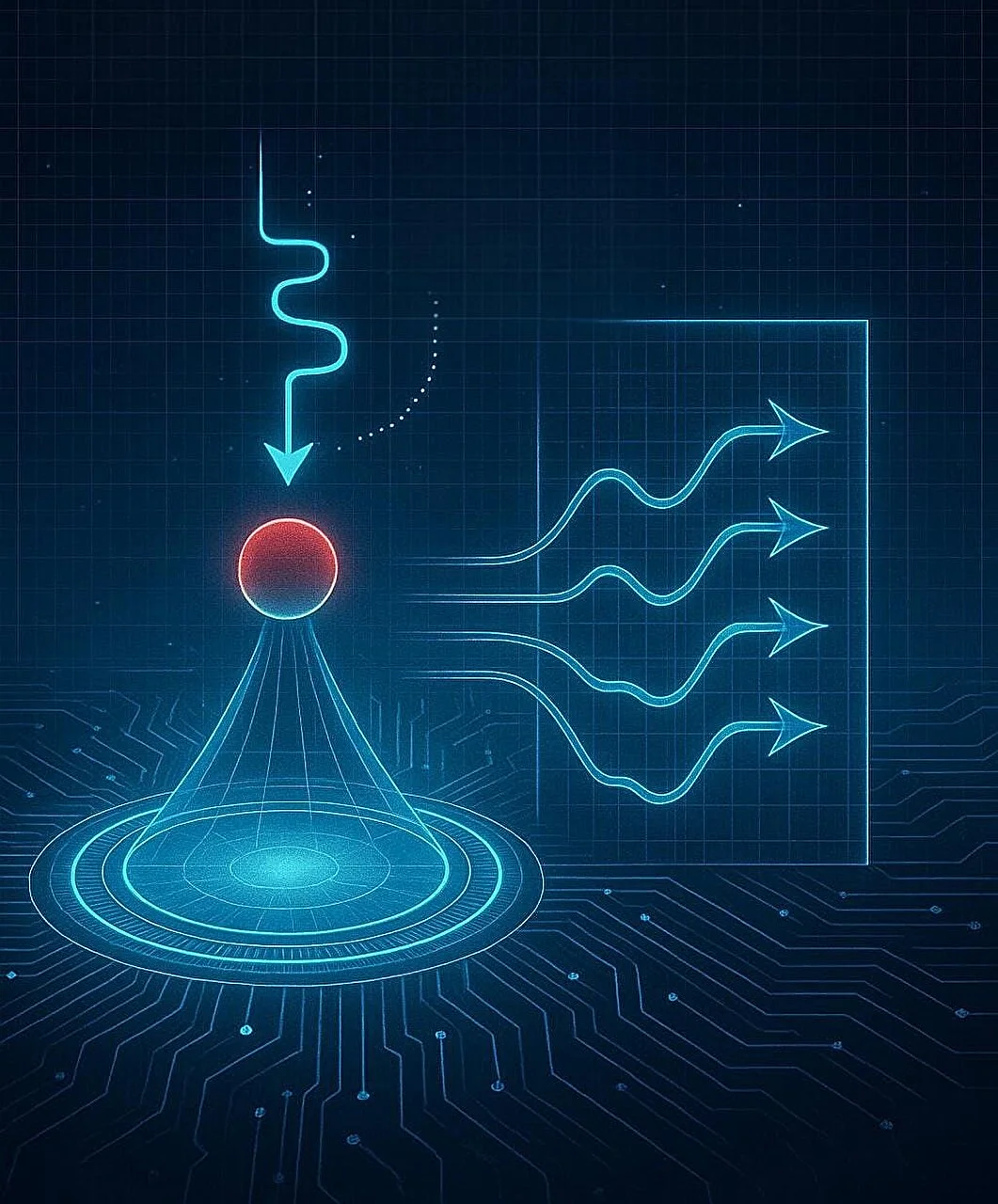
A research team has developed a new optical technique using stimulated two-photon excitation to generate multi-photon states directly from quantum dots, eliminating the need for active switching components and enhancing applications in secure quantum communication and quantum mechanics testing.
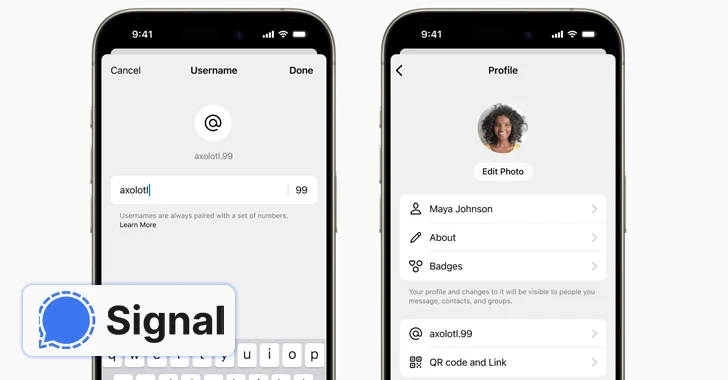
Signal, the end-to-end encrypted messaging app, is testing a new feature that allows users to create unique usernames to keep their phone numbers private. This feature is opt-in and aims to provide anonymity and privacy by allowing users to initiate conversations without sharing their phone numbers. Users can also control who can see their phone numbers and who can find them by their numbers through privacy settings.
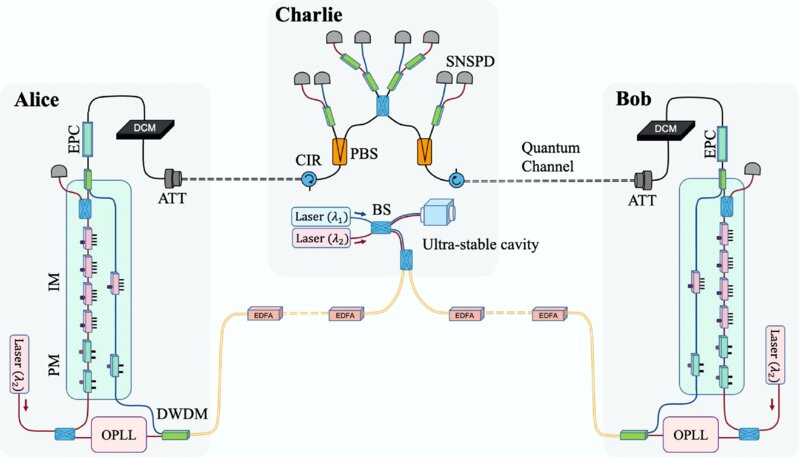
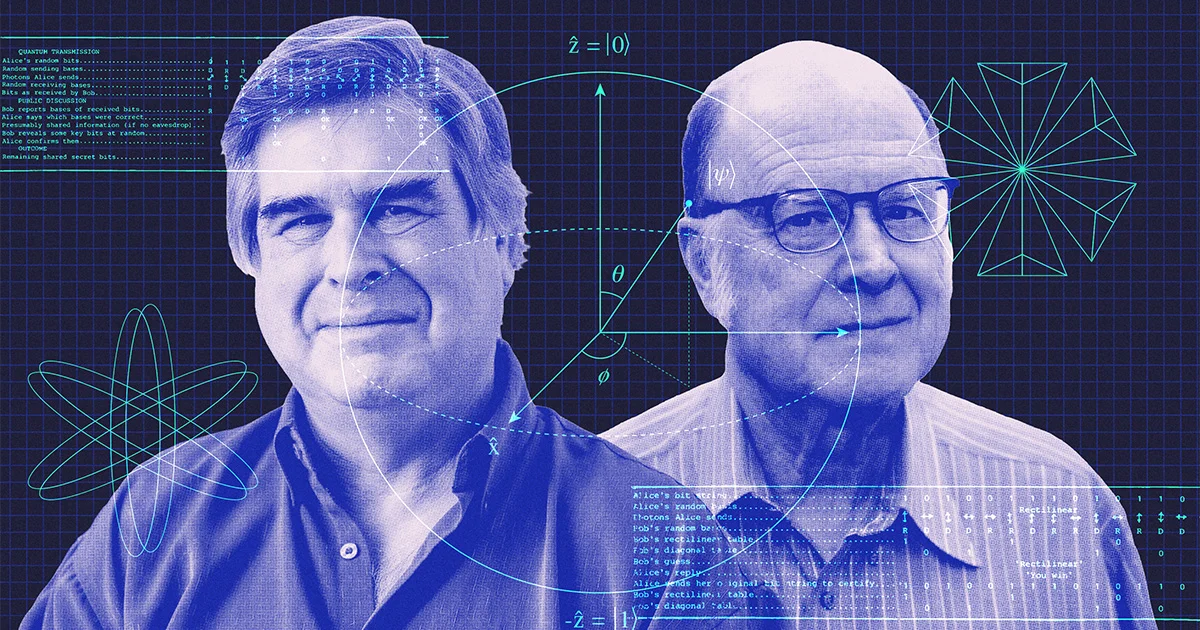
Scientists from the University of Science and Technology of China and their collaborators have achieved a point-to-point long-distance quantum key distribution (QKD) over a distance of 1,002 km, setting a new world record for non-relay QKD. The team used ultra-low-loss fiber and ultra-low-noise superconducting single-photon detectors to achieve the milestone. This achievement not only provides a solution for high-speed intercity quantum communication but also holds significant implications for the advancement of secure quantum communication.