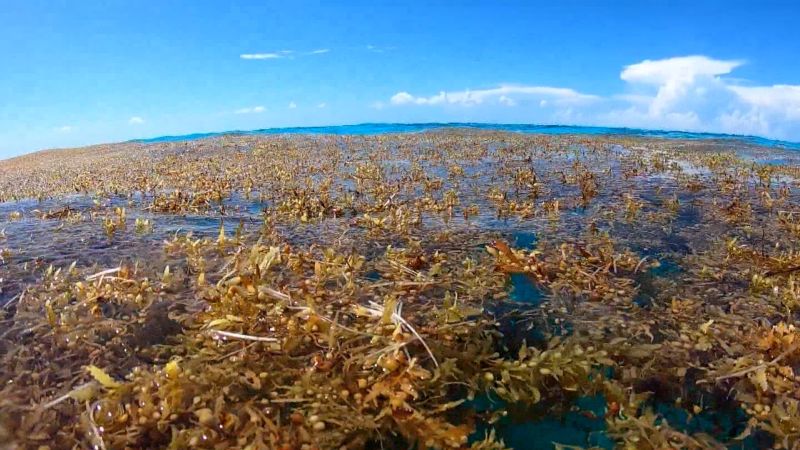
Since 2011, a massive and growing bloom of brown seaweed called Sargassum has been spreading across the Atlantic, driven by nutrient pollution from human activities and ocean currents, impacting coastal communities and ecosystems.
The Great Atlantic Sargassum Belt, a 5,000-mile-long belt of seaweed, is thriving and is estimated to be around 13 million tons, setting a record abundance for this time of year, according to a report by the University of South Florida. The bloom is expected to reach its largest size in June or July, and major beaching events are inevitable around the Caribbean, along the ocean side of Florida Keys, and the east coast of Florida. The seaweed smell like rotten eggs and can cause breathing issues for people with sensitivities and asthma.
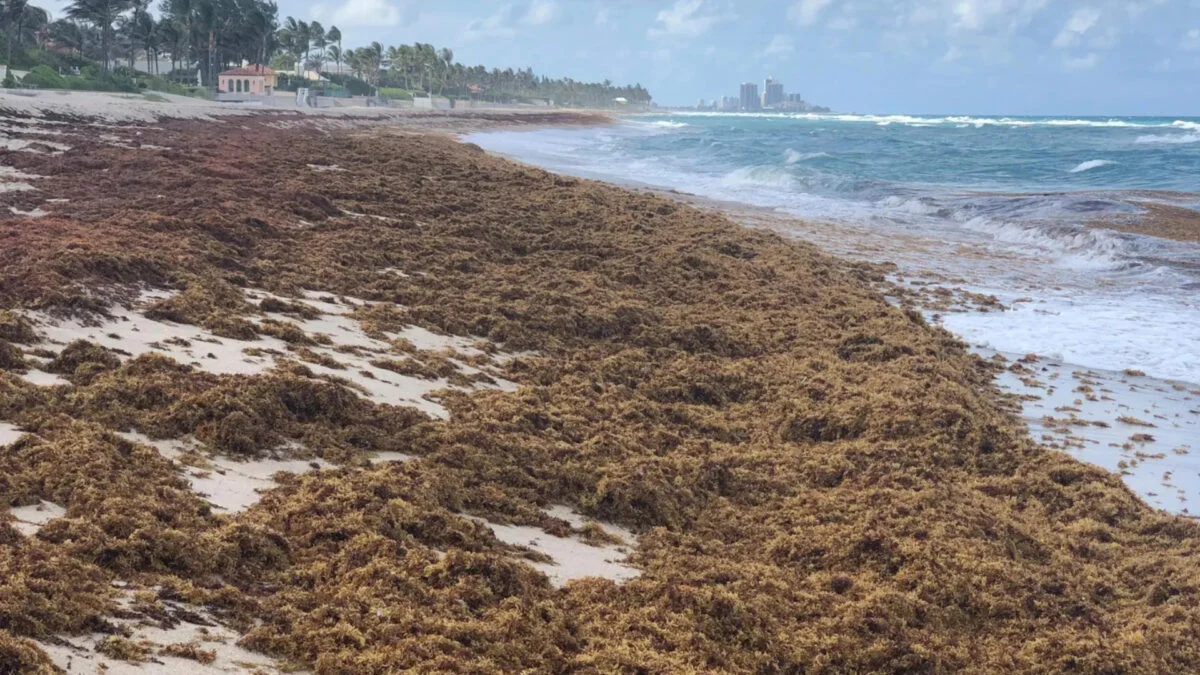
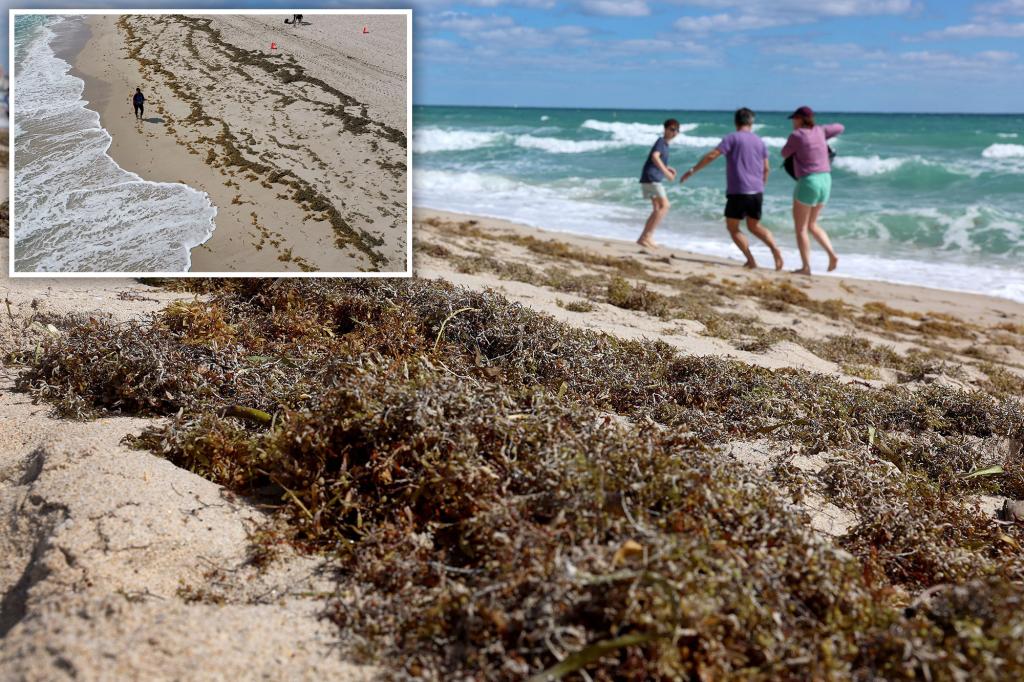
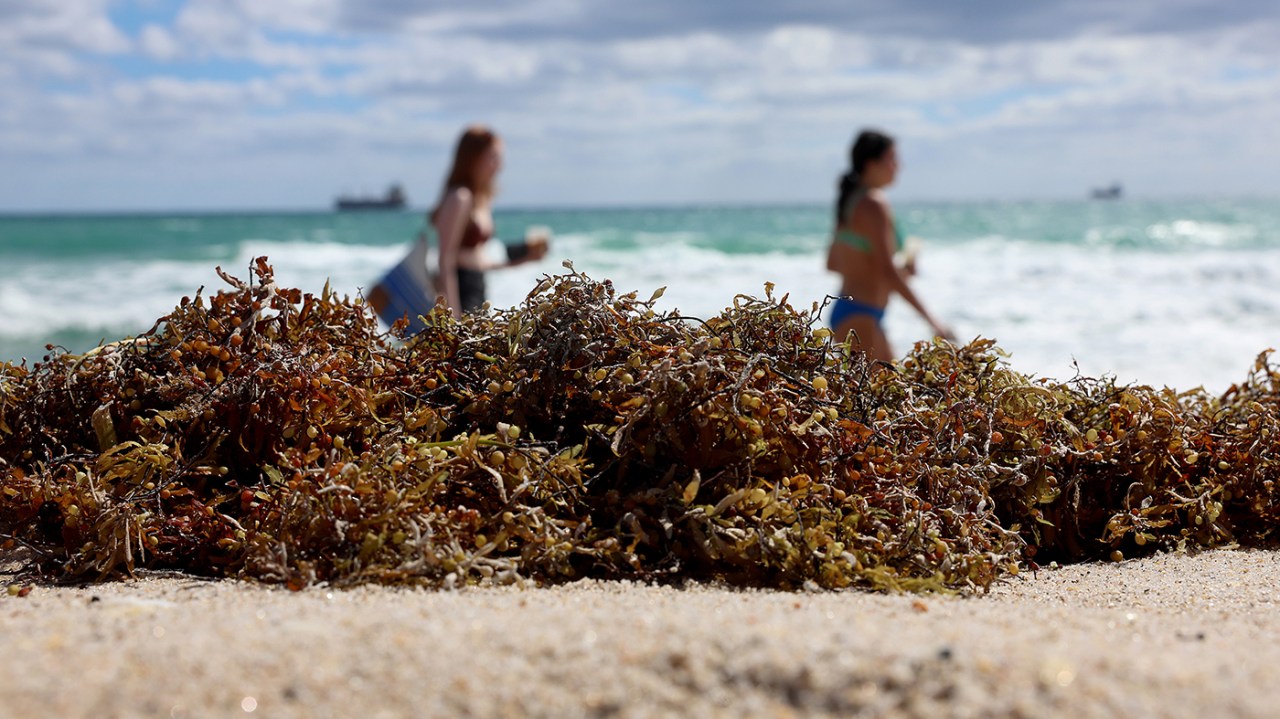
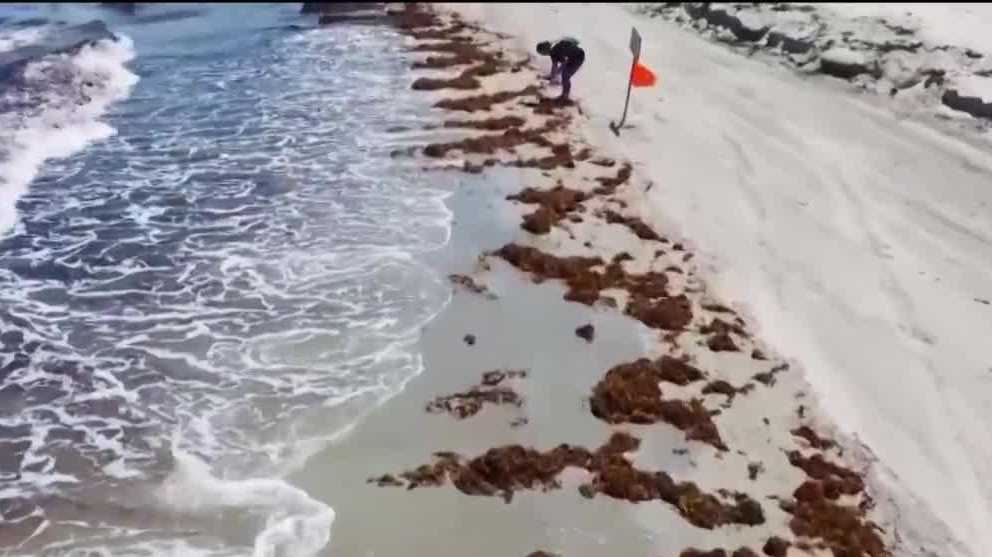
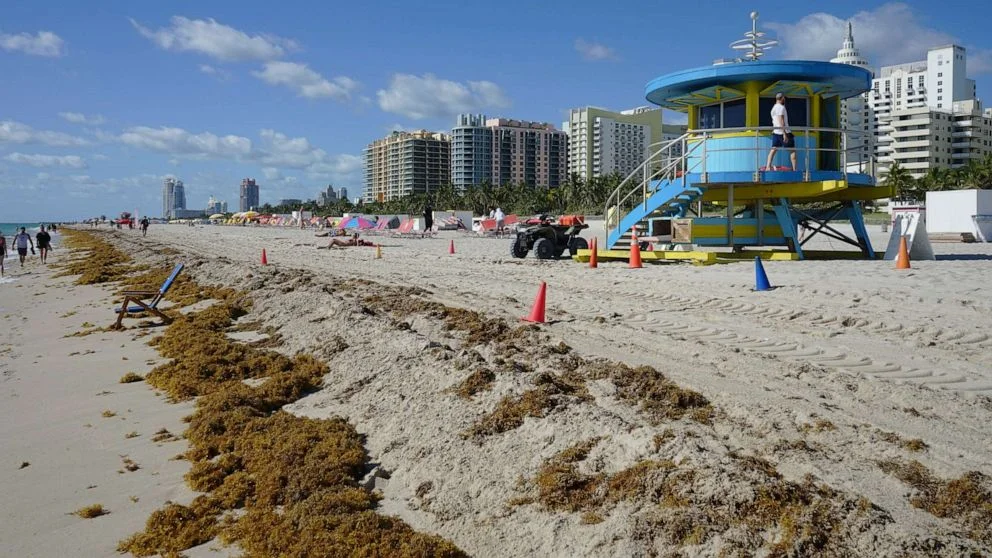
A massive buildup of seaweed, tracked for months, has started to wash ashore Florida beaches, with experts warning that the worst could still be ahead. The amount of seaweed in the Atlantic basin was around 6.1 million tons, the second-highest amount ever recorded during February. The seaweed is not harmful to humans, but it can still lead to impacts. Seaweed bloom events can damage Florida’s tourism-heavy economy, and cleaning up the beaches could cost Florida an estimated $120 million. The sargassum is quite different from the red tide event that is simultaneously impacting Florida beaches, mainly along the Gulf Coast.
An expert predicts that the giant seaweed bloom heading towards the East Coast will continue to grow, potentially impacting beaches and tourism in Florida. CNN's Leyla Santiago speaks with tourists and Florida residents about the situation.
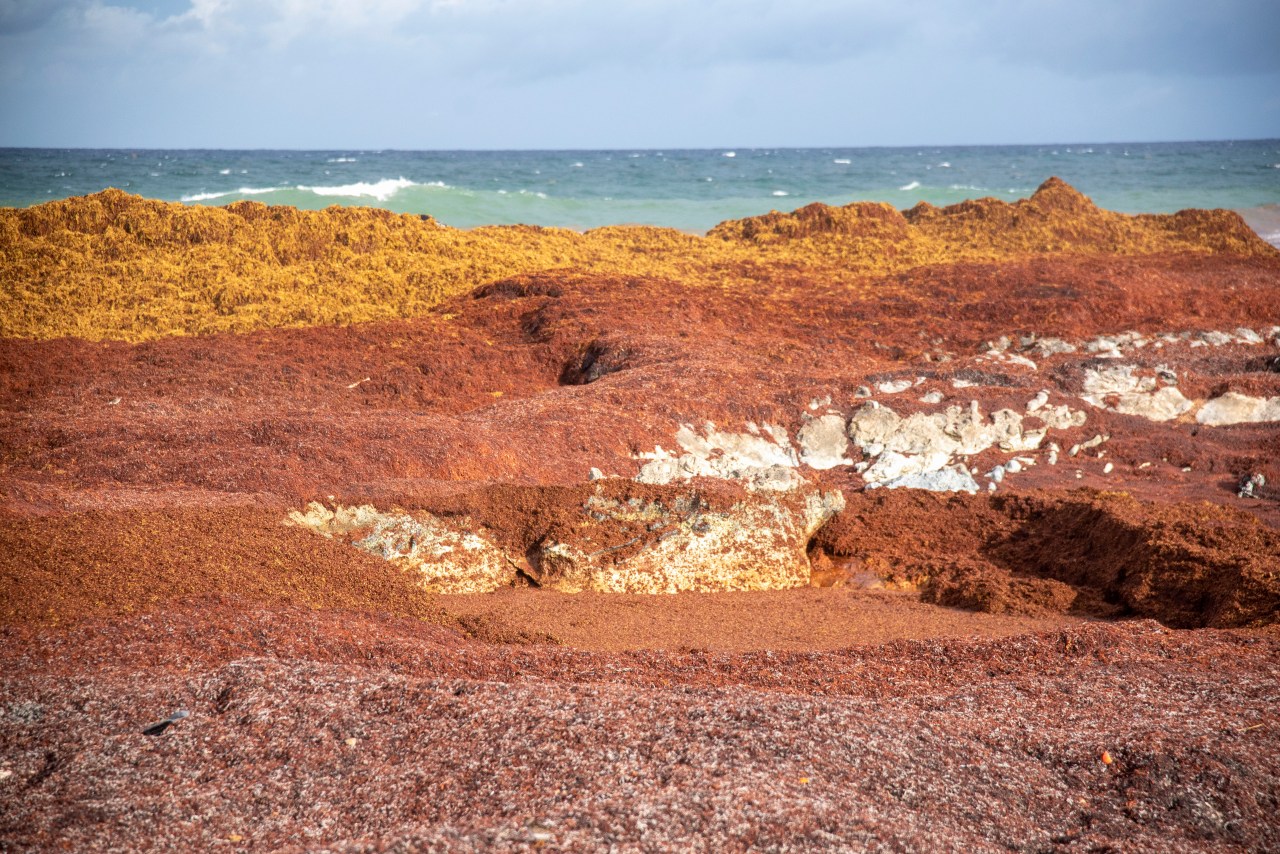
Enormous mats of rotting sargassum seaweed are expected to wash up on beaches across the Gulf Coast and Caribbean islands as businesses juggle an influx of vacationers. The seaweed bloom is caused by a belt of floating sargassum that has established itself in the mid-Atlantic over the past decade, with factors such as climate change and fertilizer runoff contributing to its growth. While the seaweed is not directly dangerous to people, it poses an ecological threat by suffocating marine life and creating dead zones. The seaweed is expected to cost the region's cities millions of dollars to dispose of.
A massive sargassum seaweed bloom, stretching 5,000 miles, threatens to wash ashore on Central Florida beaches due to easterly winds and increased nutrients from human impact and forest fires. While not harmful, the decomposing seaweed can cause unpleasant smells and skin irritation from small marine animals living in it. Preparations are being discussed, including trucking it off the beach, as estimates for its arrival range from a month or two to the summer.
A massive bloom of sargassum seaweed, spanning 5,000 miles long, 400 miles wide, and over six million tons, is drifting towards Florida and the Gulf of Mexico, posing a threat to beaches and tourism. The bloom can pile up to two meters high on the shoreline, clog swimmable waterways, and emit hydrogen sulfide gas, which can irritate skin, eyes, and the throat. While sargassum is not toxic to ocean life, it could disrupt sea turtle nesting habitats and smother coral and seagrass. The sudden emergence of the blooms since 2011 is a mystery to scientists, but warmer waters and increased use of fertilizers in Florida agriculture and landscaping are possible factors.