
Recent research suggests that blue light from screens may not be as harmful to sleep as previously thought, and in some cases, screen use could even aid in falling asleep, challenging the traditional view that blue light significantly disrupts sleep by suppressing melatonin.
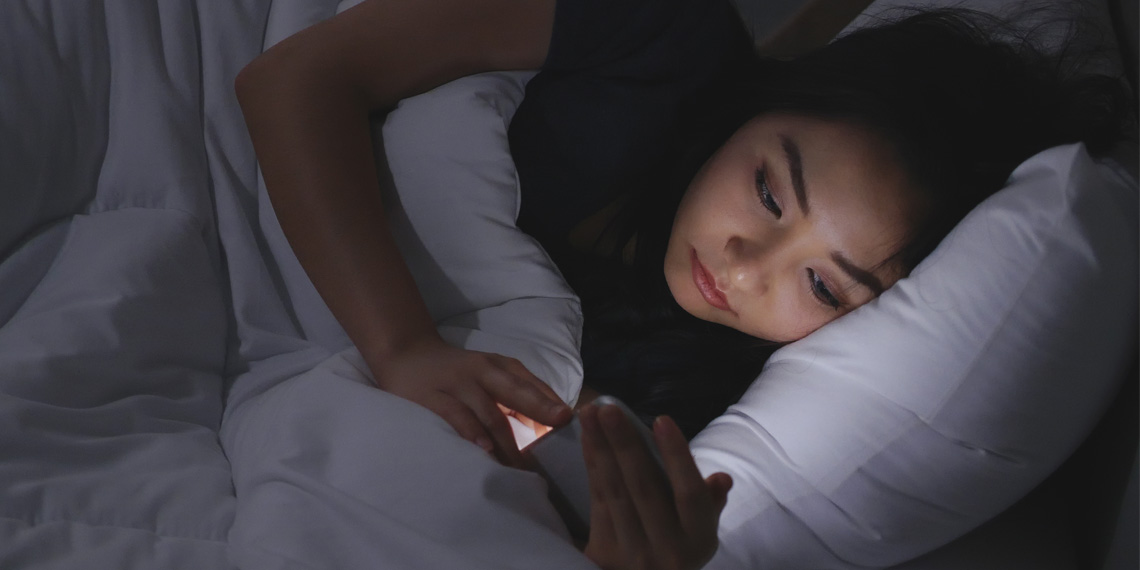
A study published in the Journal of Affective Disorders found that screen use before sleep among adolescents is linked to emotional problems. The study focused on the impact of chronotype (biological clock timing) and social jetlag (misalignment between biological and social rhythms). Adolescents who used screens before sleep had a later chronotype and experienced greater social jetlag, putting them at a higher risk of emotional difficulties. Disruption of circadian rhythms was identified as a key factor connecting screen exposure to psychopathology. The study highlights the importance of promoting healthier screen habits and considering adolescents' natural sleep patterns to support their emotional well-being.