Tag

Science And Agriculture

All articles tagged with #science and agriculture

science-and-agriculture1 year ago

"Ancient Origins: Tracing the History of Your Morning Coffee"

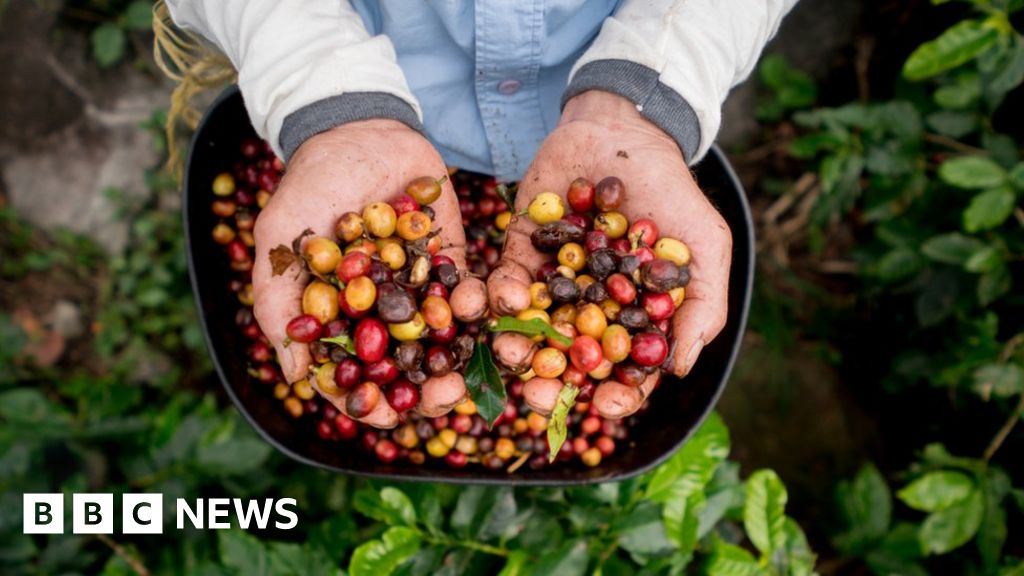
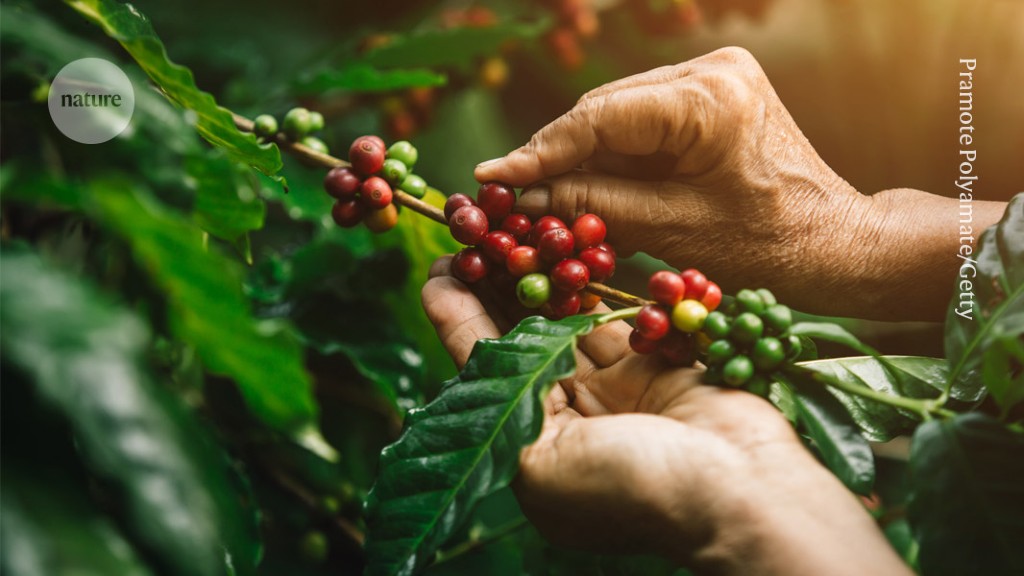
Researchers have traced the origins of arabica coffee back 600,000 years through natural crossbreeding of two other coffee species, shedding light on its genetic history and vulnerabilities to diseases like coffee leaf rust. The study, published in Nature Genetics, aims to protect the plant from pests and climate change by exploring its genetic makeup and population fluctuations over time, potentially safeguarding the global coffee market dominated by arabica.

science-and-agriculture1 year ago

"Natural Pest Control: New Animal Discovery Safeguards Crops Without Pesticides"

Researchers at UC Riverside have discovered a new species of nematode, Steinernema adamsi, which has the potential to protect crops without the need for pesticides. These tiny worms offer a promising biological control option for managing crop pests in warm and humid regions, where other beneficial nematodes struggle to survive. The new species, named after biologist Byron Adams, has unique features and could provide valuable insights into ecological and evolutionary dynamics. The researchers hope to further study the nematode's properties and its potential applications in sustainable agriculture and pest management.

science-and-agriculture2 years ago

"The Genetic Mystery Behind Diverse Arabica Coffee Flavors"

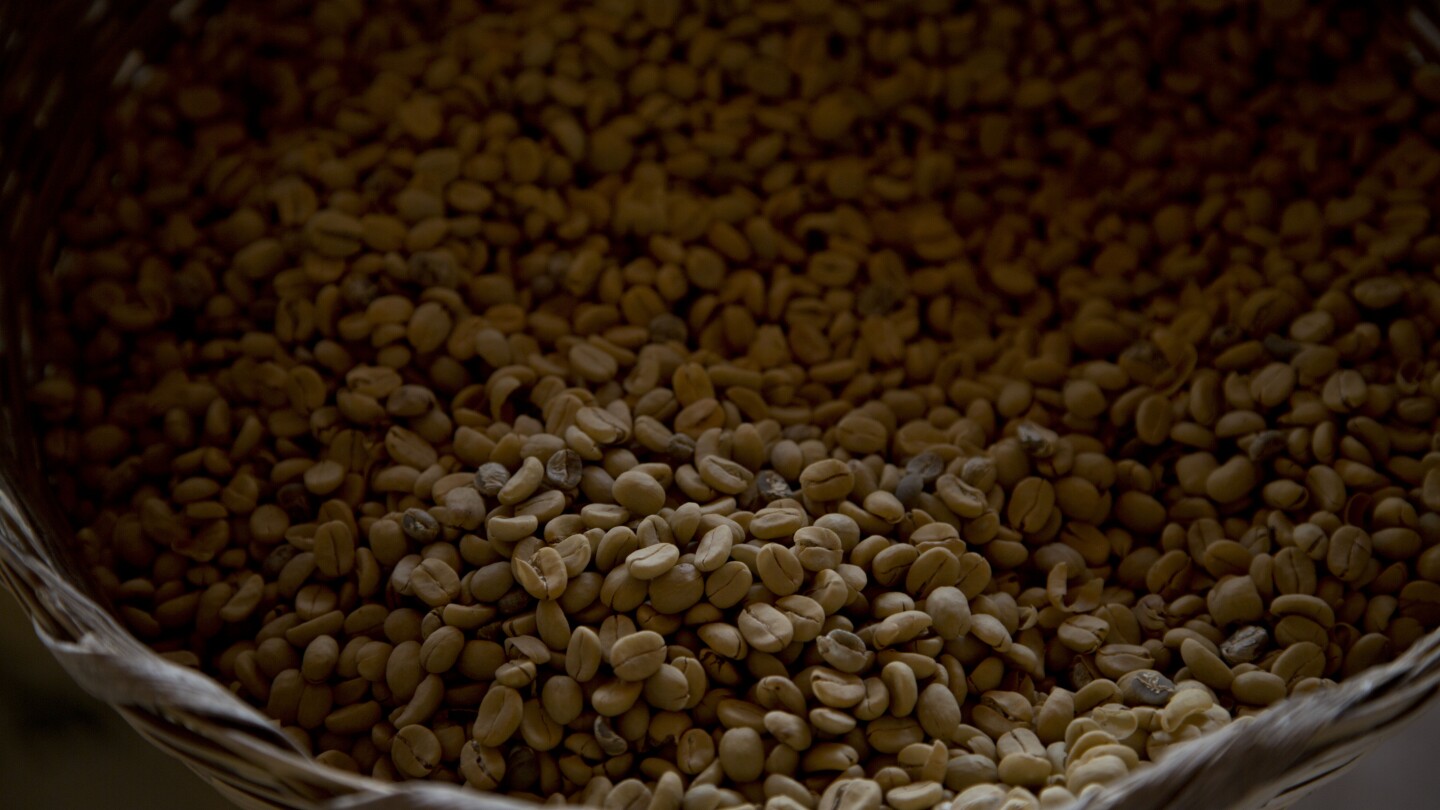
A study on the genome of Coffea arabica, the species responsible for 56% of all coffee sold, has revealed that despite minimal genetic variation at the DNA level, there are significant differences in flavor profiles and other characteristics due to wholesale swapping, deletion, and rearrangement of chromosomes. The genome sequencing will be a valuable resource for coffee breeders, aiding in the development of disease-resistant and climate-resilient coffee varieties.

science-and-agriculture2 years ago

"Unlocking the Potential of Coffee: A Breakthrough Genetic Map for Superior Brews"

Scientists in Italy have created a comprehensive genetic map of Arabica coffee, the world's most popular coffee plant, using advanced DNA sequencing technology. This breakthrough could lead to the development of new coffee varieties with specific flavors and aromas, as well as increased resilience to changing climate conditions. With rising temperatures and unpredictable rainfall affecting coffee production, the genetic insights may help in future-proofing the coffee industry. The study, published in Nature Communications, has the potential to guide the development of this economically important crop species, offering hope for the future of coffee production in a changing environment.

science-and-agriculture2 years ago

Quinoa Research Debunks Century-Old Theory of 'Water Balloons'

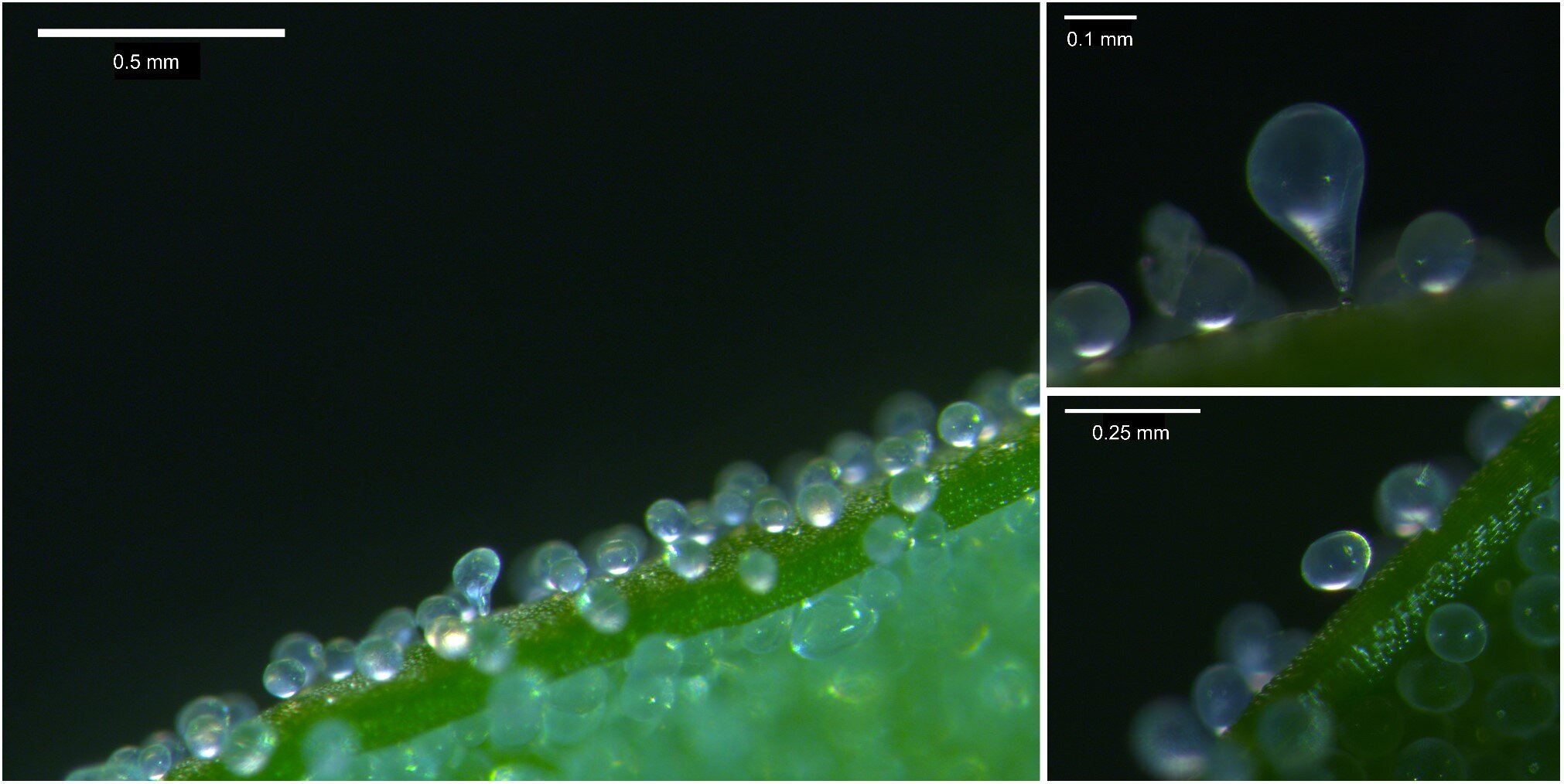
Research from the University of Copenhagen has debunked a 127-year-old theory about the function of bladder cells on the surface of quinoa plants. Previously believed to protect against drought and salt, the study found that bladder cells actually serve as a barrier against pests and diseases. The discovery could lead to the development of more resilient quinoa varieties and wider cultivation of this sustainable crop worldwide.

science-and-agriculture2 years ago

Cracking the Pepper Code: Unveiling the Secrets of Domestication and Diversity

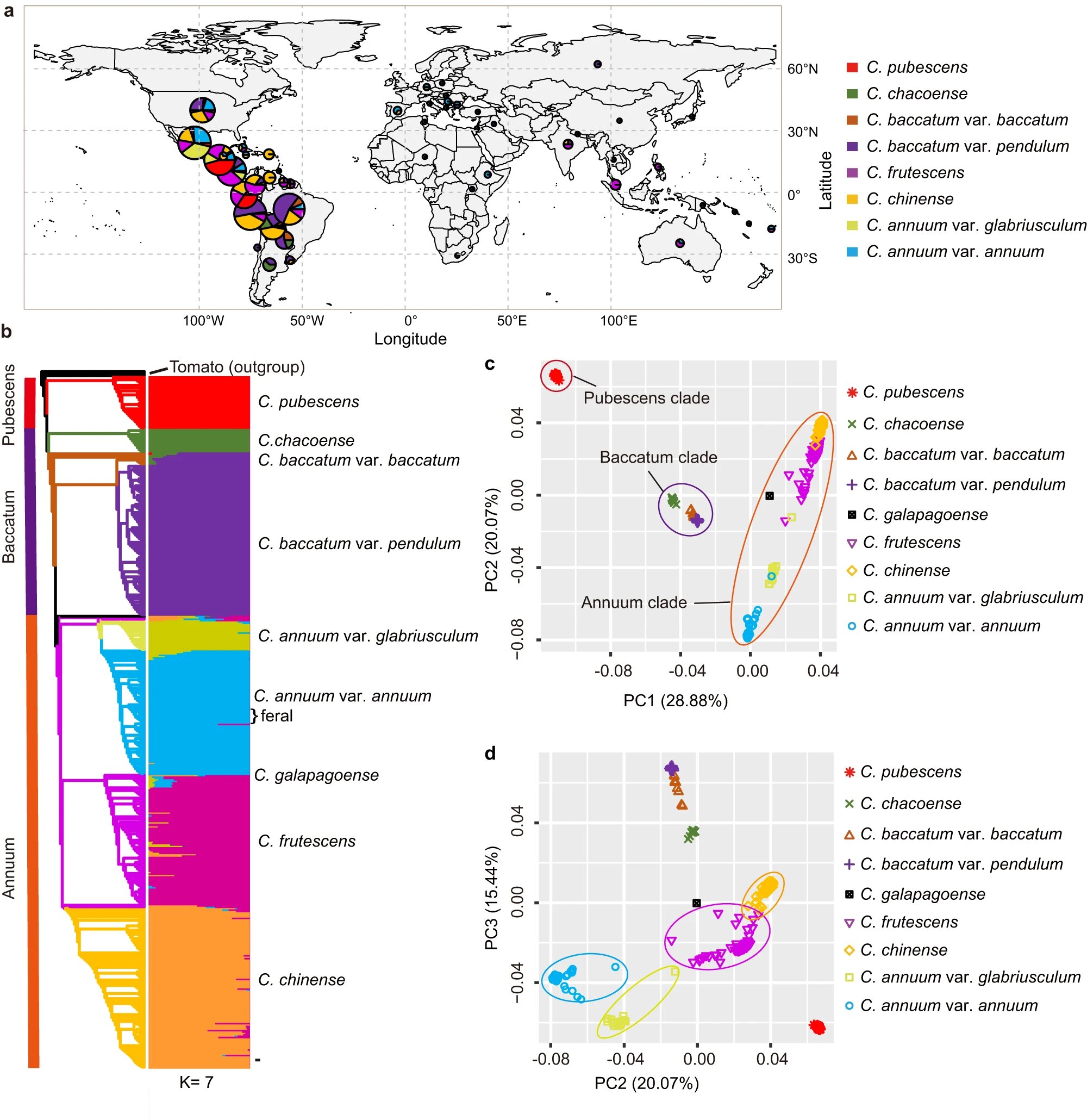
A recent study published in Nature Communications has sequenced the genomes of cultivated and wild pepper species, providing insights into pepper evolution, domestication, and genetic diversity. The research identified genes associated with critical traits such as fruit shape, flavor, and stress responses, offering possibilities for agricultural advancements and the development of more resilient and flavorful pepper varieties. The study also revealed that pepper domestication is more complex than previously thought, with unique genomic regions that could be significant in developing pepper varieties tailored for specific environmental conditions and enhanced fruit quality. The resulting pepper genome sequence and variants database can be accessed and analyzed for future functional studies and breeding efforts.