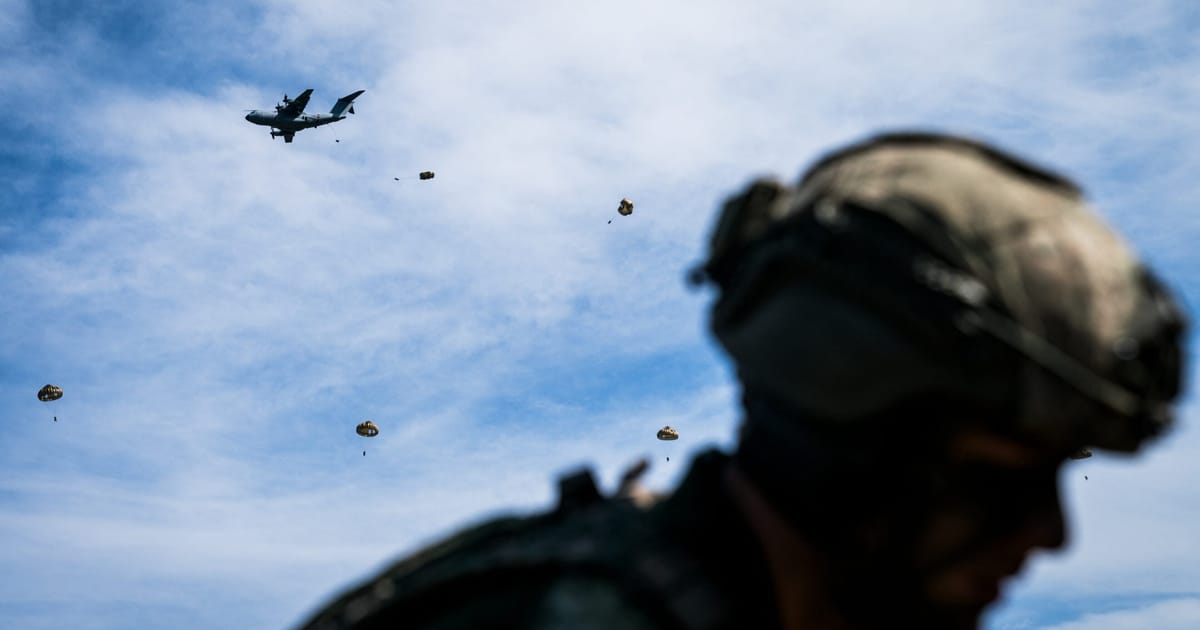
Russian Drone Incursions in Poland Heighten NATO Tensions
The article discusses concerns about Russian drones invading Polish airspace, the resulting border checks, and the broader implications for the Schengen zone and regional security.

All articles tagged with #schengen
The article discusses concerns about Russian drones invading Polish airspace, the resulting border checks, and the broader implications for the Schengen zone and regional security.
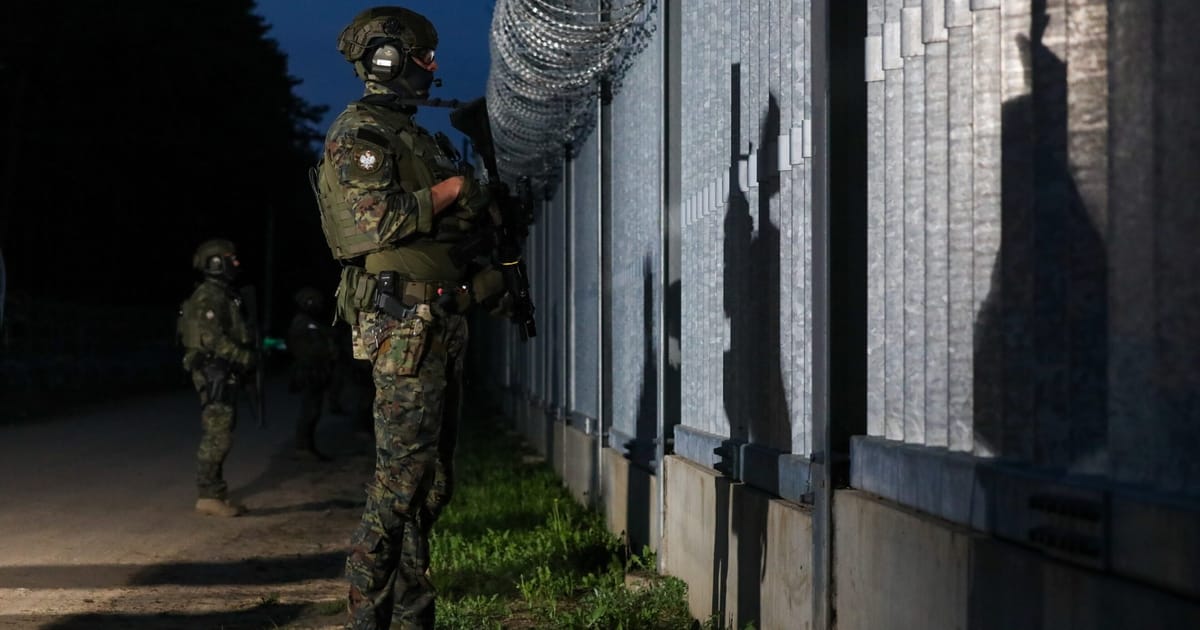
Political tensions over migration have led Poland and Germany to impose border checks, further weakening the Schengen area's free travel zone amid rising right-wing populism and migration pressures, threatening the long-term viability of open borders in Europe.
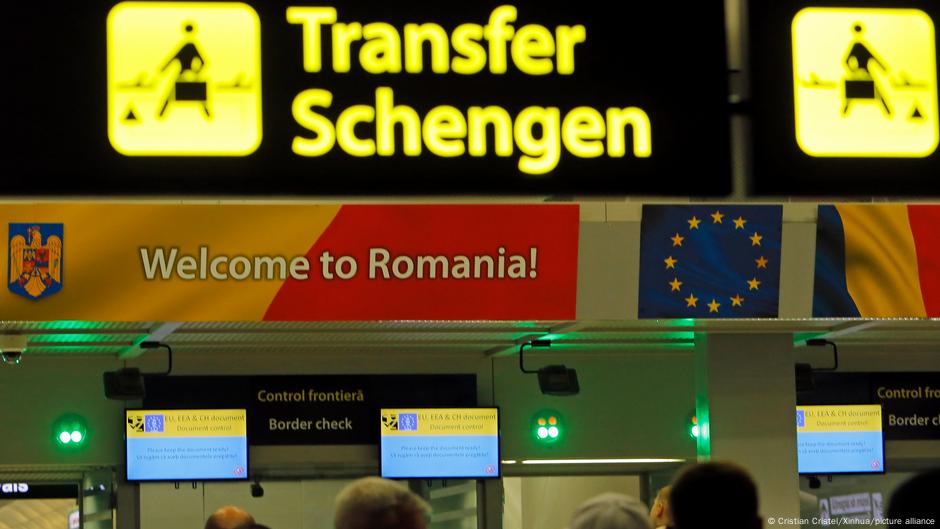
Romania and Bulgaria have been approved to join the Schengen area, with the decision taking effect on January 1, 2025. This move, decided by European interior ministers in Brussels, will eliminate borders between these countries and the rest of the Schengen zone. Despite meeting the requirements since 2010, their accession was delayed due to migration concerns, particularly from Austria, which recently agreed not to veto the decision after Bulgaria committed to increasing border security with Turkey.

Hungary's Foreign Minister, Péter Szijjártó, has stated that Hungary will veto Bulgaria's bid to join the Schengen area unless Bulgaria removes a transit levy on Russian gas. Hungary accuses Bulgaria of carrying out a hostile action by imposing an additional tax on Russian gas transiting its territory. Hungary relies on Russian gas supplied through Bulgaria, and if Bulgaria jeopardizes Hungary's energy supply, Hungary will veto their Schengen entry. The European Commission has considered Bulgaria ready to join Schengen since 2011, but previous vetoes have blocked its accession.