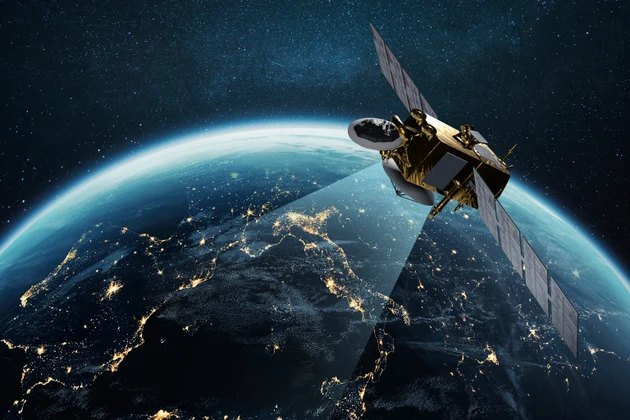
Apple is planning to enhance its satellite services with new features like satellite-powered maps and third-party app connectivity, building on current capabilities for iPhone 14 and later models.
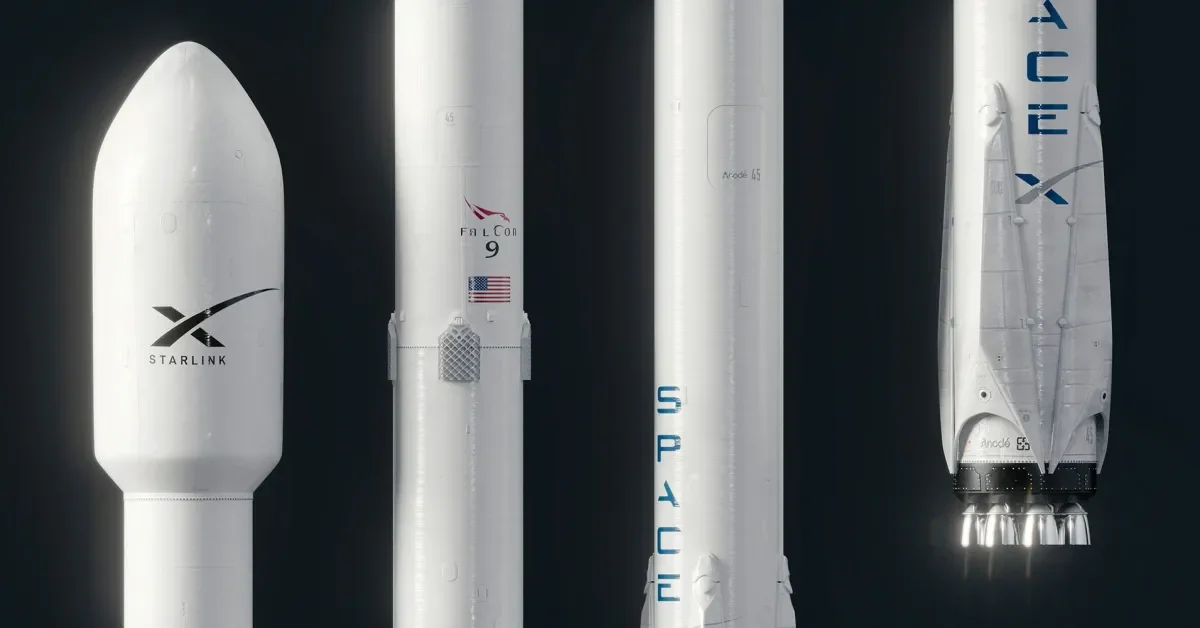
Apple may consider switching from Globalstar to SpaceX's Starlink for its satellite communication services due to recent developments, including SpaceX's acquisition of spectrum licenses and plans to significantly increase its satellite constellation, which could enhance capacity and app support for Apple devices.
The Israeli government has approved the use of Elon Musk's Starlink satellite services in a field hospital in the Gaza Strip and in Israel for the first time, aiming to enable video conferencing with other hospitals and real-time remote diagnostics. This move is expected to help both Israelis and Palestinian civilians in Gaza, where most hospitals have been shut or are under growing pressure due to the ongoing conflict with Hamas. Israel is facing international pressure to hold off on a planned assault on Rafah, the last refuge for displaced Palestinians in southern Gaza.
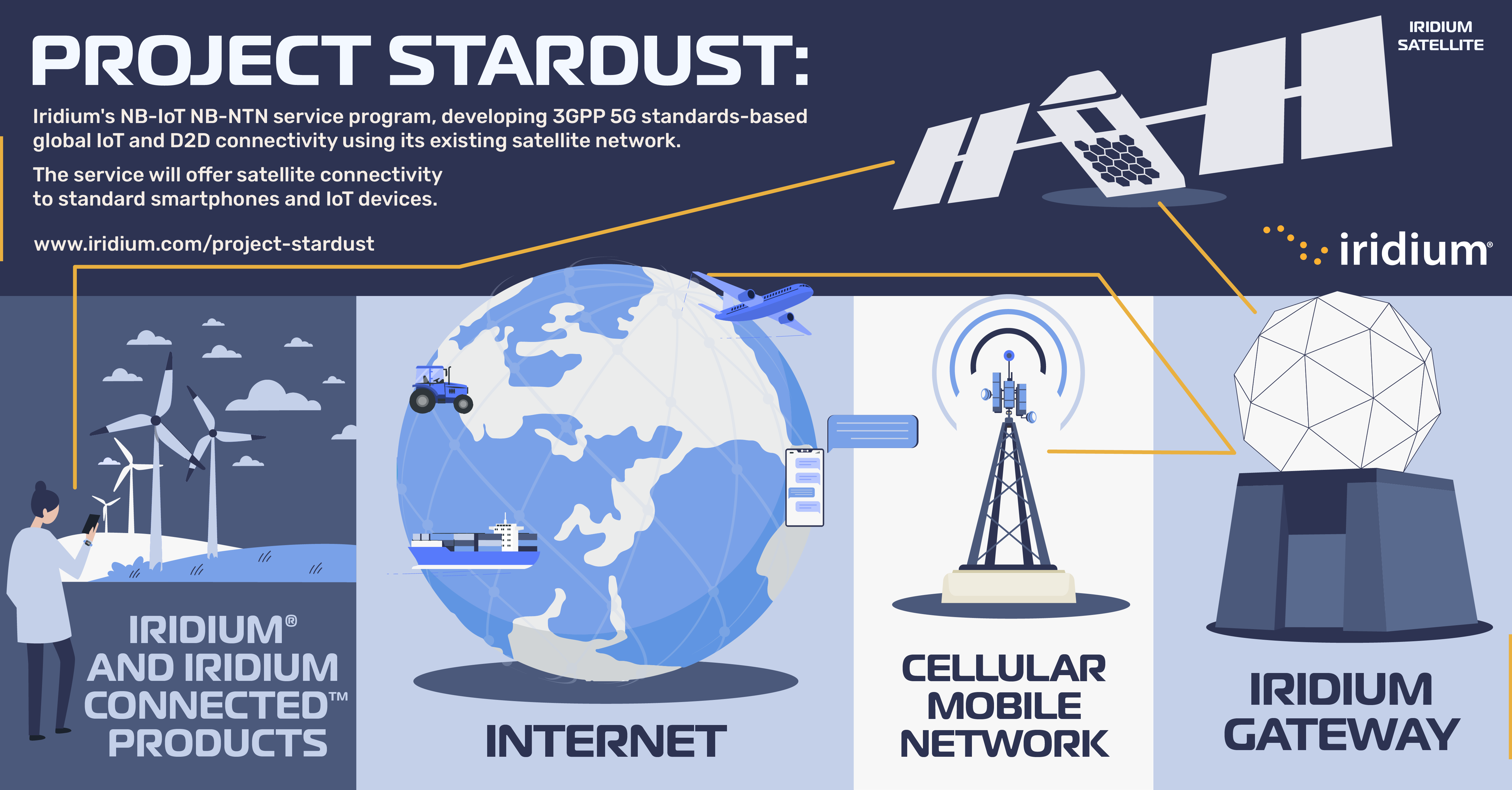
Iridium Communications plans to make its low Earth orbit constellation compatible with 5G standards, aiming to enable mass-market smartphones to access messaging and SOS services outside cellular coverage from 2026. This shift follows a failed proprietary-only strategy and involves joining 3GPP to help develop future standards. The company remains open to proprietary partnerships but is focusing on a standardized approach, which could make it easier for device manufacturers to adopt the technology.
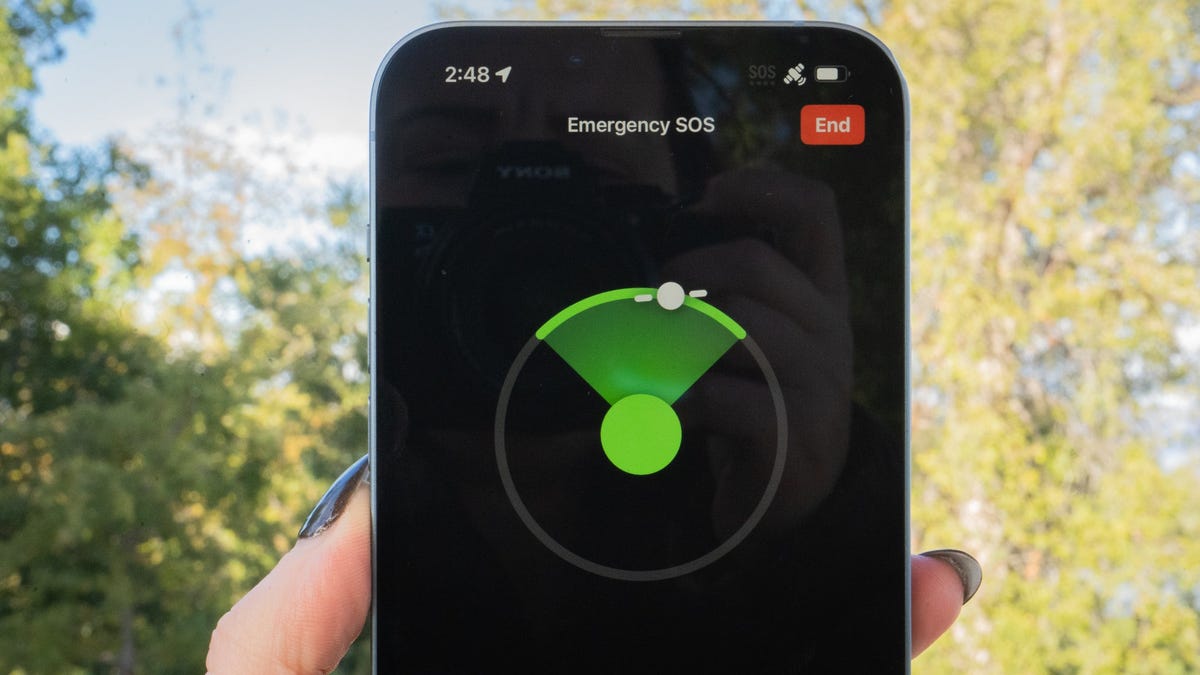
Apple has extended free access to Emergency SOS via satellite to iPhone 14/14 Pro users for an additional year, giving them three years of the service instead of two. This move aligns the support timeline for iPhone 14 users with those purchasing the iPhone 15/15 Pro. iPhone 15 users will also receive two years of satellite emergency services bundled with their devices. Apple may introduce additional features or bundle the service with other offerings in the future. While the cost of the service after the free period has not been disclosed, rumors suggest it could be a usage fee of $5/month or part of an Apple One subscription. Personal safety features have become a significant selling point for smartphones, and Apple's extension of Emergency SOS via satellite highlights the importance of connectivity in emergency situations.
The U.S. Space Force has selected 16 companies to compete for low Earth orbit satellite services contracts worth up to $900 million over the next five years. The vendors, including SpaceX and OneWeb, will provide a wide range of services such as high-speed broadband, radar imaging, and space domain awareness. The contract is part of the Space Systems Command's Commercial Satellite Communications Office and follows a "multiple partner/multiple award" model to accelerate capabilities delivery and take advantage of commercial sector innovation.
SpaceX's Starlink has won a contract from the Pentagon to provide satellite services to Ukraine, which will help the country to have resilient satellite and communication capabilities. The contract is a boost for SpaceX after CEO Elon Musk said the company could not afford to indefinitely fund Starlink in Ukraine. The terms of the contract were not disclosed due to operational security reasons and the critical nature of the systems.