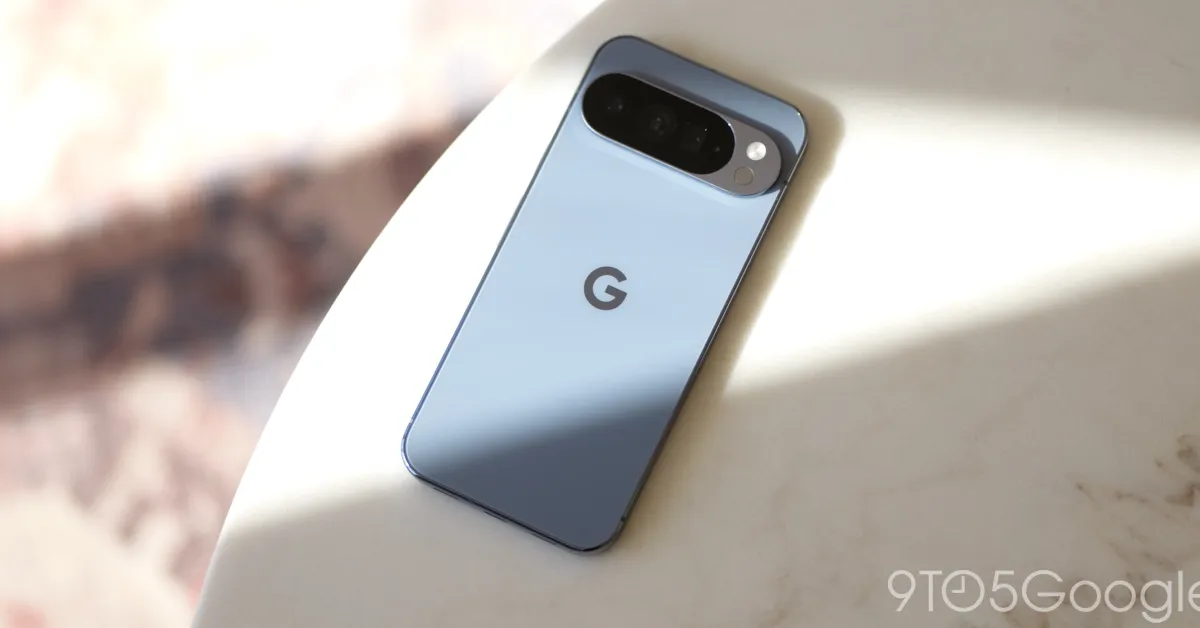
The article provides essential initial setup tips for new Google Pixel users, including enabling safety features like Emergency SOS and Car Crash Detection, customizing call-related features in the Phone app, adjusting Quick Settings tiles, personalizing the lock screen clock, enabling Screen Protector mode, and managing display resolution for optimal use and safety.
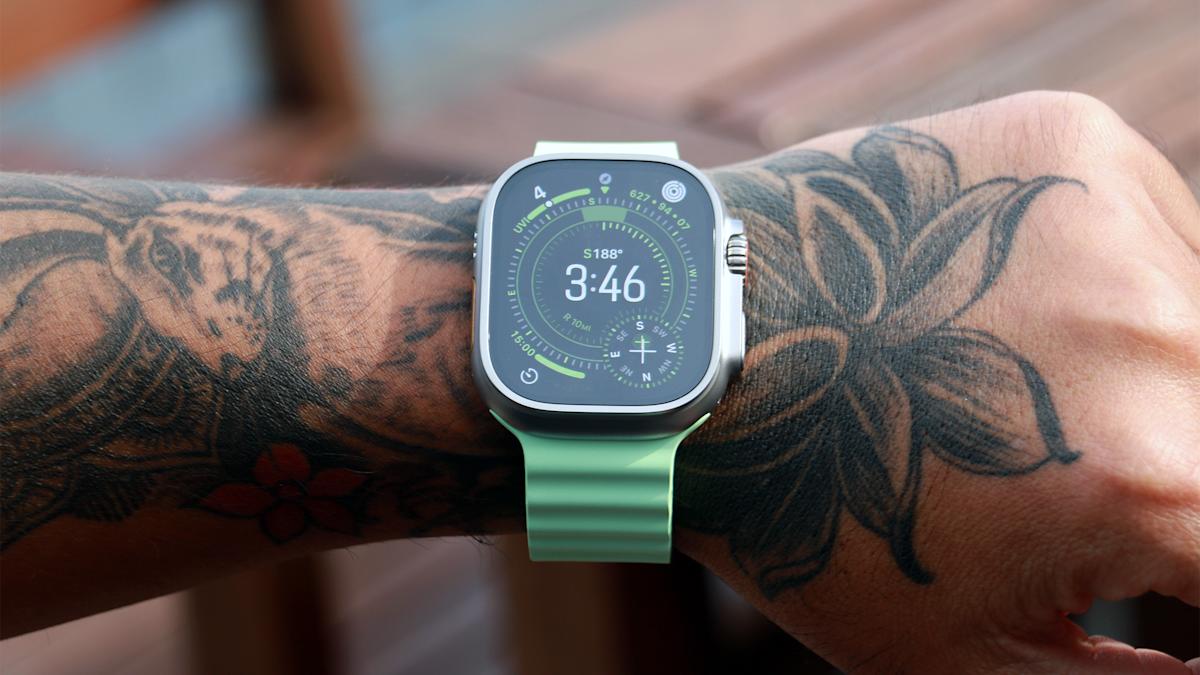
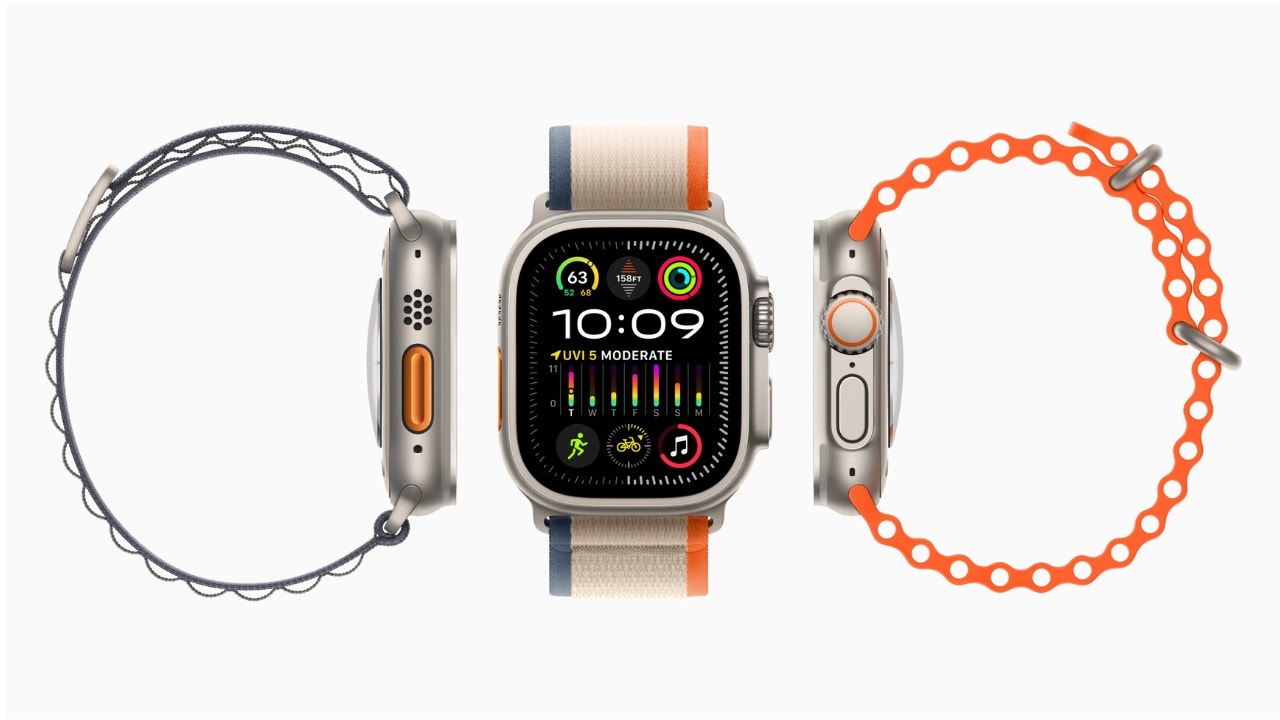
The Apple Watch Ultra 3 introduces satellite communication capabilities for emergency SOS, messaging, and location sharing, supporting users in remote areas. It features a larger display, improved battery life, 5G support, and health features, with satellite services included for two years. The device's satellite functions are similar to those on the iPhone 14 and are designed to enhance safety and connectivity in off-grid situations.
Apple's Emergency SOS via Satellite feature, initially free for two years on the iPhone 14, remains free after an additional year was added last November. This raises questions about Apple's long-term plans for the service, especially as competitors like Google and Samsung introduce similar features. While Apple has not disclosed future pricing, it's speculated that some satellite services may eventually require a subscription, though life-saving emergency capabilities might remain free. The free period for iPhone 14 and 15 users ends in November 2025, potentially leading to changes in service offerings.
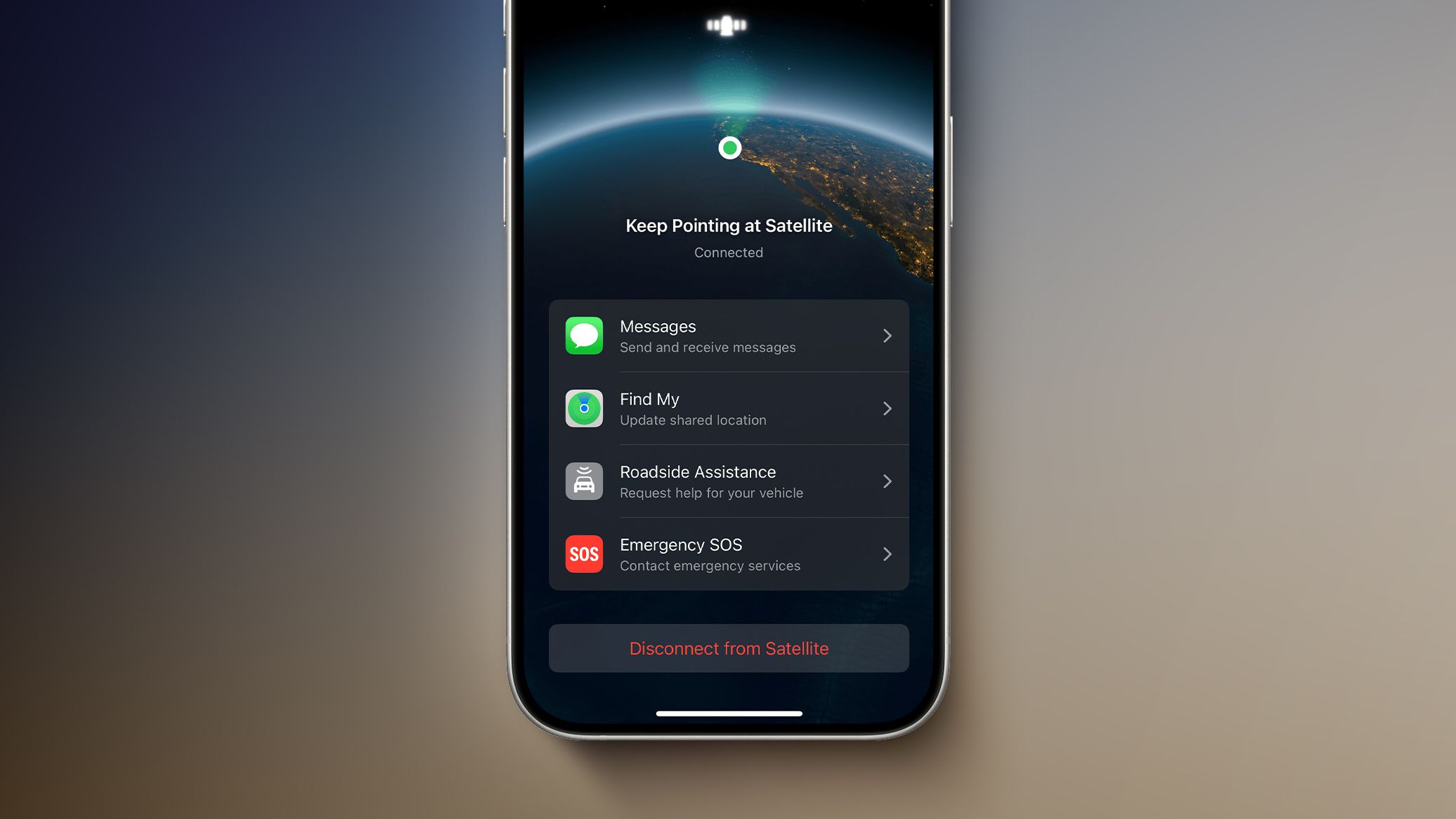
Apple's Emergency SOS via satellite feature, launched two years ago on iPhone 14 models, remains free and has expanded globally. Initially available in the U.S. and Canada, it now covers multiple countries, with additional features like Roadside Assistance and Messages via satellite. Apple has extended the free usage period, but future charges are possible. The company is investing $1.5 billion in Globalstar to enhance satellite services, potentially expanding coverage and improving connection times.
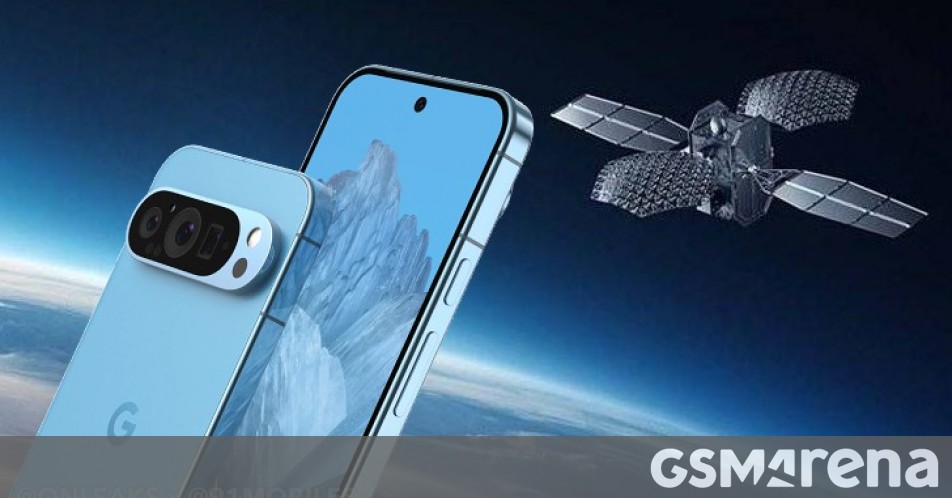
Google is developing a bespoke UI for the upcoming Pixel 9 series to support satellite messaging, similar to Apple's implementation, for emergency SOS situations, requiring clear sky view and carrier support, with T-Mobile and Google Fi mentioned as potential carriers for the feature.
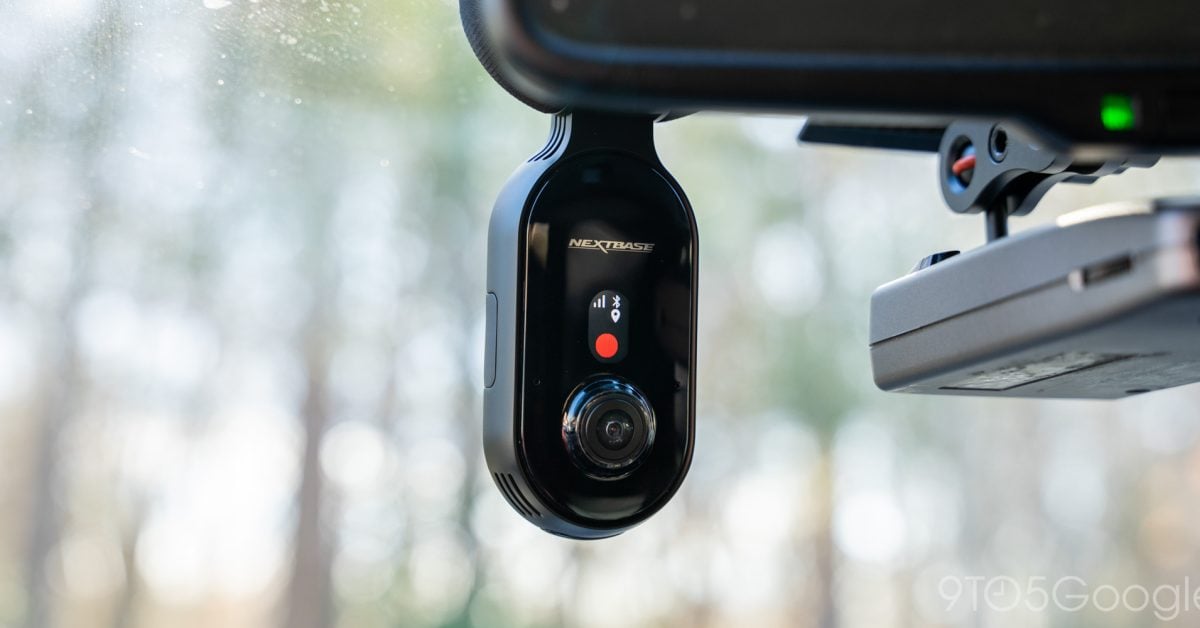
The Nextbase IQ dashcam offers advanced features such as LTE connectivity, always-on recording, and remote video downloads, making it akin to a Nest Cam for your car. It provides a full view of the external and internal vehicle, and its Smart Sense Parking feature turns it into a motion detector for security. The emergency SOS feature and Witness Mode add further value, although the subscription tiers and pricing may make it too expensive for some users.
First responders in Los Angeles County have praised Apple's Emergency SOS via satellite feature on the iPhone, stating that it has saved lives and drastically improved emergency response times. The feature has been used in over a dozen rescues, providing immediate notification and allowing for two-way communication between the person in need and emergency services. The precise location provided by the iPhone has been particularly beneficial in emergency situations, cutting out the need for finding cell service and reducing response times. Concerns about abuse or false activations have been addressed through collaboration between first responders and Apple.
The Apple Watch's Fall Detection feature has proven to be a life-saving tool in various real-life scenarios. From averting hypothermia to rescuing seniors and aiding in car accidents, the Apple Watch has played a crucial role in emergency situations. By using sensors and algorithms, the watch can detect hard falls and activate an alert, allowing users to call for help or automatically contact emergency services if they are immobile. The feature is especially beneficial for older users, but can also be manually enabled for those under 55. With its health monitoring capabilities and ability to contact emergency services, the Apple Watch is more than just a gadget, it is a powerful tool that can save lives.
Apple's Emergency SOS via Satellite service, currently free for iPhone 14 and iPhone 15 owners, may face the challenge of monetization after September 2025. Apple wants to keep the service free forever, but needs to assess the cost. One potential monetization model could be offering additional features through paid subscriptions, similar to Garmin's emergency beacon subscriptions. However, Apple is likely to keep the base service free to avoid PR disasters and may include it as part of Apple One or other bundled services.
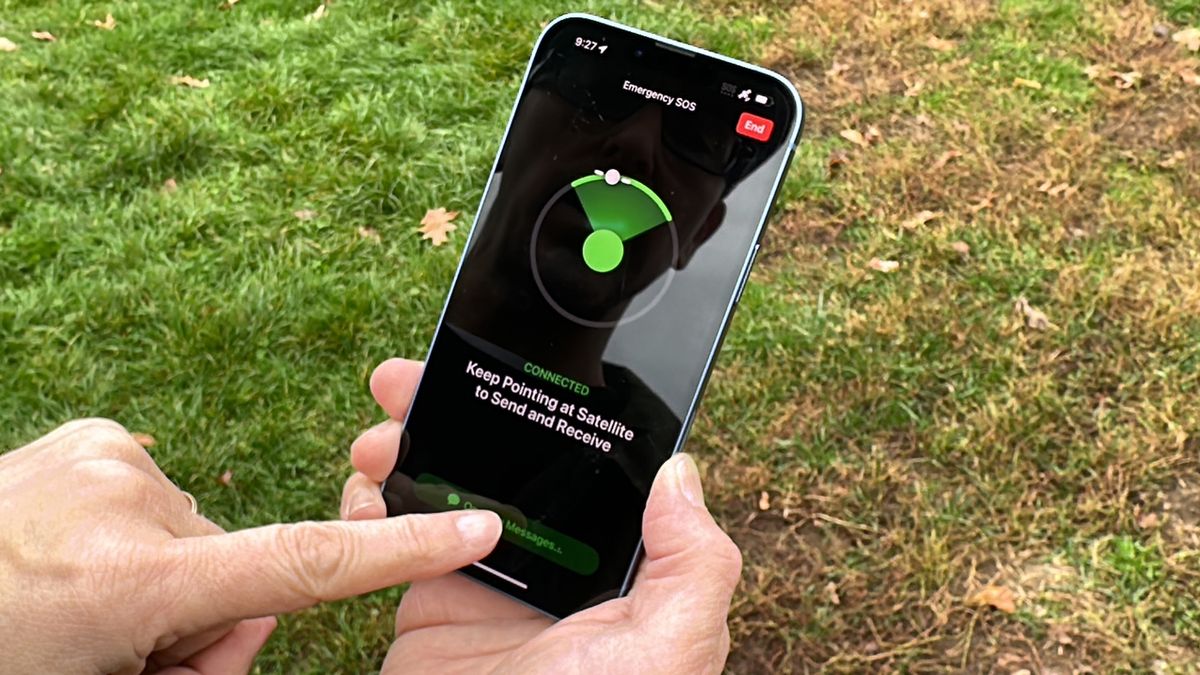
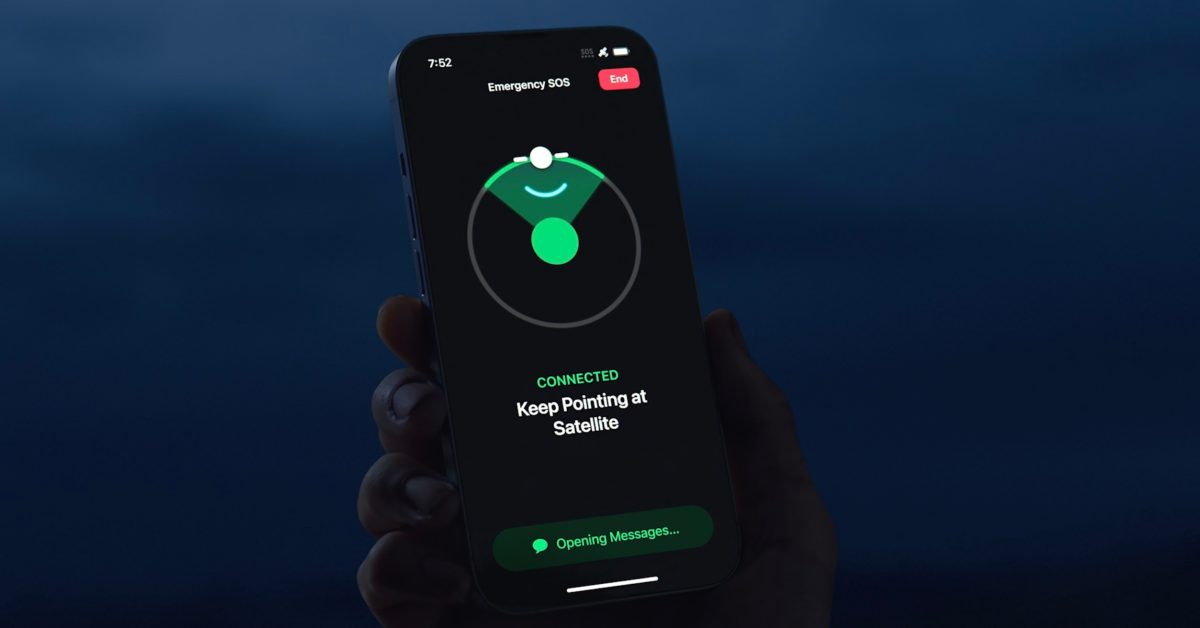
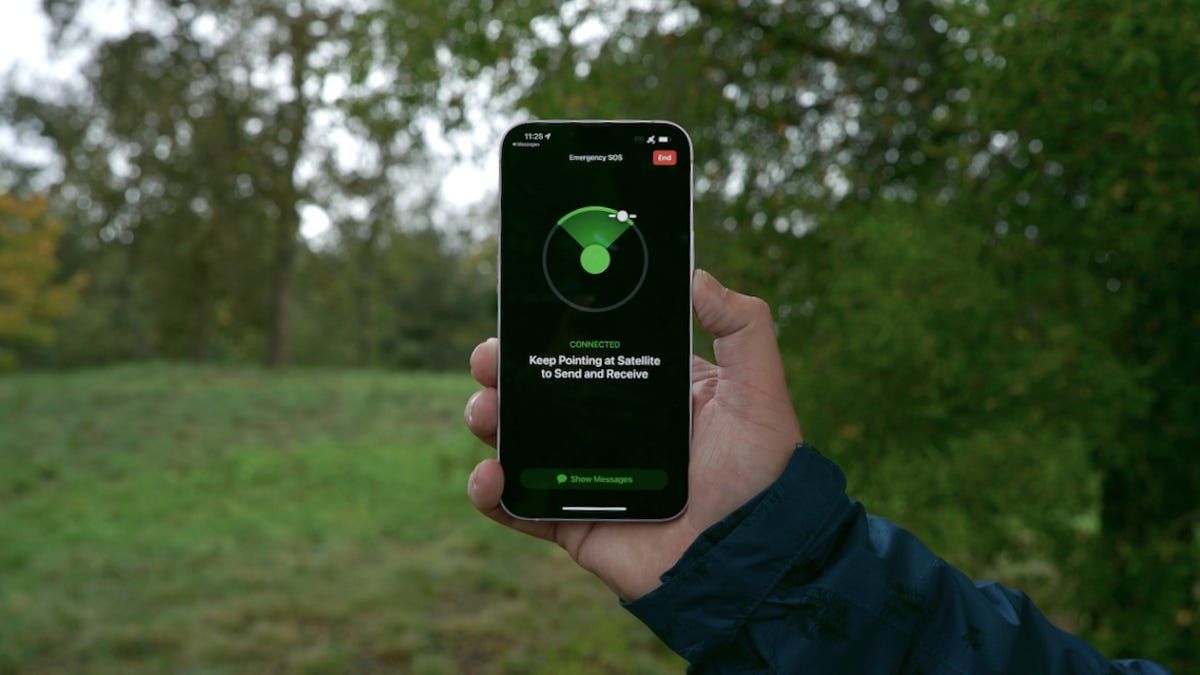
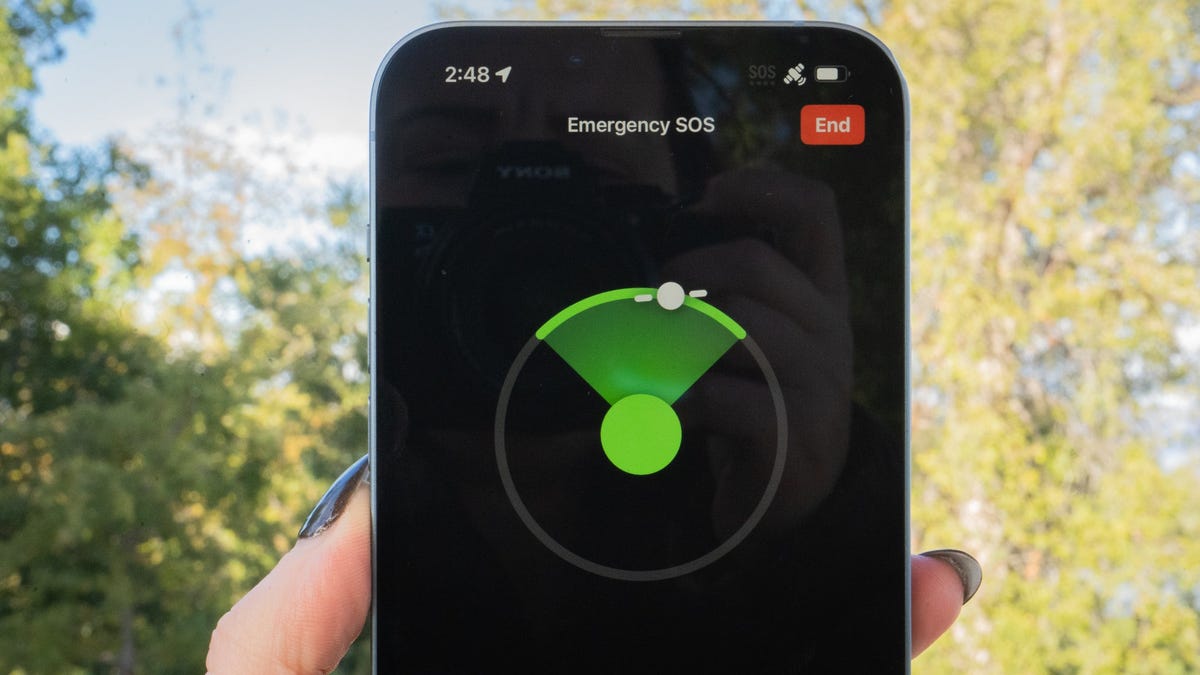
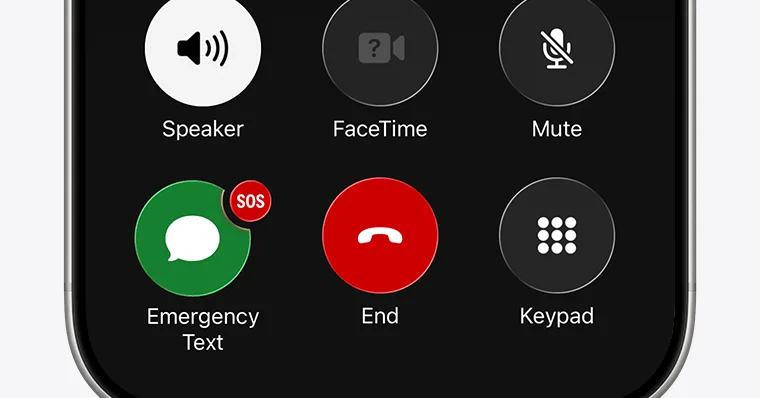
Apple's Emergency SOS via satellite feature, available on the iPhone 14 and 15, is designed for exceptional circumstances when no other means of reaching emergency services are available. The feature automatically contacts emergency services over a satellite connection when there is no Wi-Fi or mobile data. It is important to note that the satellite connection is slow and limited, suitable only for transmitting key information about the situation. Users can activate the feature by attempting to make an emergency call and selecting the Emergency Text via Satellite option. The feature requires a clear view of the sky and the horizon, and messages can take up to 15 seconds to send.
The iPhone 14 and 15 series have a feature called Emergency SOS via Satellite, which allows users to contact emergency services in remote areas without cellular service. By connecting to communications satellites, users can send text messages to emergency dispatchers when they are unable to make a phone call. The feature includes an emergency questionnaire, location sharing, and the ability to notify emergency contacts. It is available on select iPhone models and is free for two years. The service is supported by a partnership with satellite telecommunications company Globalstar.
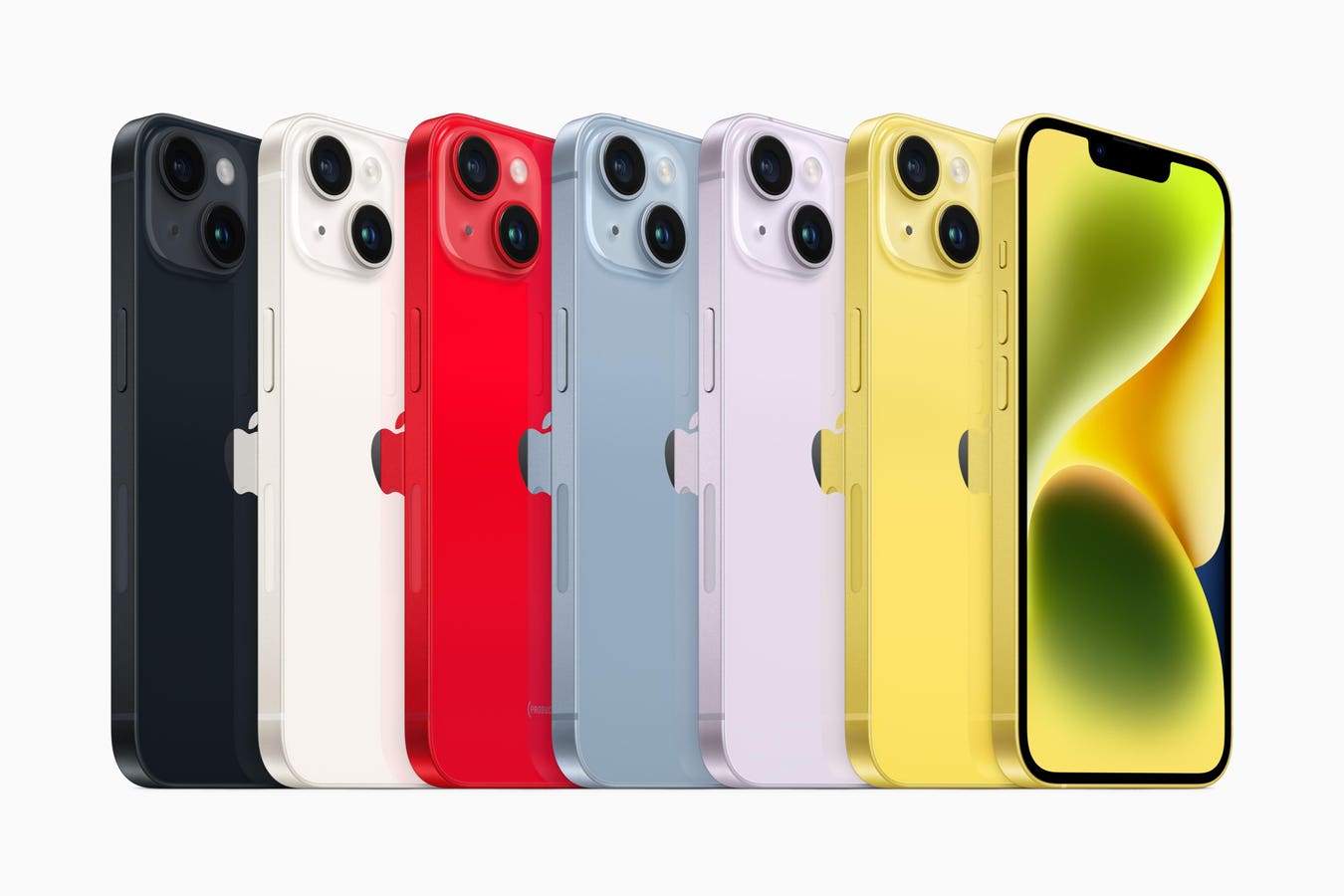
Apple has surprised iPhone 14 users by extending the free access to emergency SOS via satellite for an additional year. This feature, which allows users to contact emergency services without cellular connection, has been available for a year and has already helped save lives. The extension applies to iPhone 14, iPhone 14 Plus, iPhone 14 Pro, and iPhone 14 Pro Max models activated before the announcement. It is also available for all iPhone 15 series models. The service is currently available in 16 countries and regions. Apple's decision to extend the free access may be due to the upcoming inclusion of satellite connectivity in rival phones, putting pressure on them to offer a similar cost-effective solution.
Apple has extended free access to Emergency SOS via satellite to iPhone 14/14 Pro users for an additional year, giving them three years of the service instead of two. This move aligns the support timeline for iPhone 14 users with those purchasing the iPhone 15/15 Pro. iPhone 15 users will also receive two years of satellite emergency services bundled with their devices. Apple may introduce additional features or bundle the service with other offerings in the future. While the cost of the service after the free period has not been disclosed, rumors suggest it could be a usage fee of $5/month or part of an Apple One subscription. Personal safety features have become a significant selling point for smartphones, and Apple's extension of Emergency SOS via satellite highlights the importance of connectivity in emergency situations.
Apple has announced that it will extend free emergency SOS satellite access for existing iPhone 14 owners, allowing them to make calls and send messages even in areas without cellular coverage. This feature was initially introduced with the iPhone 14 and provides a crucial lifeline during emergencies.
Apple has announced that it is extending the free phase of its Emergency SOS service for an additional year for iPhone 14 owners, allowing them to access emergency services via satellite connection in areas with no Wi-Fi or cellular signal. The extension aligns the service expiration date for both iPhone 14 and 15 generations in November 2025. Apple's decision may be due to the company still determining a subscription price that consumers would be willing to pay for the added peace of mind. With Qualcomm's failed attempt to launch a similar satellite-based emergency service for Android, Apple has more time to deliberate on a price for Emergency SOS. Additionally, Apple recently introduced Roadside Assistance via satellite for users experiencing car issues outside cellular coverage.