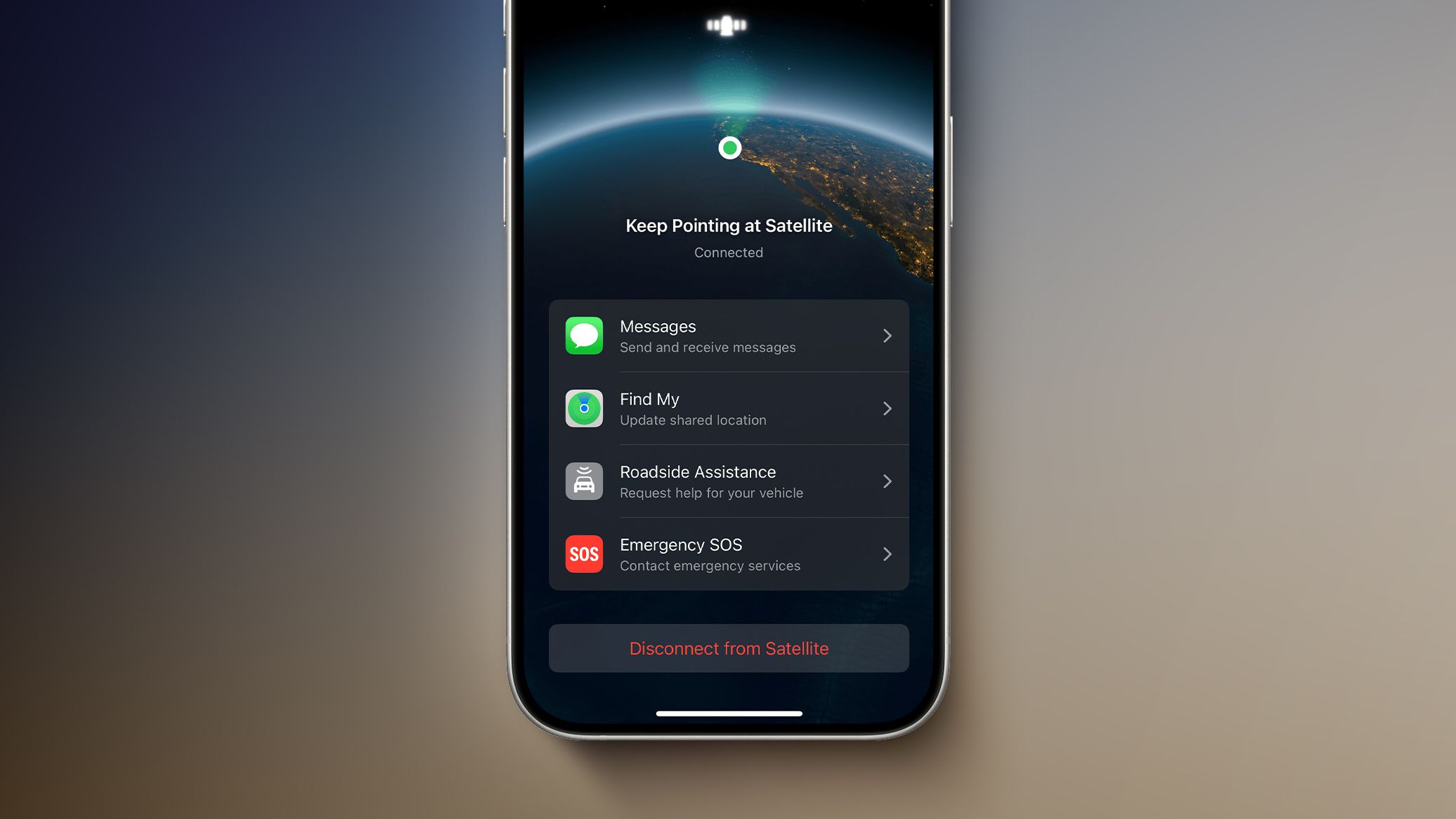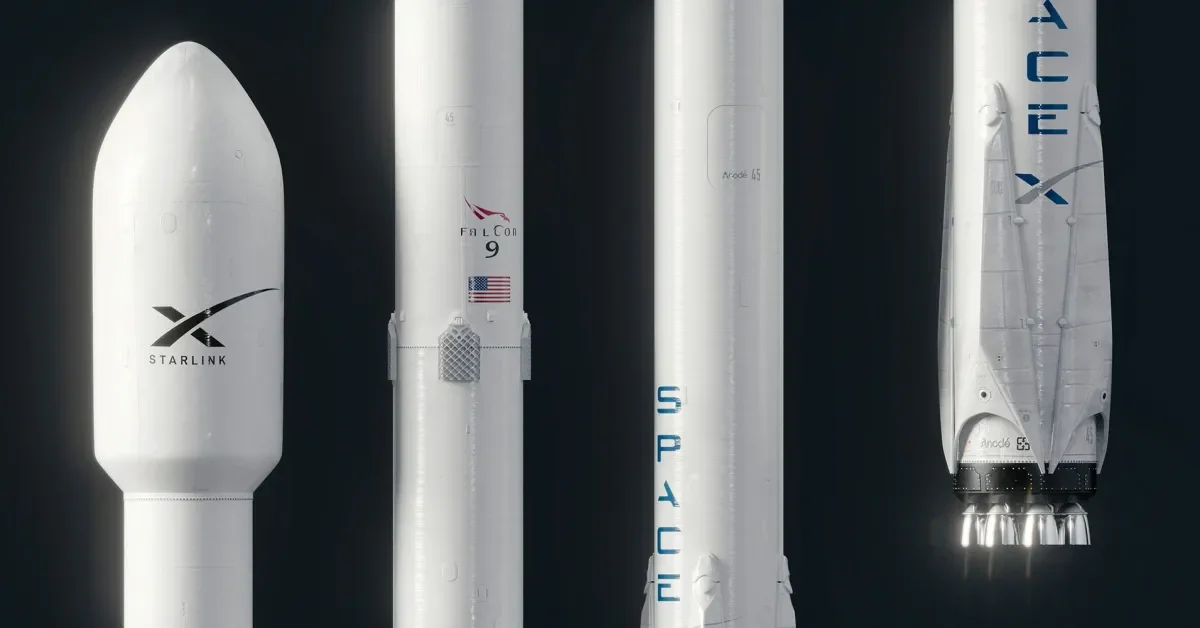
Apple may consider switching from Globalstar to SpaceX's Starlink for its satellite communication services due to recent developments, including SpaceX's acquisition of spectrum licenses and plans to significantly increase its satellite constellation, which could enhance capacity and app support for Apple devices.
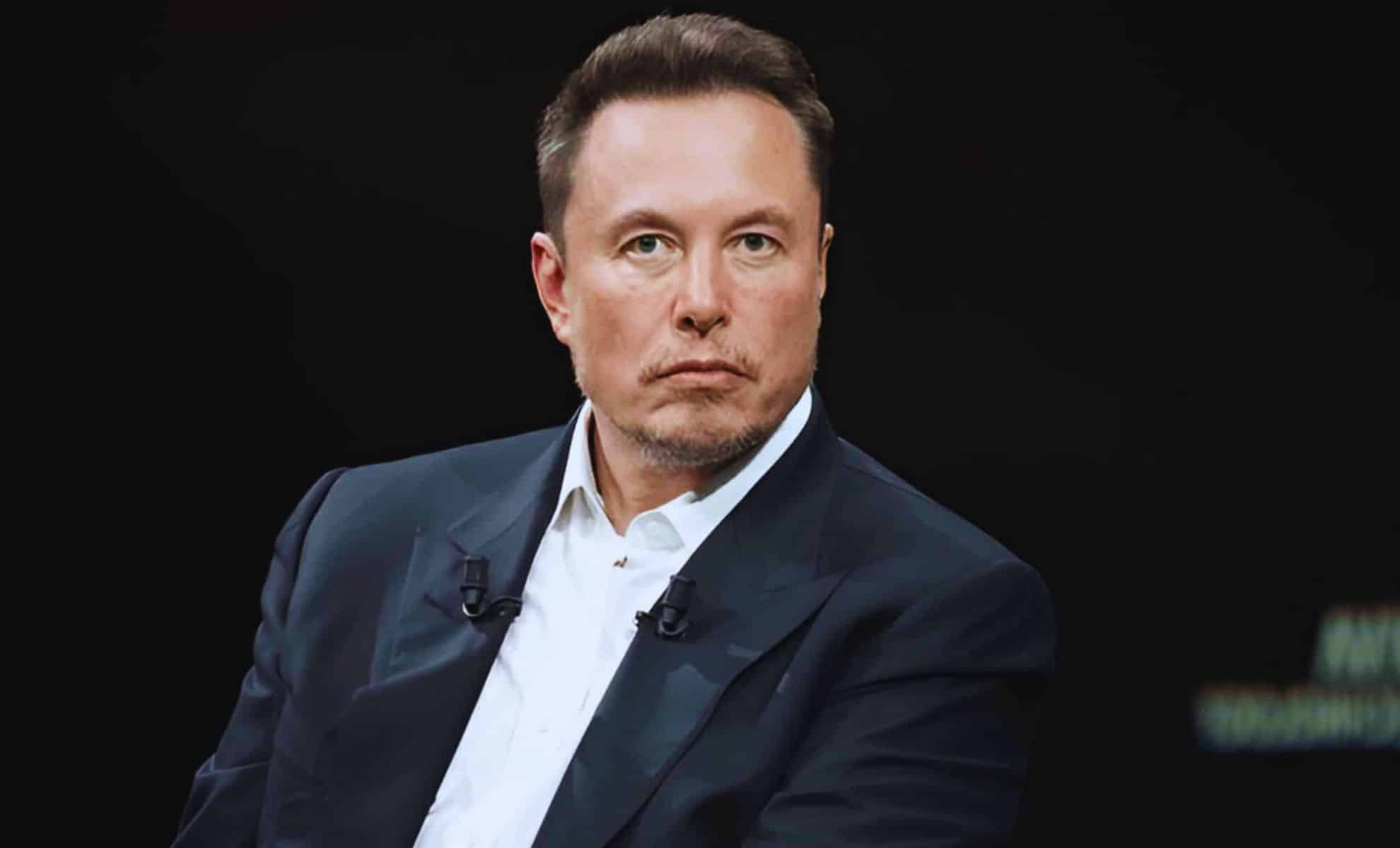
Elon Musk offered Apple $5 billion for a satellite connectivity deal, which Tim Cook declined, leading Musk to launch a competing service with T-Mobile, escalating a rivalry over satellite communication technology and legal battles over spectrum rights, shaping the future of smartphone connectivity.
Apple's Emergency SOS via satellite feature, launched two years ago on iPhone 14 models, remains free and has expanded globally. Initially available in the U.S. and Canada, it now covers multiple countries, with additional features like Roadside Assistance and Messages via satellite. Apple has extended the free usage period, but future charges are possible. The company is investing $1.5 billion in Globalstar to enhance satellite services, potentially expanding coverage and improving connection times.
Apple is reportedly exploring the smart glasses market through an internal study called 'Atlas' to gather employee feedback on existing products. This move could position Apple as a competitor to Meta's Ray-Ban smart glasses, though any product launch is years away. Additionally, Apple plans to invest nearly $10 million in Indonesia to address a sales ban on its latest iPhones due to local content requirements. The company is also investing $1.5 billion in Globalstar to enhance iPhone satellite services.