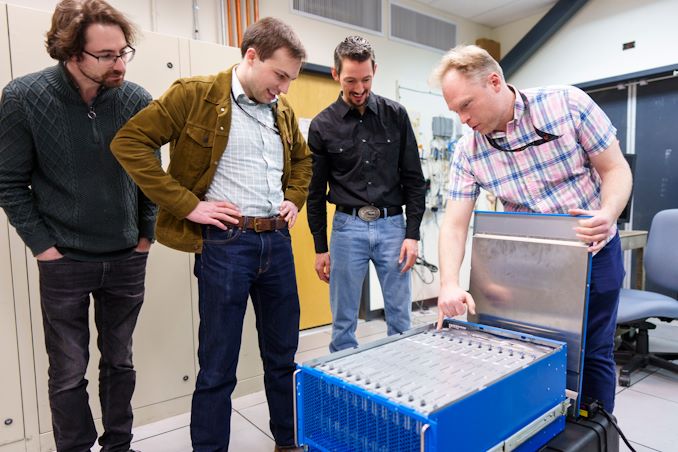
Intel and Sandia National Laboratories have unveiled the Hala Point neuromorphic system, featuring 1.15 billion neurons and 1152 Loihi 2 processors, making it the largest neuromorphic system in the world. The system aims to advance research into neuromorphic computing, with a focus on AI inference and energy efficiency. Sandia plans to use the system for large-scale neuromorphic computing research, while Intel is exploring the potential for continuous learning and dataset augmentation. The ultimate goal is to develop commercial systems and refine algorithms for larger workloads.

Satellite data from the U.S. Space Force reveals that the reduction of sunlight reflectivity, or albedo, has amplified warming in the Arctic, with a 20% to 35% loss in total reflectivity observed from 2014 to 2019. This unprecedented rise in local temperatures is linked to the reduction in sea ice and the increased absorption of sunlight by the exposed dark ocean, as well as the formation of ponding water on the remaining sea ice. The findings, published in Nature Scientific Reports, provide a comprehensive multi-year examination of the relationship between albedo and Arctic warming, shedding light on the accelerating climate changes in the region.
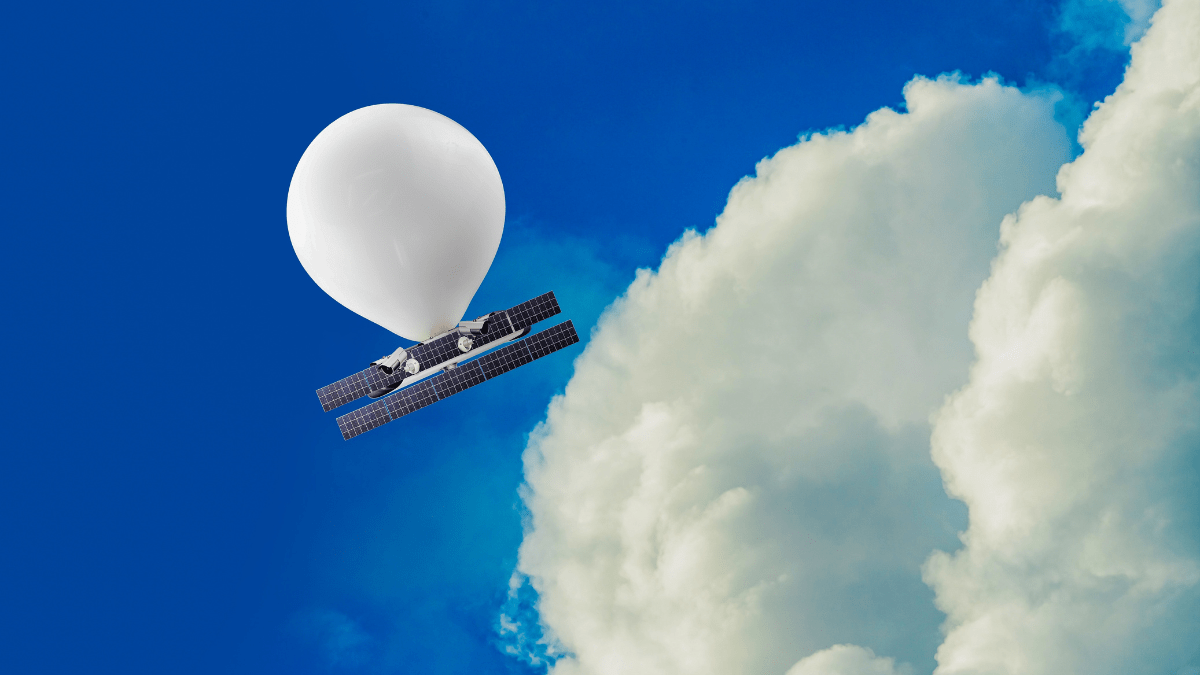
Researchers from Sandia National Laboratories in New Mexico have used solar-powered balloons to capture mysterious sounds in Earth's stratosphere, including thunder, ocean waves colliding, propeller aircraft, city sounds, suborbital rocket launches, earthquakes, and several unidentified noises. The balloons carried infrasound recorders up to 70,000 feet, and some of the mysterious infrasound signals occur a few times per hour during flights, but their source remains unknown.
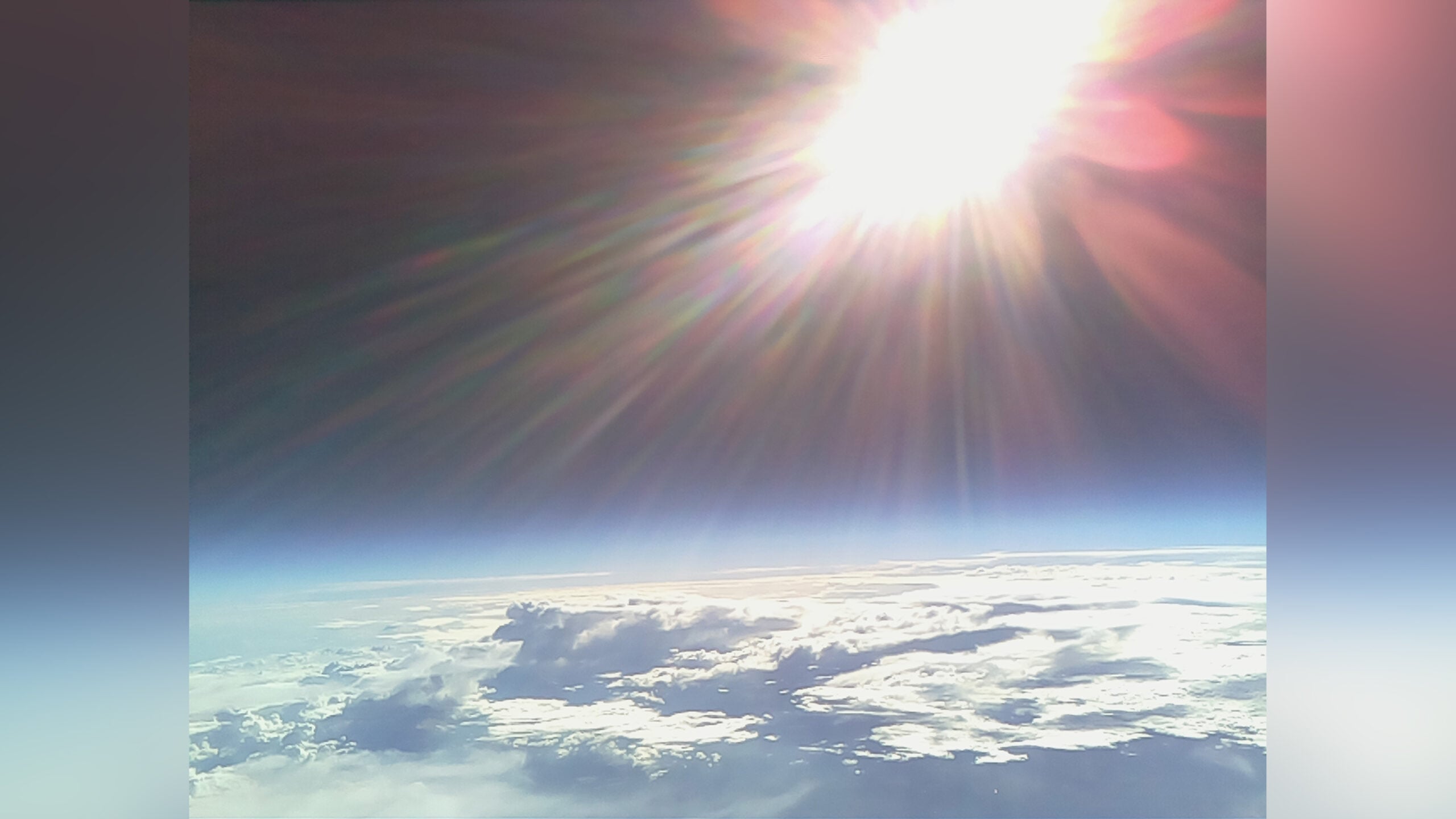
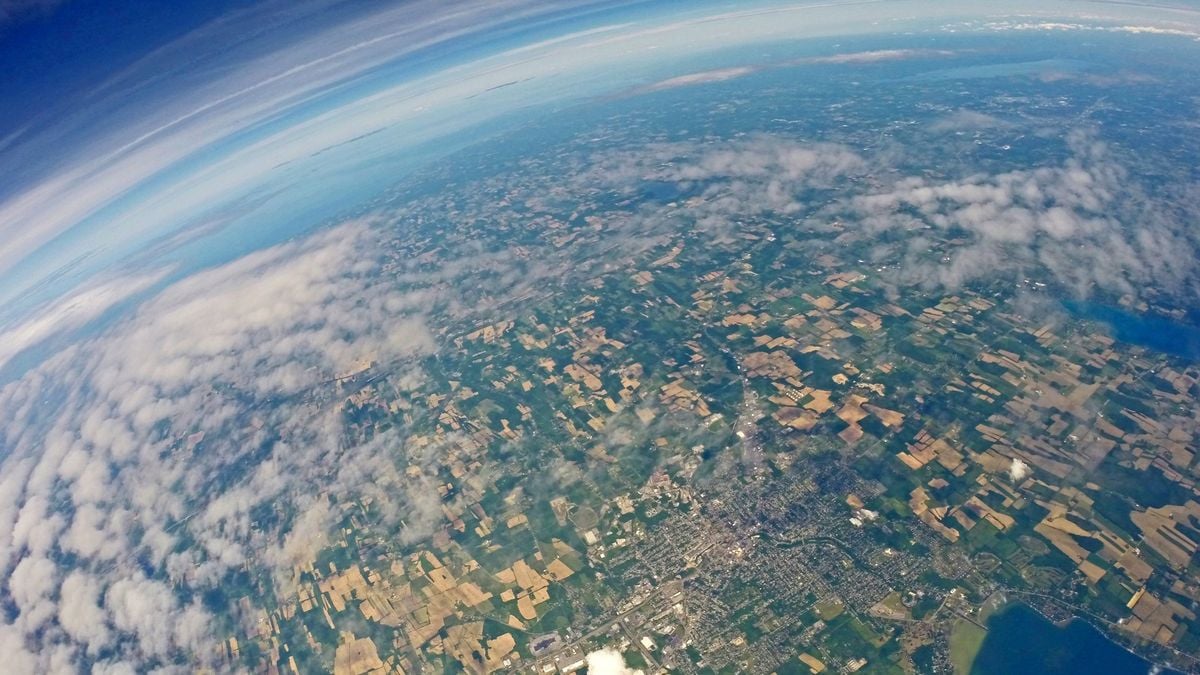
Solar balloons were sent 70,000 feet up in the air to record sounds of Earth’s stratosphere, and the microphones picked up some unexpected sounds. The balloons can take sensors twice as high as commercial jets can fly. The researchers tracked their balloons using GPS, since they can travel for hundreds of miles and land in inconvenient locations. The advantage of the high altitude reached by the balloons means that noise levels are lower and the detection range is increased — and the whole Earth is accessible.
Scientists from Sandia National Laboratories launched solar-powered balloons carrying microphones to the stratosphere, a region of Earth's atmosphere around 31 miles above the planet. The microphones detected strange sounds that repeat a few times per hour, which have yet to be identified. The sounds were recorded in the infrasound range, meaning they were at frequencies of 20 hertz and lower, well below the range of the human ear. The team's research will be presented at the 184th Meeting of the Acoustical Society of America.