The article discusses the current trend of slim phones from Apple and Samsung, which, despite their popularity at events, have underwhelming sales due to drawbacks like reduced camera quality and battery life. These slim devices are seen as a stepping stone toward more innovative foldable phones, which are expected to see significant growth in shipments by 2026, driven by companies like Samsung and potentially Apple, as they push the boundaries of mobile design and functionality.
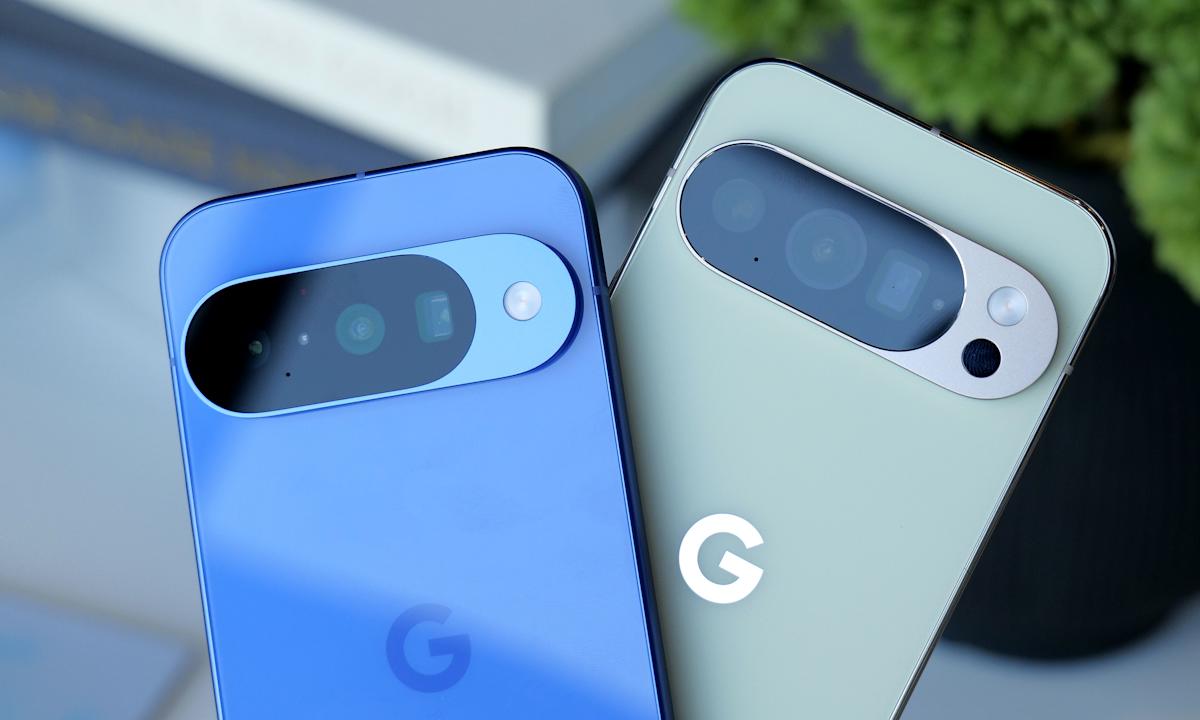
The article highlights AI-centric features in the Pixel 10, including Voice Translate and Pro Res Zoom, and discusses upcoming tech developments such as Apple's potential foldable iPhone with Touch ID, the US government's stake in Intel, Google's new smart home devices, and a lawsuit from Elon Musk's xAI against Apple and OpenAI for market monopolization.
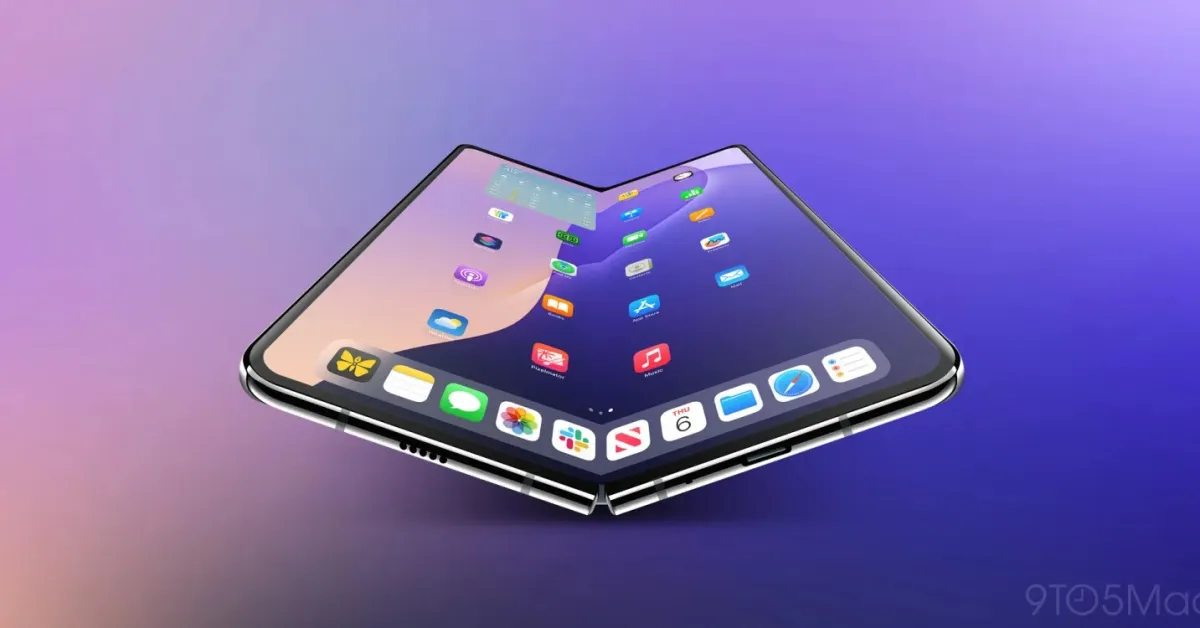
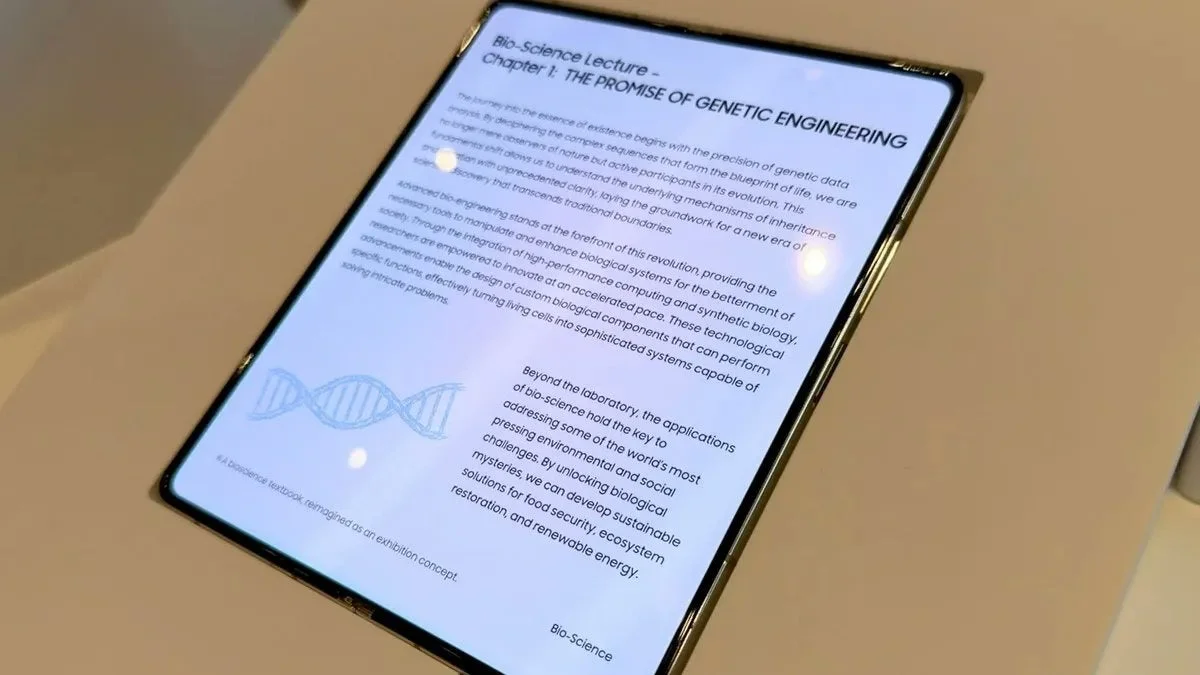
Samsung's upcoming Galaxy Z Fold 8 aims to address one of the main issues with foldable phones by introducing a crease-free display technology using a laser-drilled metal display plate, which could also be used in Apple's first foldable iPhone, potentially leading to a competitive showdown between the two devices.
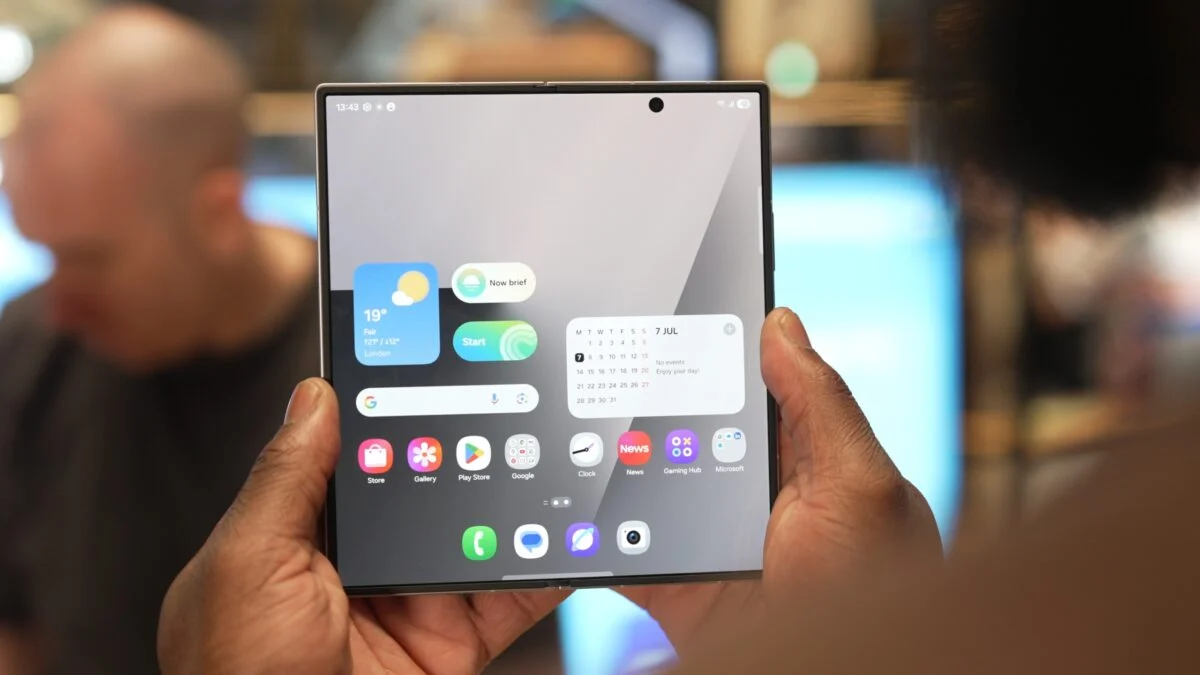
The Galaxy Z Fold 7 has finally addressed the thickness issue, making foldable phones more mainstream and resembling regular phones when closed, which has led the author to consider a foldable iPhone in the future, despite its high price.