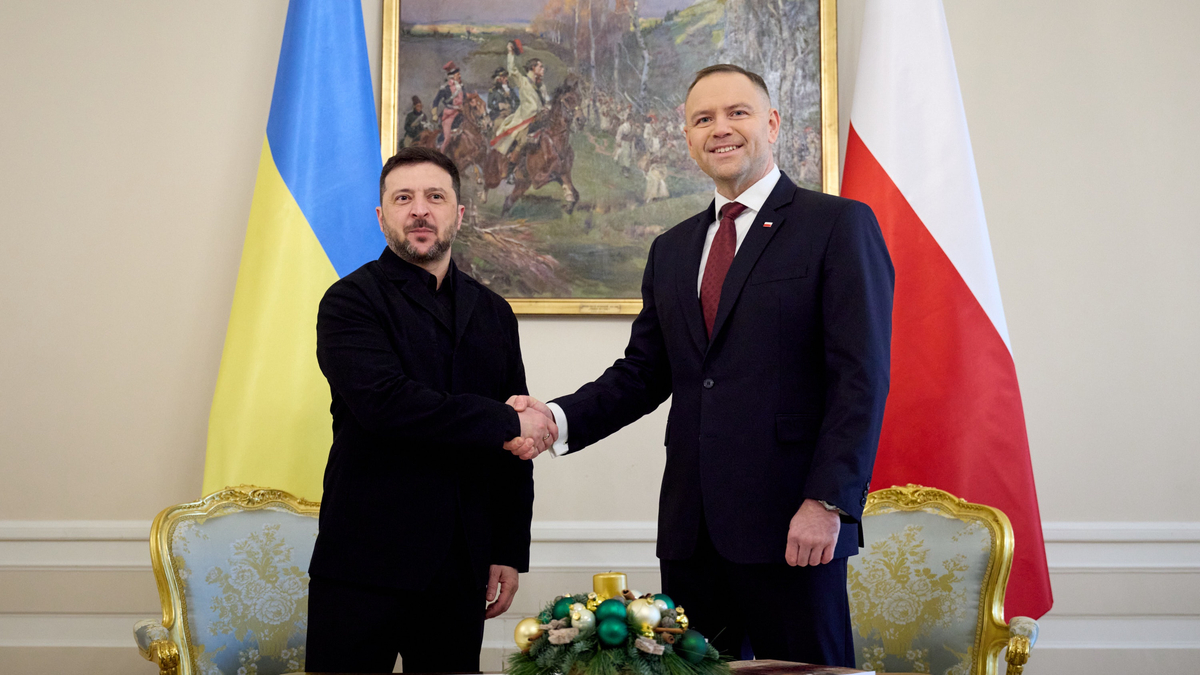
Polish and Ukrainian leaders met to strengthen ties, reaffirm support against Russia, and address historical and economic issues, signaling regional unity and a strategic partnership despite internal political disputes in Poland.
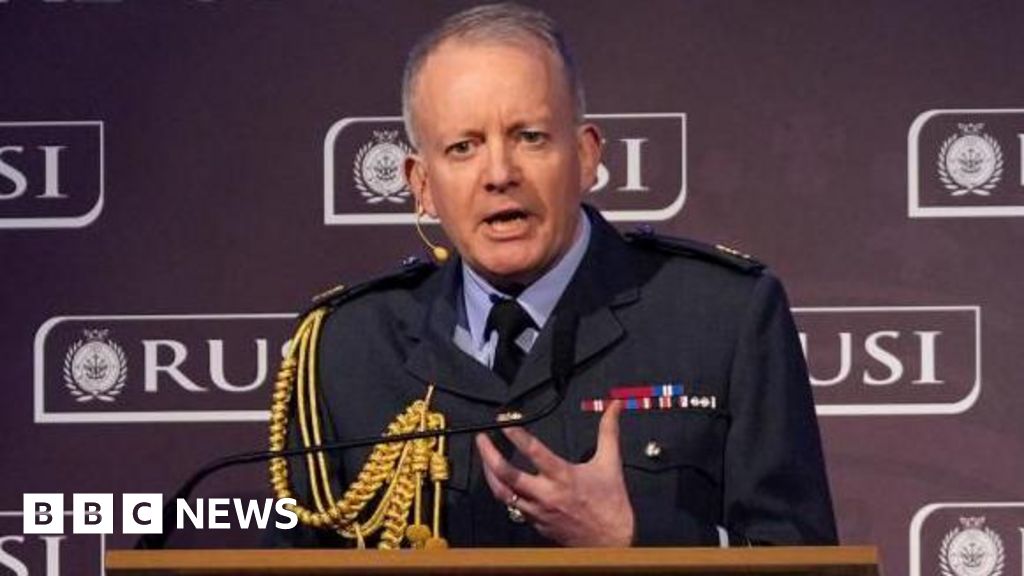
UK military chief Sir Richard Knighton emphasizes the need for increased national defense readiness, including more personnel and industry capacity, to deter Russian threats and hybrid attacks, while calling for a societal response involving schools, families, and industries. The UK aims to bolster resilience and rearmament with significant investment and a focus on industrial and technological development.
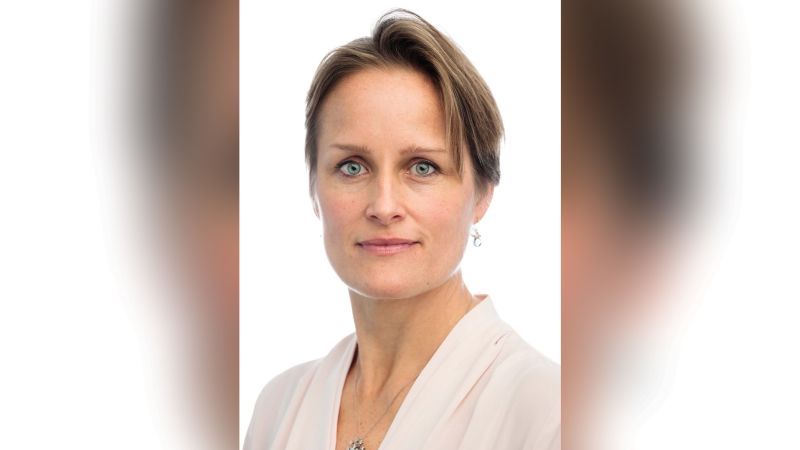
Blaise Metreweli, the first female head of MI6, warns that the UK faces a pervasive threat from Russia and other hostile actors, emphasizing the importance of technological mastery and human agency in national security amidst a complex, tech-mediated threat landscape.
NATO is preparing for a potential confrontation with Russia with limited US support as the US reduces its military presence in Europe, raising concerns among European nations about their ability to defend themselves independently amidst ongoing tensions and Russian aggression.
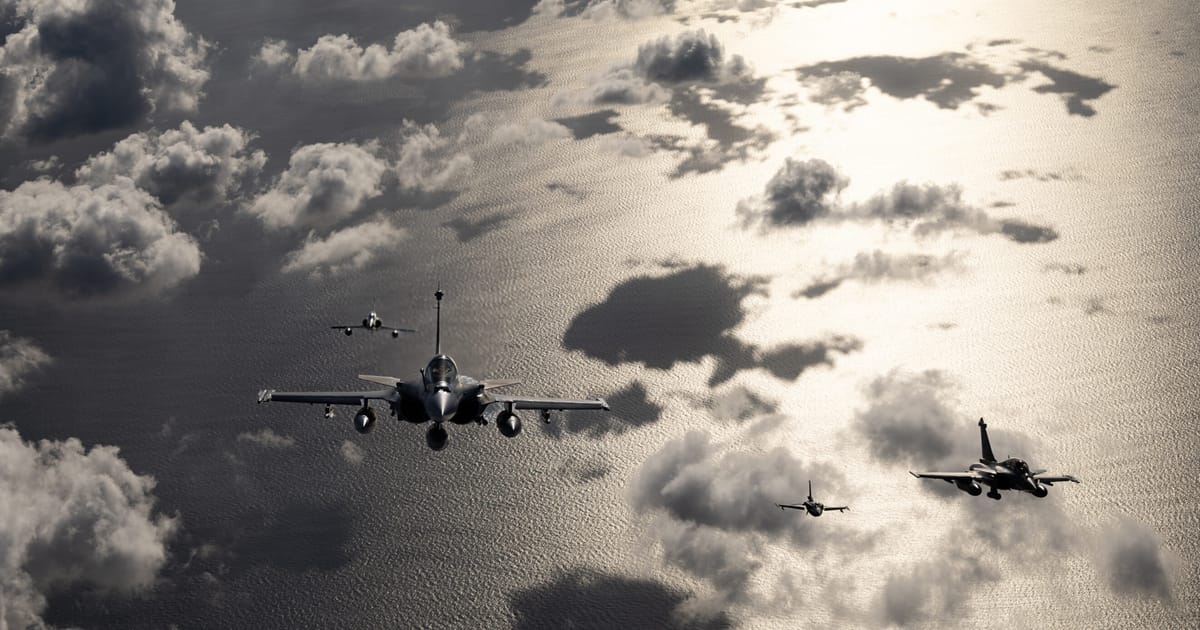
The EU is developing a comprehensive military plan called the Defence Readiness Roadmap 2030, aiming to strengthen its defense capabilities, increase joint procurement, and prepare for potential conflicts with Russia by 2030, with a focus on filling capability gaps and enhancing cooperation among member states.
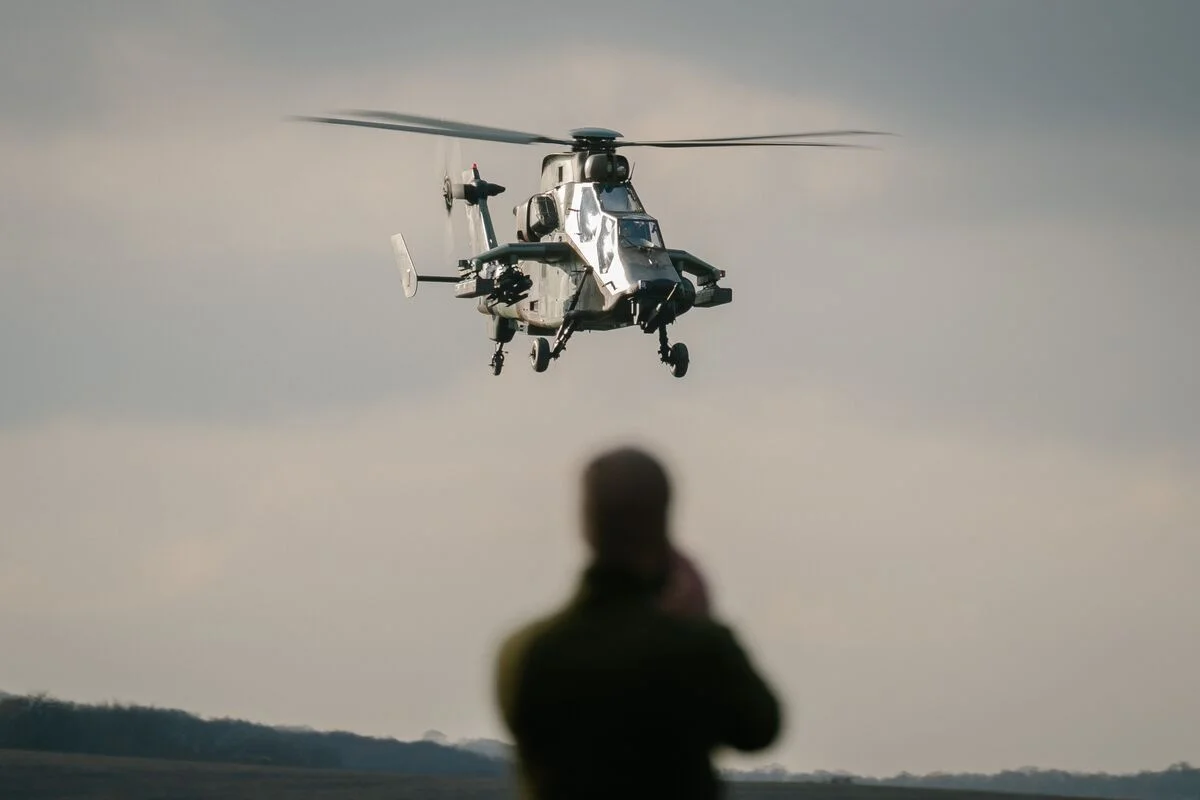
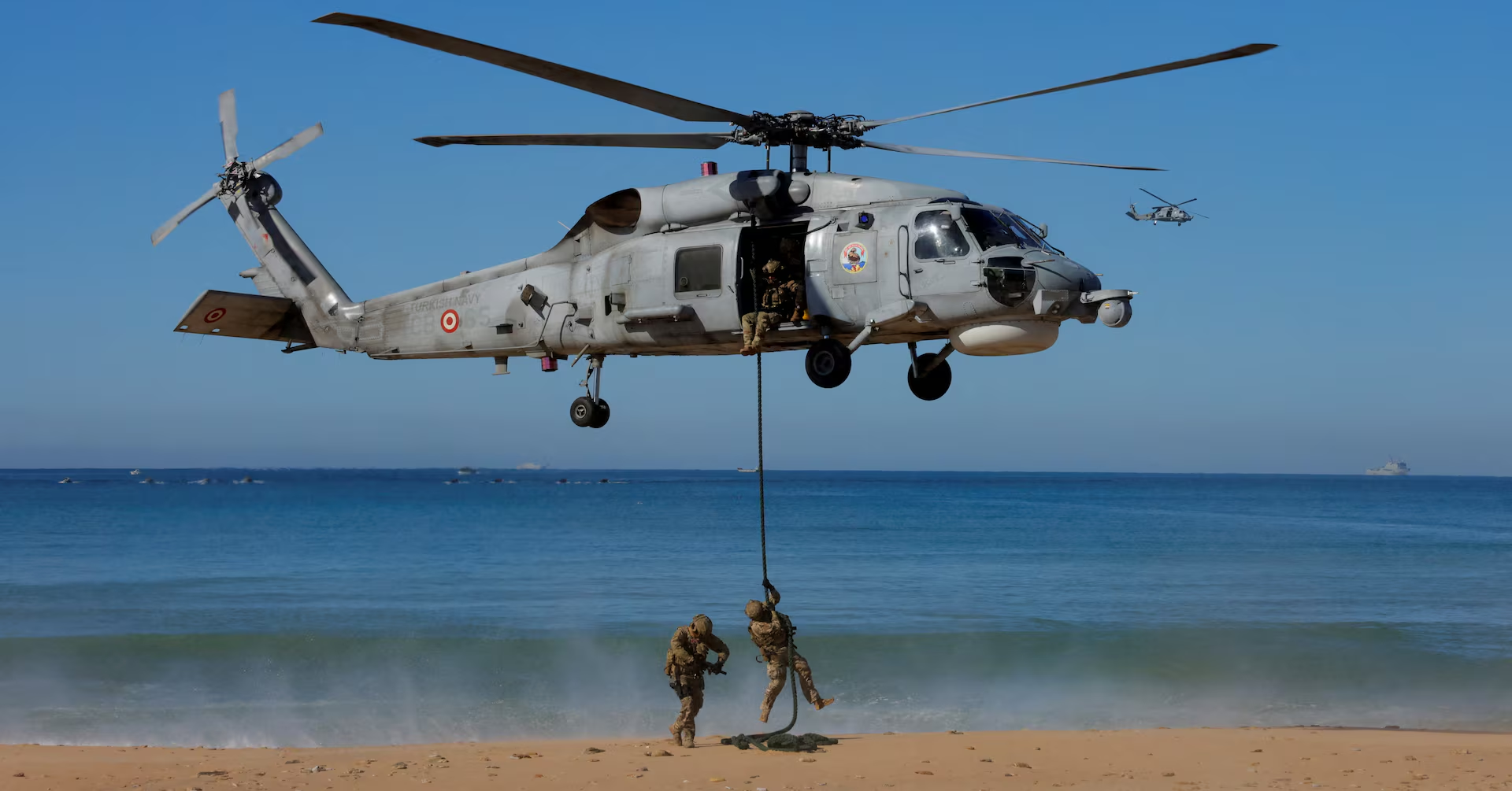
The EU is preparing a comprehensive drone defense plan to counter Russian threats, amid increased military tensions in Europe, including NATO testing anti-drone systems, Germany and Turkey discussing military aid, and ongoing conflicts in Ukraine involving Russian attacks on energy infrastructure and military movements. The US and allies are also increasing military support and warning Russia of potential costs for continued aggression.
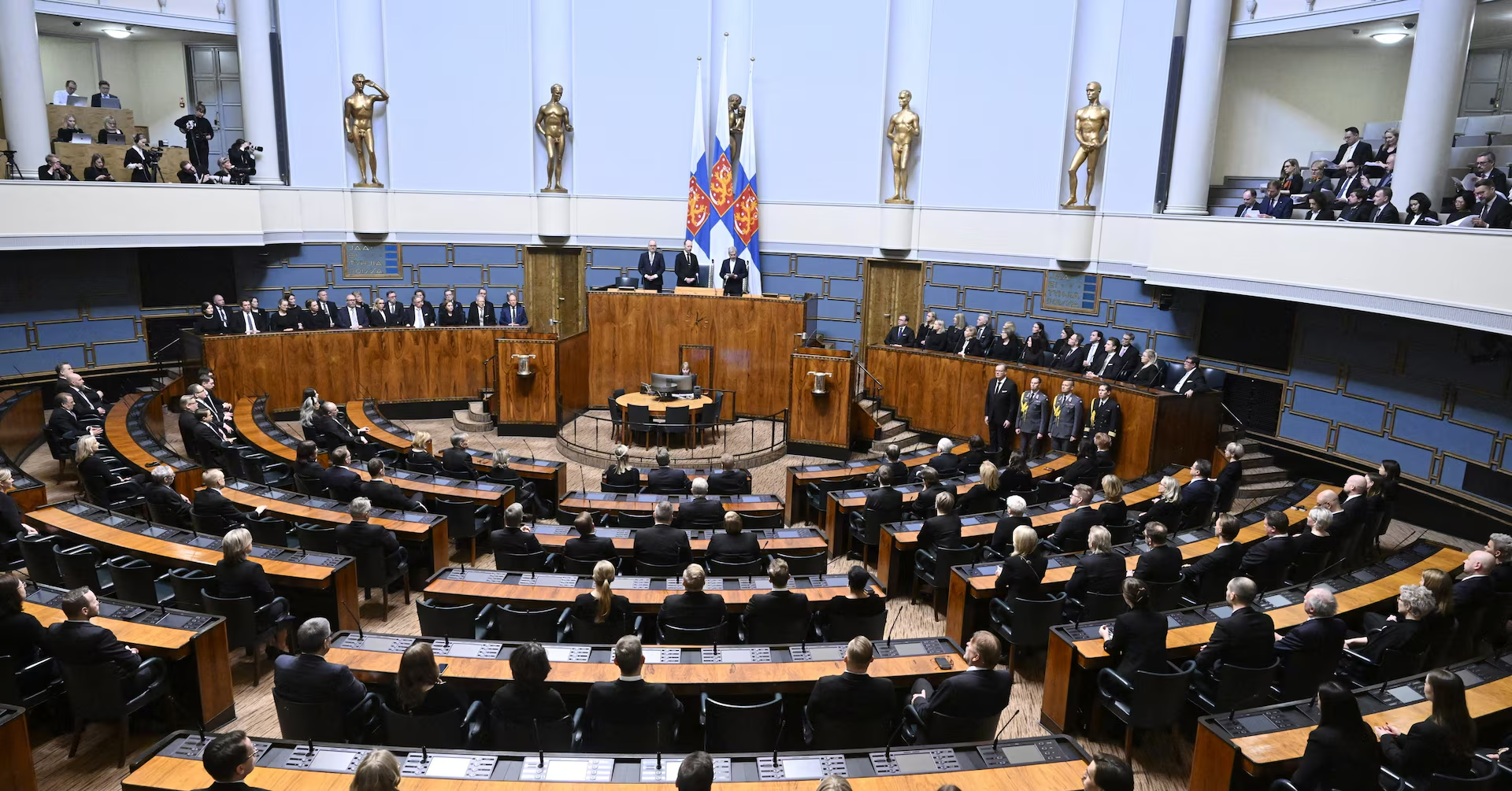
Finland's parliament voted to withdraw from the Ottawa Convention banning landmines due to security concerns over Russia, aligning with other neighboring EU and NATO countries, to enhance its defense capabilities against perceived Russian aggression.
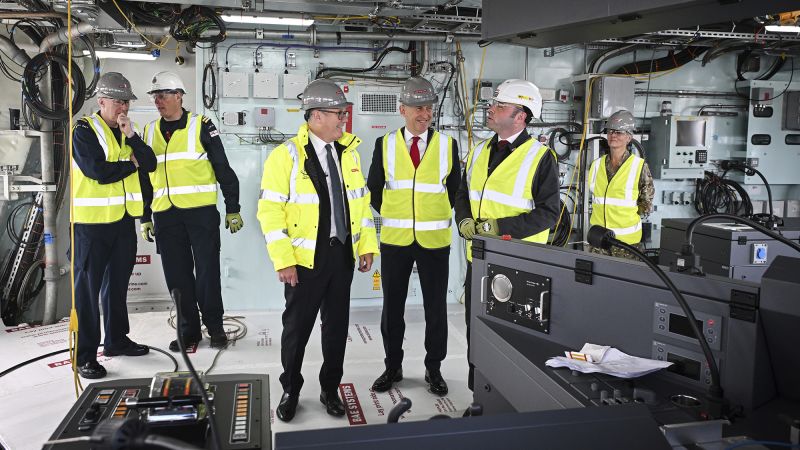
Prime Minister Keir Starmer announced plans for the UK to build up to 12 new attack submarines, invest £15 billion in nuclear weapons, and enhance military readiness amid concerns over Russia, as part of a broader effort to modernize the UK's armed forces and strengthen alliances. The government aims to reach 3% of GDP on defense by 2034, though funding sources remain uncertain, and the review highlights emerging threats like drone warfare.
The UK is significantly boosting its military capabilities, including building nuclear submarines and increasing defense spending, to send a strong message to Moscow and adapt to global threats post-Ukraine invasion, amid debates over funding and NATO commitments.
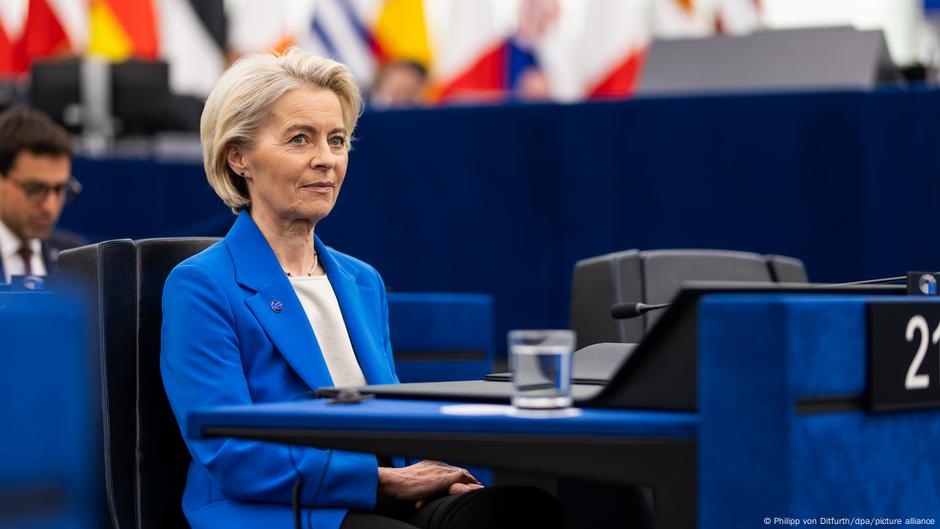
The EU has approved a 150 billion-euro arms fund to enhance European defense capabilities amid fears of Russian aggression and doubts about US security commitments, using joint borrowing to finance collaborative defense projects with a strong 'buy European' element, supported by 26 member states.