AOL is shutting down its dial-up Internet service on September 30, 2025, ending a technology that connected millions since 1991, highlighting ongoing disparities in Internet access between urban and rural areas in the US.
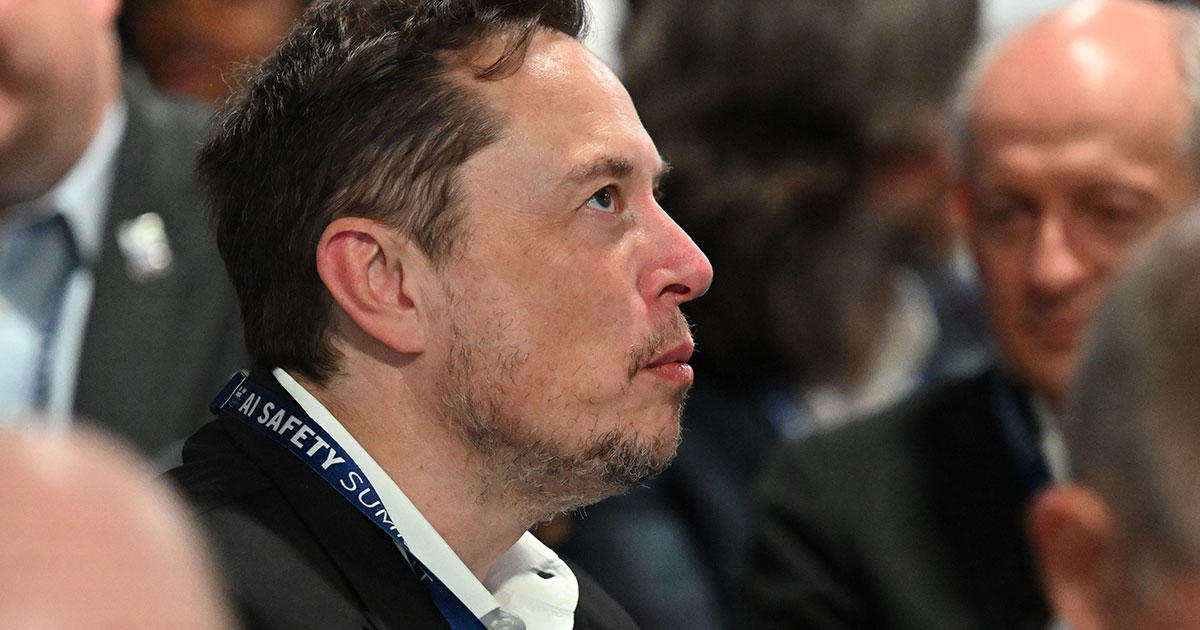
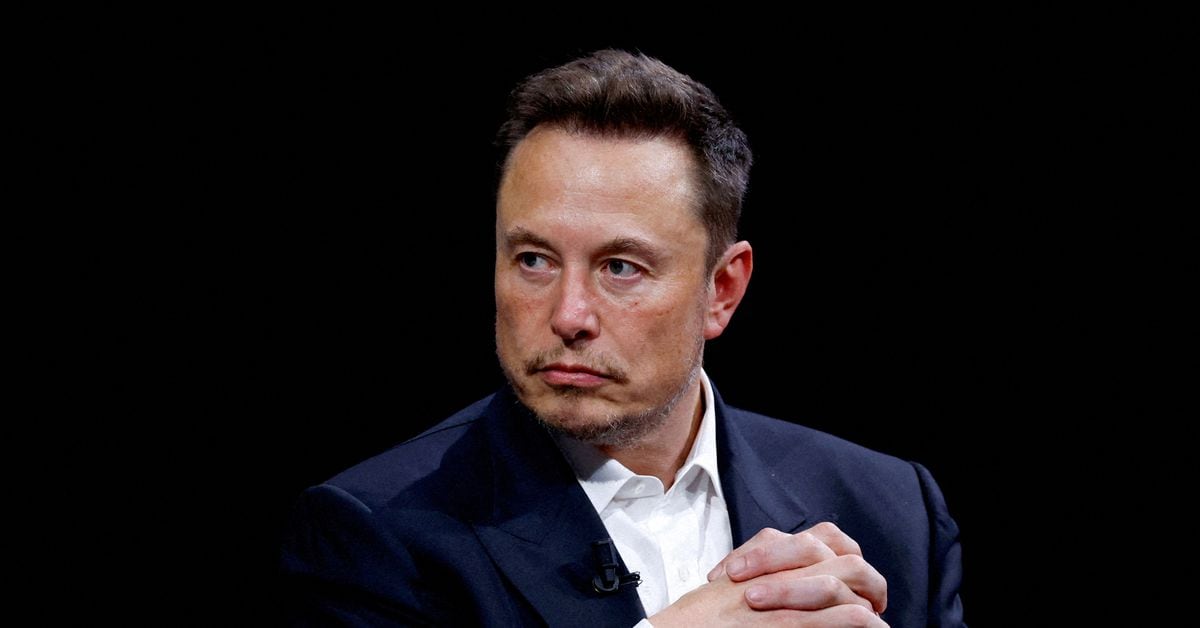
Elon Musk, appointed by Donald Trump to co-lead a commission on government efficiency, may influence federal broadband funding to benefit his company, Starlink. Musk has criticized the Biden administration's Broadband Equity, Access, and Deployment (Bead) Program, which funds rural broadband expansion, as Starlink has been excluded for not meeting speed standards. With Trump's support, Musk could shift funding priorities, potentially delaying fiber optic projects and benefiting Starlink. This raises concerns about conflicts of interest and legal challenges, as Musk's influence could reshape rural internet access policies.
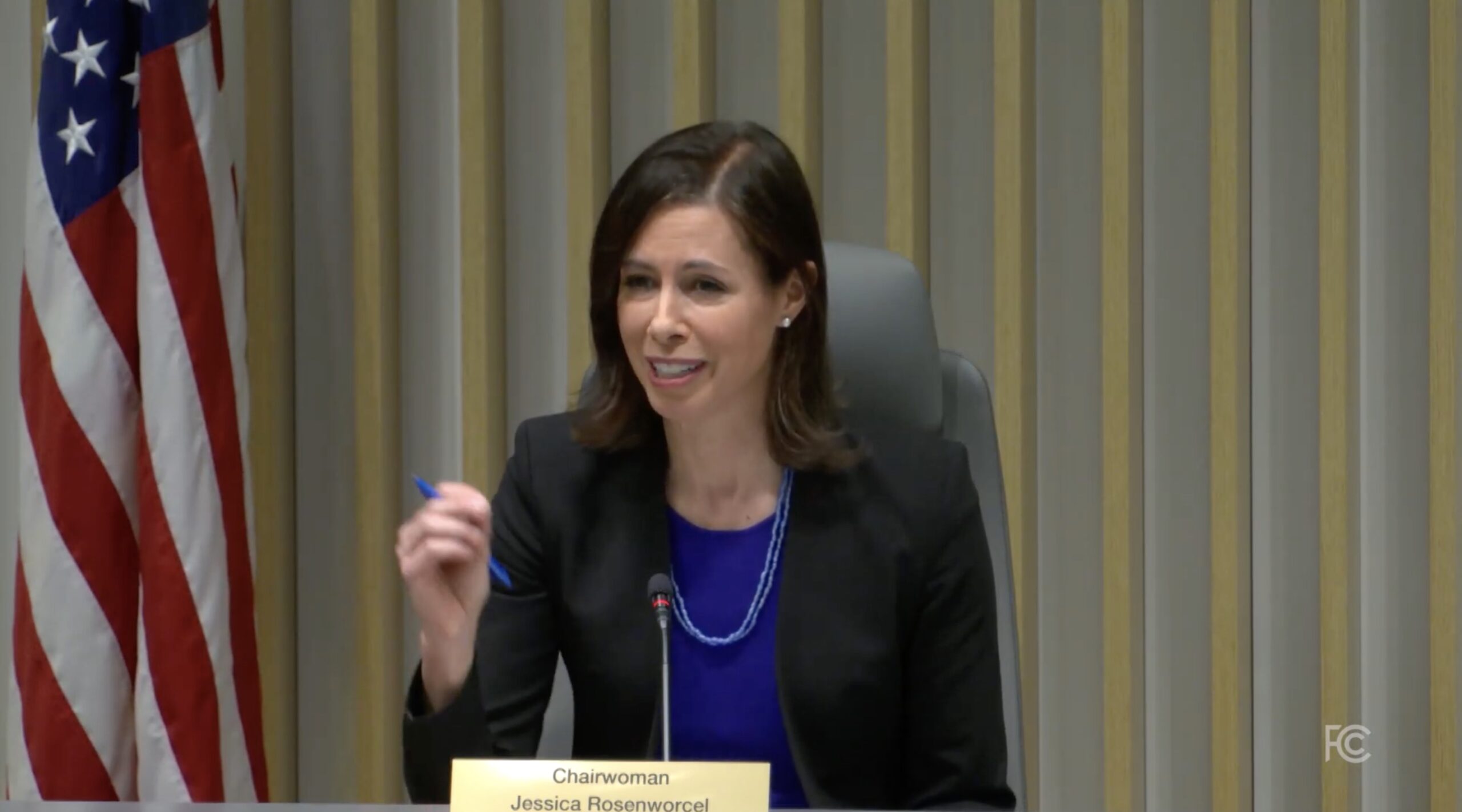
SpaceX is furious after the Federal Communications Commission (FCC) rejected its appeal to reinstate an $886 million grant for its Starlink satellite broadband service, aimed at providing high-speed internet to rural areas. The FCC's decision, which aligns with partisan lines, cited capacity constraints and inability to meet service requirements. SpaceX argues that the decision undermines the goal of connecting unserved and underserved Americans. The US has struggled to provide broadband access to rural areas, with local internet providers failing to address the issue effectively. The situation is unlikely to change without incentivizing these providers or alternative solutions.
SpaceX is criticizing the Federal Communications Commission (FCC) for refusing to reinstate an $886 million broadband grant awarded to Starlink. The FCC rejected SpaceX's appeal, stating that the company failed to meet the requirements for the grant. The grant was intended to subsidize the deployment of broadband to rural areas with limited access. SpaceX argues that Starlink is the best option to connect unserved and underserved Americans, but the FCC questioned the satellite provider's ability to consistently provide high-speed, low-latency service.
The U.S. Federal Communications Commission (FCC) has upheld its decision to deny SpaceX's satellite internet unit, Starlink, a $885.5 million subsidy for rural broadband. The FCC cited Starlink's failure to meet program requirements and its inability to demonstrate the delivery of promised services. SpaceX expressed disappointment and confusion over the decision, arguing that Starlink is the best option for achieving the goals of the rural internet program. Two Republican FCC commissioners dissented, suggesting that the Biden administration's animosity towards Elon Musk was a factor. Despite the setback, Starlink continues to expand its satellite network and currently has around two million subscribers.
The Federal Communications Commission (FCC) has upheld its decision to deny Starlink, SpaceX's satellite broadband service, nearly $900 million in rural broadband subsidies. The FCC stated that Starlink failed to meet the requirements for participating in the Rural Digital Opportunity Fund (RDOF), which includes providing 100 Mbps download speeds and 20 Mbps upload speeds. SpaceX expressed disappointment and argued that Starlink is one of the best options to connect unserved and underserved Americans in rural areas. The FCC's decision has been criticized by dissenting Republican FCC Commissioners.
The FCC has denied Elon Musk's Starlink a $886 million subsidy from the Universal Service Fund for expanding broadband service in rural areas. The FCC stated that Starlink failed to demonstrate its ability to deliver the promised service and that awarding the subsidy wouldn't be the best use of limited funds. This decision comes after Starlink's bid was rejected last year, leading to an appeal. Despite President Biden's promise of equitable internet access, his funding plan was significantly reduced, offering no money for locally-run internet service. SpaceX argues that Starlink is the only viable option to connect rural and remote areas where reliable and affordable high-speed internet is lacking.
The US Department of Agriculture (USDA) has announced $667 million in grants and loans to expand high-speed broadband access in rural areas across 22 states and the Marshall Islands. The funding, provided through the USDA's ReConnect Program, aims to bridge the digital divide by requiring recipients to build infrastructure capable of providing upload and download speeds of at least 100Mbps. The initiative is part of the Biden administration's efforts to expand access to affordable high-speed broadband and achieve universal connectivity by 2030. The funding will also support farmers in accessing emerging technologies to reduce greenhouse gas emissions and improve market opportunities.