Tag

Roman Villa

All articles tagged with #roman villa

Scientists Discover 1,350-Year-Old 'Ice Prince' Tomb of Royalty-Level Toddler
archaeology7 months ago

Scientists Discover 1,350-Year-Old 'Ice Prince' Tomb of Royalty-Level Toddler

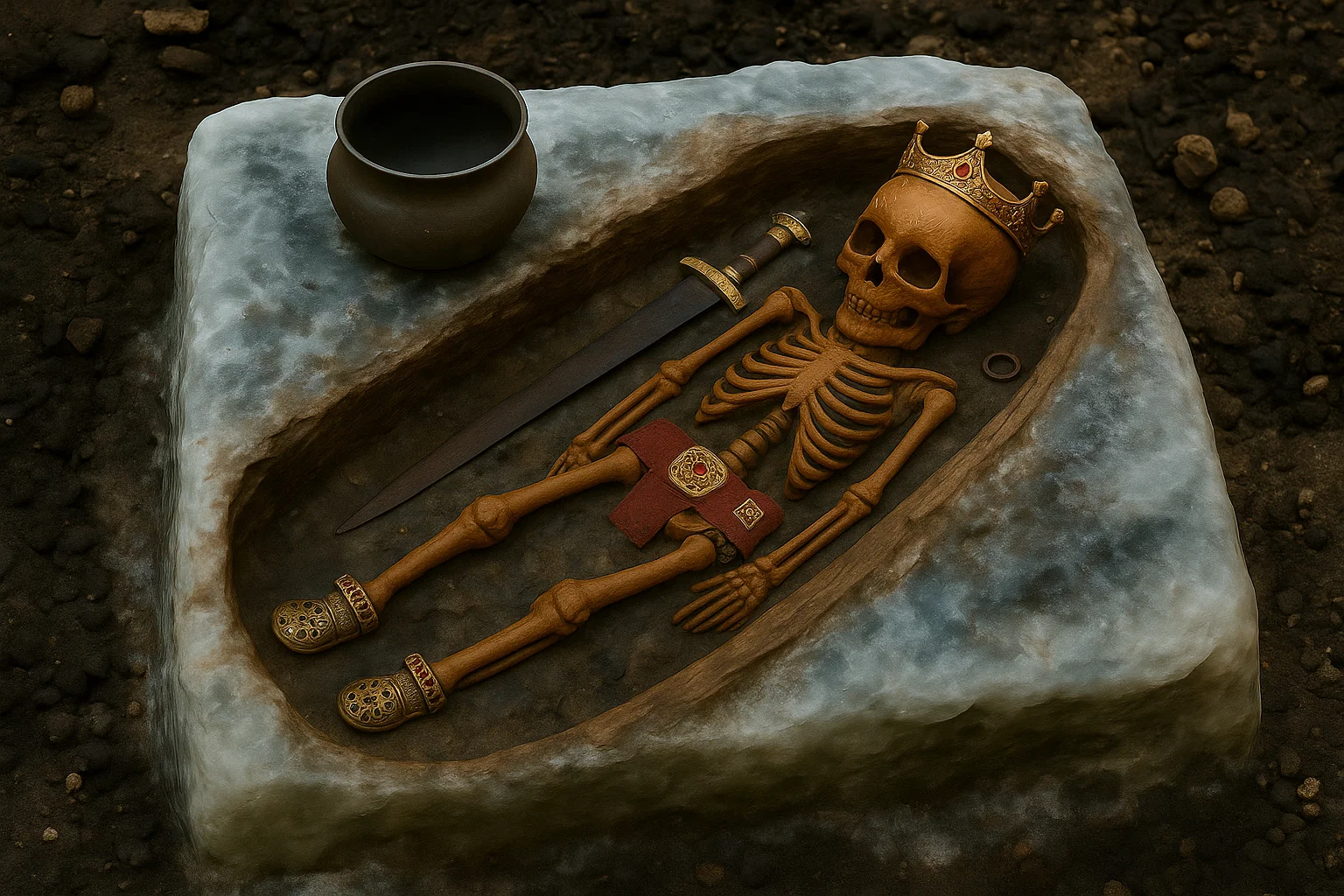
Scientists in Germany used a groundbreaking deep-freezing technique to preserve and study the 1,350-year-old grave of a young boy, revealing details about his life, social status, and burial practices, including artifacts from trade and a Roman villa repurposed as a tomb, offering new insights into early medieval society and archaeological methods.

"Unearthing a Remarkable Roman Villa: Treasures and Curse Tablets Found in Southeastern England"
archaeology1 year ago

"Unearthing a Remarkable Roman Villa: Treasures and Curse Tablets Found in Southeastern England"

Archaeologists have discovered a "remarkable" Roman villa complex in a small English village, complete with painted plaster, mosaics, and a collection of lead scrolls suggesting a possible ritual or pilgrimage site. The villa, which likely served as a small administrative center, showed signs of human activity from the 1st or 2nd century into the late 4th or early 5th century, with later additions indicating increased wealth. Excavations are ongoing, with the discovery of a horse-headed buckle from 350-450 AD suggesting the presence of late Roman elites or early Anglo-Saxon burials. Mysteries still remain, including the location of human remains and a potential sanctuary on the site.

"Unearthing a Richly Decorated Roman Villa with Curse Tablets in Southeastern England"
archaeology1 year ago

"Unearthing a Richly Decorated Roman Villa with Curse Tablets in Southeastern England"

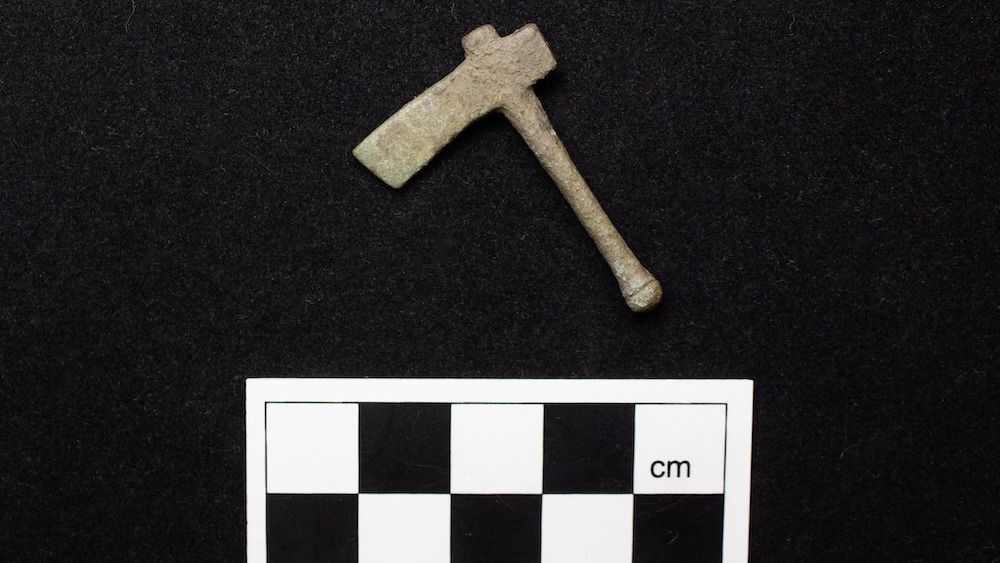
A "remarkable" Roman villa complex with miniature axes and other artifacts possibly used in rituals has been unearthed in England. The site, known as Brookside Meadows, was occupied from the Bronze Age to the late Roman period, featuring richly decorated buildings and a variety of items such as coins, rings, brooches, and a horse-headed belt buckle. The discovery of palm-sized axes and lead scrolls resembling Roman "curse tablets" suggests their use in rituals, similar to offerings found at other cult or temple sites throughout England.

Unearthed Slave Quarters Discovered Near Pompeii
archaeology2 years ago

Unearthed Slave Quarters Discovered Near Pompeii

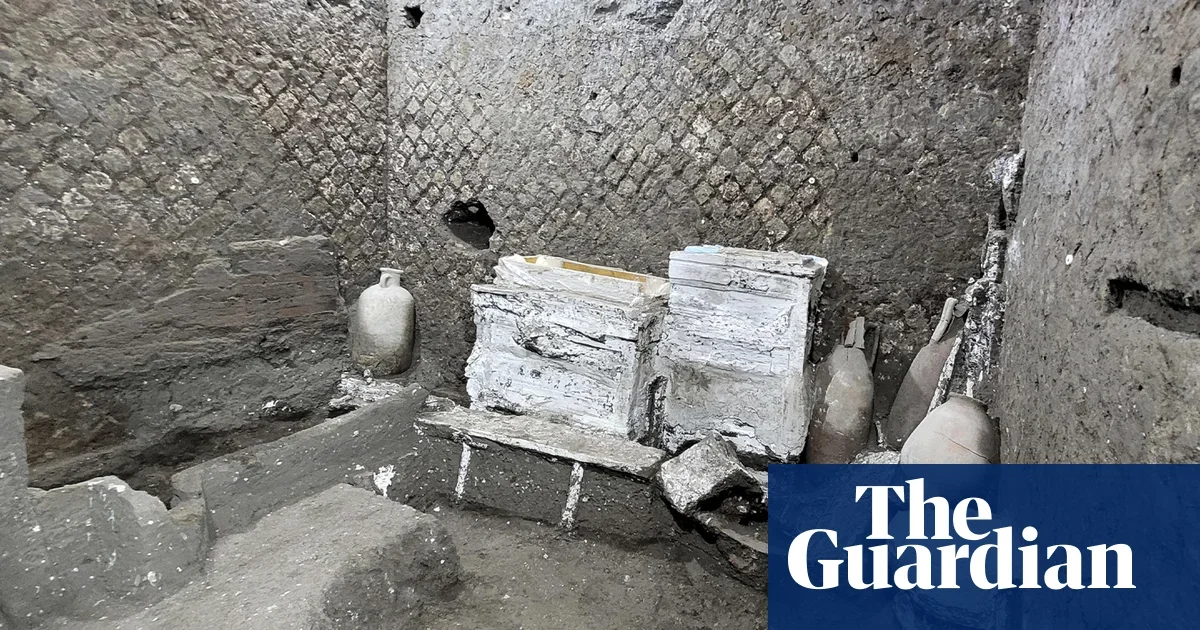
Archaeologists have discovered a small bedroom in a Roman villa near Pompeii that was likely used by slaves, shedding light on their lowly status in ancient society. The room contained two beds, one with a mattress, as well as cabinets and urns. The discovery highlights the poor living conditions and hygiene endured by the lower classes. The absence of grates, locks, or chains suggests that control over slaves was primarily exerted through internal organization rather than physical restraints. The excavation of the villa, which had been previously plundered, is part of ongoing efforts to preserve and study the historical and archaeological significance of Pompeii.

archaeology2 years ago

Unearthed Discovery Sheds Light on Ancient Roman Slavery in Pompeii

Archaeologists have discovered a small bedroom in a Roman villa near Pompeii that was likely used by slaves, shedding light on their lowly status in ancient society. The room contained two beds, one with a mattress, as well as cabinets and urns. The discovery highlights the poor living conditions and hygiene endured by the lower classes. The absence of restraints suggests that control over slaves was primarily exerted through internal organization. The excavation of the Civita Giuliana villa, which had been plundered by illegal diggers, has provided valuable insights into the material conditions and social organization of the era.

Uncovering Medusa: Ancient Mosaics Revealed.
archaeology2 years ago

Uncovering Medusa: Ancient Mosaics Revealed.

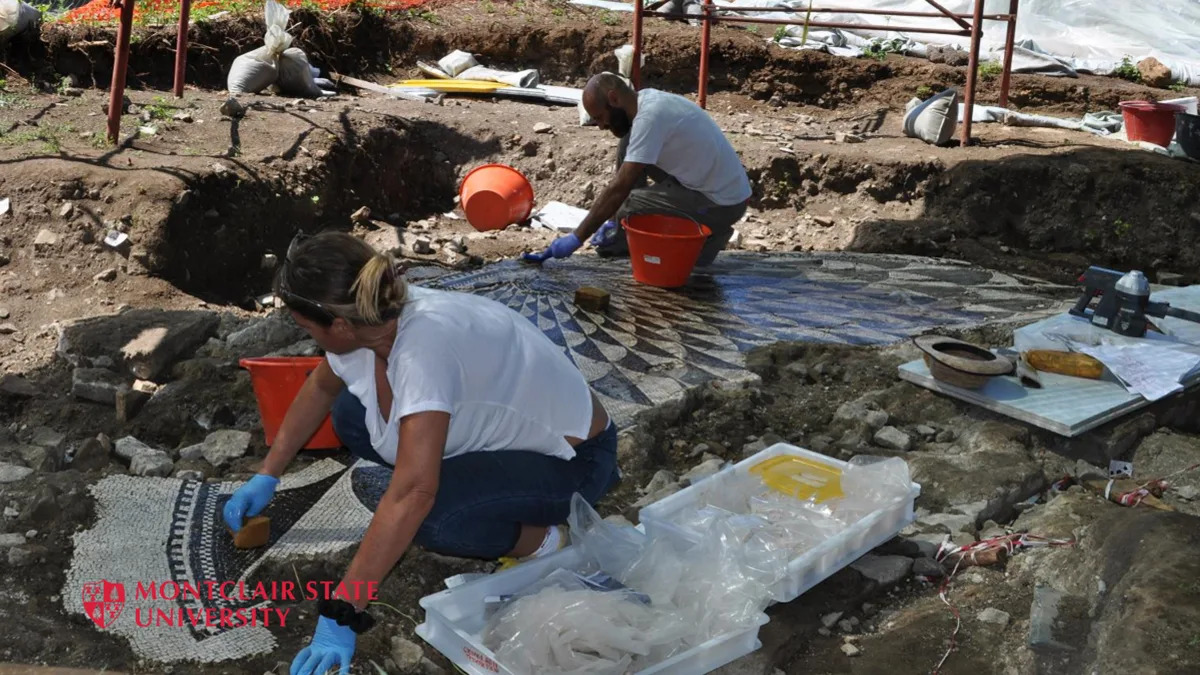
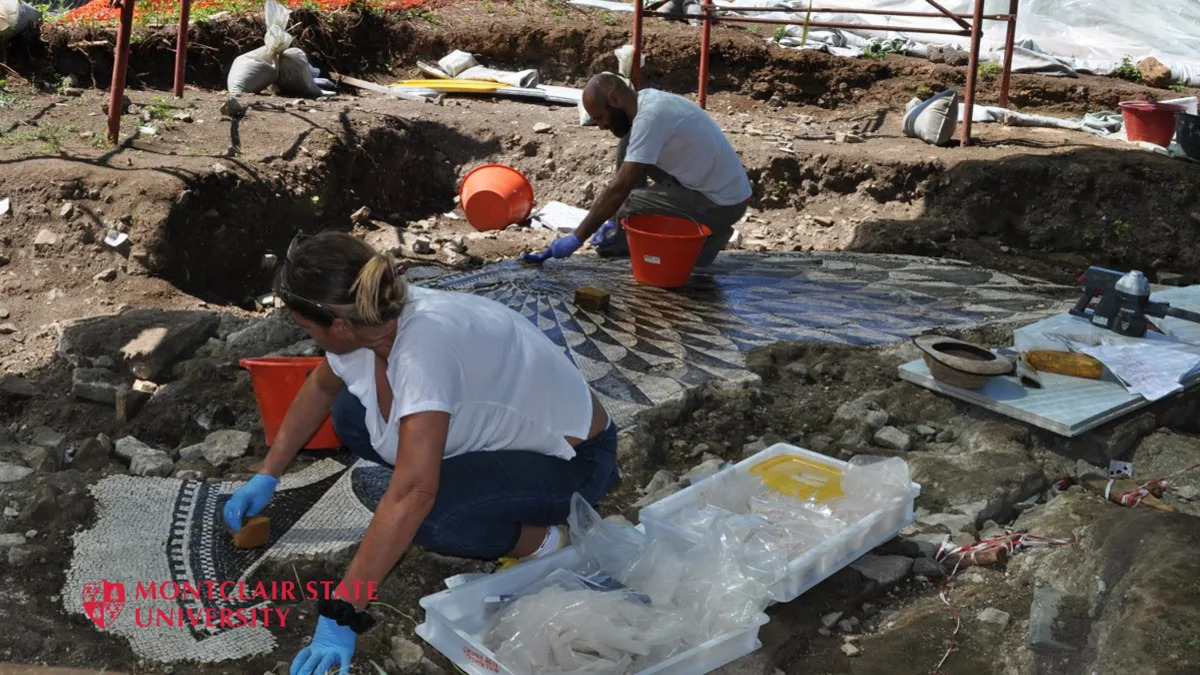
Archaeologists excavating a Roman villa in Italy used by the Antonine dynasty have uncovered two mosaics depicting the Greek mythological figure Medusa. The mosaics likely date to the second century A.D. and were found in a circular room at the Villa of the Antonines. It is unclear why the room contained Medusa mosaics, but they were a popular decorative feature in the Roman world at the time. The villa is immense and even has what appears to have been an amphitheater used by Emperor Commodus for gladiator practice and the killing of wild beasts.

Uncovering Medusa: Ancient Mosaics Revealed.
archaeology2 years ago

Uncovering Medusa: Ancient Mosaics Revealed.

Archaeologists excavating a Roman villa in Italy used by the Antonine dynasty have uncovered two mosaics depicting the Greek mythological figure Medusa. The mosaics likely date to the second century A.D. and were found in a circular room at the Villa of the Antonines. It is unclear what the room was used for and why it contained Medusa mosaics, but the room is believed to have been a reception area. The villa is immense and even has what appears to have been an amphitheater used by Emperor Commodus for gladiator practice and the killing of wild beasts.