SpaceX is set to test the reusability limits of its Starship rocket during its 10th flight, aiming to push the boundaries of rocket reusability and improve space travel efficiency.
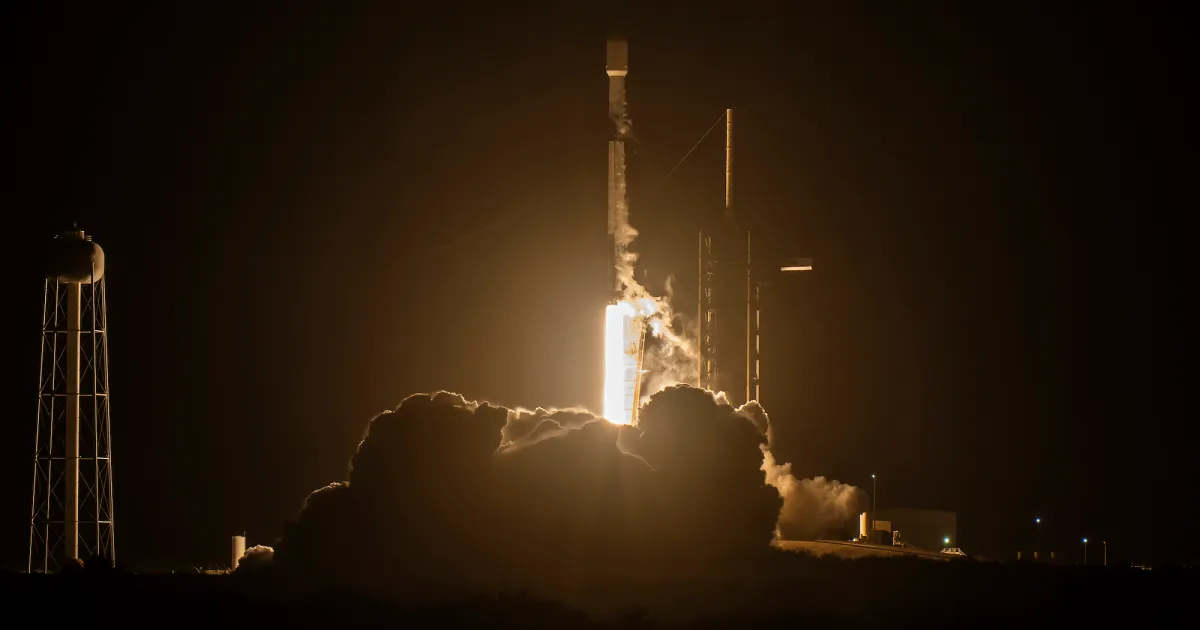
SpaceX's Falcon 9 rocket set a new record with its 24th flight, launching 24 Starlink satellites from Kennedy Space Center and successfully landing its first-stage booster on a drone ship. This achievement highlights SpaceX's cost-effective approach to space missions through rocket reusability. The company is also working on perfecting the landing of its larger Super Heavy booster, crucial for future missions to the moon and Mars.
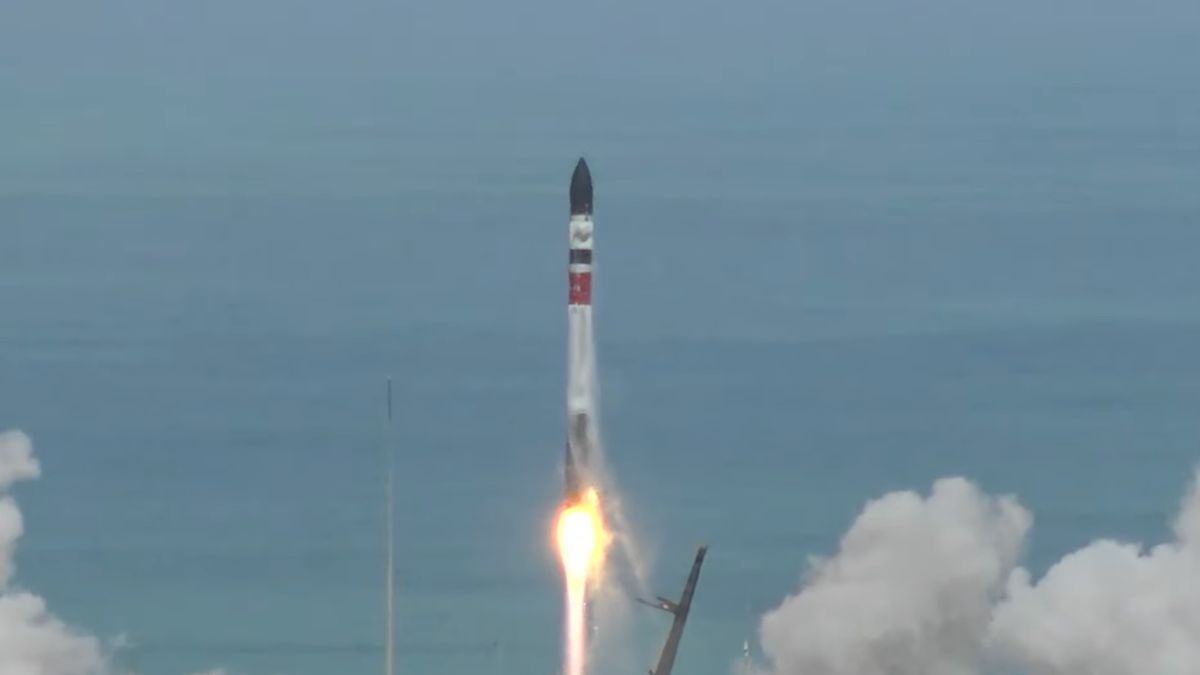
Rocket Lab successfully launched an Electron rocket with a flight-proven engine for the first time, marking a significant step towards rocket reusability. The rocket carried an Earth-observation radar satellite for Capella Space and deployed it into orbit as planned. Rocket Lab's recovery strategy involves soft ocean splashdowns with parachutes, and this mission marked the eighth successful rocket return. The company aims to refurbish and potentially reflight the recovered boosters.