The European Union has reached a landmark deal to overhaul its migration policy, signaling a rightward shift across Europe. The details of the agreement have not been released, but it is expected to bring changes to border surveillance and detention periods. The deal reflects the renewed focus on migration as an issue in European politics, with an increase in arrivals and the politicization of asylum and refugee policy. The agreement comes after years of debate and is seen as a significant step in managing migration collectively within the EU.
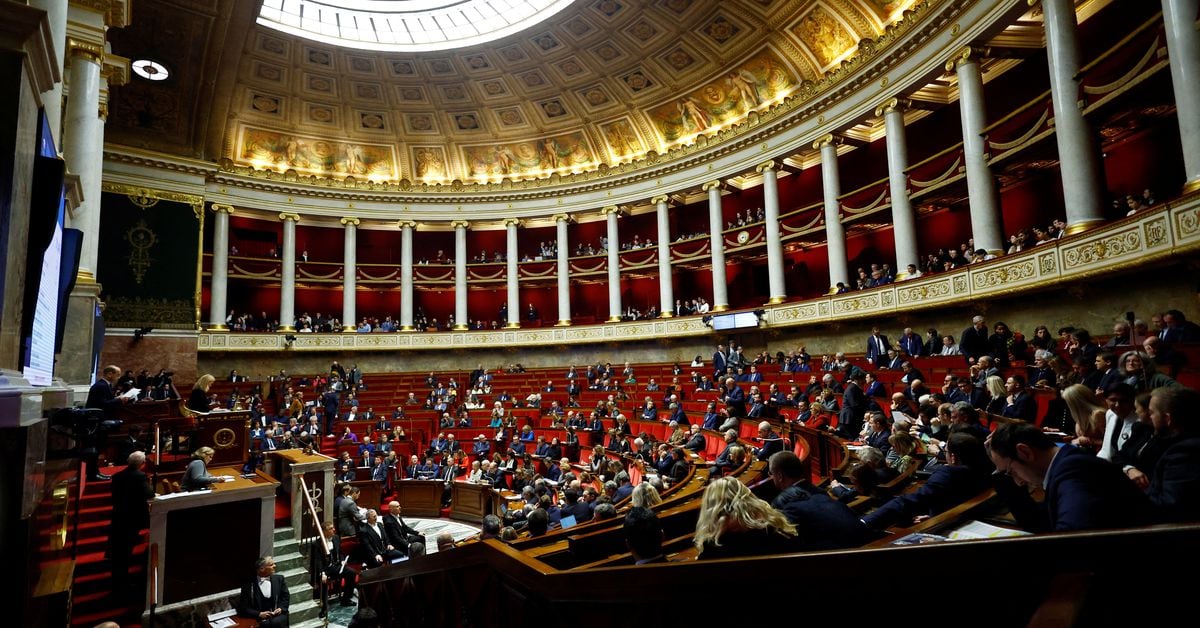
French lawmakers have passed a controversial immigration bill that toughens rules for immigrants, marking a policy victory for President Emmanuel Macron but revealing divisions within his centrist majority. The bill, a compromise between Macron's party and the conservative opposition, reflects the rightward shift in European politics as governments seek to counter the rise of the far-right by adopting stricter immigration policies. The legislation includes measures such as migration quotas, delayed access to welfare benefits for non-EU migrants, and restrictions on the acquisition of French citizenship. The bill's passage could boost Marine Le Pen and her far-right party ahead of the upcoming European Parliament elections.
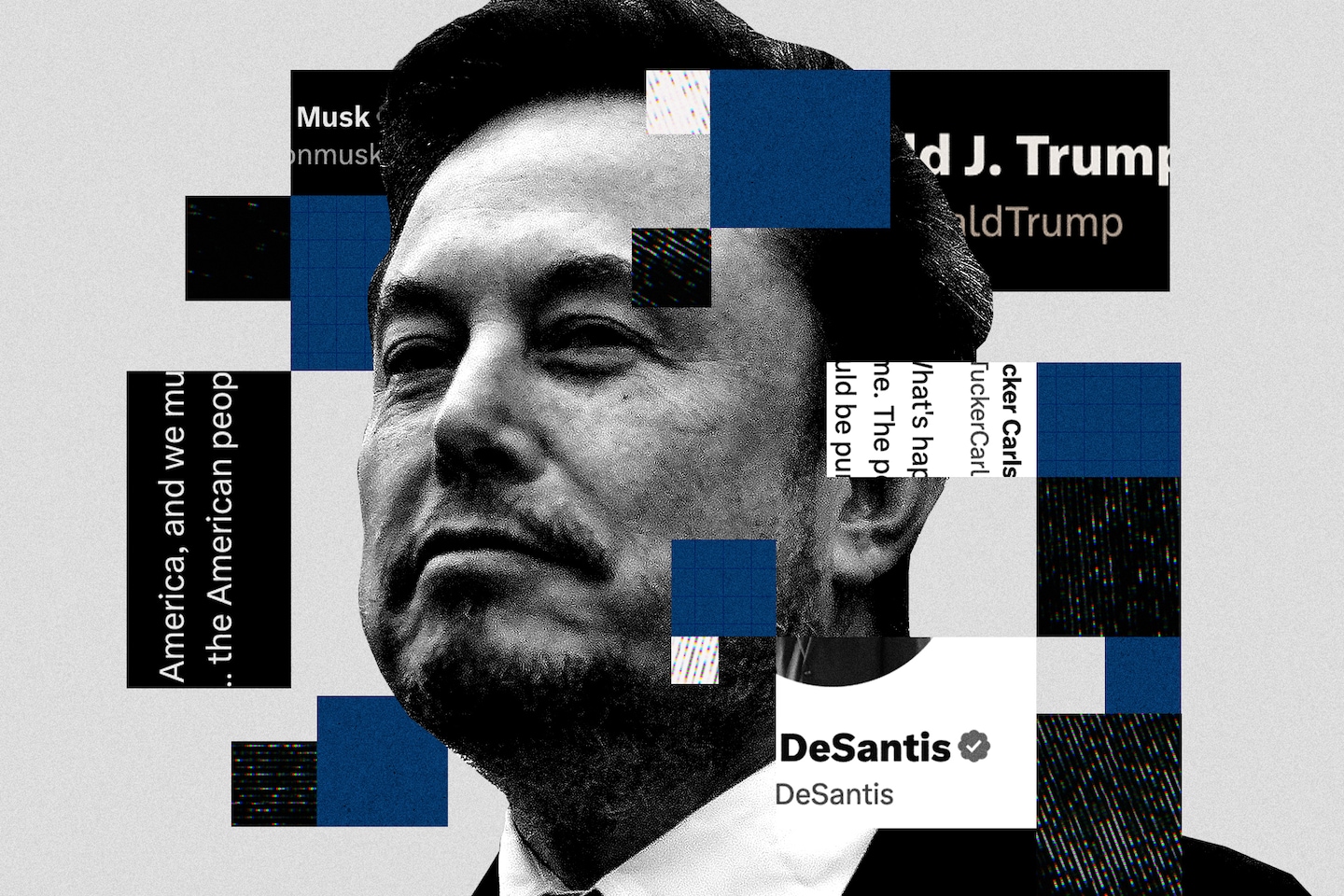
One year after Elon Musk purchased Twitter and rebranded it as X, the platform is facing declining user engagement, hemorrhaging advertisers and revenue, and a noticeable rightward shift in content. The number of active tweeters has dropped by over 30%, and conservative influencers and media figures have seen their follower counts rise, while popular liberal and left-wing accounts have not experienced the same growth. Musk has led Twitter in a more explicitly political direction, endorsing Republican candidates and reinstating Donald Trump's account. Through product changes and policy shifts, Musk has elevated the voices of paying subscribers, many of whom are conservative influencers, while displacing mainstream media. However, these changes have also resulted in a proliferation of misinformation and confusion on the platform. Twitter's decline has given rise to rival platforms, but none have replaced its pivotal role in global debate.
Argentina is experiencing a rightward shift as it flirts with default, facing an economic crisis. The country's political landscape is changing, with the government implementing conservative policies and seeking support from right-wing factions.