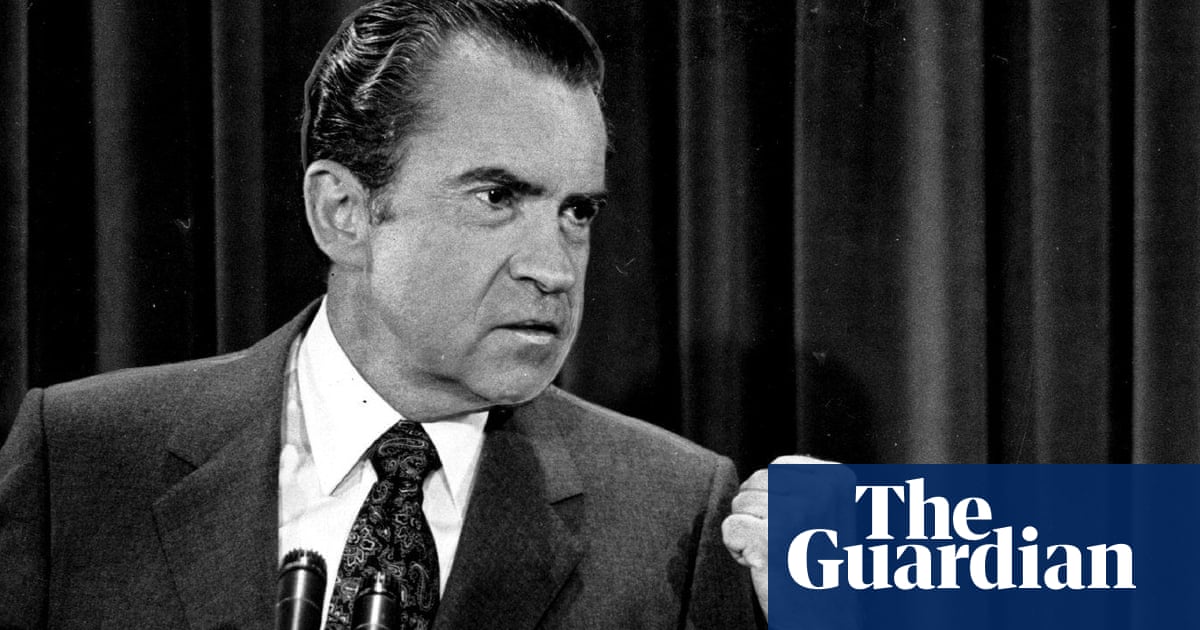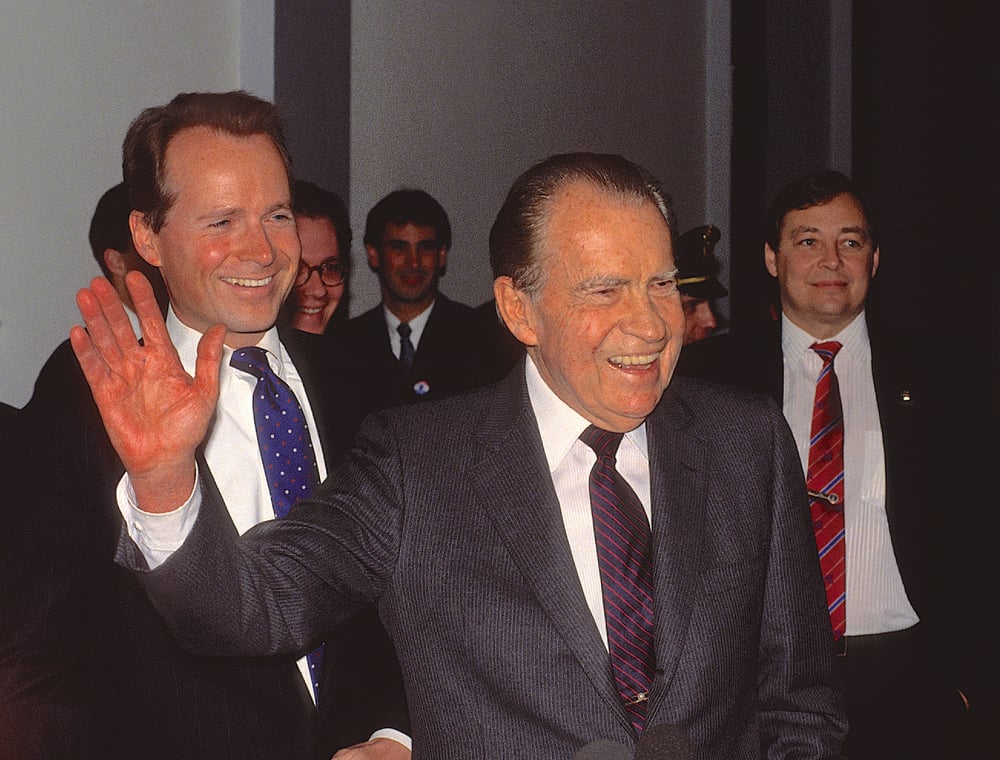
A growing number of young conservatives are embracing Richard Nixon as a role model, seeing him as a precursor to Donald Trump and a victim of a deep state conspiracy. They argue that Nixon represented law and order, hostility towards liberal elites, and a restrained foreign policy, much like Trump. Conservative activists and the Richard Nixon Foundation are promoting this Nixon revival, with some suggesting that his realism and approach to foreign policy could provide a remedy for the perceived failures of President Joe Biden. While historians and pundits have made periodic attempts to defend Nixon, the current wave of historical revisionism suggests that more conservatives are considering Nixon as a potential inspiration.
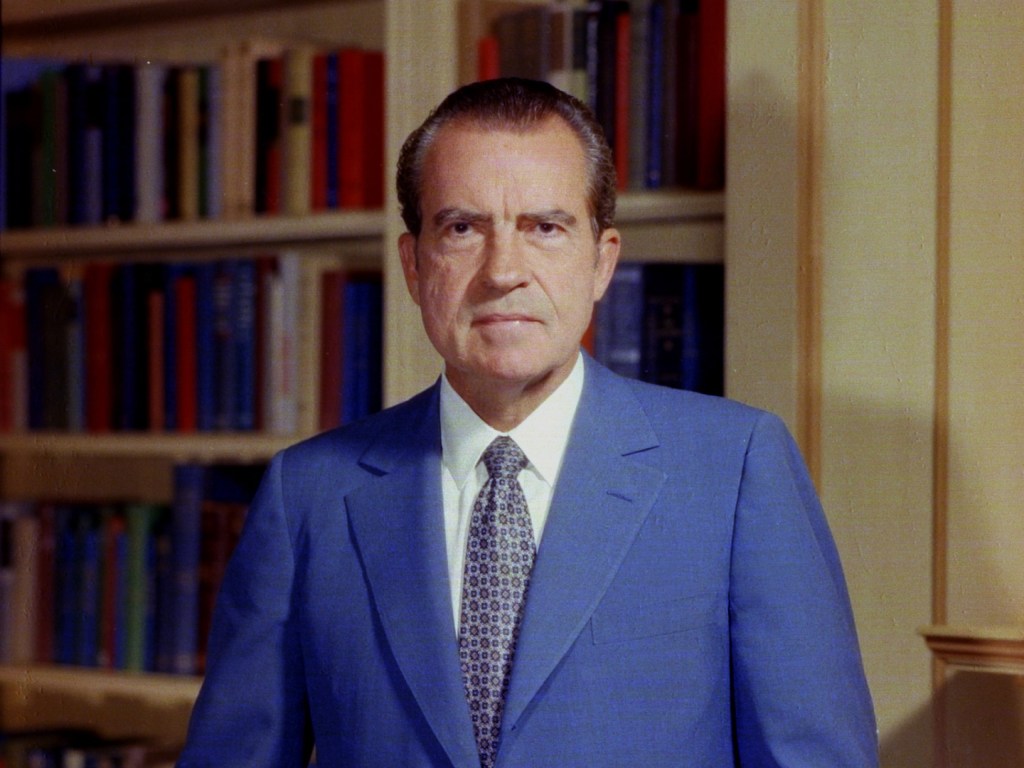
Reports have resurfaced suggesting that former US President Richard Nixon may have had an affair with actress-turned-socialite Zsa Zsa Gabor. Gabor's longtime friend Wendy Leigh, who co-wrote her memoir, claimed that Nixon had a steamy affair with her. While the duration of the alleged affair is unclear, Gabor had previously mentioned her close relationship with Nixon, even going on a blind date set up by him with Henry Kissinger. Photos of Gabor with Nixon and his wife Patricia Nixon have also emerged.
Newly declassified documents reveal that US President Richard Nixon met with a rightwing Chilean media mogul, Agustín Edwards, to discuss blocking Salvador Allende's path to the Chilean presidency in 1970. With the support of Nixon's White House, a plan was hatched for the military to seize power, dissolve congress, and prevent Allende's inauguration. The attempt was botched, resulting in the death of General René Schneider. The revelations shed light on the malevolence of US foreign policy in Chile and the explicit link between Nixon and the overthrow of a democratically elected government. Chile's current president, Gabriel Boric, has requested more information on US involvement in the plot.
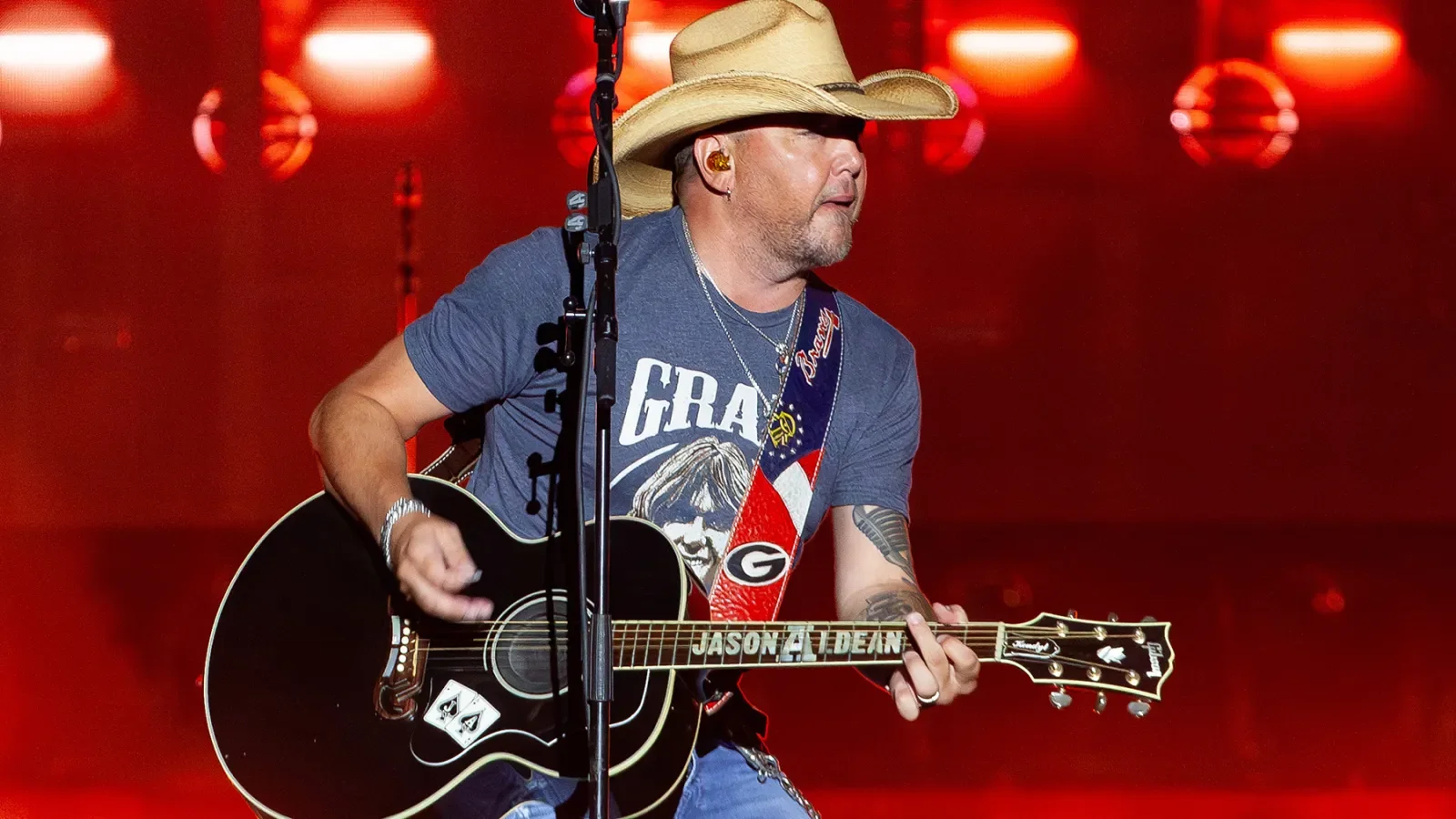
The history of reactionary country songs, from Merle Haggard to Hank Williams Jr. to Toby Keith to Aaron Lewis, is explored in the context of Jason Aldean's "Try That in a Small Town." The article discusses how Richard Nixon recognized the right-wing potential of country music and invited Johnny Cash to the White House, leading to a narrative disruption when Cash played his anti-war song "What Is Truth." The podcast episode also highlights other notable reactionary country songs, including those by Merle Haggard, Hank Williams Jr., Toby Keith, Clint Black, Darryl Worley, and Aaron Lewis.
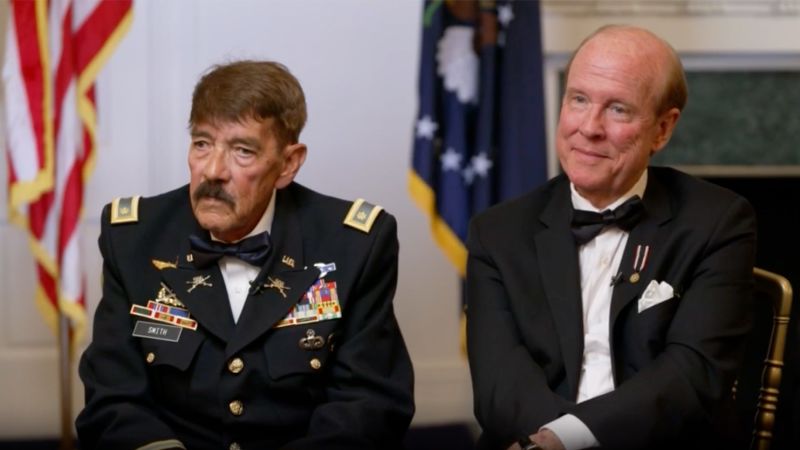
Two surviving Vietnam War POWs, Staff Sgt. Ken Wallingford and Capt. Mark Smith, recount their experiences of being held captive by the North Vietnamese forces in 1972. Wallingford spent 10 months in a bamboo enclosure, while Smith was held in a "hell hole" in the ground. They were eventually released in 1973 after the US bombed Hanoi and nearby Haiphong. The POWs credit President Richard Nixon for ending the war and getting them home.
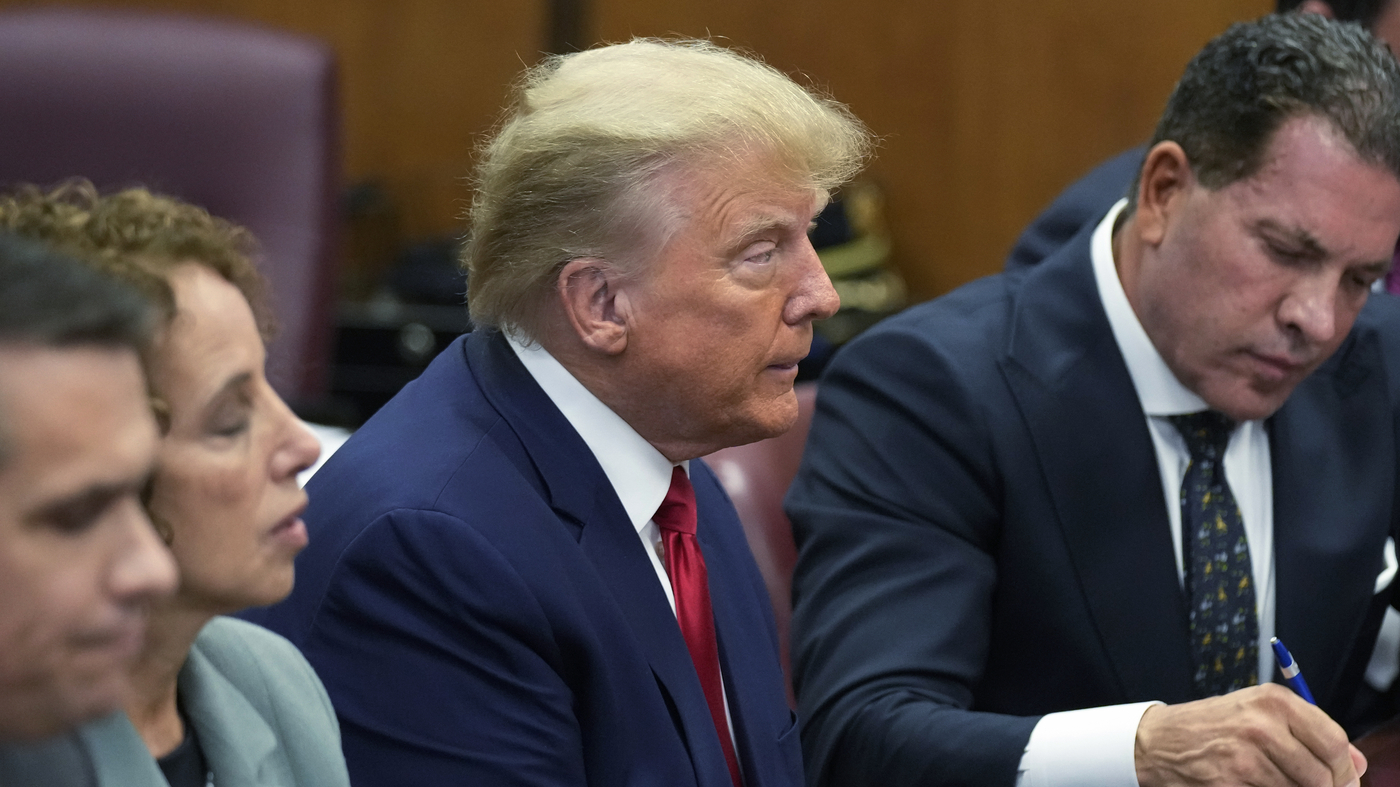
Former President Donald Trump is the first U.S. president to be arraigned on charges of falsifying business records as part of a cover-up of payments to an adult film star with whom he allegedly had an extramarital affair. However, he is not the first president to be implicated in a hush money scandal. Thomas Jefferson, Warren Harding, and Richard Nixon were also accused of making hush money payments.
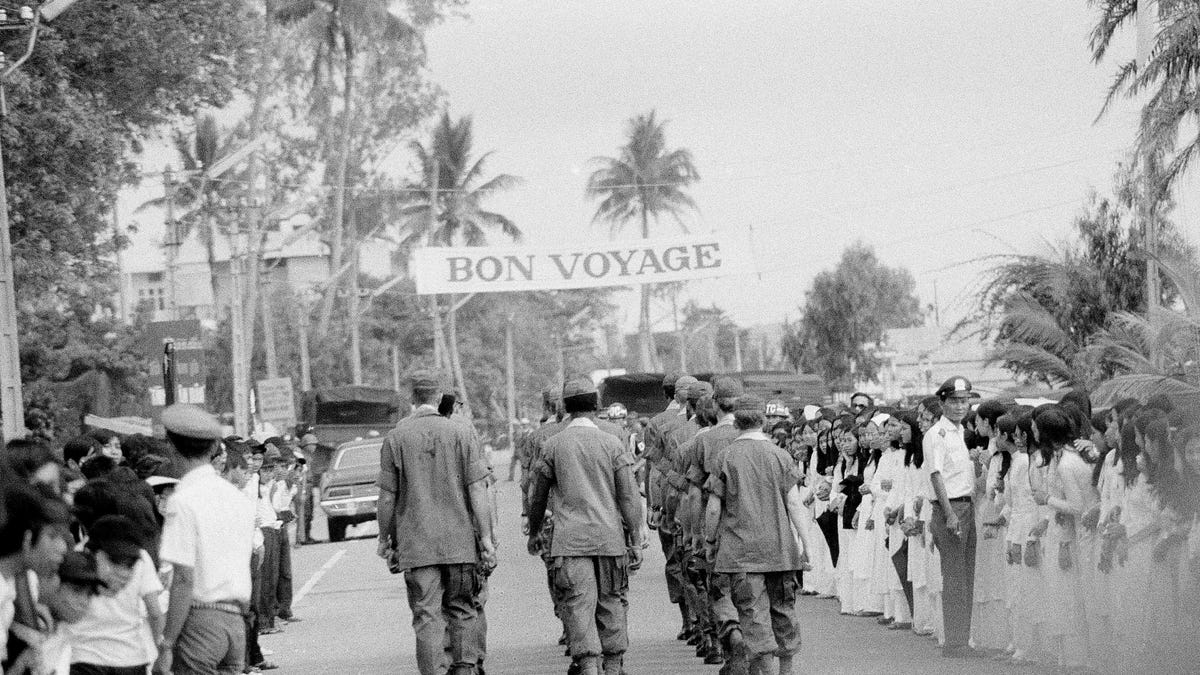
Wednesday marks the 50th anniversary of combat troops departing South Vietnam, the beginning of the end of the United States' direct military involvement in the unpopular war. Two months prior, representatives of the U.S North and South Vietnam, and the Vietcong signed a peace agreement, which included key provisions such as the withdrawal of U.S. troops, a cease-fire throughout Vietnam, the release of prisoners of war, and the peaceful reunification of North and South Vietnam, once new elections were held. Despite the peace agreement, North Vietnam military officials violated the cease-fire and resumed a full-scale war by 1974.