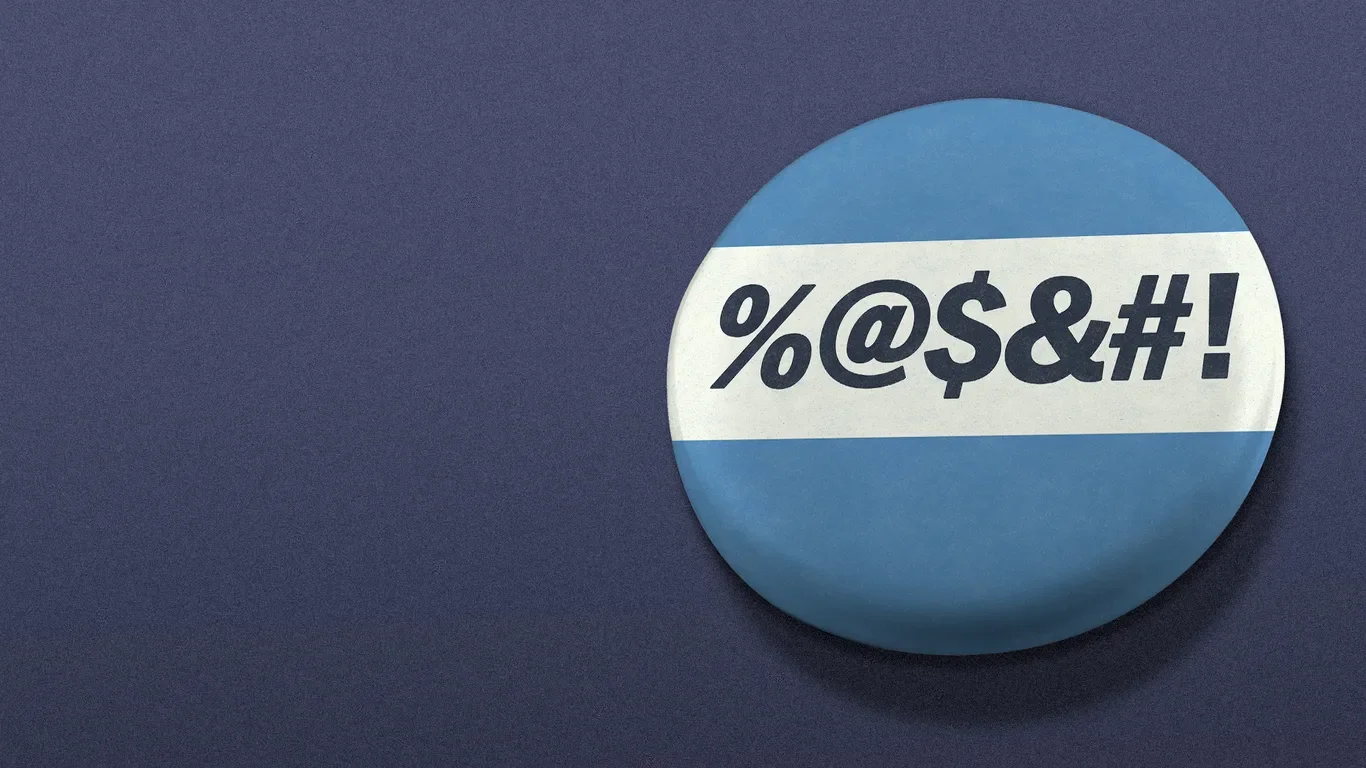
Profanity in U.S. politics has become normalized, with leaders from both parties using explicit language to express frustration and shape messaging, a trend linked to the Trump era and evolving media norms.
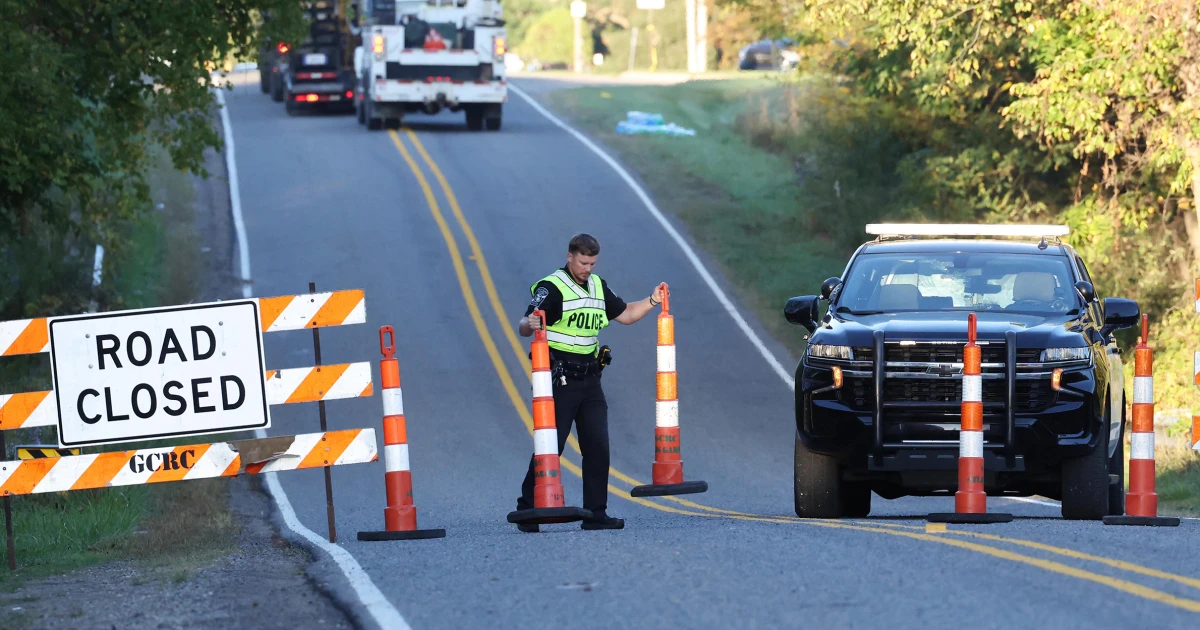
Current and former police leaders in the U.S. are alarmed by a rise in violent rhetoric from political and community leaders, which they say contributes to increased threats and violence against law enforcement, officials, and the public. The International Association of Chiefs of Police has condemned incitement to violence and called for the enforcement of laws against those who incite targeted attacks, emphasizing the importance of responsible speech and leadership to prevent further violence.
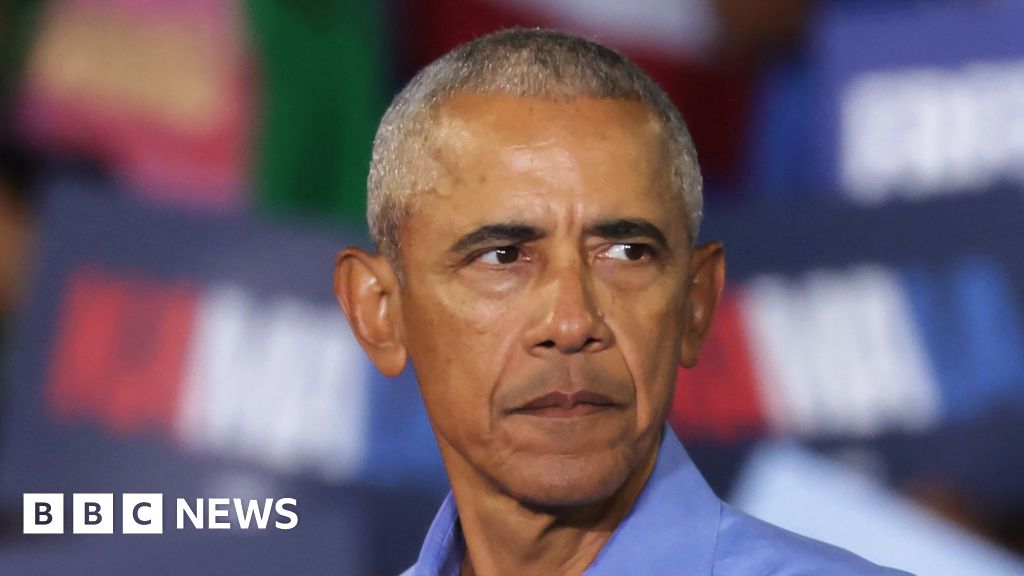
Former President Obama warned of a severe political crisis following the killing of Charlie Kirk, criticizing inflammatory rhetoric from political figures and urging unity and respectful debate amid rising tensions and violence in the US.
The article criticizes Donald Trump and other conservatives for prematurely blaming the left for the shooting of Charlie Kirk, highlighting that far-right extremists are actually the most frequent perpetrators of domestic terrorism in the US. It argues that Trump's rhetoric often downplays or ignores right-wing violence while emphasizing left-wing violence, creating a dangerous narrative that fuels political hostility and violence.
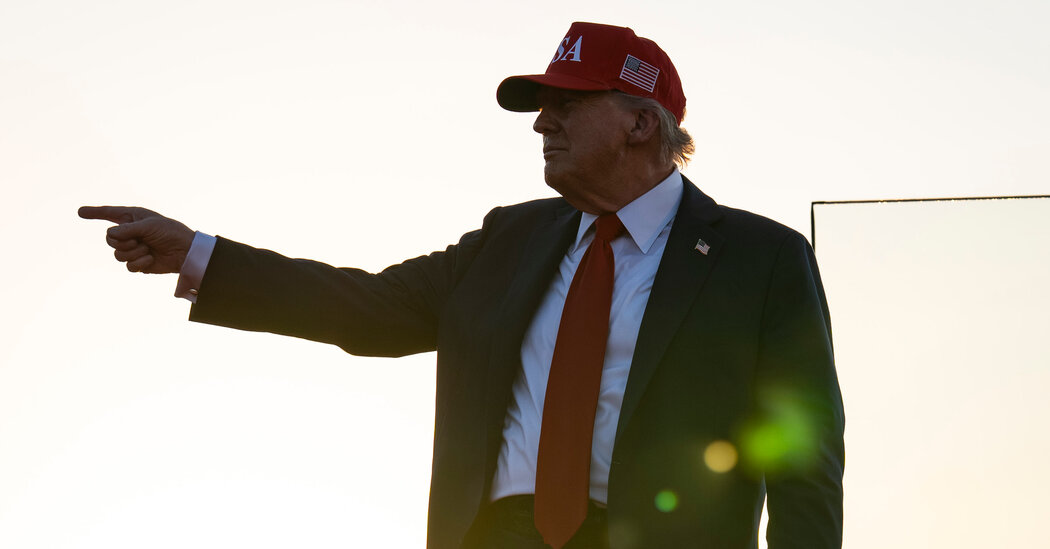
President Trump faced criticism from Jewish leaders and advocacy groups for using the term 'Shylock' in a speech, which is considered an antisemitic trope, and claimed he was unaware of its offensive connotation.
In a controversial closing message before the election, J.D. Vance, Trump's running mate, referred to Vice President Kamala Harris as "trash," continuing the campaign's pattern of inflammatory rhetoric. This remark is part of a broader strategy to divert attention from recent racist comments made at a Trump rally. Meanwhile, Trump has escalated his aggressive rhetoric, suggesting Harris fight Mike Tyson and making inappropriate comments about Michelle Obama.
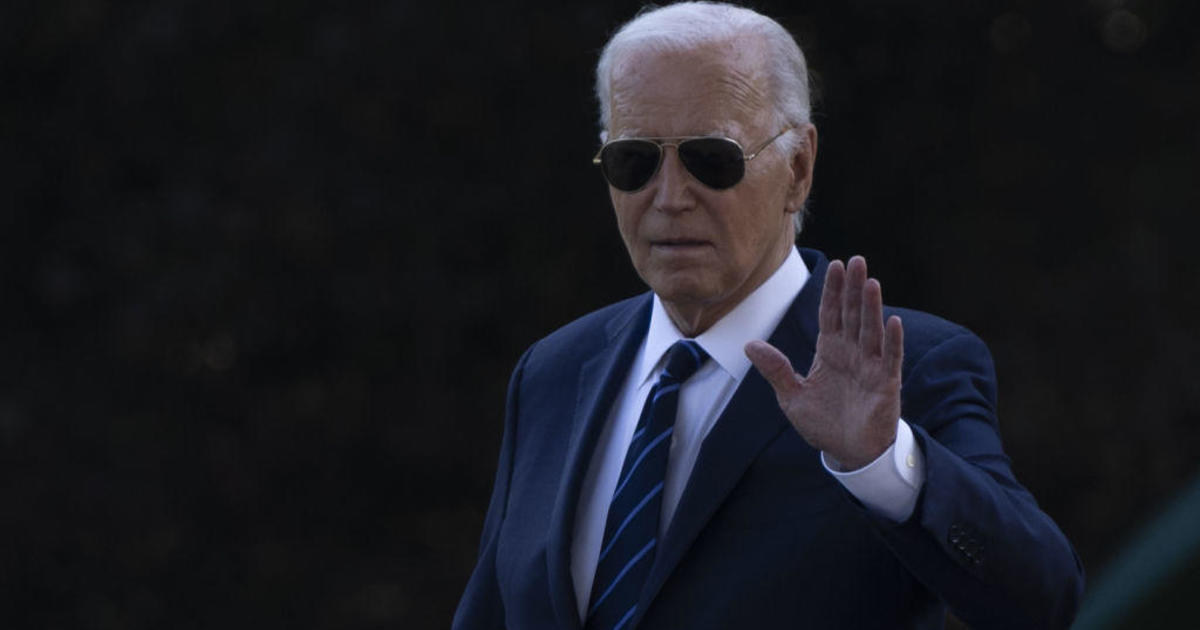
In an NBC interview, President Biden expressed regret for using the word "bullseye" when referring to Trump but emphasized that Trump's rhetoric is more dangerous. Following an assassination attempt on Trump, Biden called for unity and condemned political violence. He also criticized Trump's statements and actions, including his response to the Capitol riot and the assault on Paul Pelosi. Biden paused his campaign activities and reiterated his commitment to addressing issues important to Americans. Despite trailing in polls, Biden remains confident in his campaign for the 2024 election.
Sam Altman reflected on the narrow escape of former President Trump from an assassination attempt, emphasizing the importance of reducing divisive rhetoric and fostering unity. He praised the Democratic Party's response and noted the significance of small actions in altering history. Trump and President Biden also called for national unity in their statements following the incident.
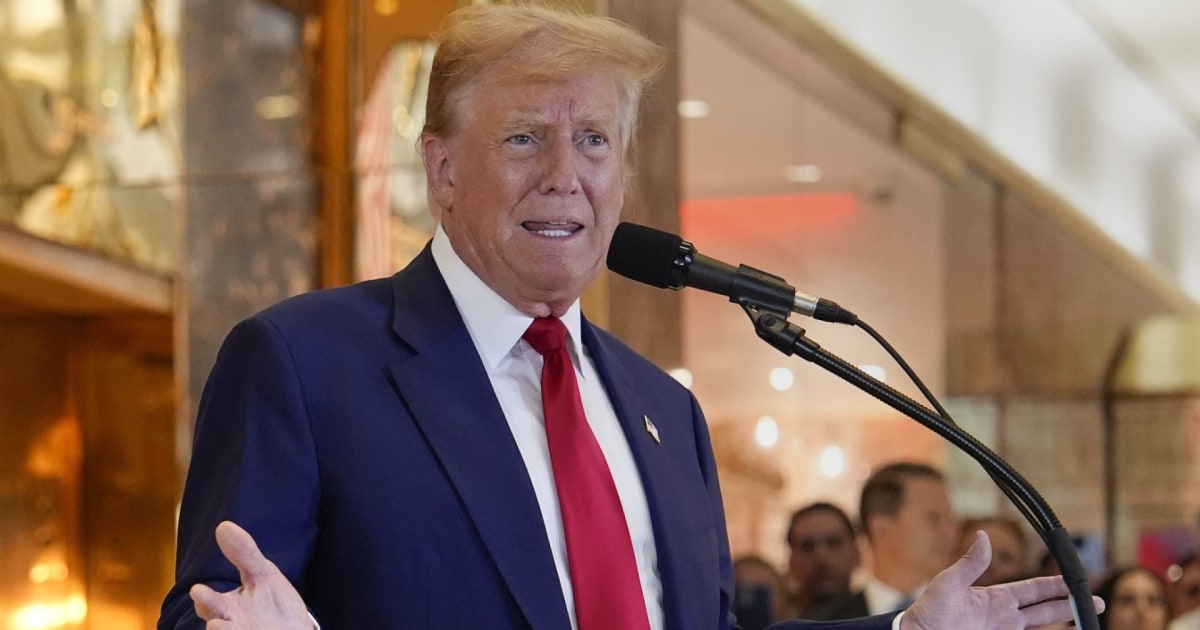
The article discusses the alarming nature of former President Donald Trump's rhetoric following his conviction, highlighting concerns about its impact and the broader implications for political discourse.
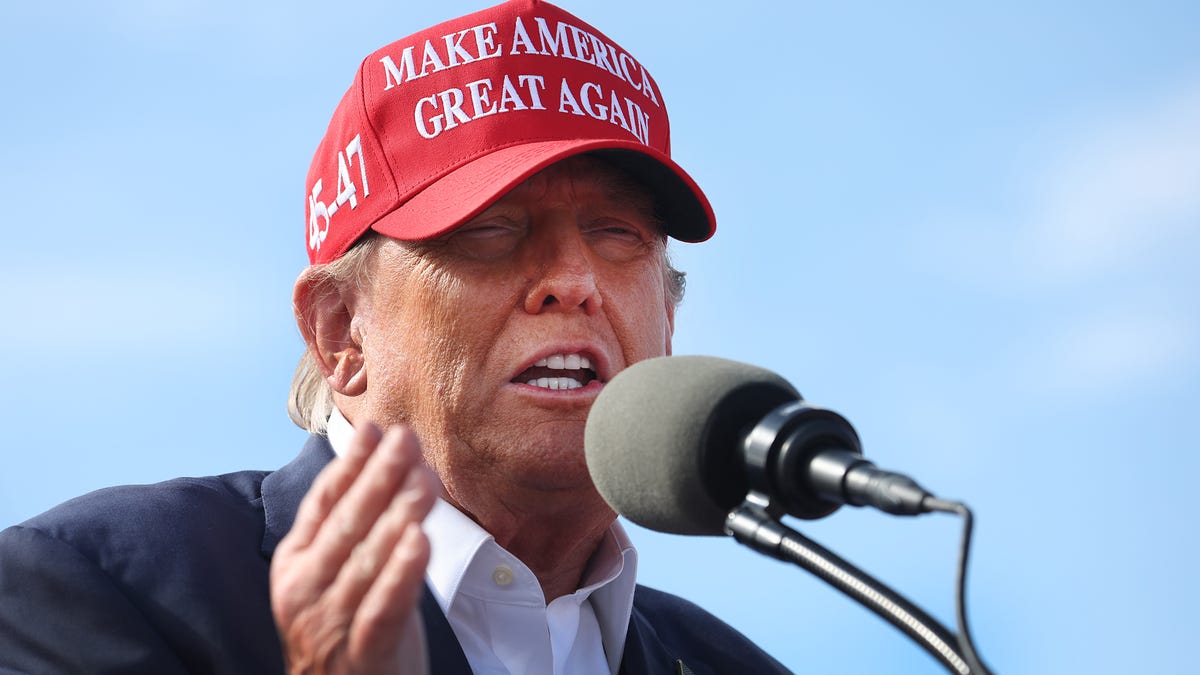
Former President Donald Trump criticized President Joe Biden's handling of the border during a campaign speech in Michigan, using the term "bloodbath" to describe crime and illegal border crossings. Trump continued attacking Biden's border policies and highlighted cases of violence involving individuals in the U.S. illegally. Democrats accused Trump of trying to capitalize on personal tragedies and embracing political violence, while some have claimed that his rhetoric has led to violence in the past. Trump's speech also touched on his legal battles and upcoming criminal trial, emphasizing the importance of Michigan in the upcoming election.
The Biden campaign accused former President Donald Trump of inciting political violence after he shared a video on social media featuring an image of Biden bound and restrained in the back of a pickup truck. Trump's increasingly violent rhetoric has raised concerns about flouting democratic norms, and a recent poll showed Biden with a marginal lead over Trump. Trump's spokesman defended his rhetoric by pointing to a past statement by Biden.
Donald Trump's apocalyptic warnings and divisive rhetoric have raised concerns about potential violence and unrest following the upcoming presidential election, regardless of the outcome. Experts warn that Trump's refusal to concede and his supporters' willingness to commit acts of violence could pose a severe stress test to American democracy. His history of using authoritarian language and sowing distrust in the electoral system has created a permission structure for violence, with polls suggesting a tight race and the potential for his supporters to assume foul play if he loses.
Donald Trump's recent "bloodbath" comment at an Ohio rally has sparked controversy, with some interpreting it as a threat while others argue it was meant metaphorically. The media's reaction to Trump's rhetoric is seen as overreaction, playing into his strategy of portraying himself as a victim of media bias. The article suggests that the press should exercise more restraint in their coverage of Trump, as exaggeration and misrepresentation only serve to bolster his narrative.
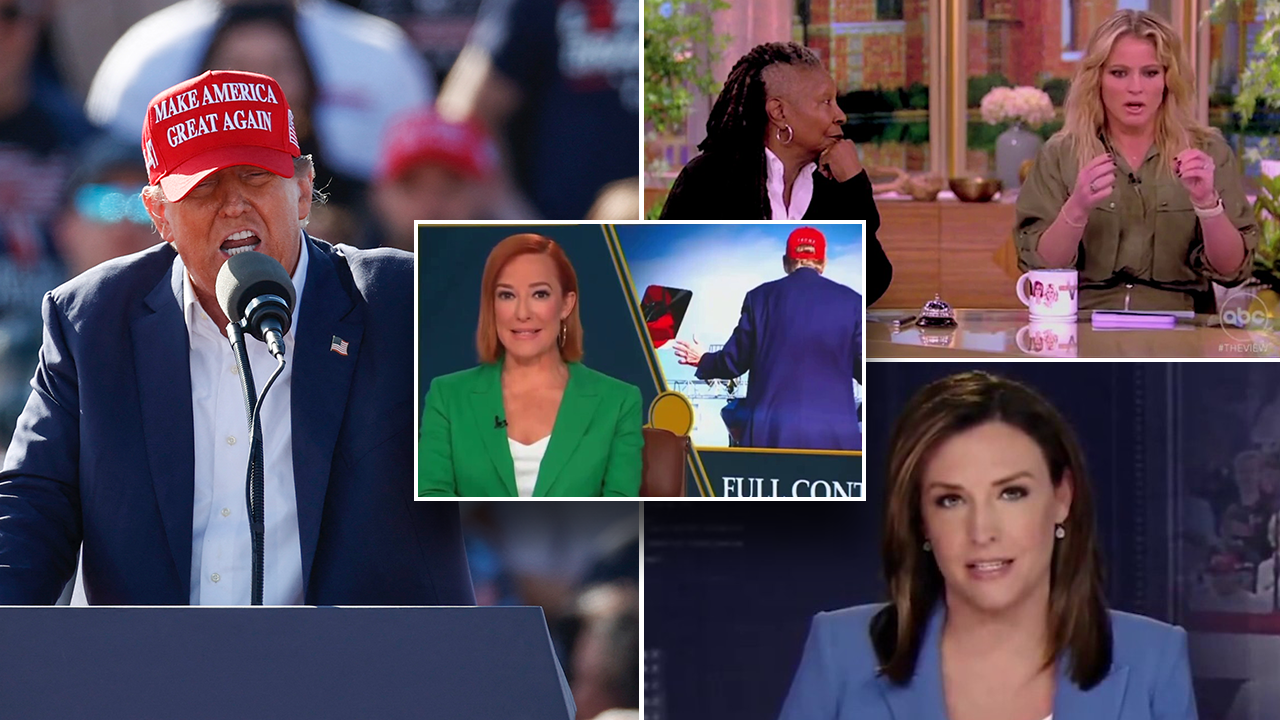
MSNBC, ABC, and other media outlets defend their coverage of former President Trump's "bloodbath" comment, which was criticized for lacking context. Trump's statement, made during a rally in Ohio, referred to potential economic consequences if he is not re-elected, specifically regarding the automotive industry. While some media figures defended the coverage, others suggested Trump's language had dangerous subtext and compared it to past dictators. The Biden-Harris campaign released an ad echoing these perspectives, while Trump's campaign spokeswoman argued that Biden's policies would create an economic "bloodbath" for the auto industry and workers.
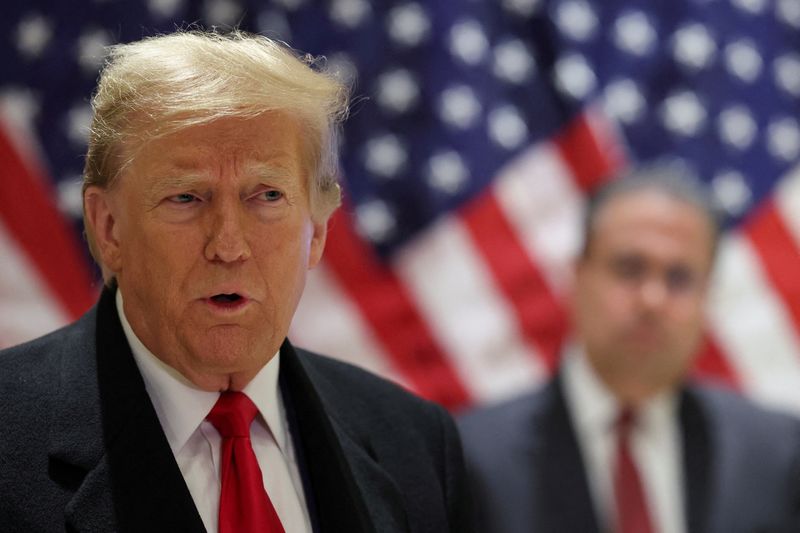
Donald Trump defended his divisive characterizations of immigrants, claiming he needs to use "certain rhetoric" to "stir debate" and insisting that his past statements have been right. He also discussed his recent reversal on pushing a ban on TikTok and expressed hesitancy to blame Russian President Vladimir Putin for the death of opposition leader Alexei Navalny. Additionally, Trump alluded to a possibility of backing a nationwide abortion restriction, saying he will announce his position "fairly soon" while emphasizing his support for three exceptions: rape, incest, and life of the mother.