Hippocampus Rewires Memories to Predict Future Rewards
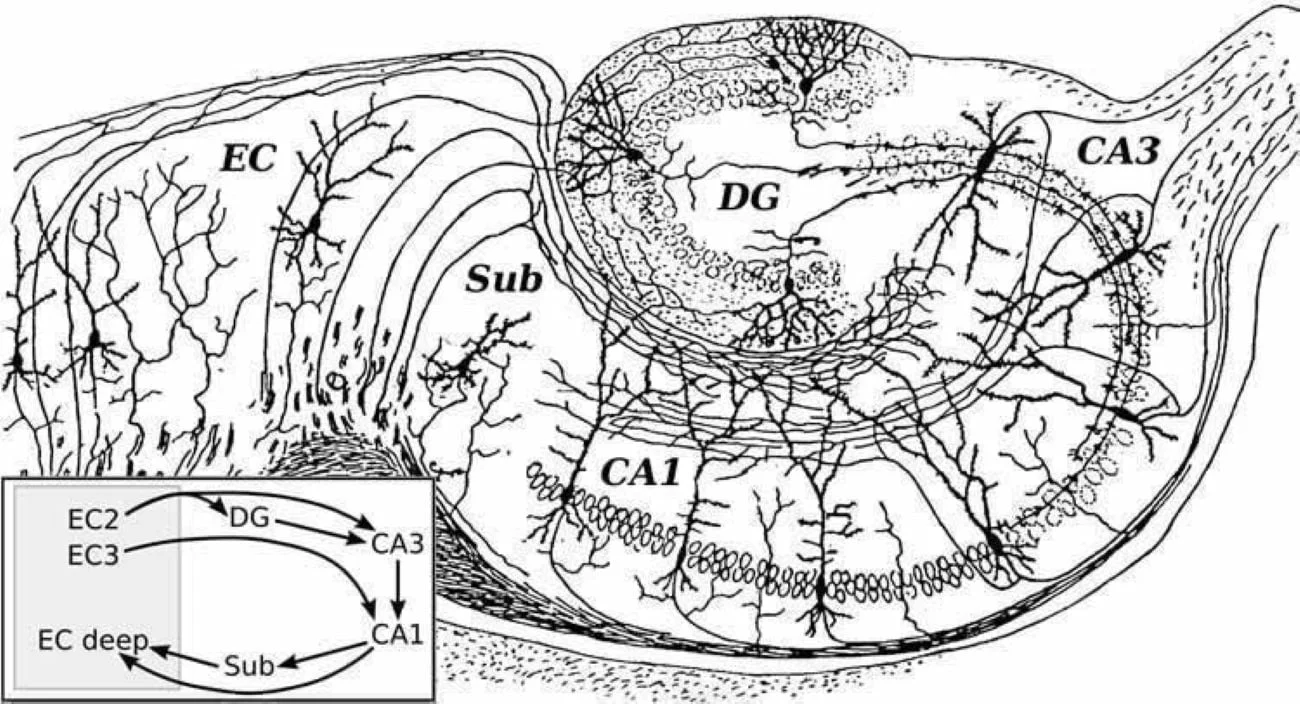
A preclinical study shows the hippocampus actively reorganizes memories to forecast rewards, with hippocampal neurons shifting their activity from the moment of reward to earlier task features as mice learn. Using long-term calcium imaging, researchers tracked cells over weeks, revealing a predictive, backward-shifting signal that refines the brain’s internal model of outcomes and offering a new lens on learning—and why decision-making falters early in Alzheimer's disease.