
The article explores the motivations and implications behind former President Trump's focus on oil policies, suggesting a strategic or economic agenda related to energy resources and geopolitical influence.
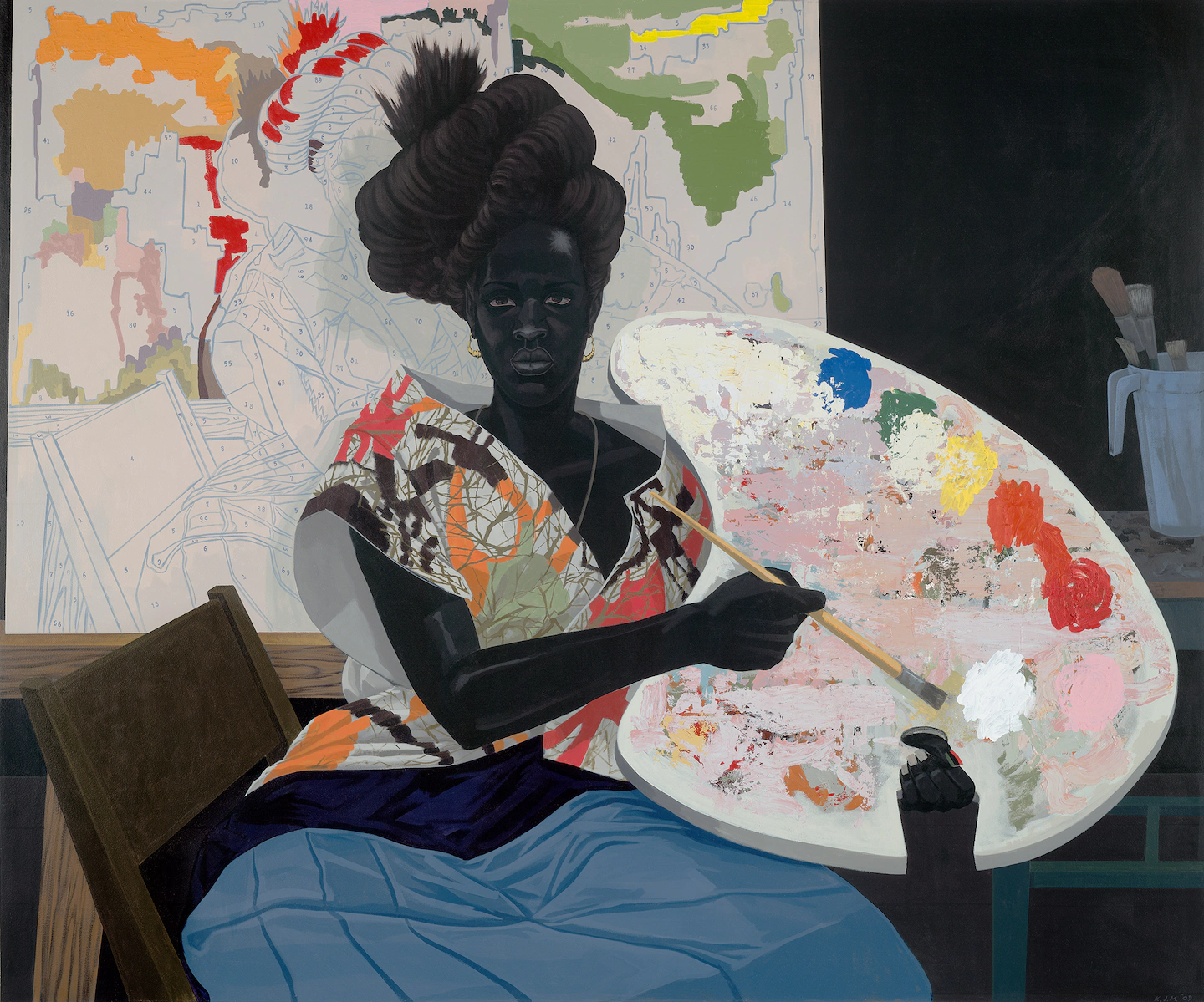
A retrospective of Kerry James Marshall in London showcases his innovative approach to painting, emphasizing the idea of paintings as 'machines' and highlighting his influence in contemporary art.
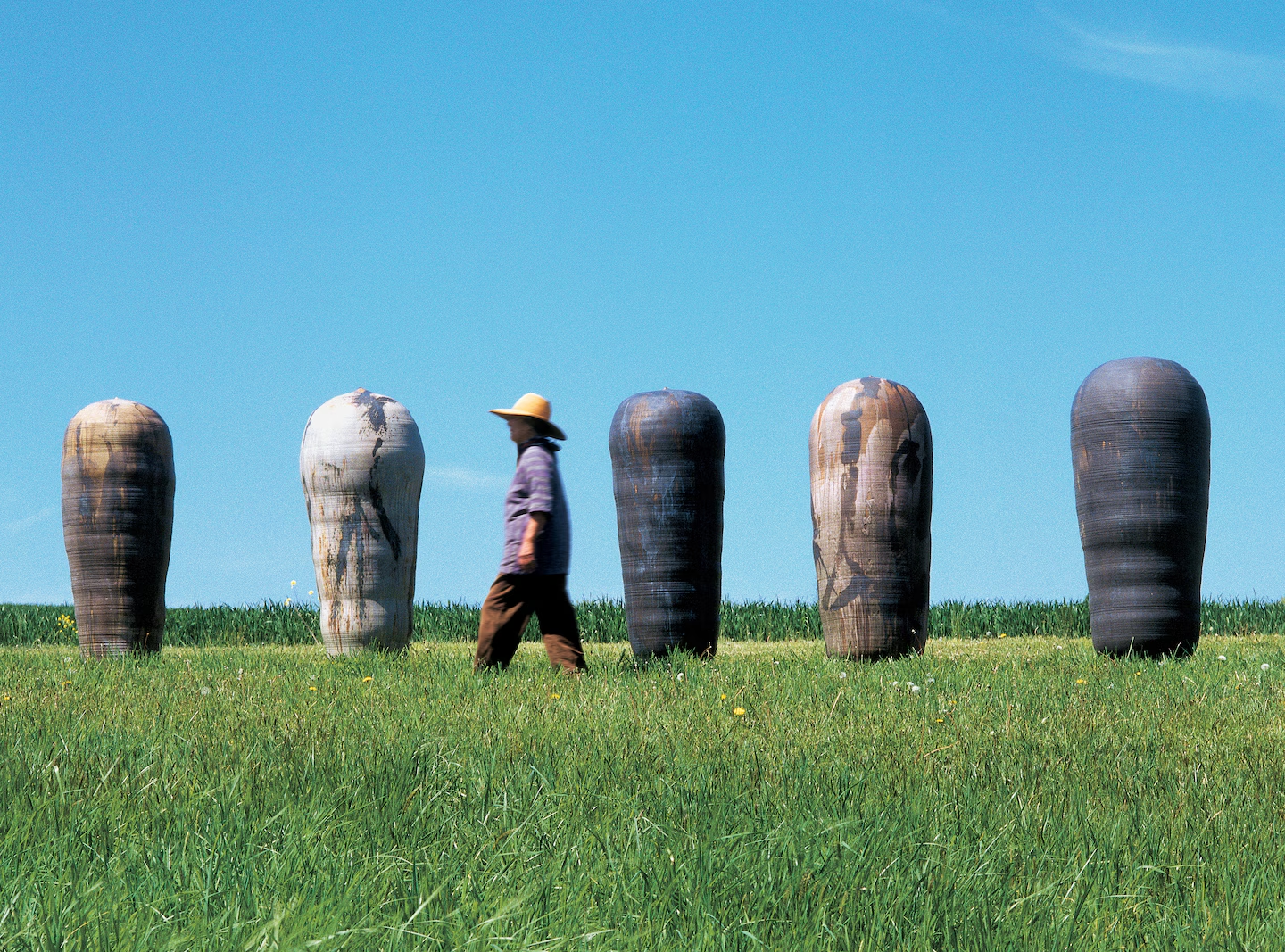
Toshiko Takaezu, a renowned 20th-century American ceramic artist, weaves her entire body into her large-scale sculptures, exemplifying dedication and physical engagement in her art, as highlighted in a traveling retrospective.
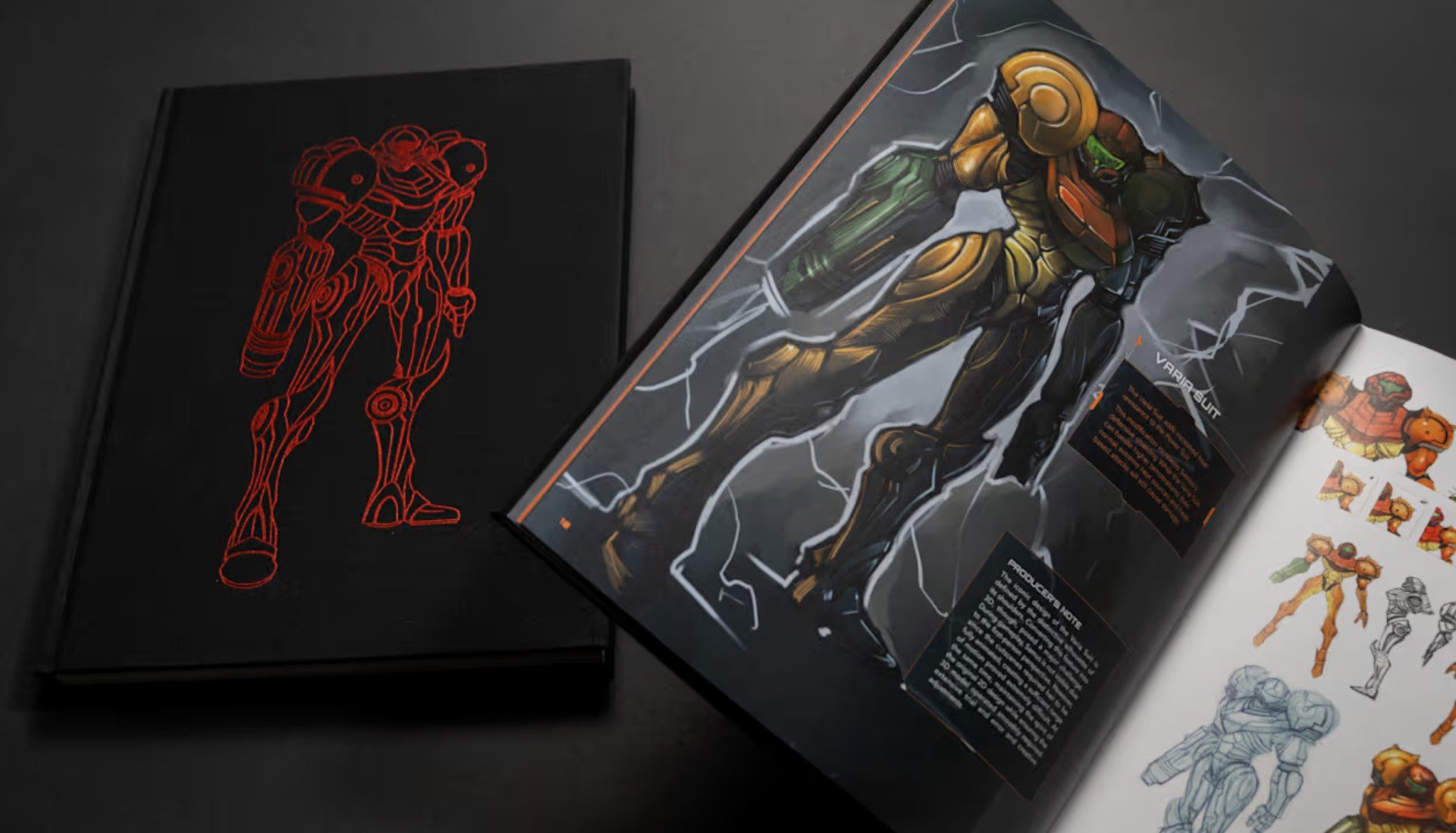
Nintendo has released a free 35-page digital sample of its upcoming 'Metroid Prime 1-3: A Visual Retrospective' art book, showcasing concept art from the trilogy, with the full 212-page book available for pre-order ahead of its October 28, 2025 release. The book includes insights from series producer Kensuke Tanabe and features art from the original Metroid Prime games, coinciding with the upcoming Metroid Prime 4 release and amiibo launches.
The Academy Museum announced a retrospective dedicated to Steven Spielberg, set to open in 2028, following their recent Jaws anniversary exhibition, which highlights Spielberg's influential career and filmmaking process.
Bubsy in: The Purrfect Collection, featuring four classic Bubsy games, is releasing on Nintendo Switch in September, offering various physical editions and exploring the franchise's controversial history as both a mascot icon and punchline.
Six months after its release, a game reviewer reflects on their initial high score for Starfield, acknowledging that while their experience at the time warranted the score, further gameplay has revealed significant flaws. Despite enjoying the combat and exploration, the game's lack of post-launch support, restrictive choices, repetitive environments, and limited long-term playability have led to a diminished view of the game. The reviewer stands by their original score but recognizes that extended play has highlighted Starfield's shortcomings.
Yoko Ono's music, often misunderstood and subject to criticism, is being celebrated in a new retrospective at the Tate Modern. From her avant-garde beginnings to her more pop-oriented contributions, her work has brought a refreshing, innovative, feminist dimension to rock & roll. The retrospective offers a look at some of her most inspiring musical moments, showcasing her diverse and influential career.
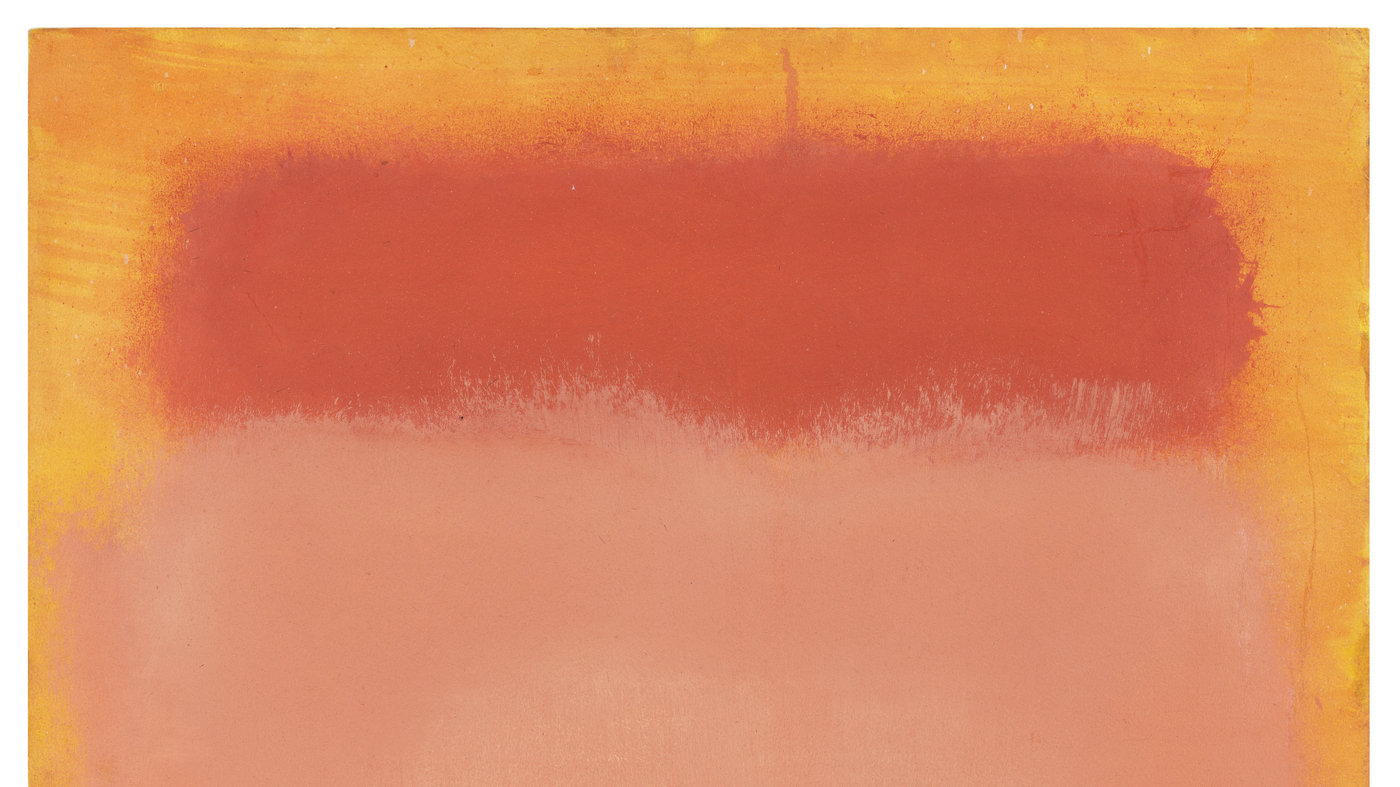
A new exhibition at the National Gallery of Art in Washington showcases over 100 works on paper by renowned artist Mark Rothko, revealing a lesser-known side of the painter known for his large, dark canvases. The intimate paintings in dreamy pastel hues from Rothko's final years offer a counterpoint to the narrative of gloom often associated with his work. The show also provides a chronological sample of Rothko's evolution as an artist, from European impressionist influences in the 1930s to his recognizable format of soft-edged horizontal rectangles in the late 1940s. The exhibition highlights Rothko's experimentation with color and form, offering a fresh perspective on the artist's renowned body of work.
In a retrospective of Martin Scorsese's films, Roger Ebert's reviews are revisited, showcasing the undeniable talent of the master filmmaker. From "Who's That Knocking at My Door?" to "Killers of the Flower Moon," Ebert's reviews highlight Scorsese's ability to create compelling characters and explore themes of guilt, redemption, and the human condition. Matt Zoller Seitz and Brian Tallerico continue Ebert's legacy by providing reviews of Scorsese's films since his passing, further emphasizing the impact of Scorsese's work on the cinematic landscape.
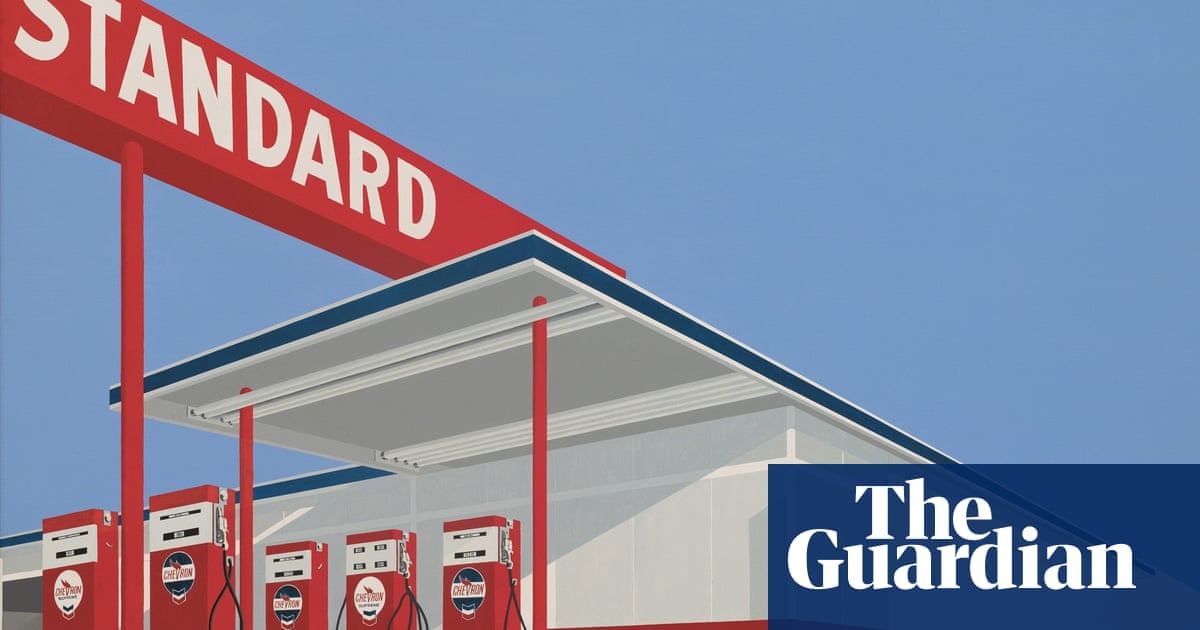
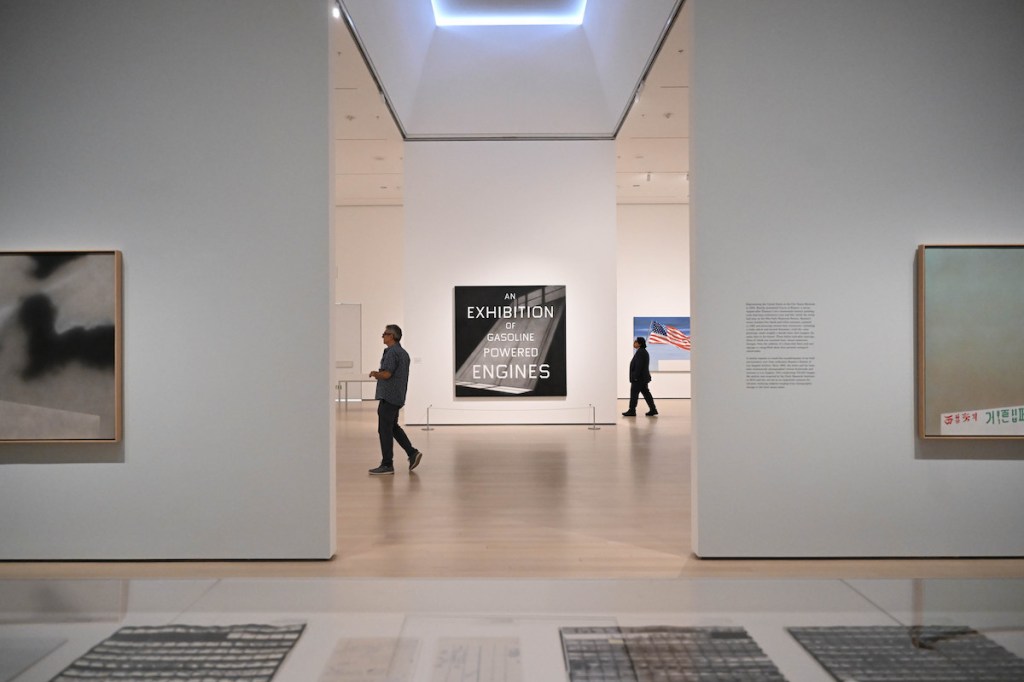
The Museum of Modern Art (MoMA) in New York is hosting the largest retrospective exhibition of American pop artist Ed Ruscha to date, titled "Ed Ruscha / Now Then." The exhibition features over 200 works, showcasing Ruscha's evolution over time and highlighting his exploration of themes such as Los Angeles and the American dream. It also includes his iconic works like "Standard Station" and "Twentysix Gasoline Stations." The exhibition aims to provide a comprehensive view of Ruscha's career and his impact on the art world. The show will run until January 13, 2022.
The Museum of Modern Art (MoMA) is hosting a retrospective of artist Ed Ruscha's work, featuring over 200 paintings, prints, and photographs. Ruscha's art is characterized by his use of cryptic text and humor, often exploring failures in communication. His works play with words and language, sometimes evoking a sense of irony or absurdity. The exhibition showcases Ruscha's ability to create new and amusing pieces that feel fresh, despite their age. The retrospective highlights his influence on contemporary art and his ability to challenge traditional artistic conventions.
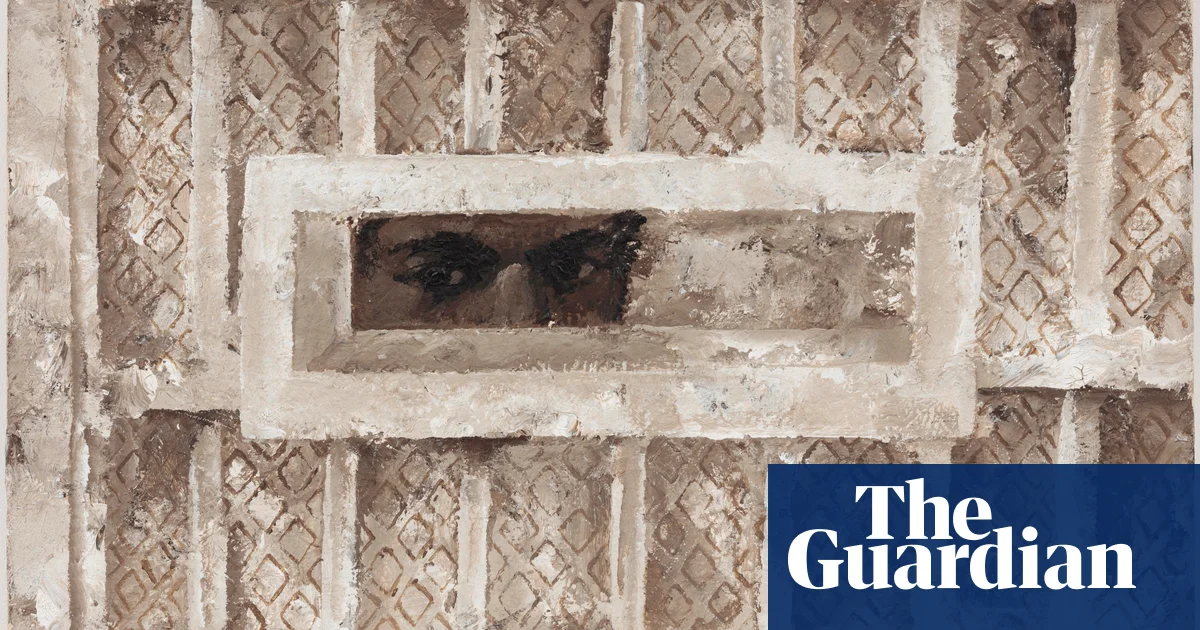
The Martin Wong retrospective, "Malicious Mischief," is currently on display at the Camden Art Centre in London, marking the first extensive exhibition of Wong's work outside of the United States. Wong, a child of Chinese immigrants, explored and celebrated racial and queer identity in his art, merging cross-cultural references and showcasing his multilingual skills. His work, which captures the contradictions and uncertainties of identity, was not fully understood during his lifetime but is now gaining recognition for its political edge and hidden depths. Wong's unique language and complex layers allow viewers to have their own relationship with his art, making it a powerful and resonant experience.
A retrospective analysis of the Pittsburgh Steelers' past NFL Drafts shows that good or bad draft grades from experts do not necessarily predict the future success of drafted players. While some highly graded players have become stars, others have been busts, and some lower graded players have exceeded expectations. The evaluation of players is a complex process that goes beyond draft grades and requires a combination of scouting, coaching, and player development.
The upcoming Karl Lagerfeld retrospective at the Metropolitan Museum of Art’s Costume Institute raises questions about how to handle the designer's family's Nazi past and his own Islamophobic caricatures. Lagerfeld's privileged background allowed him to move to Paris in 1952 and begin his career there. In the last years of his life, Lagerfeld wrecked his reputation with his reactionary views. The article questions whether the retrospective will hide his crude views behind haute couture or undertake a critical contextualization of his work.