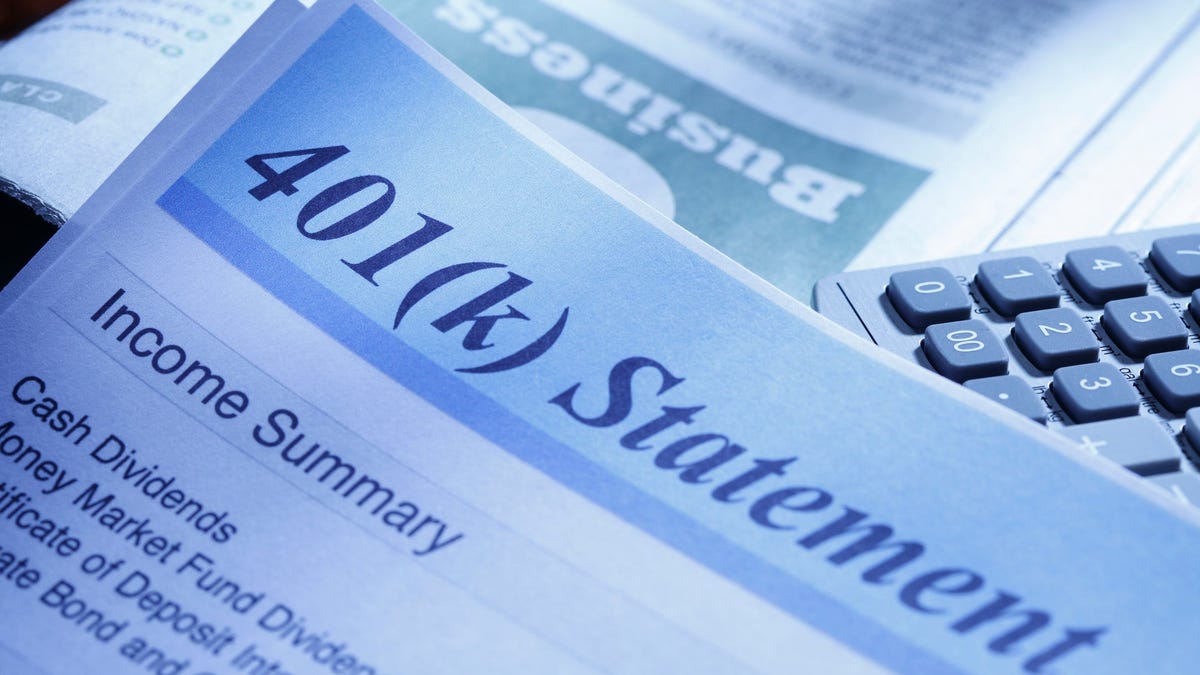
Eight states have implemented automatic enrollment in retirement savings accounts, with over 800,000 workers collectively saving more than $1 billion since 2017. These "automated savings" programs aim to increase retirement savings rates, particularly among workers without access to 401(k) plans. Critics argue that workers should save for retirement on their own, but advocates believe that the state programs help both workers and small businesses by providing a competitive advantage and addressing the complexity and expense of traditional 401(k) plans.

A significant number of American seniors rely almost exclusively on Social Security for their retirement income, with an AARP analysis showing that about one in seven recipients over 65 depend on it for nearly all their income. This often results in a drastic lifestyle change from their working years, including cutting back on expenses, downsizing their living arrangements, or depending on family support to make ends meet.
Due to increasing living expenses, stagnant wages, and high housing prices, many adult children are returning to live with their parents, causing some parents to dip into their retirement savings to support them. This financial trend highlights the challenges faced by families in managing long-term savings while addressing immediate economic pressures.
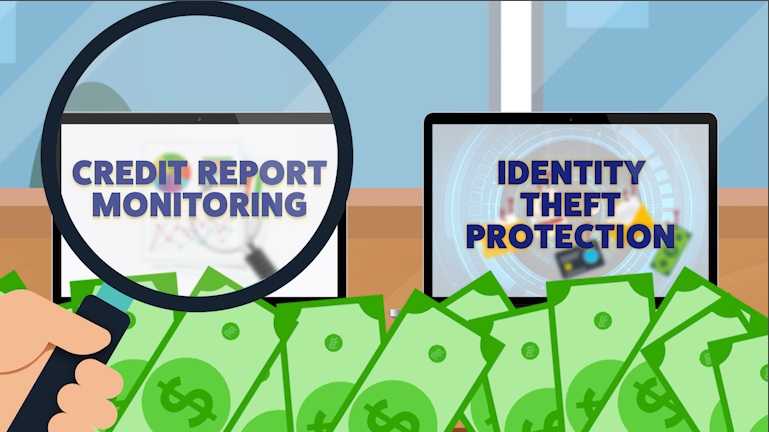
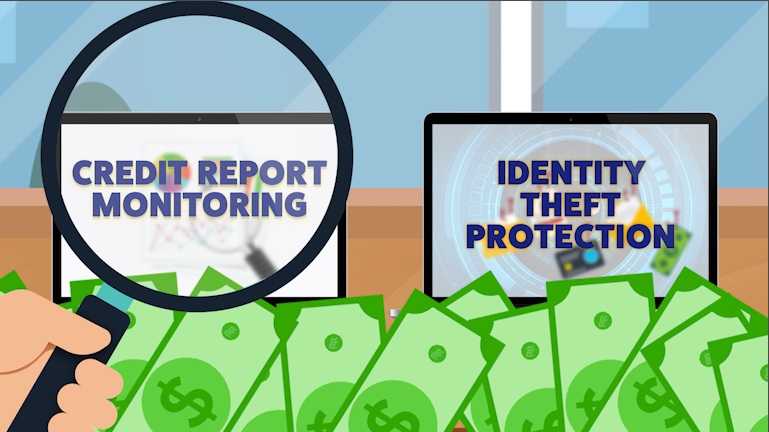
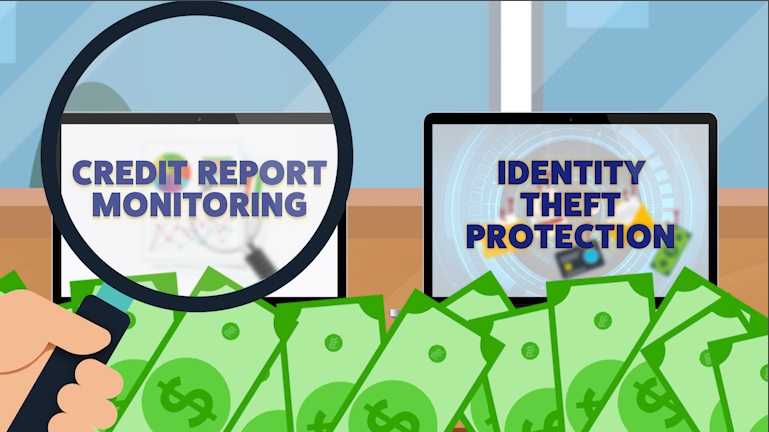
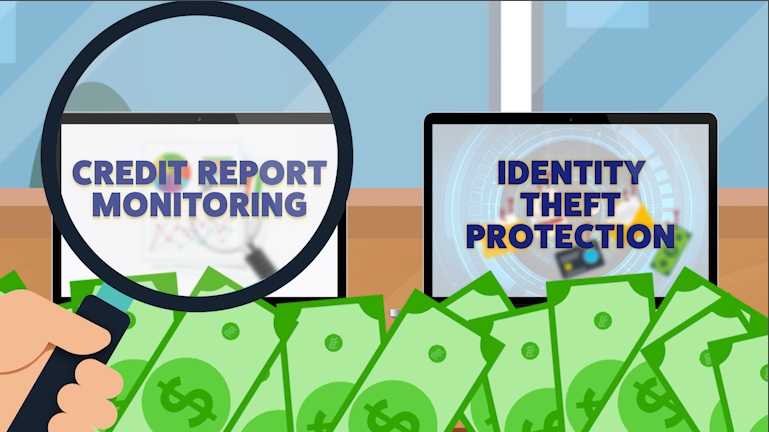
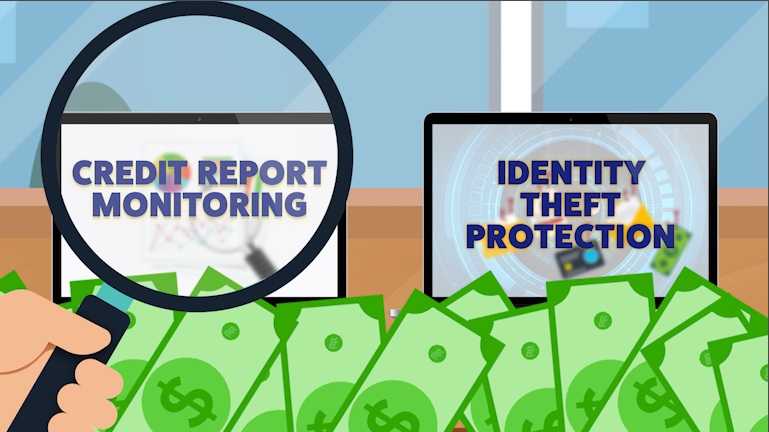
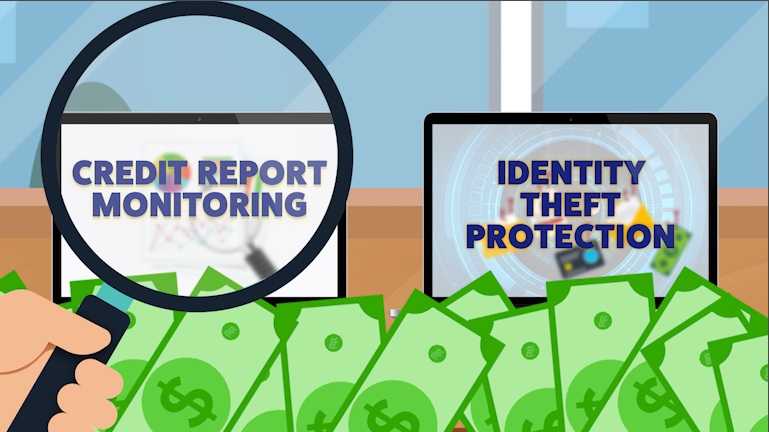
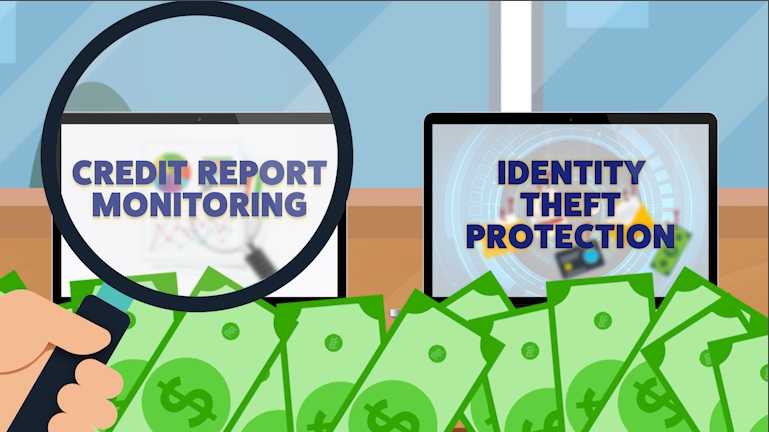
As 2024 begins, financial experts recommend several resolutions to improve financial health: paying off credit card debt by considering balance transfer cards with interest-free periods, regularly checking and working on improving credit scores without affecting them negatively, signing up for credit report monitoring and identity theft protection, and preparing for retirement by maximizing contributions to retirement accounts, with increased limits this year. These steps aim to reduce debt, enhance creditworthiness, protect personal information, and secure financial futures.
As 2024 begins, financial experts recommend several resolutions to improve financial health: paying off credit card debt by considering balance transfer cards with interest-free periods, regularly checking and improving credit scores without impacting them negatively, signing up for credit report monitoring and identity theft protection, and preparing for retirement by maximizing contributions to retirement accounts, with increased limits this year. These steps aim to reduce debt, enhance creditworthiness, protect against fraud, and secure financial stability for the future.
As 2024 begins, financial experts recommend several resolutions to improve financial health: pay off credit card debt by considering balance transfer cards with interest-free periods, regularly check and improve your credit score using free services like Credit Karma, sign up for credit report monitoring and identity theft protection, and increase retirement savings by maximizing contributions to retirement accounts, with the new limit being $23,000 and an additional $7,500 for those 50 or older. If unable to max out, contribute what you can and ensure to take advantage of any employer matching contributions.
As 2024 begins, financial experts recommend several resolutions to improve financial health: pay off credit card debt by considering balance transfer cards with interest-free periods, regularly check and work on improving your credit score using free services like Credit Karma, sign up for credit report monitoring and identity theft protection, and prepare for retirement by maximizing contributions to retirement accounts, with increased limits to $23,000 and an additional $7,500 for those over 50. If unable to max out, contribute what you can and ensure to take advantage of any employer matching contributions.
As 2024 begins, financial experts recommend several resolutions to improve financial health: pay off credit card debt by considering balance transfer cards with interest-free periods, regularly check and work on improving your credit score without affecting it negatively, sign up for credit report monitoring and identity theft protection, and prepare for retirement by maximizing contributions to retirement accounts, taking advantage of increased limits, and ensuring you're not missing out on employer-matched contributions.
As 2024 begins, financial experts recommend several resolutions to improve financial health: pay off credit card debt by considering a balance transfer card with an interest-free period, regularly check and work on improving your credit score without affecting it negatively, sign up for credit report monitoring and identity theft protection, and prepare for retirement by maximizing contributions to retirement accounts, taking advantage of increased limits, and ensuring you're not missing out on employer-matched contributions.
As 2024 begins, financial experts recommend several resolutions to improve financial health: pay off credit card debt by considering balance transfer cards with interest-free periods, regularly check and improve your credit score using free services like Credit Karma, sign up for credit report monitoring and identity theft protection, and prepare for retirement by maximizing contributions to retirement accounts, with increased limits now allowing for $23,000, plus an additional $7,500 for those over 50. If unable to max out, contribute what you can and ensure to take advantage of any employer matching contributions.
As 2024 begins, financial experts recommend several resolutions to improve financial health: paying off credit card debt by considering balance transfer cards with interest-free periods, regularly checking and working on improving credit scores without affecting them, signing up for credit report monitoring and identity theft protection, and preparing for retirement by maximizing contributions to retirement accounts, with increased limits this year. These steps aim to reduce debt, enhance creditworthiness, protect personal information, and ensure financial security for the future.
Suze Orman emphasizes the importance of understanding compound interest for young people, warning that delaying investment for retirement can result in significant financial loss. She advocates for starting to save in one's 20s rather than waiting until later years, highlighting the potential to miss out on hundreds of thousands of dollars. Orman suggests living below one's means to prioritize retirement contributions and cautions against lifestyle inflation, even when one's income increases. Her advice is to invest consistently and early to take full advantage of compound interest and secure financial independence for the future.
A Go Banking Rates study reveals that $1 million in retirement savings will last approximately 14 years in California, considering an annual cost of living of $72,319.57. The study, which used data from the Bureau of Labor Statistics and the Missouri Economic Research and Information Center, highlights the varying longevity of retirement funds across different states, with some states like Mississippi and Oklahoma stretching a $1 million fund to about 22 years, while in New York and Hawaii, it would last less than 15 years. Financial experts suggest saving at least 15% of annual income for retirement, but emphasize starting with what is feasible.
The Thrift Savings Plan (TSP) saw a strong finish in December 2023, with all funds reporting positive returns. The small cap stock index S fund led with a 10.45% gain for the month and a 23.30% annual return. The common stock index C fund had the highest annual return at 26.25%. The government securities investment G fund had the lowest December return at 0.39% but maintained a positive annual return of 4.22%. Lifecycle funds also performed well, with most posting annual returns above 10% and the L-2055, L2060, and L-2065 funds exceeding 25%. Overall, 2023 was a profitable year for TSP investors.
Thrift Savings Plan (TSP) portfolios concluded the year 2023 on a positive note, indicating a period of growth for retirement savings accounts. This performance reflects a favorable trend in financial markets, which may benefit federal employees and retirees who invest in TSP. The article does not provide specific performance figures but suggests an optimistic outlook for those with TSP accounts.