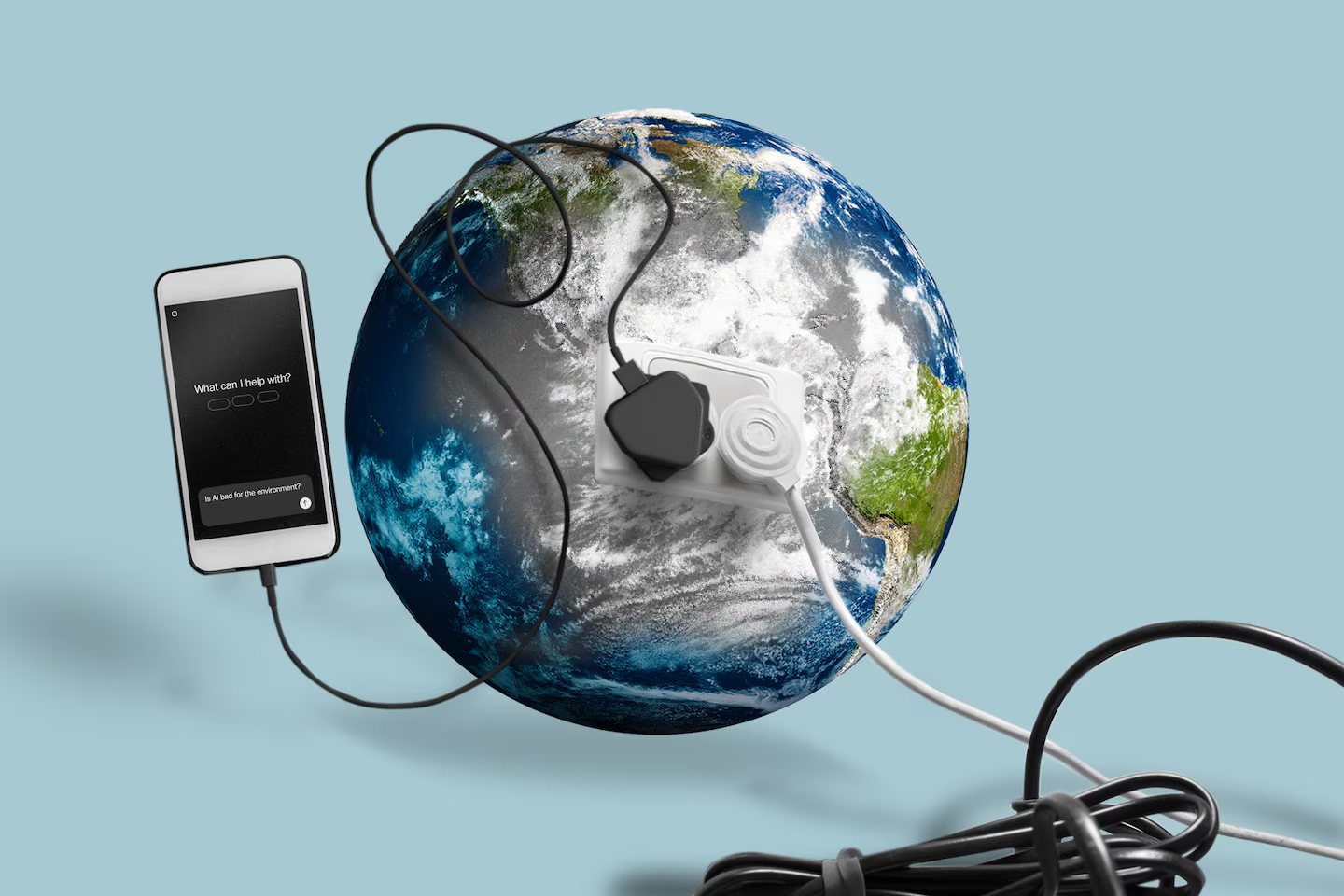
While AI models like ChatGPT have a minimal individual carbon footprint, responsible usage—such as being mindful of when and how often to use these tools—can help mitigate their environmental impact, especially as AI strains power grids and produces emissions.

The U.S. State Department is hosting a conference with 42 signatory nations to discuss the responsible use of artificial intelligence (AI) in military applications, with a focus on ethical considerations and information sharing. The conference aims to continue as an ongoing series, encouraging signatories to meet and discuss new ideas or practice war games of new AI technology, while emphasizing the importance of building practical capacity and implementing necessary policies to ensure responsible development and use of AI in the military.
Vice President Kamala Harris announces a series of new U.S. initiatives to advance the safe and responsible use of artificial intelligence (AI), including the establishment of the United States AI Safety Institute, the release of draft policy guidance on U.S. government use of AI, the endorsement of a political declaration on responsible military use of AI, a new funders initiative to advance AI in the public interest, and efforts to detect and block AI-driven fraudulent phone calls. The Biden-Harris Administration aims to uphold democratic values and interests, ensure transparency, privacy, accountability, and consumer protections, and collaborate with international partners to establish rules and norms for AI.
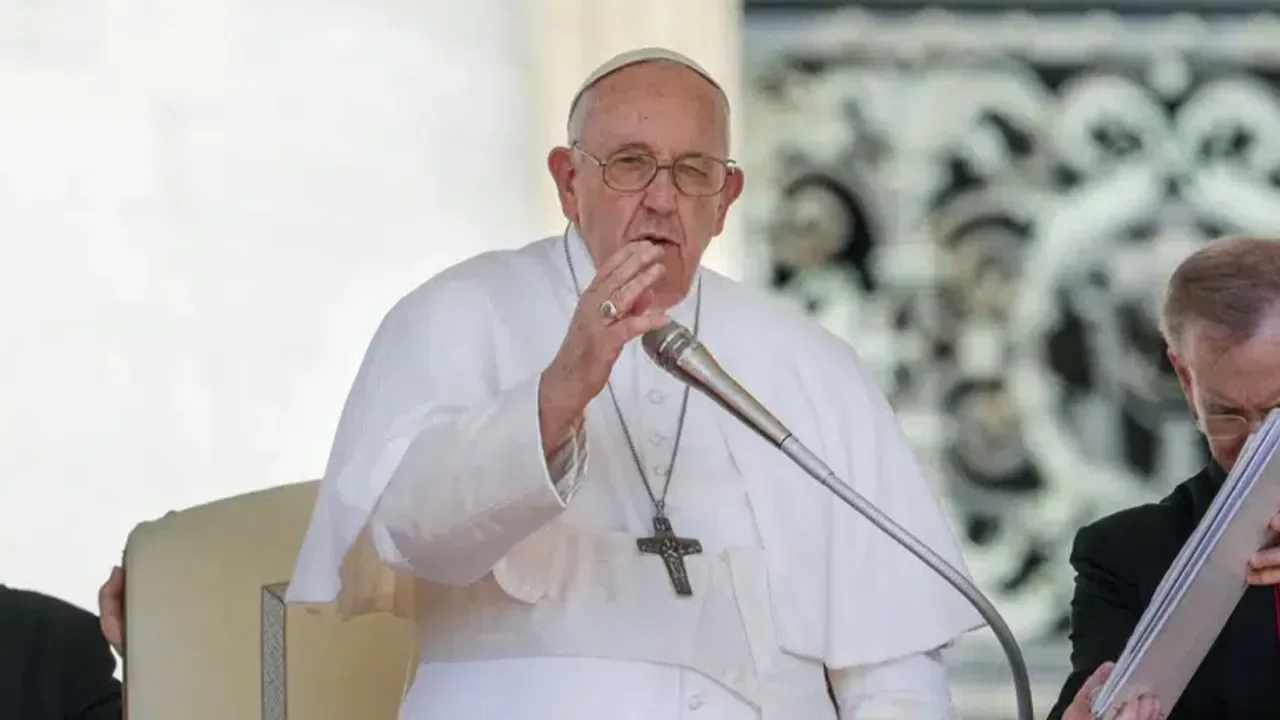
Pope Francis has issued a warning about the potential negative impacts of artificial intelligence (AI), urging for its responsible and ethical use in service of humanity. The Vatican announced that the theme of the next World Day of Peace will be "artificial intelligence and peace." The Pope emphasized the need for open dialogue and vigilance regarding the disruptive possibilities and ambivalent effects of AI. He called for the technology to be used ethically in education and law, without neglecting the most vulnerable members of society. This is not the first time Pope Francis has addressed the topic of AI, having previously expressed optimism about its positive potential while emphasizing the importance of ethical and responsible development.
Pope Francis has issued a warning about artificial intelligence (AI), urging those involved in its development to be vigilant and use it responsibly. He emphasized the need for an open dialogue on the meaning and potential effects of AI, while cautioning against the emergence of a "logic of violence and discrimination" in its production and use. The Pope called for ethical reflection in education and law to ensure that AI serves humanity and protects the most vulnerable. This comes as AI gains increasing interest and scrutiny in 2023, with concerns raised by both tech experts and the Pope.
AI-generated content is becoming more prevalent, but it can be difficult to distinguish from real content. While some tools can help detect AI-generated content, they are not always reliable. Experts recommend using media literacy techniques, such as investigating the source and finding better coverage, to assess what you're looking at. Additionally, chatbots can produce text that sounds highly plausible but may not be accurate, so it's important to fact-check any important information before sharing it. When experimenting with generative AI, it's important to consider privacy, ethics, consent, disclosure, and fact-checking.
Digital and technology ministers from G7 nations have agreed to accelerate discussions on responsible use and governance of AI, as new applications such as ChatGPT gain popularity. They also aim to promote smooth and trustworthy cross-border data flows, a key goal for Japan. The use of generative AI tools is becoming a pressing issue for governments worldwide, and ChatGPT has demonstrated its high capacity to handle various tasks.