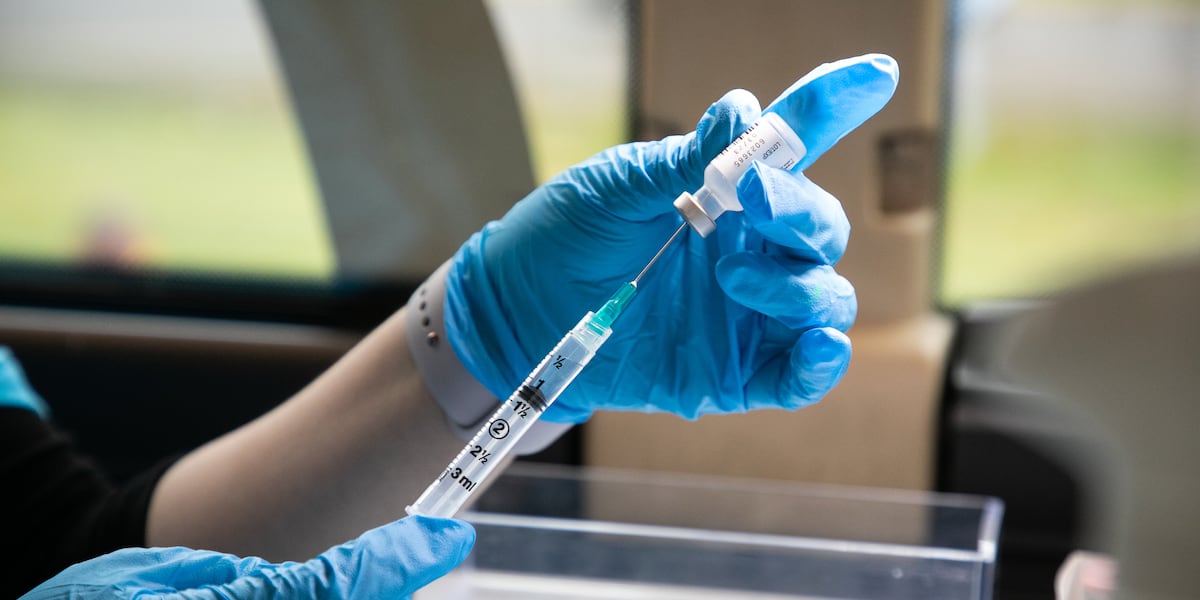
The Hawaii Department of Health is monitoring a rise in COVID-19 cases, with test positivity rates jumping to over 9%. COVID-19 is currently at a medium activity level, while flu and RSV remain low. The DOH recommends vaccination, staying home if sick, and wearing masks.
COVID-19 cases are rising in Hawai‘i, with the state at a medium activity level for the virus. The Big Island reported 129 new cases from May 14-20, while the state saw 659 new cases. The new Respiratory Disease Dashboard from the Hawai‘i Department of Health shows increasing COVID positivity rates and hospital admissions. Residents are advised to stay updated on vaccinations, wear masks indoors, and take COVID tests if symptomatic.
Researchers at Tufts University School of Medicine have developed a compound, UH15-38, that can block necroptosis, a cell death response triggered by the influenza virus, and prevent life-threatening lung tissue injury in mice. The compound was found to effectively restrict viral replication without causing massive damage to the lungs, offering a potential therapeutic option for severe flu infections and other viruses that induce severe respiratory symptoms. If successful in further trials, this approach could provide a means of protecting against future pandemics and respiratory diseases by addressing harmful inflammation in the lungs.
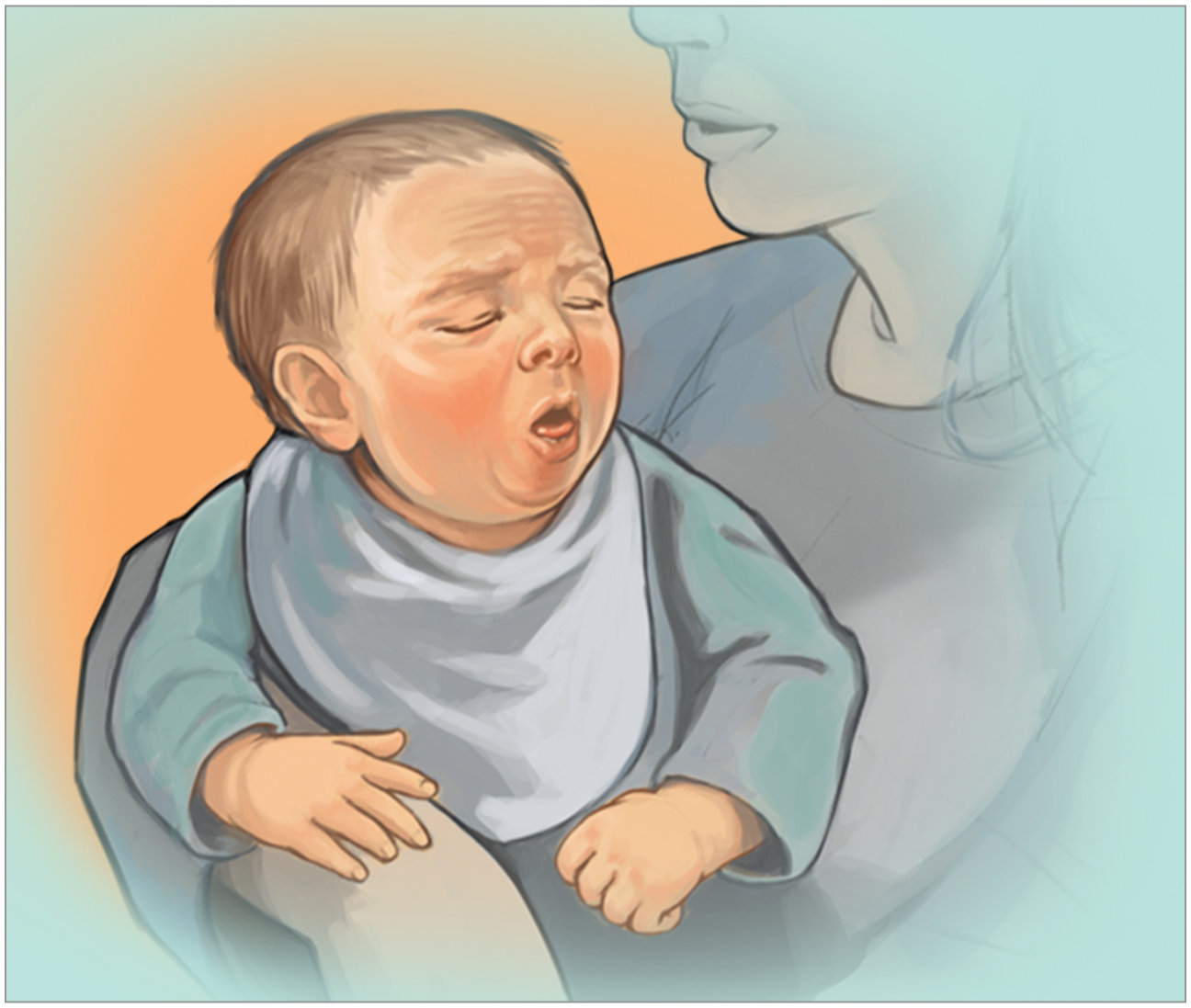
Even after recovering from a cold, flu, or COVID-19, many people continue to experience a lingering cough that can last for weeks. Research suggests that post-infection coughs may be due to hypersensitive airway nerves caused by inflammation during the illness. While most post-infectious coughs resolve within two to three weeks, persistent coughing for more than eight weeks should prompt a visit to the doctor, especially if accompanied by other concerning symptoms.
As respiratory diseases surge in Southern California, experts recommend keeping a pulse oximeter at hand to monitor oxygen levels and know when to seek emergency medical care, especially with the resurgence of COVID-19, flu, and RSV. Dr. Tanya Dall emphasizes the importance of recognizing when to go to the hospital, highlighting the potential for respiratory viruses to cause pneumonia and affect oxygen levels. She advises using a pulse oximeter to check oxygen levels and seek medical attention if they fall below 92%.
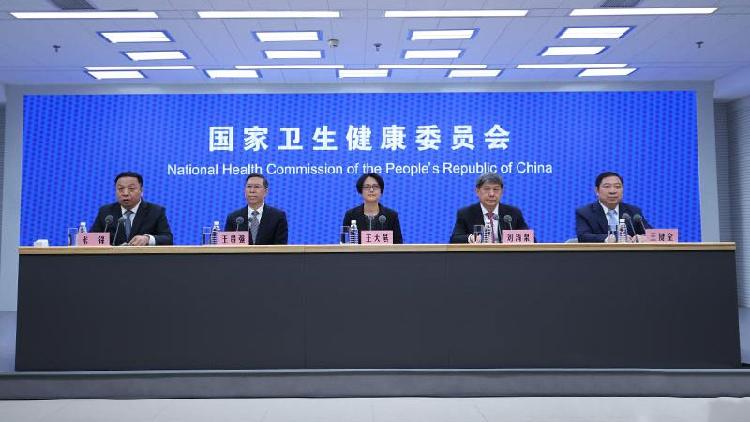
Chinese health authorities have warned of a potential resurgence of COVID-19 driven by the JN.1 subvariant, which is on the rise due to factors like imported cases, lower influenza rates, and declining population immunity. Despite low current COVID-19 burden, hospitals are preparing for a potential surge, and high-risk groups are advised to prioritize annual influenza vaccination and maintain healthy habits.
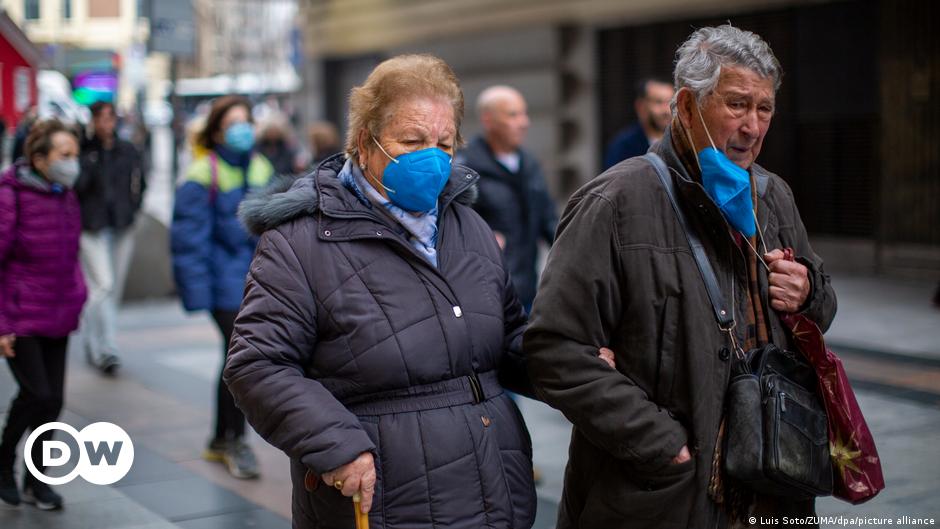
European countries, particularly Spain and Italy, are facing a surge in respiratory illnesses, leading to shortages of hospital beds and overflowing healthcare facilities. The continent is bracing for a potential 'tridemic' of flu, COVID-19, and respiratory syncytial virus (RSV), with some countries also reporting swine flu cases. The World Health Organization has noted a significant increase in hospitalizations and ICU admissions, particularly in Europe and the US. Spain has reintroduced mandatory face mask-wearing in healthcare centers, while Italy has seen flu-related deaths and overcrowded healthcare centers.
The COVID-19 pandemic has sparked a debate about its impact on rates of other infectious diseases, with terms like "immunity debt" and "immunity theft" being used to describe the potential consequences of reduced exposure to pathogens and the idea that COVID-19 may leave some individuals more susceptible to other infections. While COVID-19 mitigation measures have reduced the spread of certain viruses, they may have also led to declines in population immunity, contributing to recent surges in respiratory infections. However, experts caution against oversimplifying the complex interactions between COVID-19 and other respiratory diseases, emphasizing the need for further research to fully understand these dynamics.
GSK has entered into an agreement to acquire Aiolos Bio for $1 billion upfront and up to $400 million in milestone payments, gaining access to AIO-001, a potentially best-in-class, long-acting anti-thymic stromal lymphopoietin (TSLP) monoclonal antibody. This acquisition expands GSK’s respiratory pipeline and offers the potential to redefine the standard-of-care for asthma treatment, with AIO-001 targeting the TSLP pathway and demonstrating initial safety and tolerability in early studies. The transaction is subject to regulatory clearances and underscores GSK’s commitment to advancing respiratory therapies.
The Novo Nordisk Foundation, controlling drug maker Novo Nordisk, plans to allocate up to $265 million to establish an initiative focused on improving vaccines for respiratory diseases. The foundation's windfall from the success of Novo Nordisk's weight-loss drug, Wegovy, has positioned it as a potential major philanthropist and ESG investor. The initiative aims to develop new or enhanced vaccines for deadly respiratory diseases such as tuberculosis, influenza, and streptococcus. In partnership with the University of Copenhagen, it will be the world's first initiative solely dedicated to understanding how to generate immunity in the airway. The move comes as the fight against tuberculosis has been hindered by the COVID-19 pandemic, and the foundation's funding is expected to increase significantly due to returns from Wegovy.
University Health officials in San Antonio have reported an increase in respiratory illness cases, coinciding with the Centers for Disease Control and Prevention's (CDC) warning about low immunization rates. The CDC is concerned that the combination of low vaccination rates and rising respiratory diseases like COVID-19 and RSV could strain the healthcare system. The CDC advises healthcare providers to administer influenza, COVID-19, and RSV immunizations, especially to high-risk patients. University Health data shows a rise in flu and COVID-19 rates, while RSV rates have slightly decreased. The CDC also highlights the importance of routine prevention measures and recommends discussing recommended immunizations with healthcare providers.
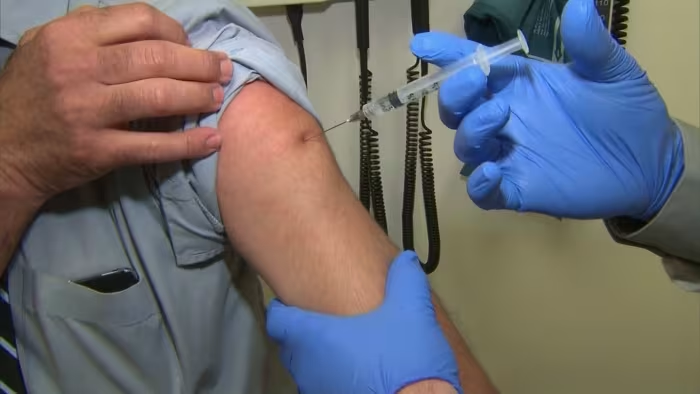
The CDC has issued a Health Alert Network (HAN) Health Advisory to healthcare providers, warning of low vaccination rates against influenza, COVID-19, and RSV. The combination of low vaccination rates and increasing respiratory disease activity caused by multiple pathogens could lead to more severe disease and strain on healthcare capacity. Healthcare providers are urged to administer immunizations for influenza, COVID-19, and RSV, recommend antiviral medications, and counsel patients about testing and preventive measures. The CDC provides communication tools and resources to help increase vaccination rates.
The recent surge in pneumonia cases in China is not a new disease like Covid-19, but rather a form of another Covid virus called SARS-CoV2, along with other respiratory illnesses such as influenza and pneumonia-causing bacteria. The rise in cases is attributed to the impact of Covid restrictions on the body's ability to fight infections, particularly in children who had limited social interactions. The World Health Organization is closely monitoring the situation, and nearby countries like India are preparing to tackle the disease. There is no need for major panic at the moment, but it is advised to practice good hygiene, get vaccinated, use over-the-counter therapies, and monitor temperatures to combat or avoid the illness.
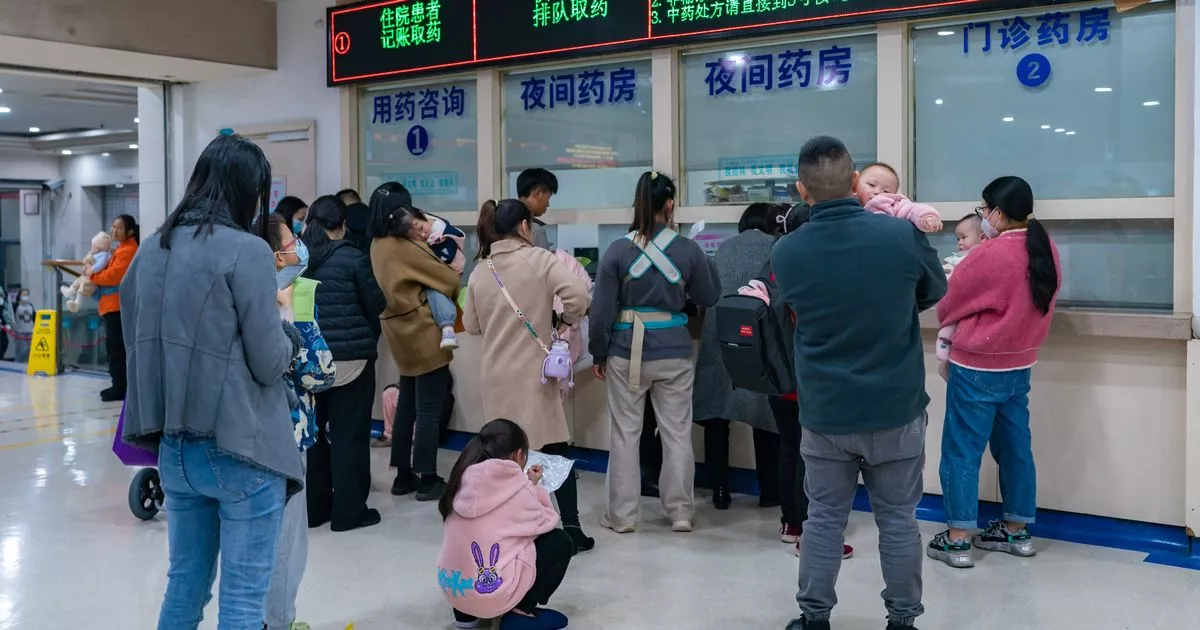
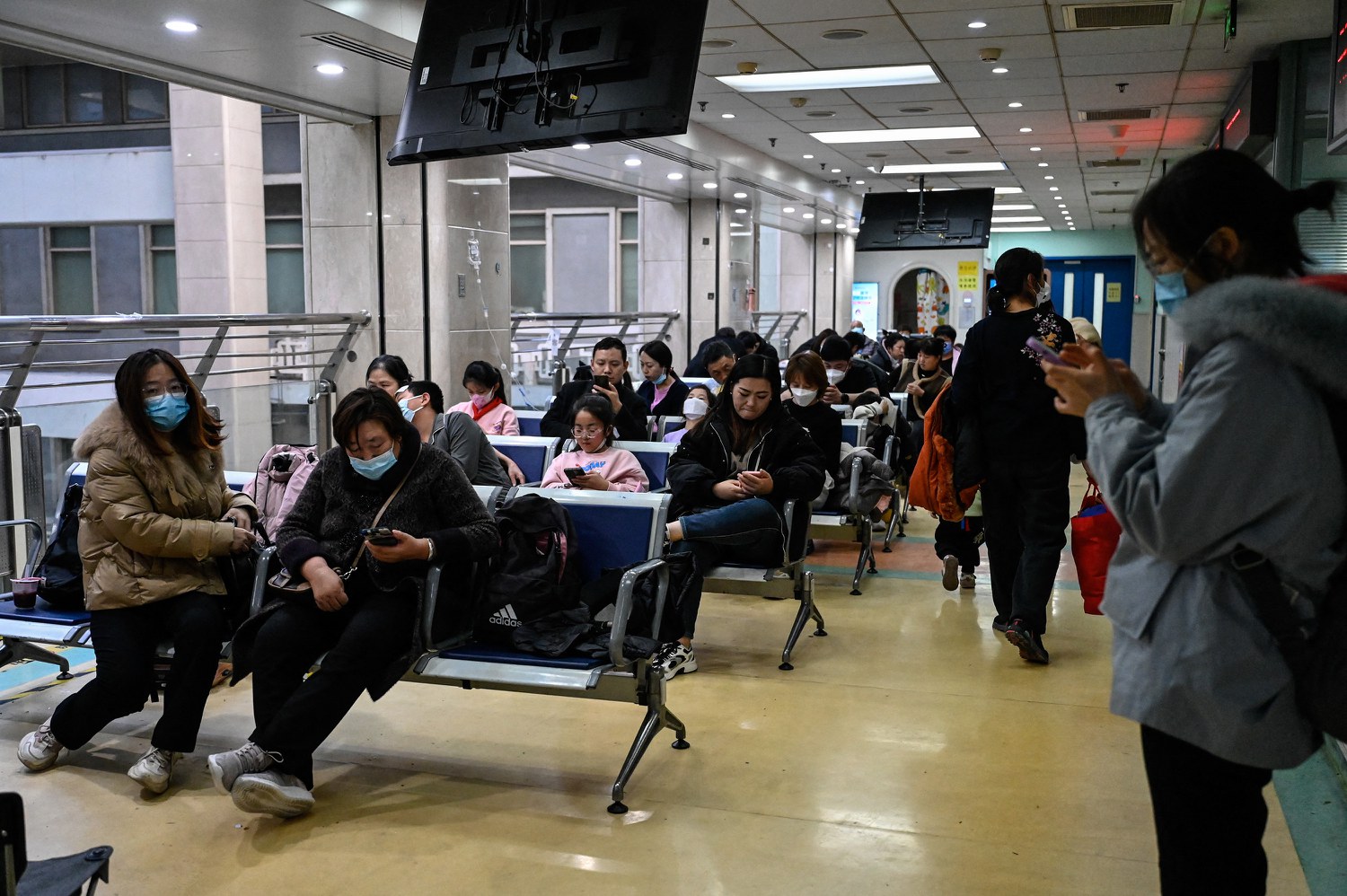
China has restarted COVID-19 testing in hospitals and transportation hubs as a wave of respiratory diseases sweeps through the country. Chinese health officials have acknowledged the spike in pneumonia and respiratory cases, attributing it to a combination of pathogens including mycoplasma pneumonia, respiratory syncytial virus, seasonal influenza, and COVID-19. Government documents are now warning about a new wave of coronavirus infections, prompting the State Council to order local authorities to resume testing and disease monitoring at various institutions. Unconfirmed reports suggest that the "Health Code" COVID-19 tracker app may also be reactivated.
Chinese experts have issued a warning about the potential relapse of Covid-19 infections during the winter season, urging elderly and vulnerable populations to get vaccinated. The Chinese CDC reported 209 new severe Covid-19 cases and 24 deaths in October, with the prevalent strains being XBB variants. Experts highlighted the virus's mutations and the declining ability of the general population to fight off the disease due to lowering antibody levels. They also cautioned about potential co-infections with influenza and mycoplasma pneumoniae pneumonia. While prevention and control measures are necessary, there is no need for excessive concern.