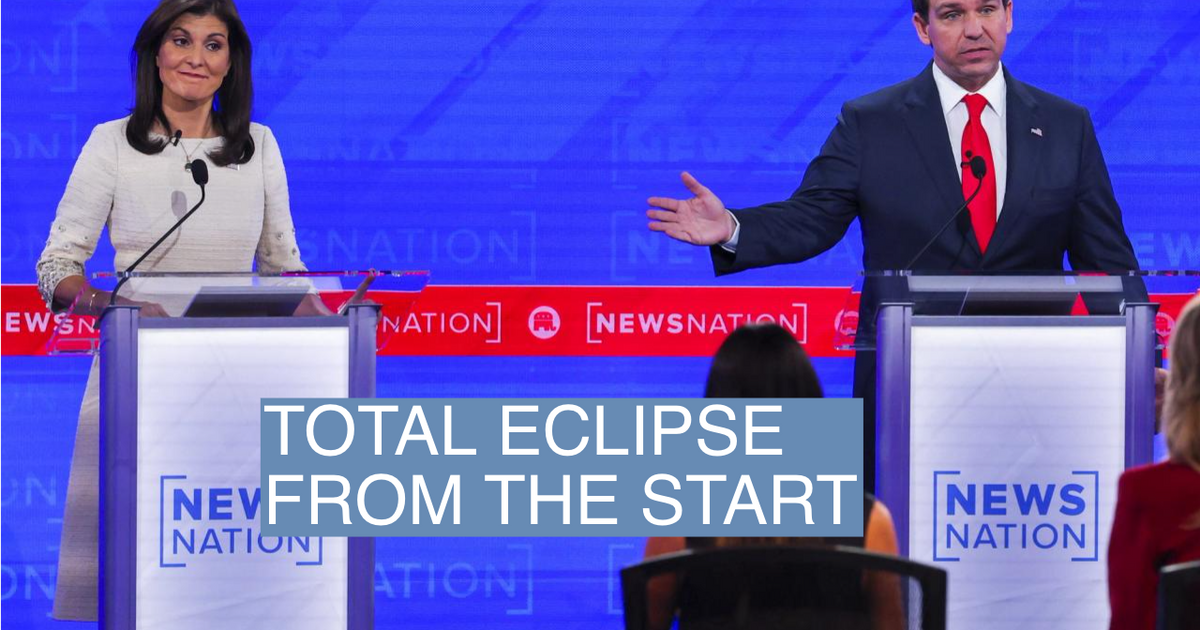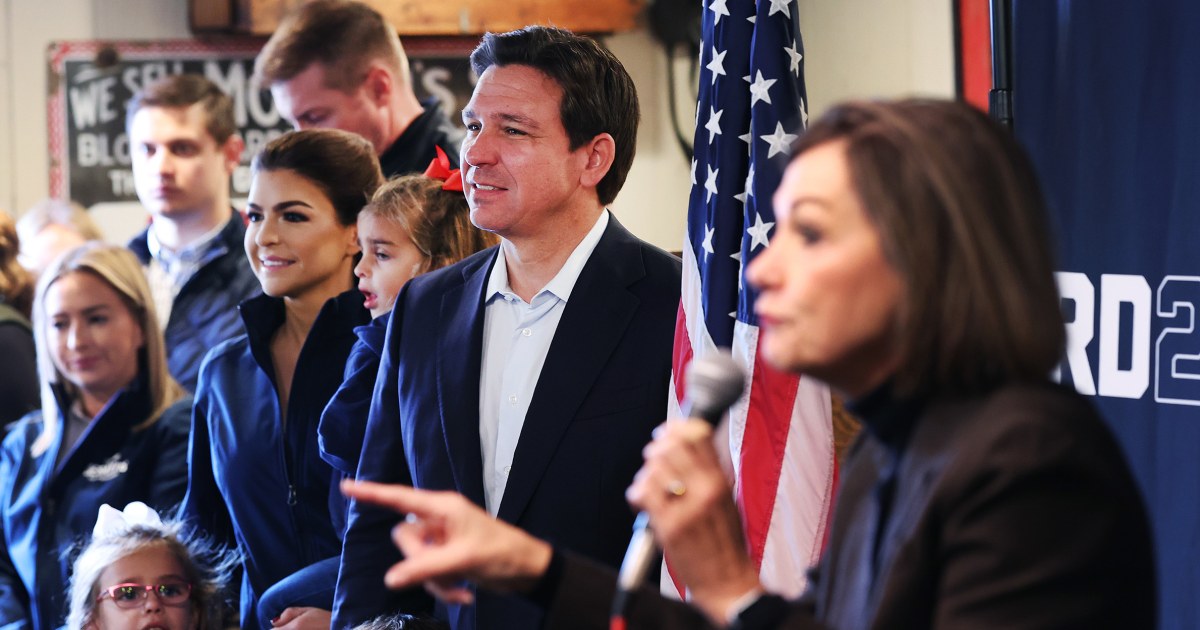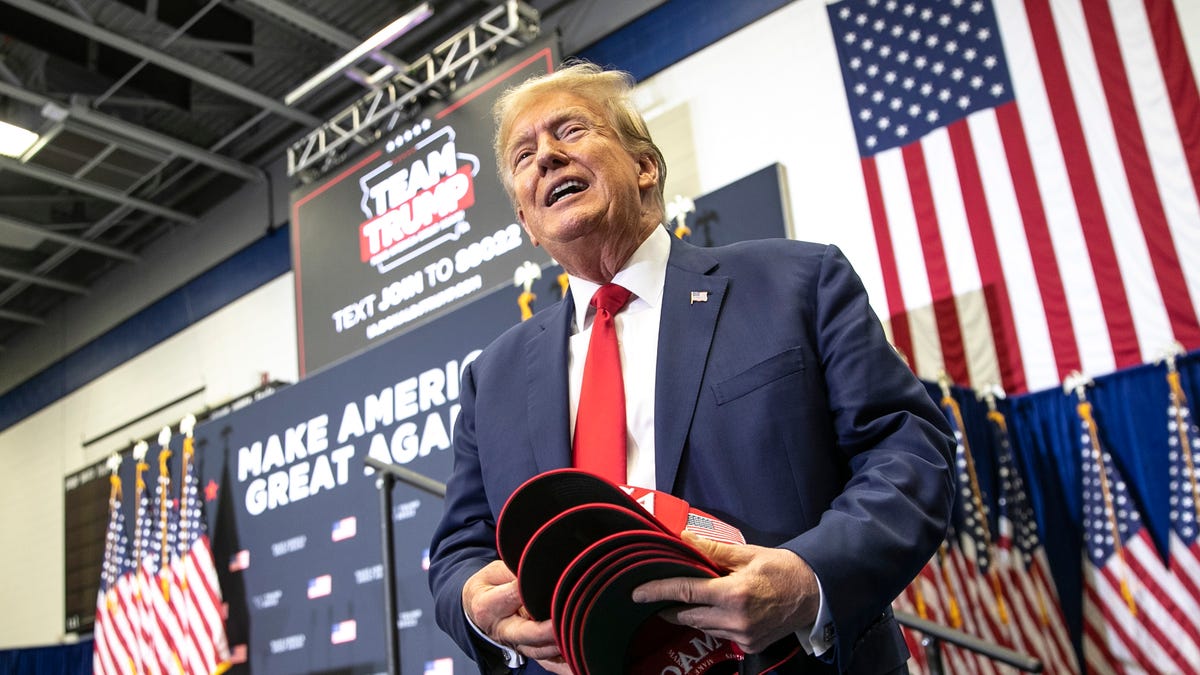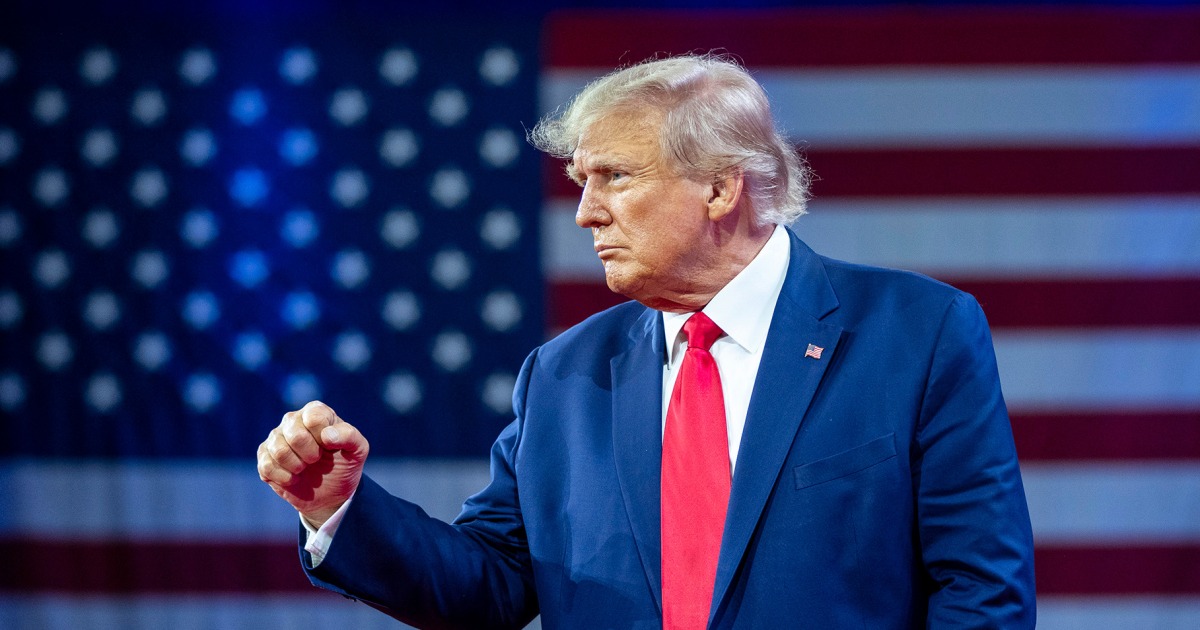
Donald J. Trump wins the Idaho Republican caucus with 84.9% of the votes, securing 32 delegates, while Nikki Haley and Ron DeSantis receive 13.2% and 1.3% of the votes respectively. Idaho's 32 Republican delegates will be awarded to Trump, and the state party officials aim to announce the overall winner by 8 p.m. Eastern time, with more detailed results to follow.
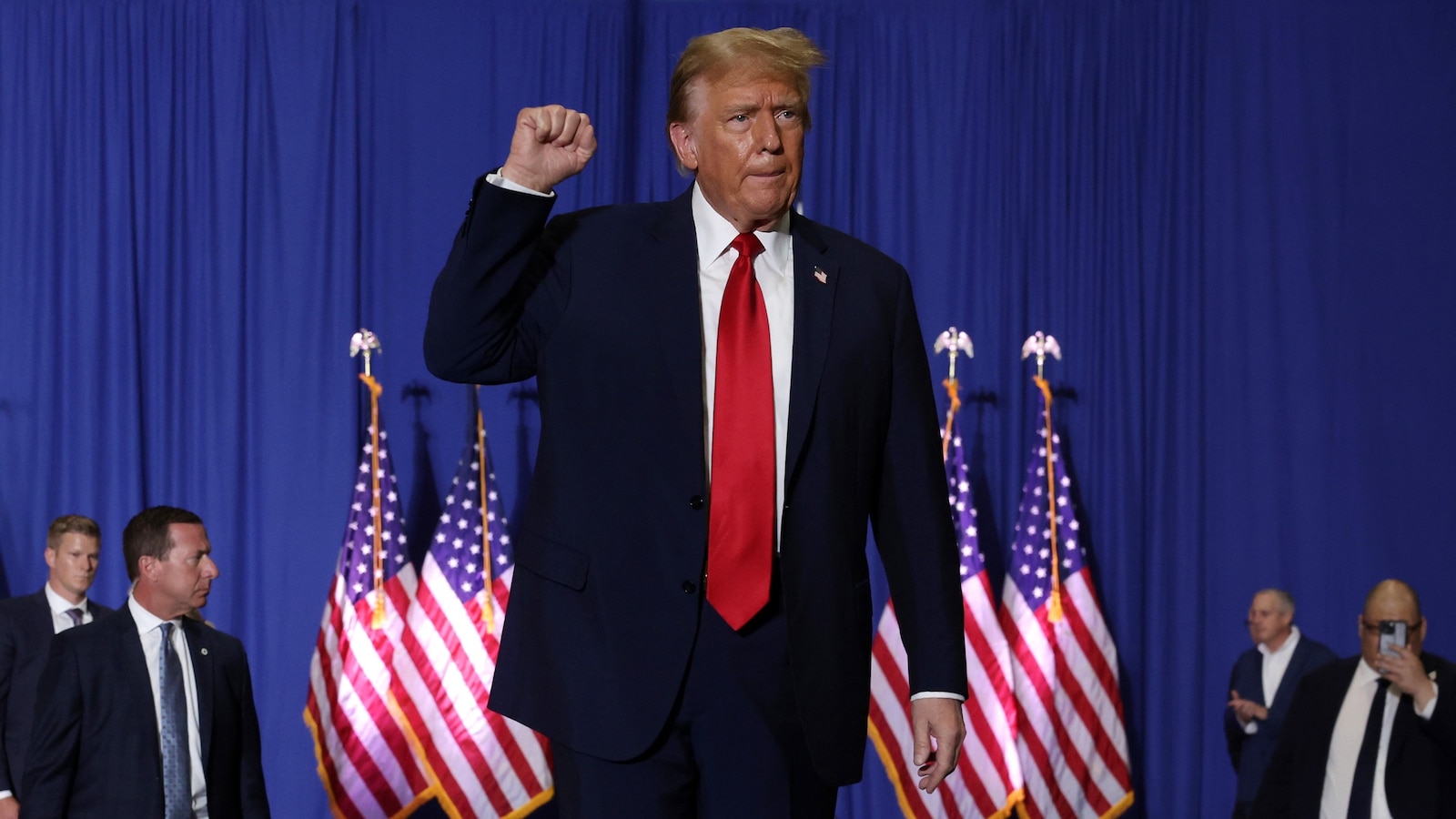
Former President Donald Trump wins the Idaho Republican presidential caucuses, securing a step towards the 2024 nomination over Nikki Haley. The state's 32 GOP delegates were chosen through in-person "firehouse caucuses" after the state Legislature eliminated the primary election. Idaho's significance in the presidential nominating process and its history as a Republican stronghold make these results noteworthy.
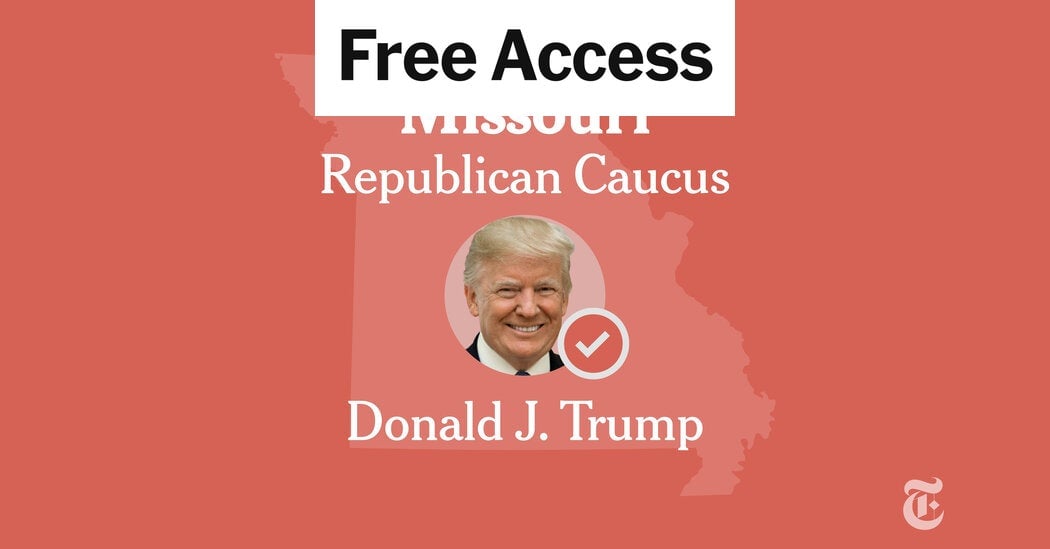
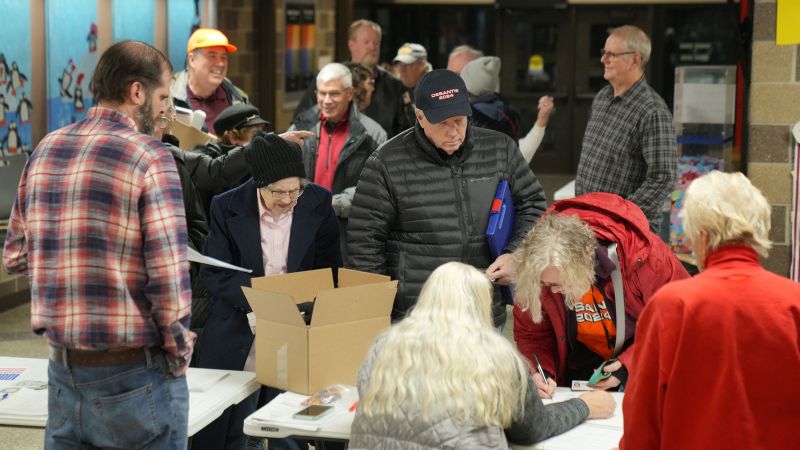
Donald Trump wins the Missouri Republican Caucus with 100% of the reported votes, securing 121 out of more than 900 statewide delegates. Results by county show Trump leading in various areas. The caucuses took place in person with participants forming groups to determine candidate representation at district and state conventions. Missouri voters may affiliate with a party via their local election authority, and while not required to be affiliated with the Republican party to caucus, participants must sign a pledge declaring their allegiance.
The Nevada Republican Caucus saw former President Donald J. Trump and businessman/pastor Ryan Binkley as the only candidates on the ballot, with both receiving no votes and no delegates. Caucuses were held in-person at over 1,500 locations across the state, and results were expected to be reported on the same day. A state-run presidential primary was also held, where voters could participate in both the primary and the caucus, but only the caucus results will determine delegate allocation. Nikki Haley, the only major candidate in the primary, was outvoted by a "None of These Candidates" option on the ballot.
Donald Trump won the Republican caucus in the U.S. Virgin Islands, defying GOP party rules by holding the contest earlier than allowed and using ranked-choice voting. Trump received 73.98% of the votes, while Nikki Haley received 26.02%. The caucus, which saw a high turnout, aimed to ensure the U.S. territory played a significant role in the nomination process. Despite the rule violation, officials in the U.S. Virgin Islands plan to send nine delegates to the Republican National Convention, although the Republican National Committee has stated they are entitled to only four delegates.
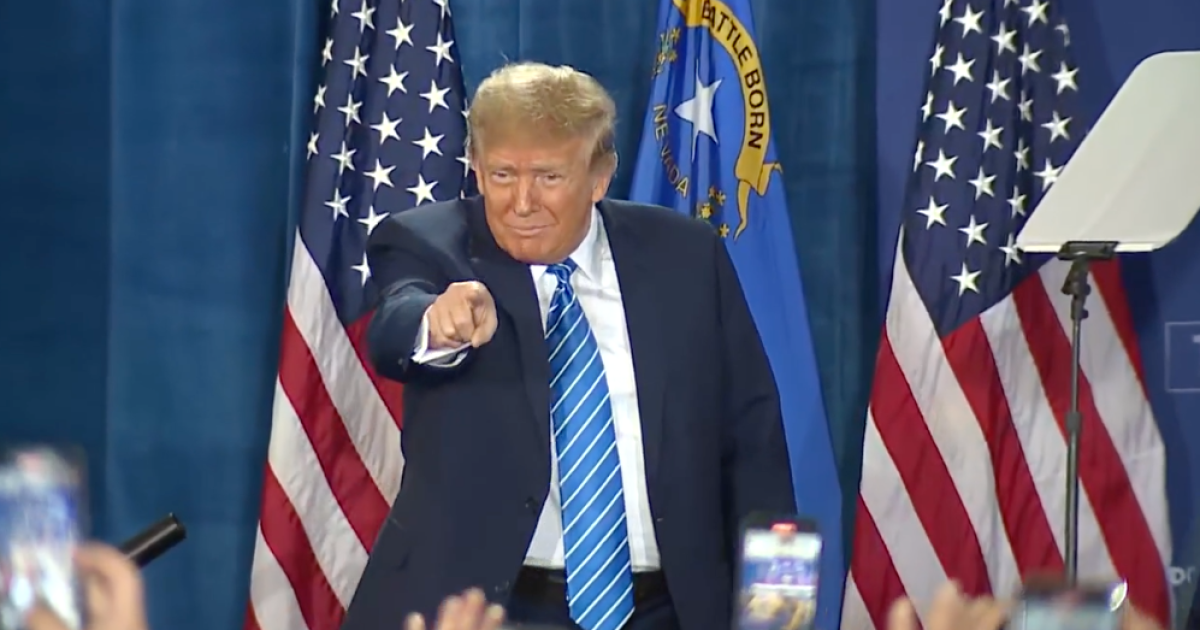
Former President Donald Trump rallied supporters in Las Vegas ahead of the Republican caucus, urging them to focus on the caucus rather than the primary, as his name doesn't appear on the primary election ballot. Early voting for the Presidential Preference Primary has begun, and confusion surrounds the process for Republican voters. Trump touched on various issues during his speech, including crime, critical race theory, election security, the Ukraine war, and border security, while also criticizing his Republican opponent Nikki Haley. Supporters believe Trump could bring change to border security and the economy, as campaign activity heats up in Southern Nevada.
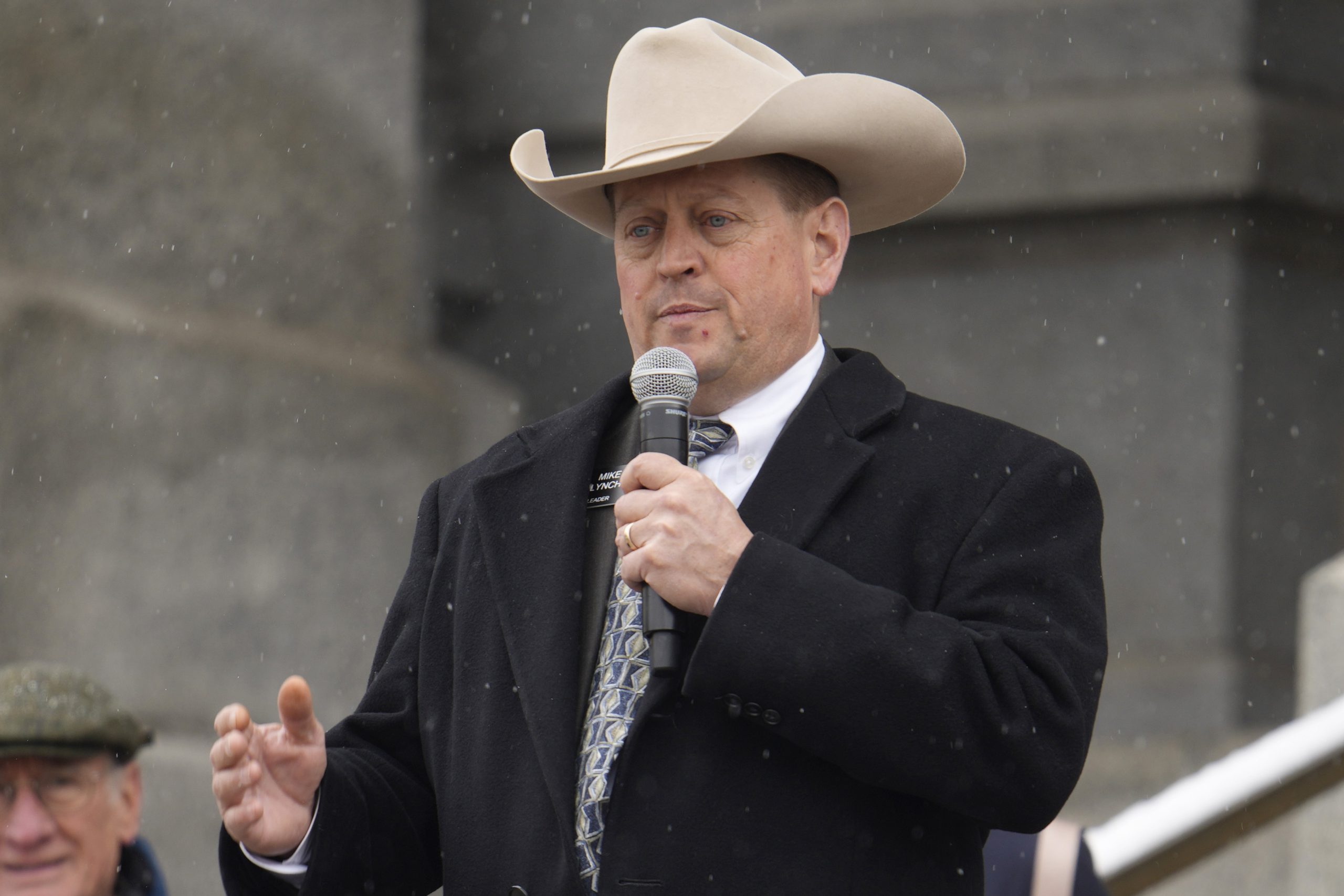
Colorado House Minority Leader Mike Lynch narrowly survived a no-confidence vote to remove him as the leader of the Republican caucus following the revelation of his 2022 DUI arrest. The vote was split 9-9, with one lawmaker absent, and Lynch voting to keep his post. His leadership position remains in peril, exacerbating existing divisions in the House Republican caucus, which is split between more conservative and moderate members. Lynch's arrest, which became public last week, has led to calls for his resignation and has tarnished the reputation of the caucus.
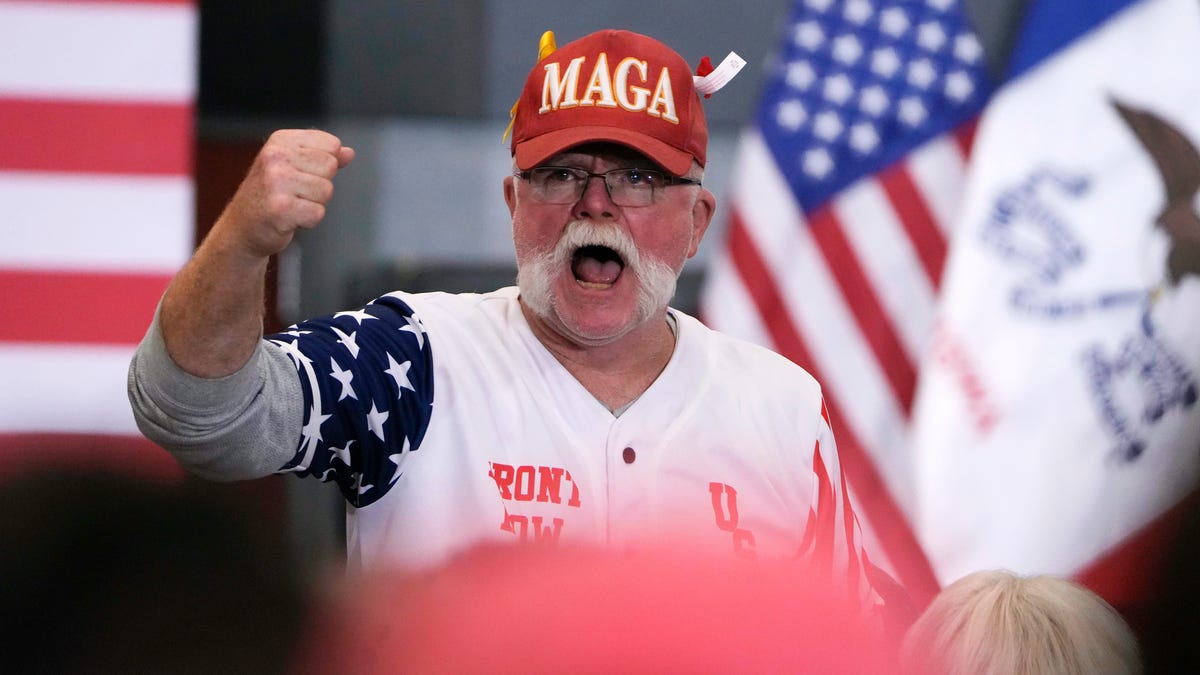
About half of Iowa Republican caucusgoers identify with the MAGA movement, with few acknowledging President Joe Biden’s 2020 election victory as legitimate, according to an early entrance poll. The majority describe themselves as conservatives, with a significant portion supporting a federal ban on most or all abortions nationwide. The poll also indicates strong support for former President Donald Trump among caucusgoers who consider themselves part of the MAGA movement, White born-again or evangelical Christians, and very conservative voters, marking a shift from the 2016 Iowa caucus.
A new Iowa Poll reveals that while former President Donald Trump leads among likely Republican caucusgoers in Iowa, less than half identify with his MAGA brand, with 40% aligning with MAGA, 38% feeling neutral, and 17% being anti-MAGA. U.N. Ambassador Nikki Haley has gained momentum among the anti-Trump contingent, with 60% of anti-MAGA Republicans planning to vote for her. Meanwhile, likely caucusgoers who support Ron DeSantis are mostly neutral on MAGA, and Trump maintains a strong hold on Iowa, with 48% of poll respondents choosing him as their first choice for president.
A recent Iowa poll of likely Republican caucus-goers shows former U.N. ambassador Nikki Haley leading Florida Gov. Ron DeSantis for the first time, with former president Donald Trump maintaining a dominant lead. Haley's support rises among independents and moderate caucus-goers, positioning her well for the New Hampshire primary. Despite positive trends for Haley, Trump remains the heavy favorite for the GOP presidential nomination, with about 6 in 10 Republicans nationwide supporting him.
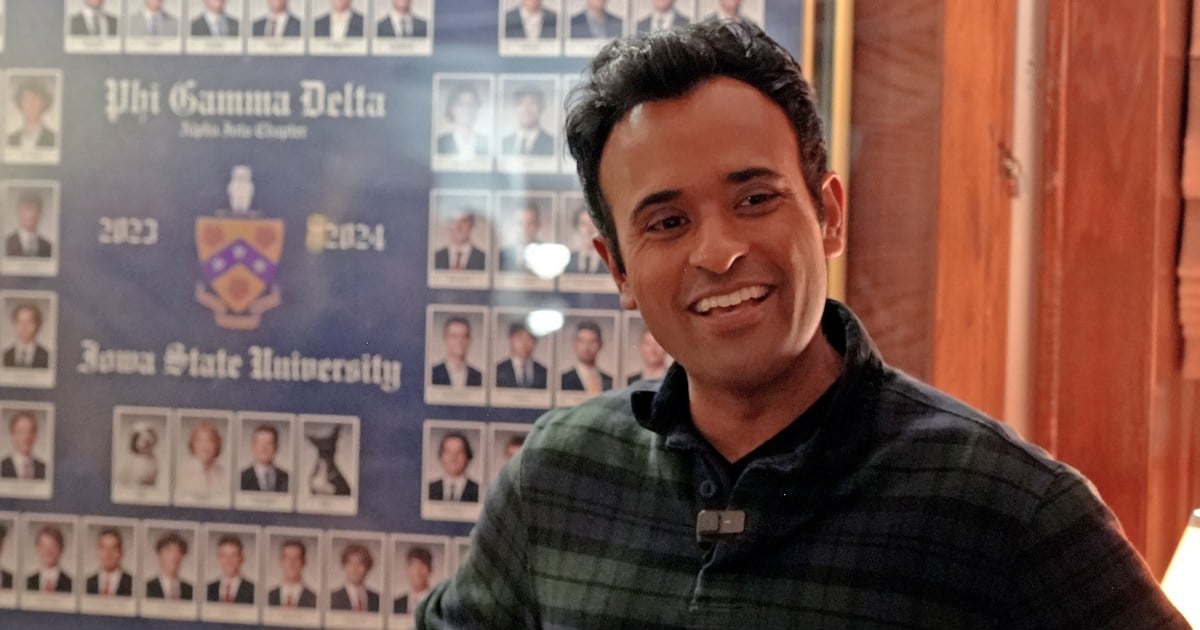
Vivek Ramaswamy, a Republican candidate in Iowa, has been hosting "Free Speech and Free Drinks" events on college campuses, attracting mostly male crowds with a frat house atmosphere. Despite struggling in polls, he insists he's inspiring first-time caucusgoers, but many attendees are there for the free alcohol rather than political engagement. Polling shows he's made a bigger impact with men than with women, and some students are more interested in partying than in supporting his campaign.
A recent poll shows that 51% of likely Republican caucusgoers in Iowa still support Donald Trump as their first choice, complicating the path forward for his primary opponents. Ron DeSantis sits in a distant second with 19%, followed by Nikki Haley with 16%. The non-Trump candidates are working to convince voters, political leaders, and donors that they are still credible contenders. DeSantis's campaign believes their ground game in Iowa will outperform public polling, while Haley's campaign hopes for a weak performance from DeSantis to boost her chances. Vivek Ramaswamy's team highlights different voter demographics at their events, while Chris Christie focuses on New Hampshire rather than Iowa.
A new poll conducted in Iowa shows that high-profile endorsements from Republican politicians and organizations opposed to former President Donald Trump have not had a significant impact on the race for the GOP presidential nomination. The poll reveals that the majority of likely Iowa Republican caucusgoers do not consider these endorsements when deciding their vote choices. Despite Iowa Governor Kim Reynolds endorsing Florida Governor Ron DeSantis, 54% of likely GOP caucusgoers say it doesn't matter to their vote, while 31% say it makes them more likely to vote for DeSantis. Trump maintains a significant lead with 51% support, compared to DeSantis' 19%.
According to a new Iowa Poll, Donald Trump's lead in the Republican presidential race has grown even stronger, with over 50% of likely Republican caucusgoers in Iowa choosing him as their first choice. Ron DeSantis has pulled ahead of Nikki Haley for second place with 19%, while Haley remains at 16%. Trump leads across all demographic groups and has expanded his support among first-time caucusgoers. Despite facing legal challenges, 73% of likely caucusgoers believe Trump can win against Joe Biden. Trump also has the highest favorability ratings among likely Republican caucusgoers.
Former President Donald Trump has surged ahead in the latest NBC News/Des Moines Register/Mediacom poll, earning 51% first-choice support from likely Iowa caucusgoers, the largest lead recorded in this poll's history. Trump's support is driven by evangelical and first-time caucusgoers, as well as Republicans who believe he can defeat President Joe Biden despite legal challenges. Trump also enjoys more enthusiasm and commitment from his supporters compared to his rivals. While Trump leads by a significant margin, a sizable portion of caucusgoers are still considering Florida Governor Ron DeSantis and former United Nations Ambassador Nikki Haley. The Iowa caucuses remain unpredictable, but Trump's lead is currently commanding.