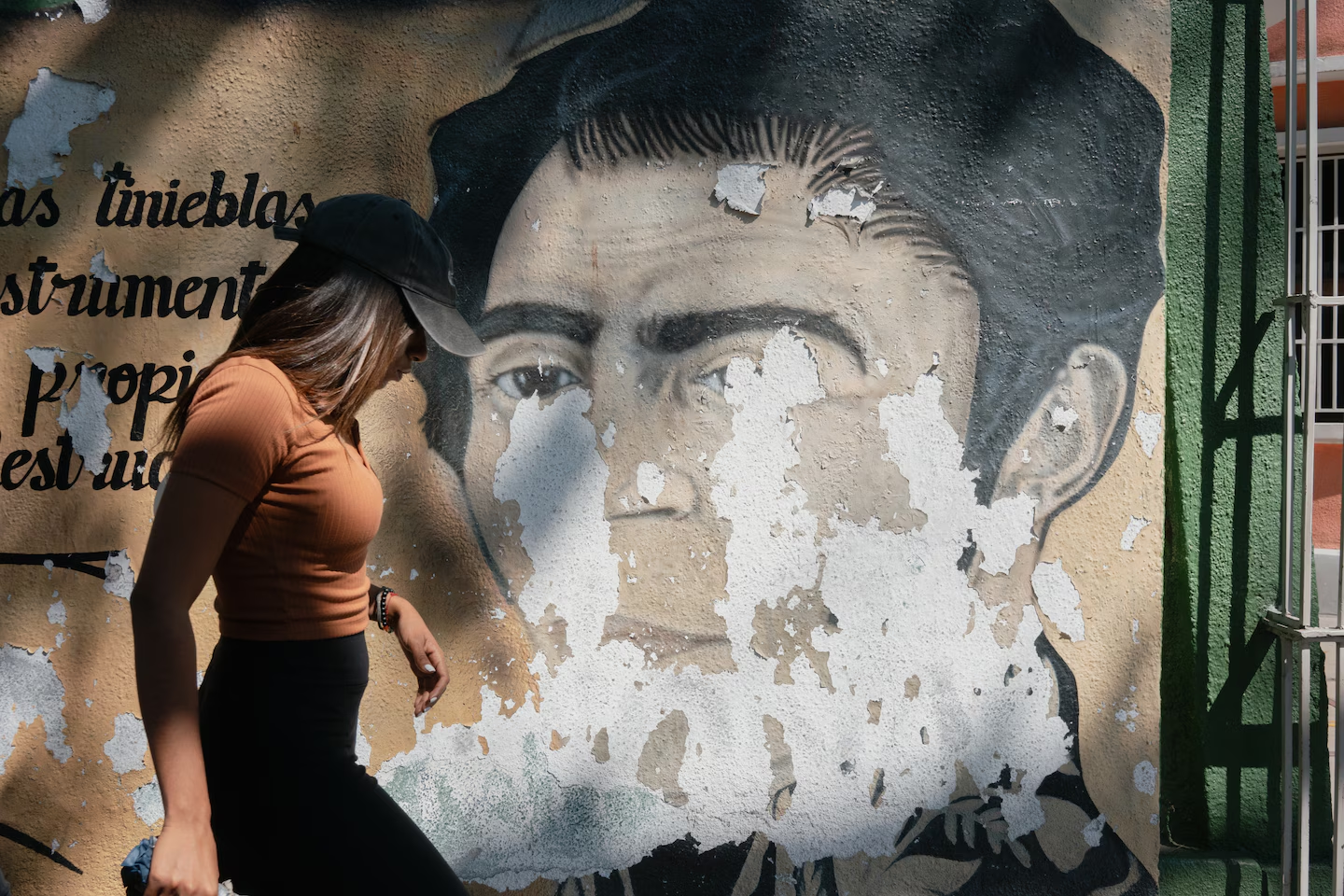
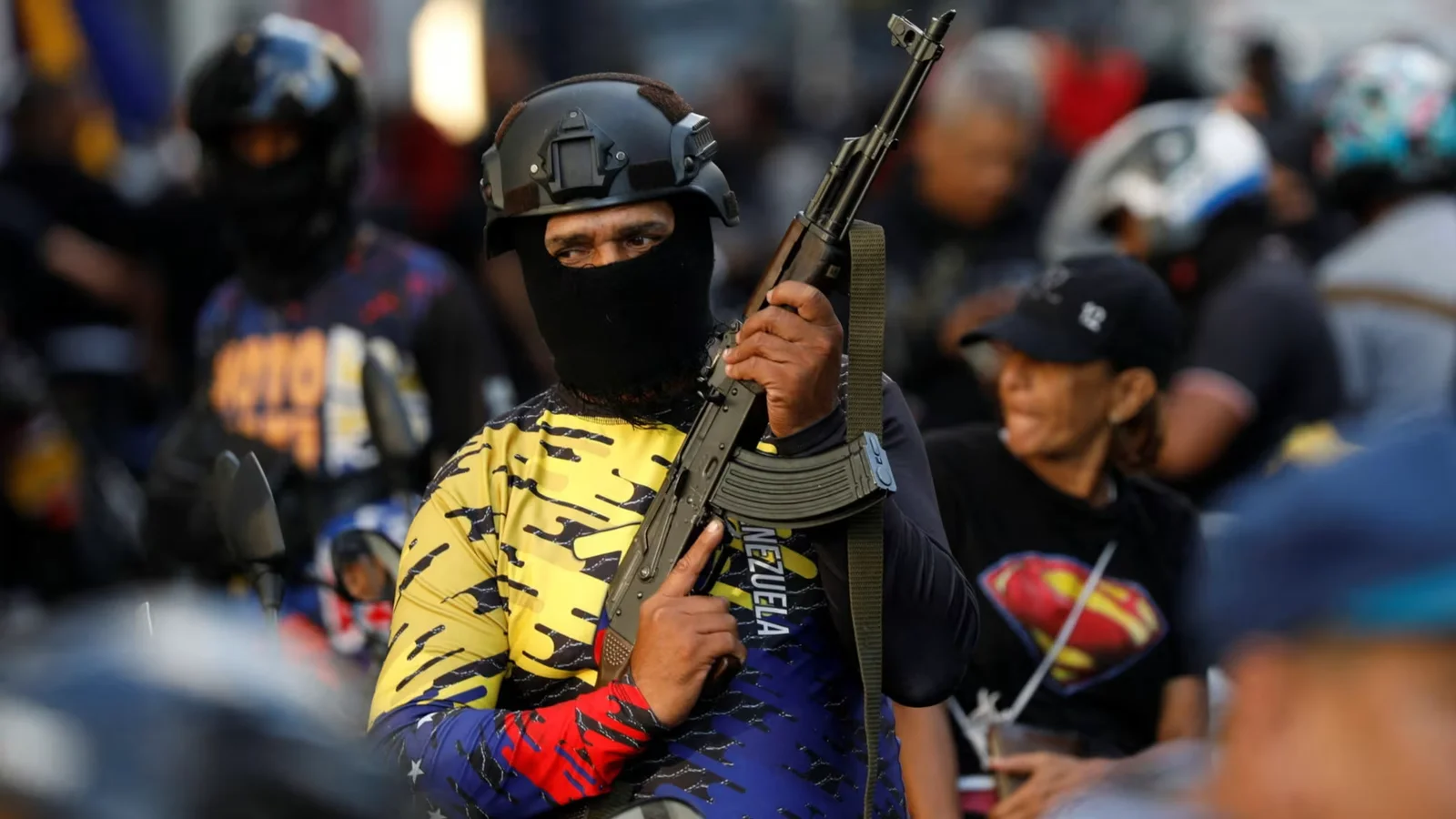
Venezuela is experiencing a wave of repression following the ousting of Maduro, with government crackdowns, detentions, and street violence causing widespread fear in Caracas, despite initial celebrations over Maduro's capture by U.S. forces.
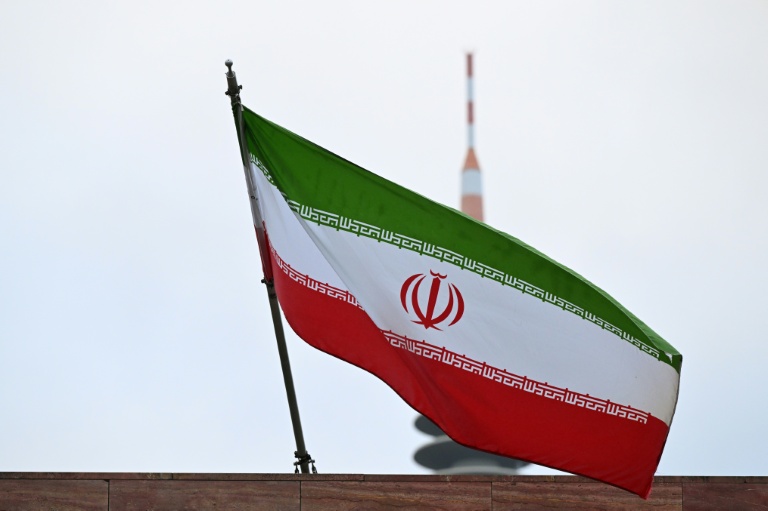
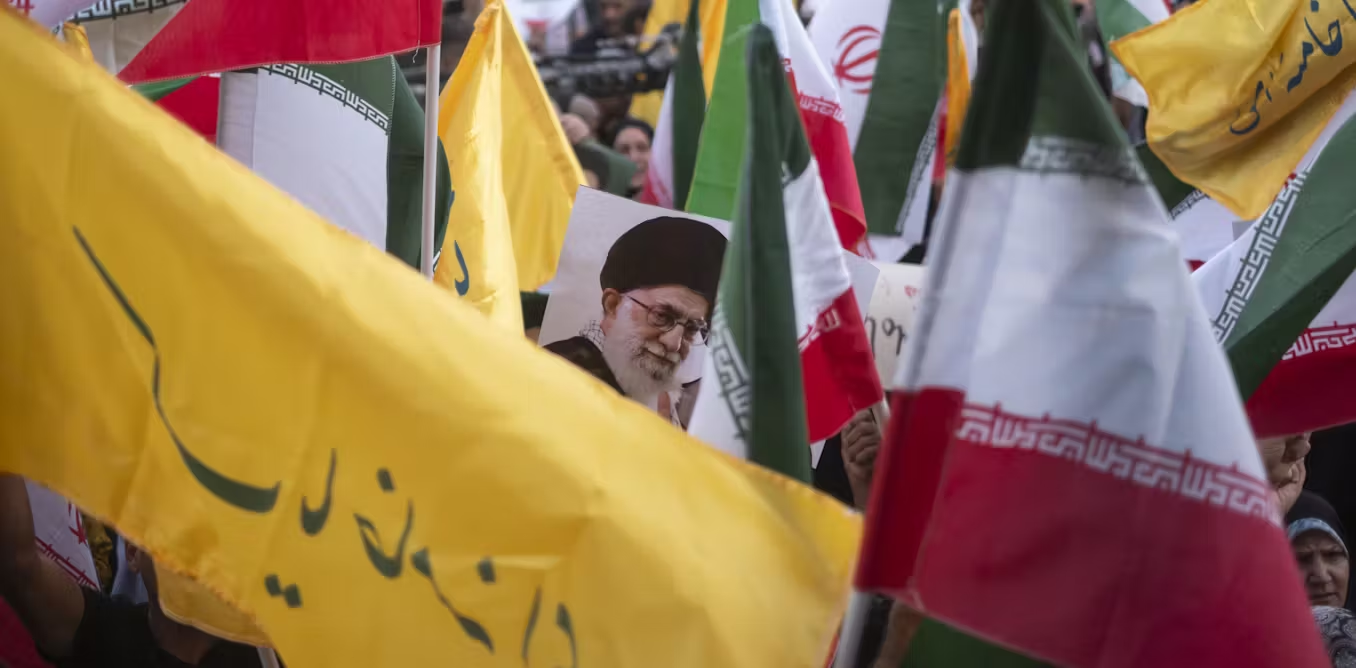
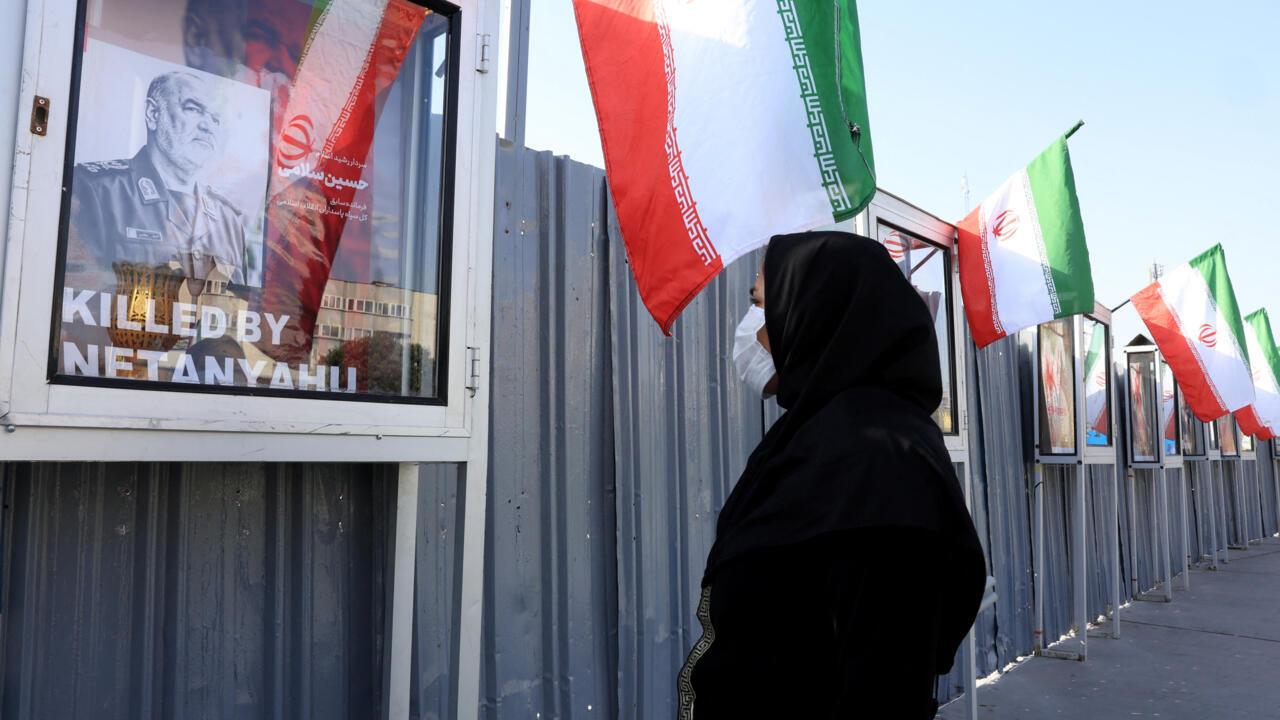
Despite ongoing enforcement, Iran's authorities appear to be easing their strict mandatory hijab policies amid social disobedience and protests, though they have not officially abandoned the rule, and a potential crackdown remains possible. Women are increasingly dressing freely in public, reflecting a shift driven by civil resistance, but the regime continues to enforce and threaten repression against those opposing the hijab.
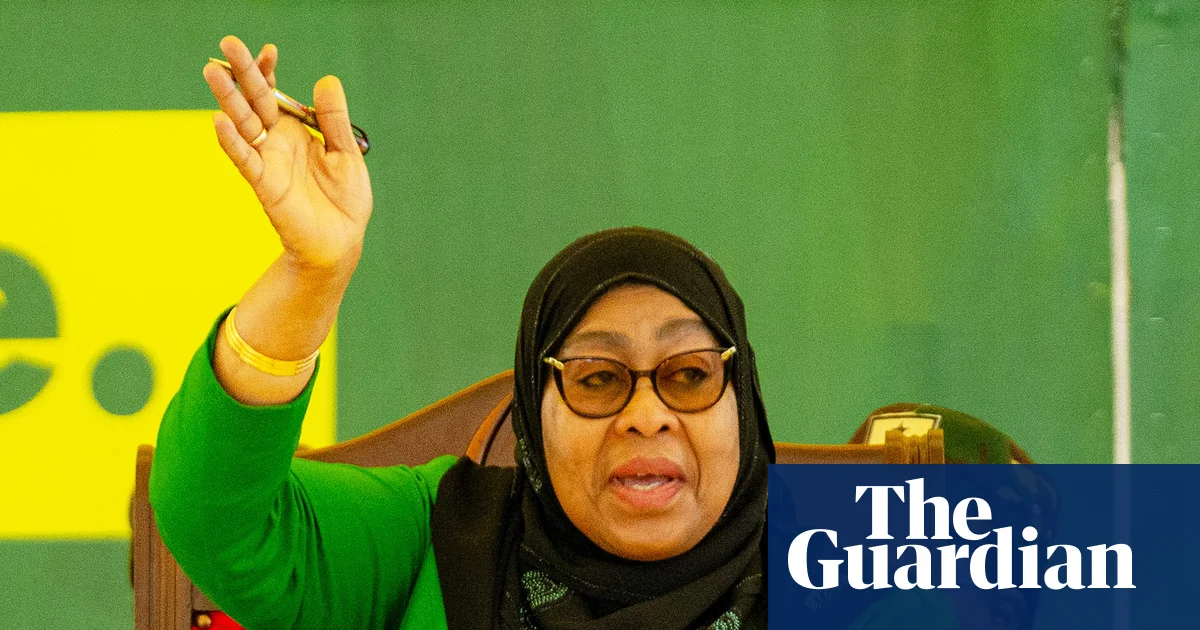
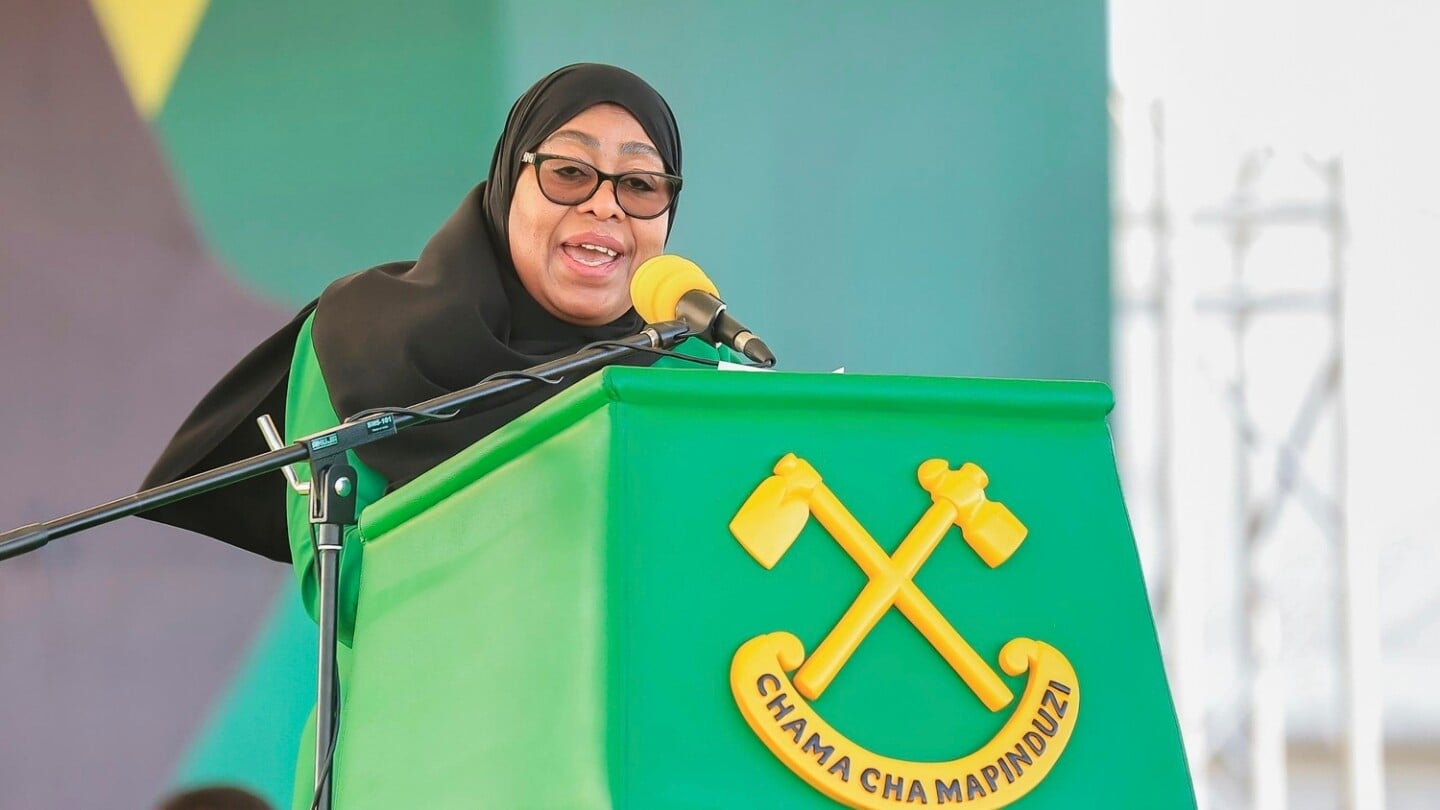
Tanzania's President Samia Suluhu Hassan is poised to retain power in an election marked by the exclusion of opposition candidates, increased repression, and concerns over democratic backsliding, with her ruling party CCM maintaining a strong hold amid allegations of political suppression and civil unrest potential.
Tanzania's first female president, Samia Suluhu Hassan, has been accused of increasing repression and authoritarian practices despite initial hopes of liberalization, with critics and international organizations highlighting ongoing human rights abuses and a lack of genuine electoral competition as she seeks reelection.
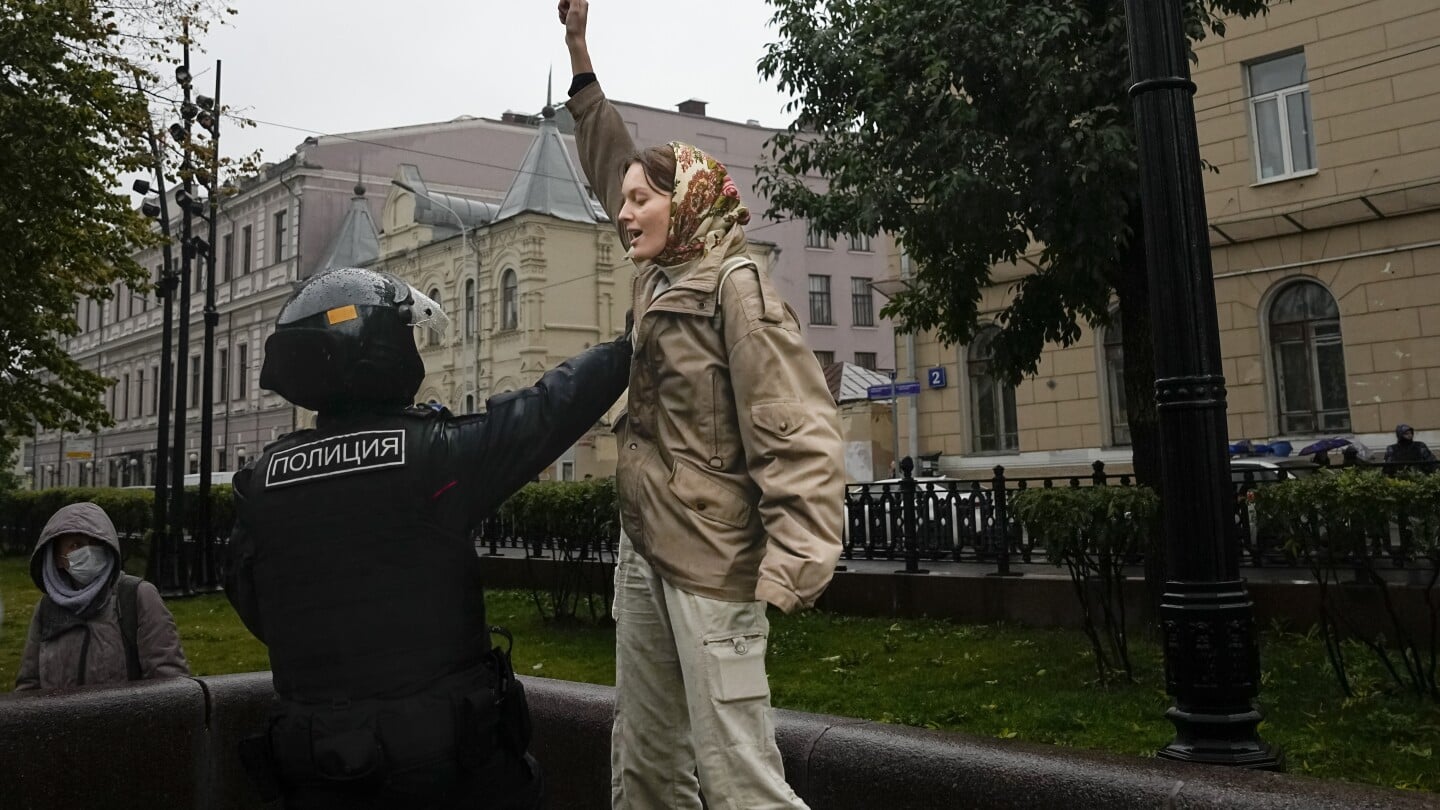
A UN human rights expert reports escalating repression in Russia, targeting civilians, journalists, and Ukrainian prisoners of war through criminal prosecution, torture, and long-term imprisonment to silence opposition to the Ukraine war, with over 3,900 individuals convicted and widespread systematic torture documented.
Following Israel's recent conflict with Iran, the Iranian government has intensified repression, executing and arresting numerous individuals accused of espionage or opposition activities, with fears of a repeat of the 1988 mass executions amid increased internal dissent and external threats.
The 2025 Iran-Israel conflict has exposed Iran's weakened military and diminished soft power, leading to internal unrest and increased repression of ethnic minorities like Kurds, highlighting the government's vulnerability and historical pattern of suppression.
Since the start of the Israel-Iran conflict, Iran has intensified its crackdown on suspected spies and opponents, arresting hundreds and executing several on espionage charges, while also expanding internet censorship and security measures to suppress dissent amid heightened tensions.
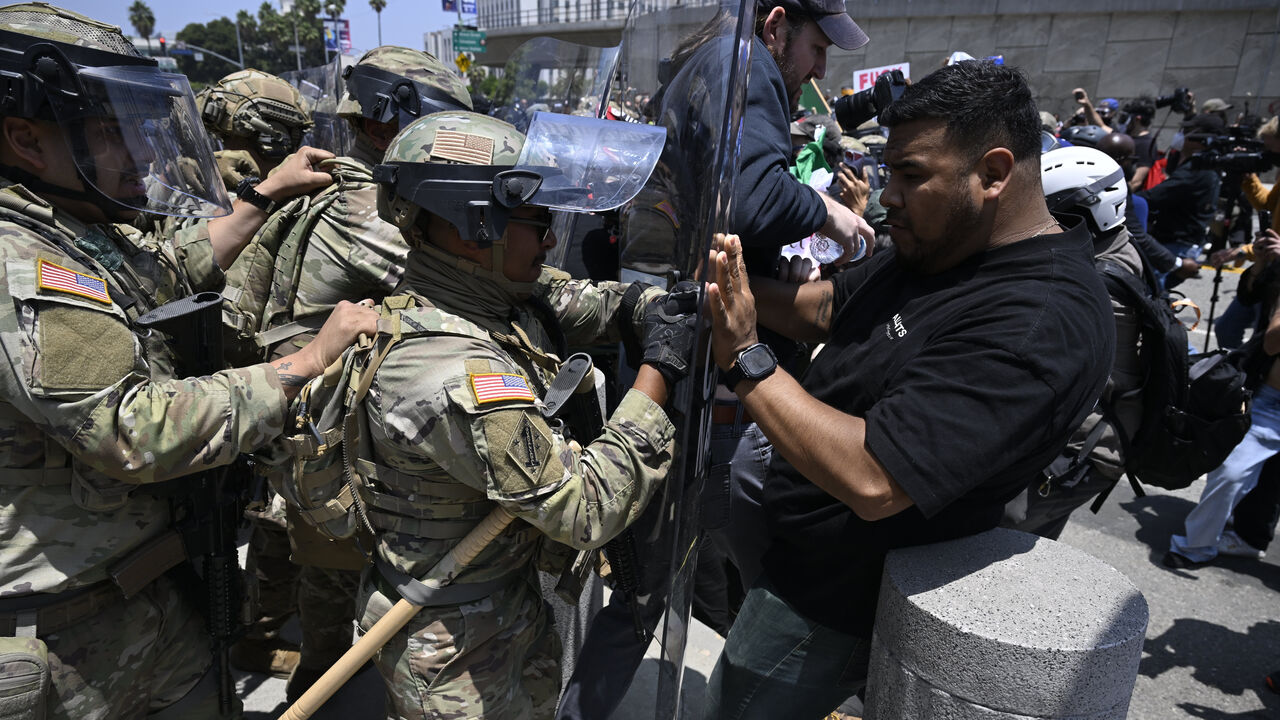
The article discusses how recent events and protests in Los Angeles could serve as a model for the tactics and responses used by the Trump administration, highlighting a cycle of protest, violence, and repression that often benefits right-wing interests.
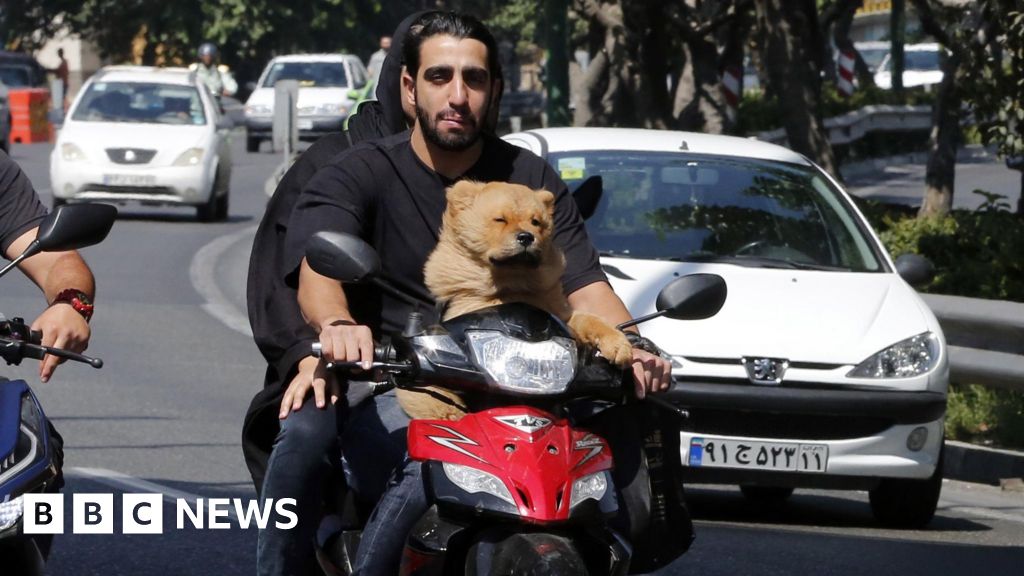
Iran has expanded its ban on dog walking to at least 19 cities, citing public health and safety concerns, amidst ongoing cultural and religious opposition to pet ownership, which is seen as a form of rebellion against the regime. Enforcement is inconsistent, and critics argue police should focus on safety rather than targeting personal freedoms.
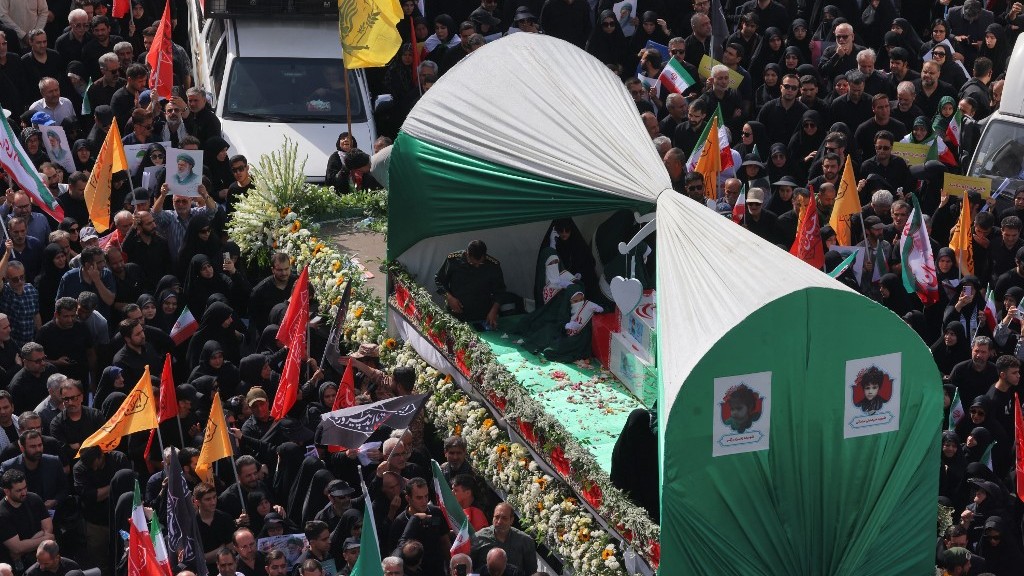
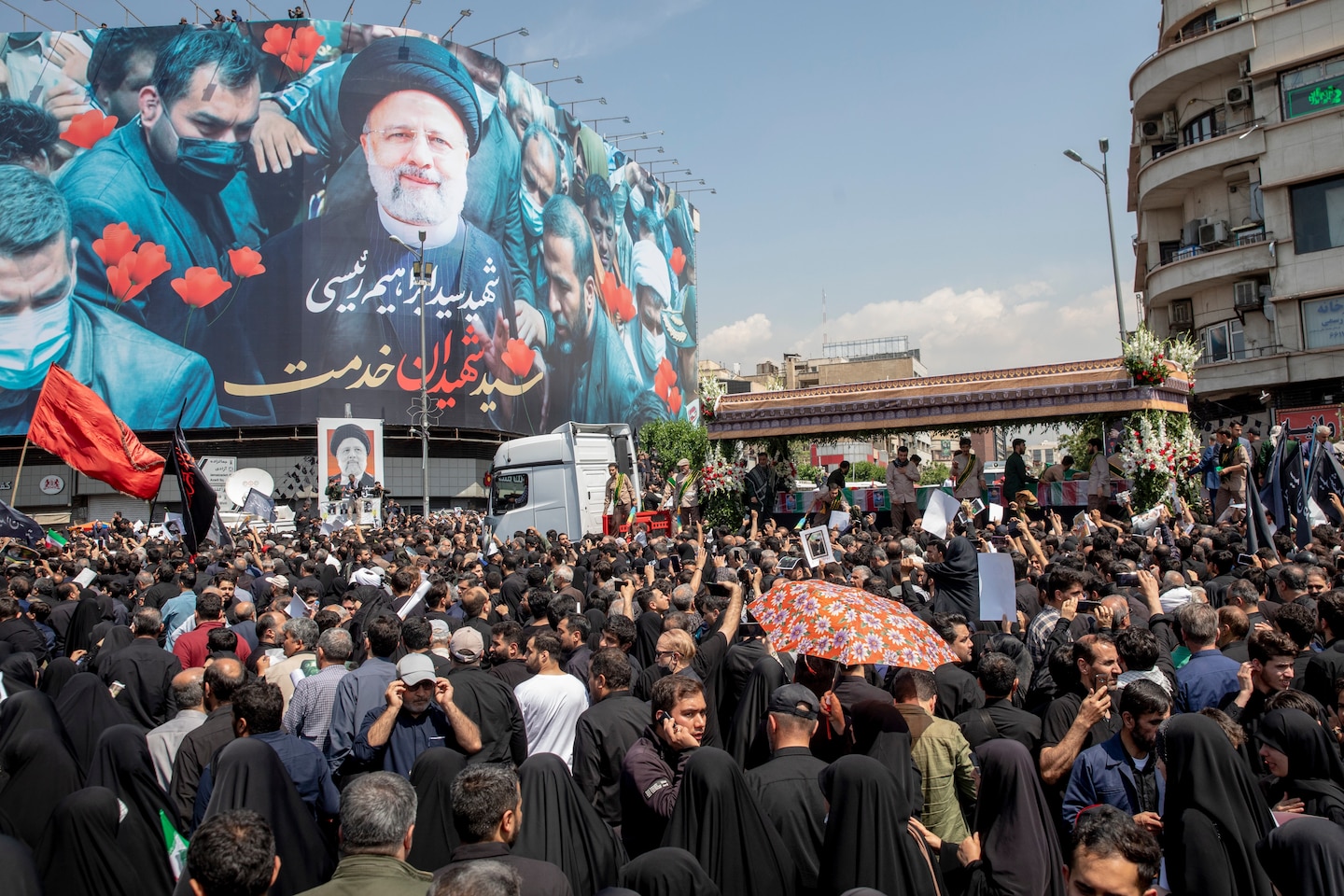
Thousands mourned the sudden death of Iranian President Ebrahim Raisi in Tehran, while some Iranians quietly celebrated his demise, viewing him as a symbol of the harsh and repressive elements of the country's Islamic leadership. Raisi's career was marked by instability and brutal crackdowns on dissent.
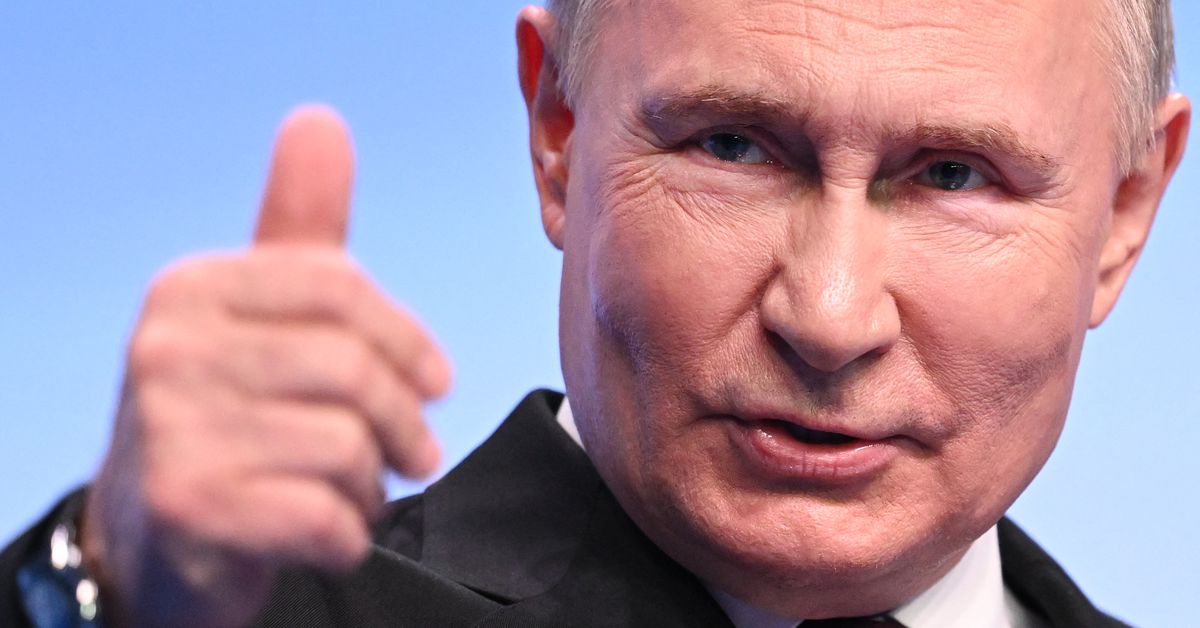
Russian President Vladimir Putin has won his fifth term in office with over 87 percent of the vote, solidifying his position as one of Russia's longest-ruling autocrats. His reelection comes amidst heavy repression in Russian society, with significant rivals barred from running, imprisoned, or deceased. Putin's decades in power have been marked by immense wealth, cronyism, fraud, repression, and information warfare, as he has systematically eliminated political opposition and cemented his hold on power through election fraud, murder, poisonings, and draconian jail sentences. His victory extends his rule until at least 2030, making him the longest-serving Russian leader since Soviet dictator Josef Stalin.
With no viable opposition to Putin, Russia's political landscape has been cleared, leaving the country in a state of aggression and fear. The Kremlin has silenced dissent, altered history textbooks, and cracked down on human rights advocates, resulting in widespread political repression. Despite simmering anti-war sentiment and calls for ballot spoiling, Putin's grip on power remains strong, with little hope for change in the upcoming election.
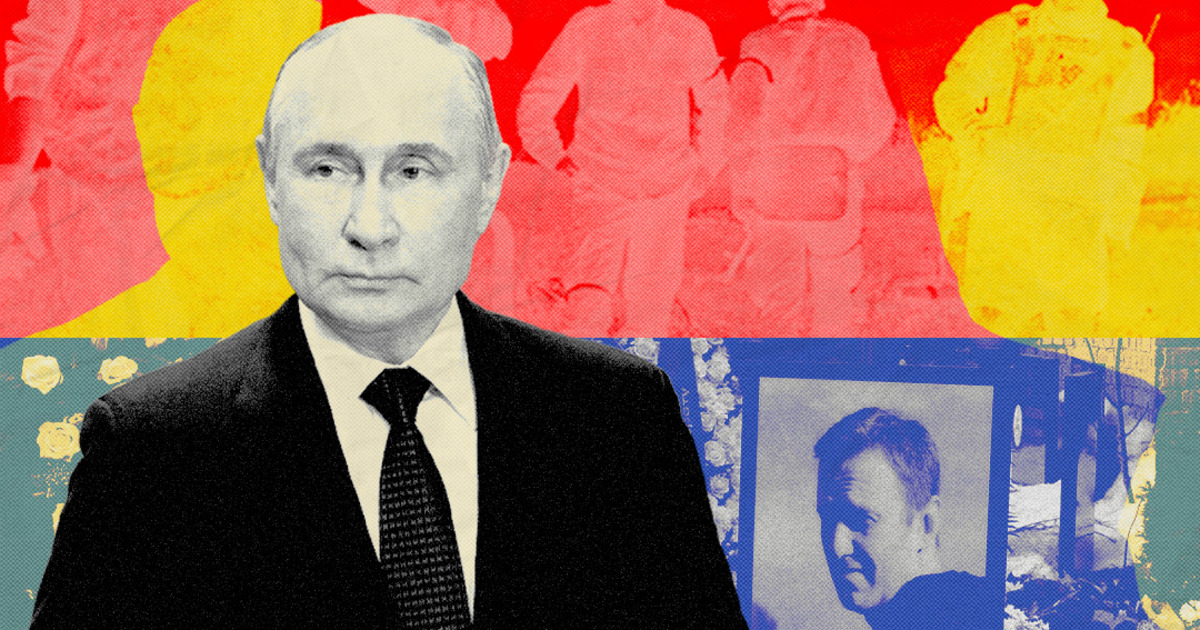
A Russian university student was sentenced to 10 days in jail for naming his Wi-Fi router with a pro-Ukrainian slogan, "Glory to Ukraine," as dissent in Russia has been effectively outlawed since Putin's invasion of Ukraine. More than 260 people are currently serving jail terms for anti-war stances, and a climate of repression has intensified following the death of Kremlin critic Alexey Navalny. Amid a heavy police presence, mourners defied threats of arrest and gathered for Navalny's funeral, while an upcoming election is expected to see Putin extend his rule into the 2030s.