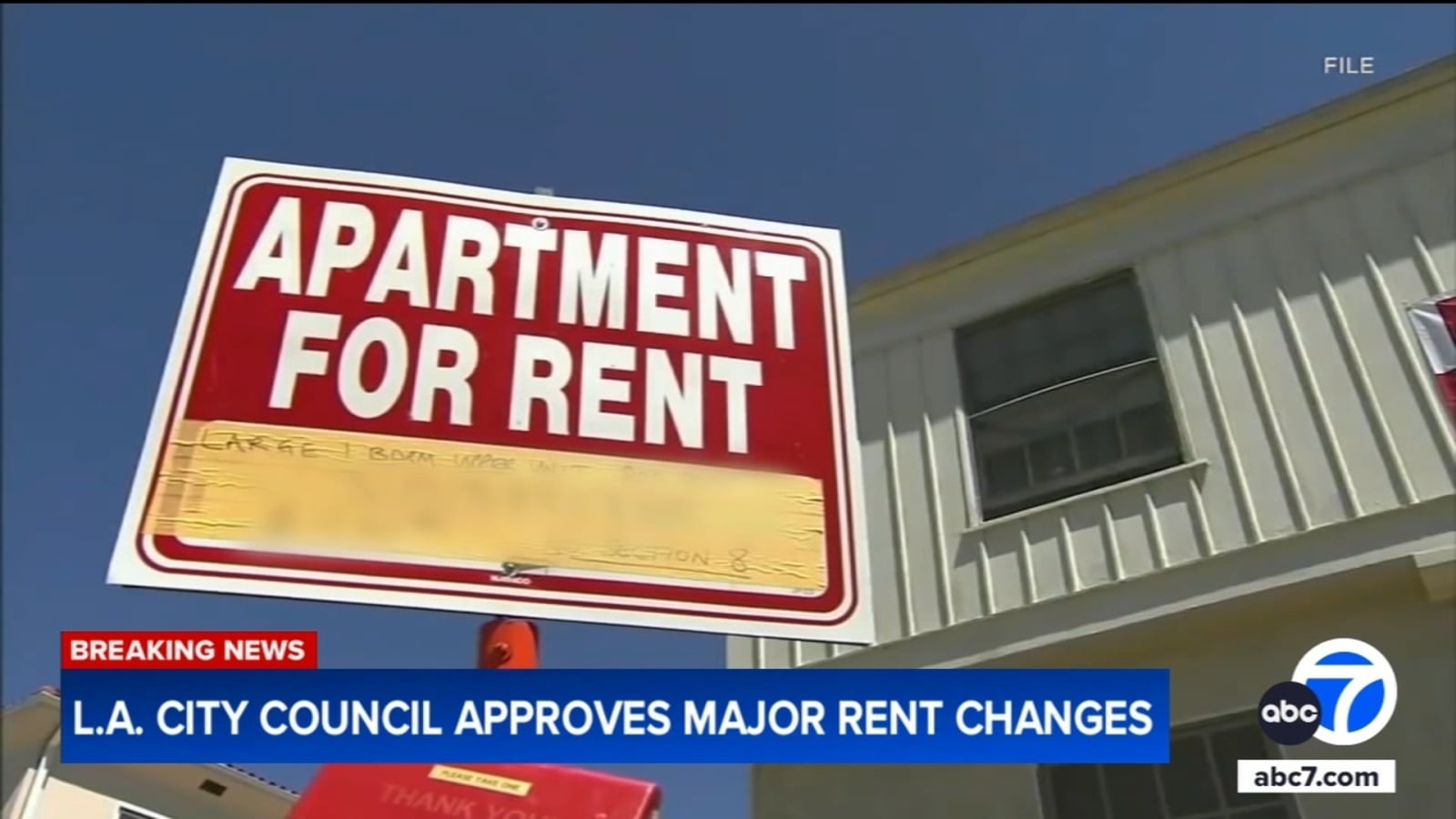
The Los Angeles City Council approved significant updates to the Rent Stabilization Ordinance, setting a new allowable rent increase range of 1% to 4%, removing additional utility charges, and aiming to balance tenant affordability with landlord interests, amid ongoing housing affordability concerns.
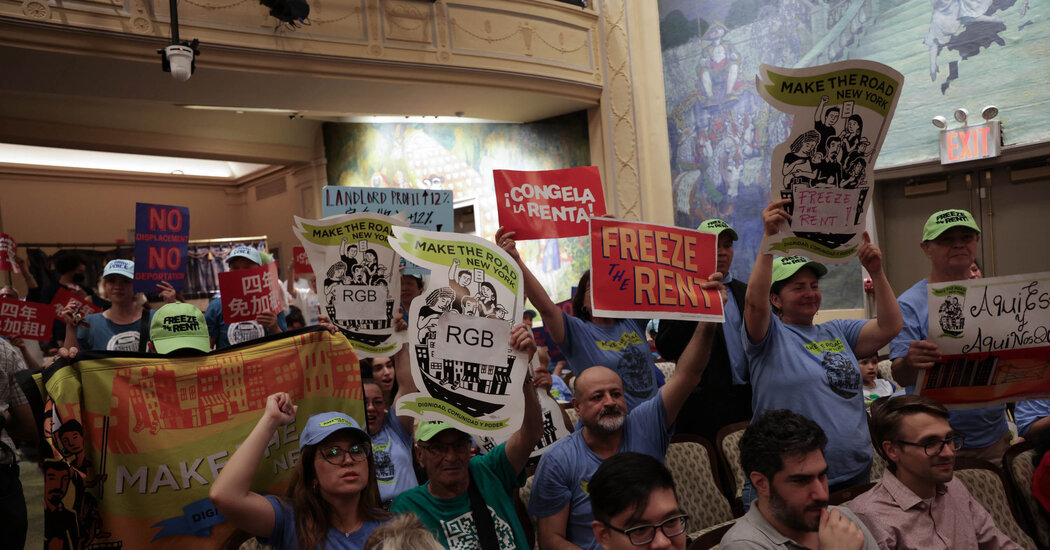
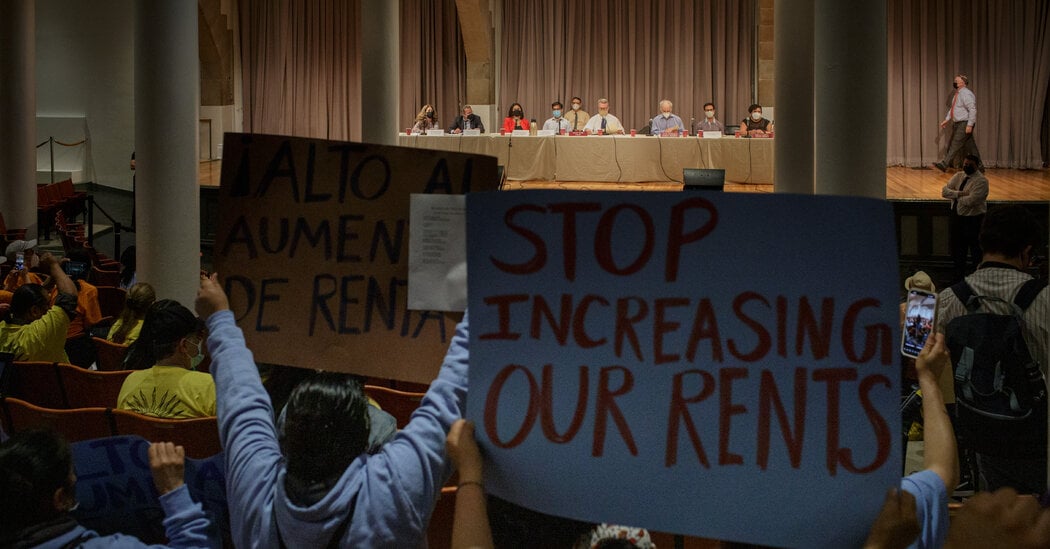
The NYC Rent Guidelines Board approved a 3% rent increase for stabilized apartments, rejecting calls for a rent freeze, amidst political tensions between Mayor Adams, who supports increases, and challenger Mamdani, who advocates for rent freezes to address affordability issues. The decision highlights the ongoing debate over housing affordability and political influence in rent regulation.
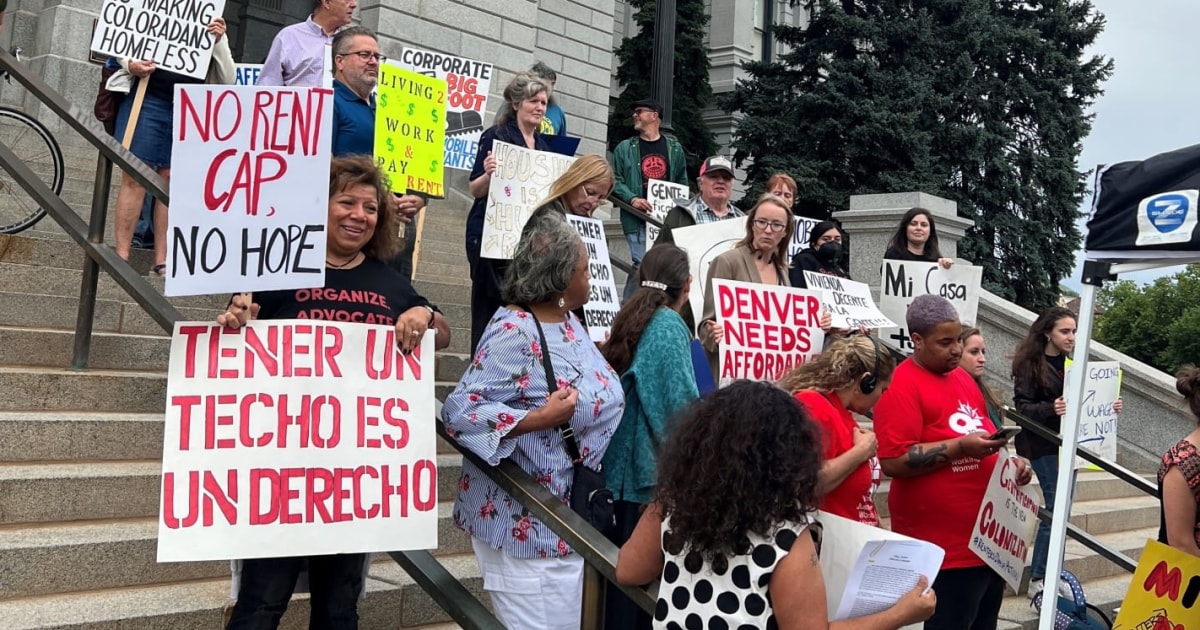
A report by Human Impact Partners highlights how corporate landlords' practices, such as raising rents and neglecting maintenance, are adversely affecting tenants' health, leading to issues like anxiety, depression, and shorter life expectancies. The study underscores the disproportionate impact on communities of color and low-income renters, and calls for regulatory measures to curb the influence of institutional investors in the housing market.
Army senior leaders discussed concerns raised by soldiers and their families, including rent increases that match Basic Allowance for Housing (BAH) increases, leaving service members struggling financially. The leaders acknowledged the issue and suggested potential solutions such as tax breaks for landlords who rent to service members. They also addressed the uneven implementation of a law allowing military spouses to transfer professional licenses across states. Other quality of life issues highlighted include health care, housing and barracks, PCS moves, child care, and spouse employment. The leaders emphasized the importance of communication and urged soldiers and families to voice their concerns.
Germany's ruling party is planning to introduce measures to curb rent increases, as part of their efforts to address the country's housing crisis. The proposed regulations aim to provide more stability and affordability in the rental market.
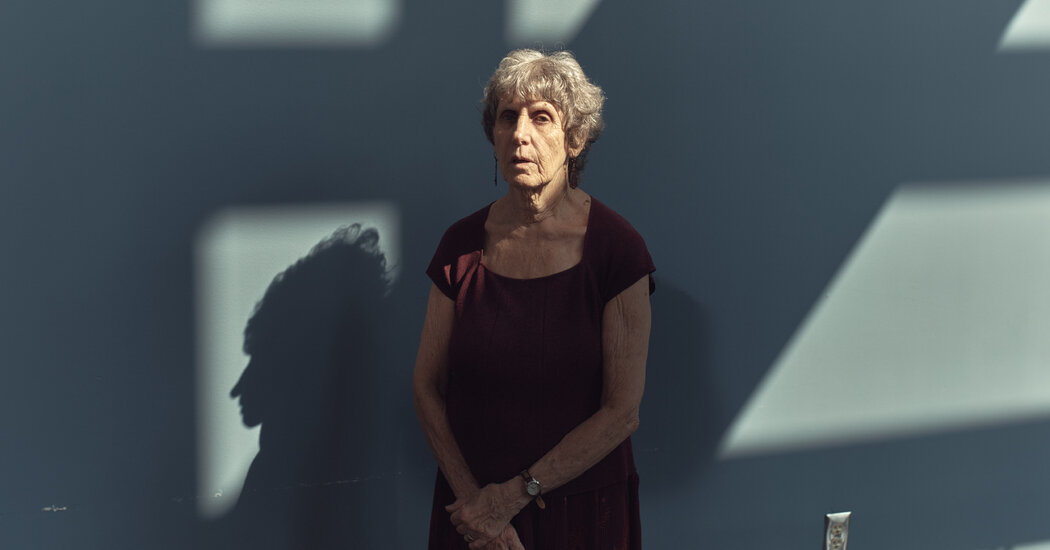
NYC Mayor Eric Adams compared an 84-year-old housing activist, Jeanie Dubnau, whose family fled Germany during the Holocaust, to a plantation owner after she questioned him about back-to-back rent increases during a community conversation event. Dubnau criticized the mayor for allowing the rent hikes, which she deemed a "disaster" for seniors. Adams defended himself, stating that he doesn't control the Rent Guidelines Board, and demanded respect from Dubnau. This incident adds to a pattern of Adams invoking racism when facing criticism, as he has previously compared himself to Kunta Kinte and claimed a coordinated effort to prevent his re-election.
The Rent Guidelines Board has approved rent increases for New York City's approximately one million rent-stabilized apartments. Landlords will be able to increase rent by 3% on one-year leases and 2.75% for the first year on two-year leases, and 3.2% for the second year. The rent increases apply to new leases signed on or after Oct. 1, 2023. Tenants and advocates had decried the proposed rent hikes, calling for a rollback or freeze on rent instead. The Legal Aid Society criticized the Rent Guidelines Board's decision, while the Rent Stabilization Association said the board ignored their own data.
Chicago's rental market is stabilizing after experiencing red-hot hikes in 2021 and 2022, but the market is still seeing some of the fastest price increases in the US. Rental listings are being snapped up within days, with many receiving multiple offers and going for hundreds of dollars more than originally listed. Demand is outpacing the supply of new units, leading to bidding wars and rent prices going up. While rents are stabilizing, the market is experiencing its usual spring and summer tailwinds, with more people moving during these seasons.
Outside investors are buying multifamily properties in Albuquerque, leading to rent hikes, maintenance issues, and unexpected lease non-renewals for tenants. The city's aging housing stock is attracting investors who promise renovations and updates post-purchase. However, tenants are reporting rent increases of up to 80% and problems with maintenance after ownership changes hands. Albuquerque's economic growth and the cost of renovating outdated buildings have led to citywide rent spikes, giving a "heart attack" to residents as prices increase all at once. Despite calls for tenant protections, the Albuquerque City Council has rejected proposals, citing concerns about burdening landlords and discouraging developers from building new apartments.
The Rent Guidelines Board, a nine-member panel in New York City, is expected to vote in favor of rent increases for nearly one million rent-stabilized apartments, which make up about 44% of all NYC rentals and are home to roughly two million people. The median rent in rent-stabilized apartments is $1,400, making them a crucial source of lower-cost housing in one of the most expensive cities in the nation. The vote is a flashpoint in the long-running dispute between renters and landlords over the cost of living, with tenants calling for a freeze and landlords saying they need more rent revenue to make up for increasing costs. The final vote will come in June.