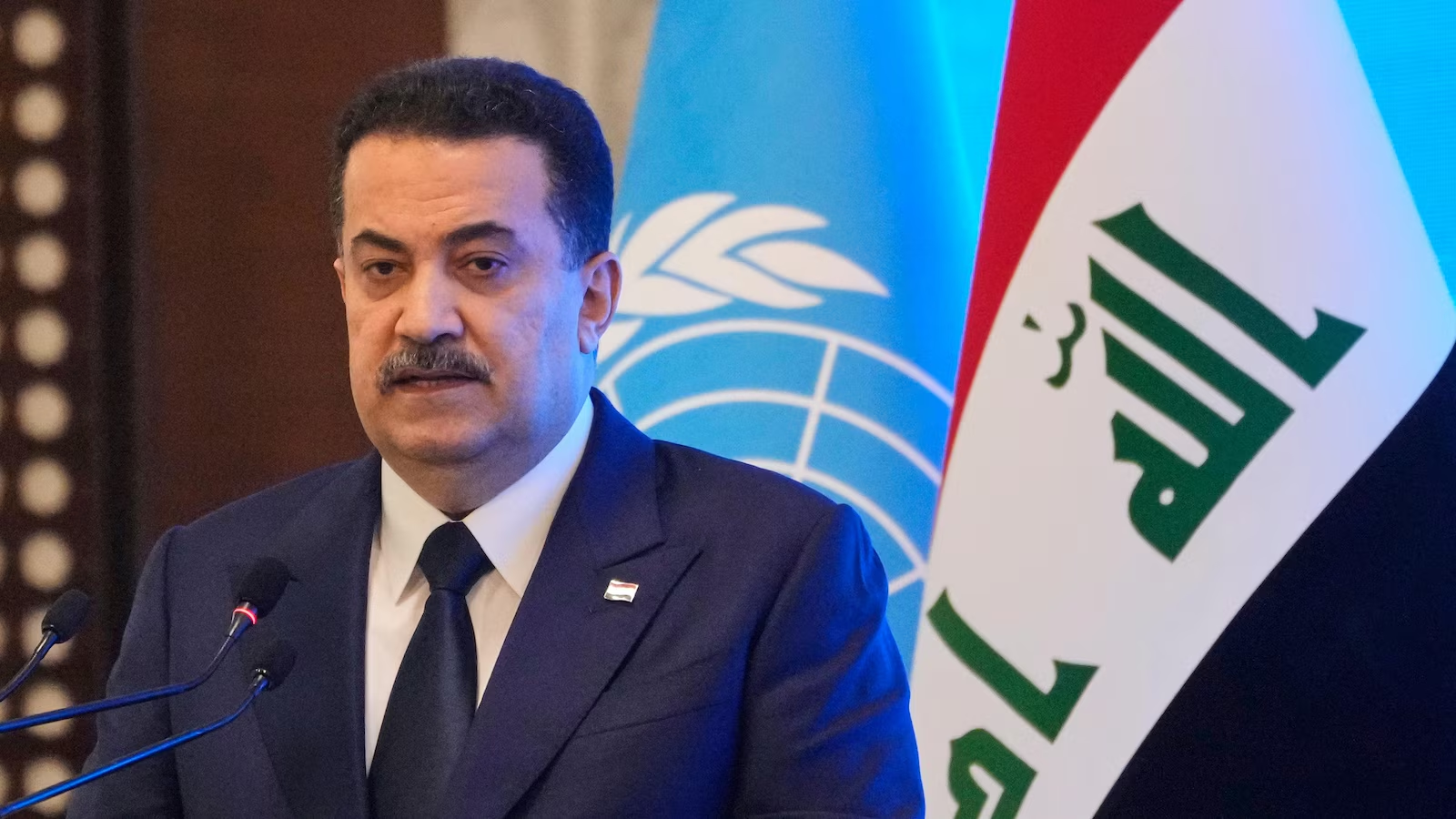
Iraq's political landscape remains uncertain as factions vie for power following a fragmented election, with key issues including forming a government, managing armed groups, regional influences, and economic challenges.
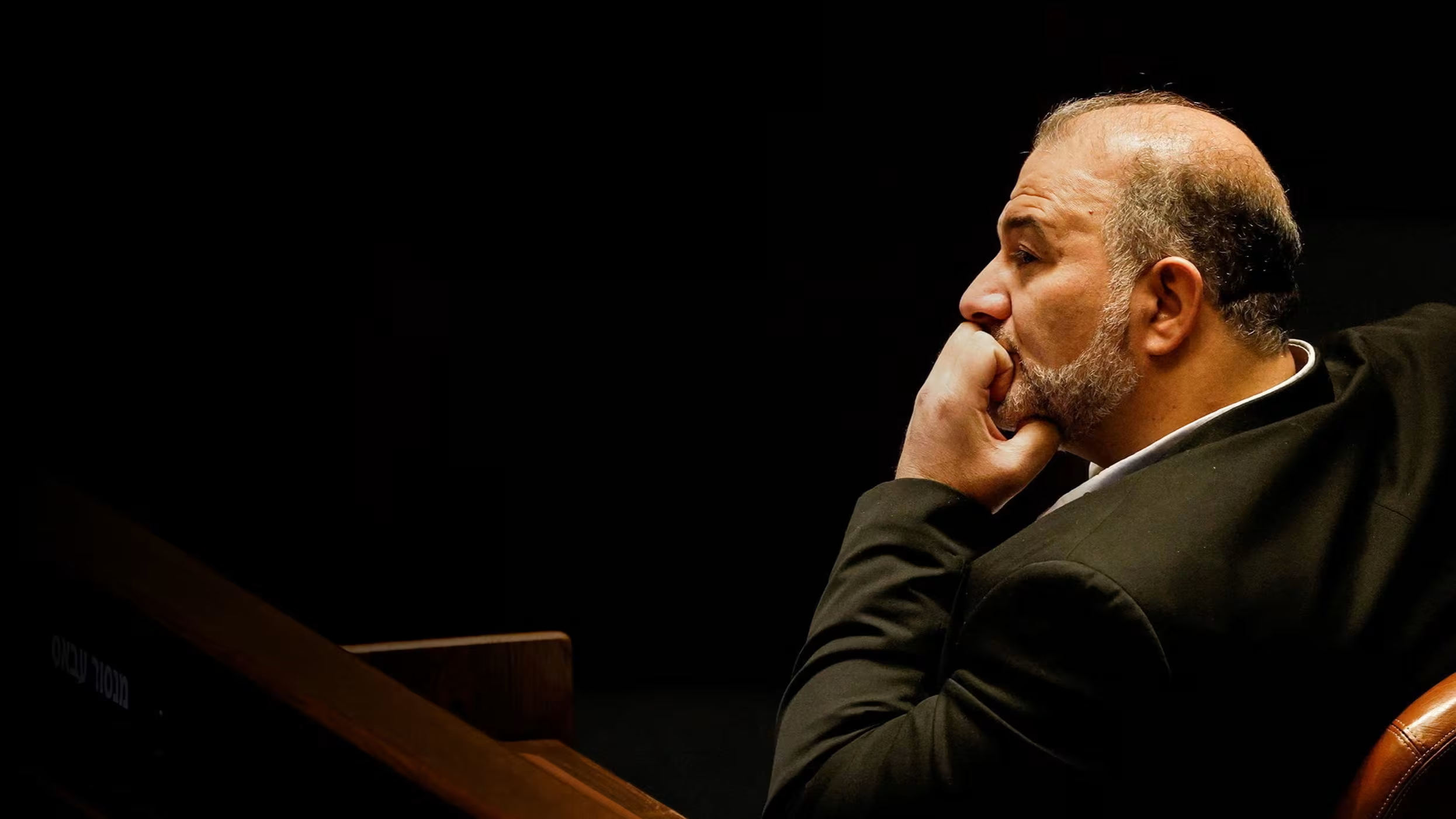
The article discusses an unlikely Arab figure who is emerging as a key influencer in shaping Israel's upcoming election, highlighting regional political dynamics and strategic alliances.
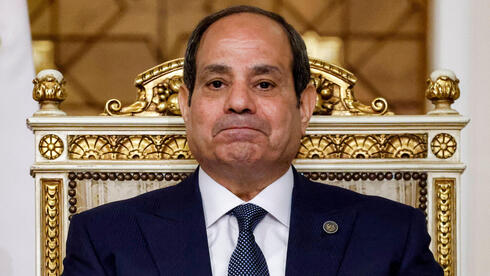
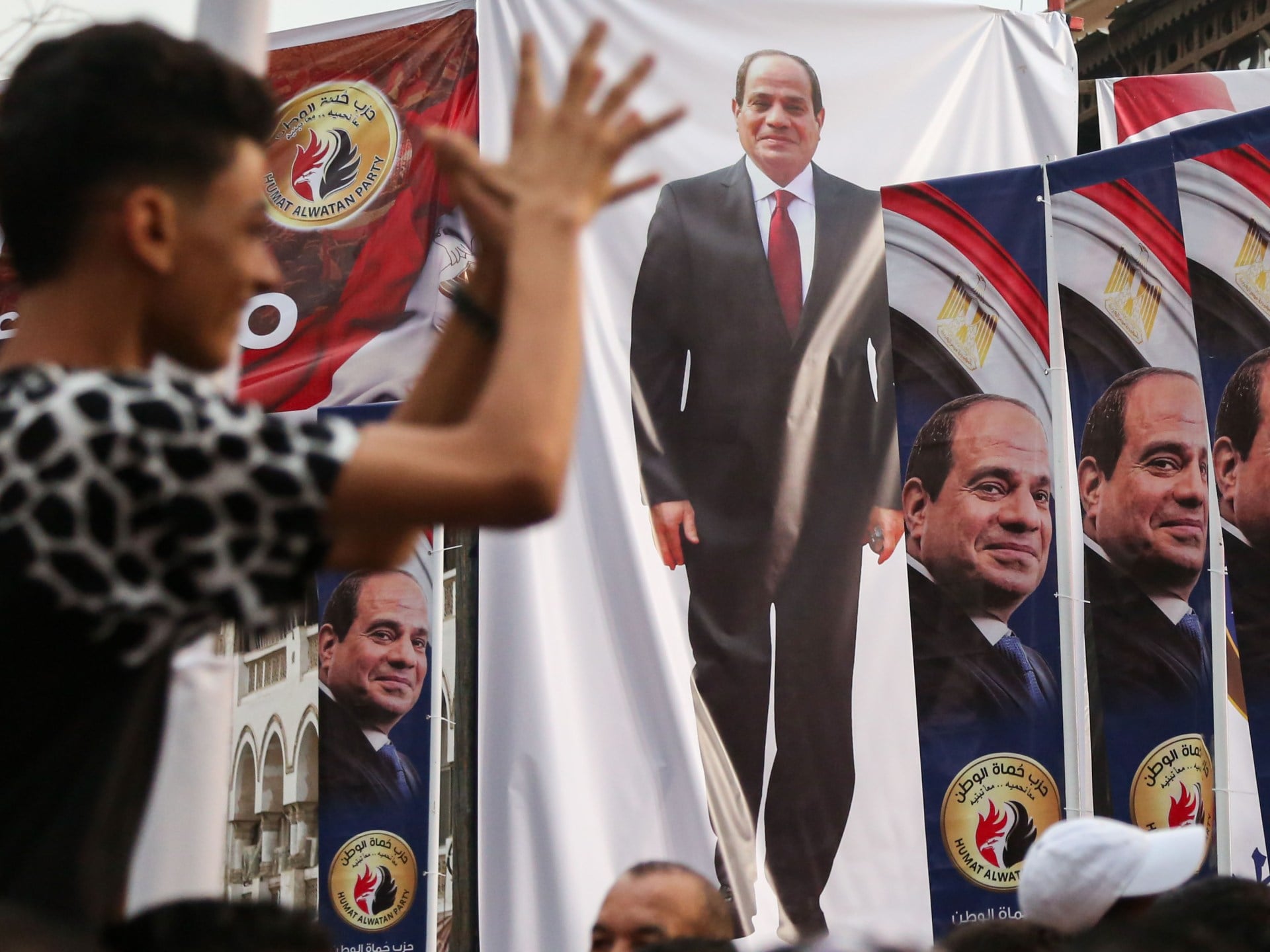
Egypt, under President Sisi, has seen its regional influence diminish due to strained relations with Hamas, reduced diplomatic engagement, and geopolitical shifts such as Gulf investments and attacks on the Suez Canal, leading to a decline in its standing as a regional heavyweight in the Arab world.
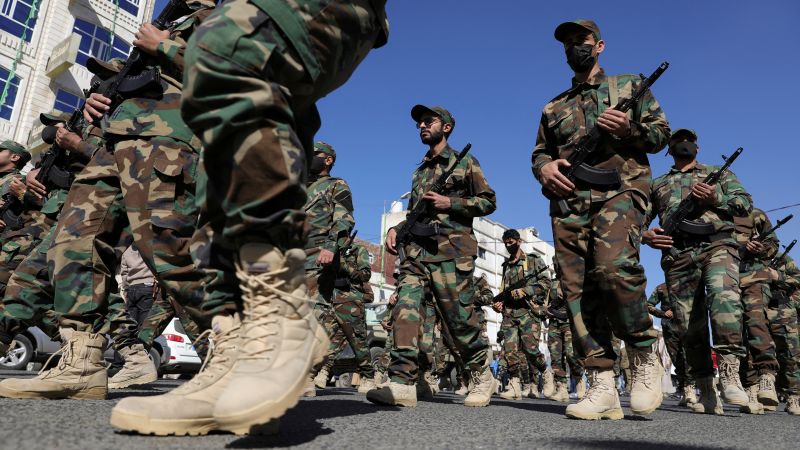
Iran is rearming its proxy groups across the Middle East, including Yemen, Iraq, and Lebanon, despite recent setbacks and Israeli attacks, as it seeks to strengthen its regional influence and negotiate from a position of strength amid stalled US talks.
Egypt's President Abdel Fattah el-Sisi is seeking a third term in office amidst a struggling economy and regional conflicts. The country's economy is in a tailspin, with high public debt, inflation, and rising poverty rates. Despite these challenges, el-Sisi is expected to win the upcoming election due to a lack of clear opposition and a disarrayed opposition. Egypt's regional influence has also declined in recent years, but some argue that it remains significant, particularly in combating armed groups and brokering regional negotiations. The country's economic challenges have led to support from various nations and global organizations. However, a third term for el-Sisi is unlikely to be easier given the economic crisis and regional instability.
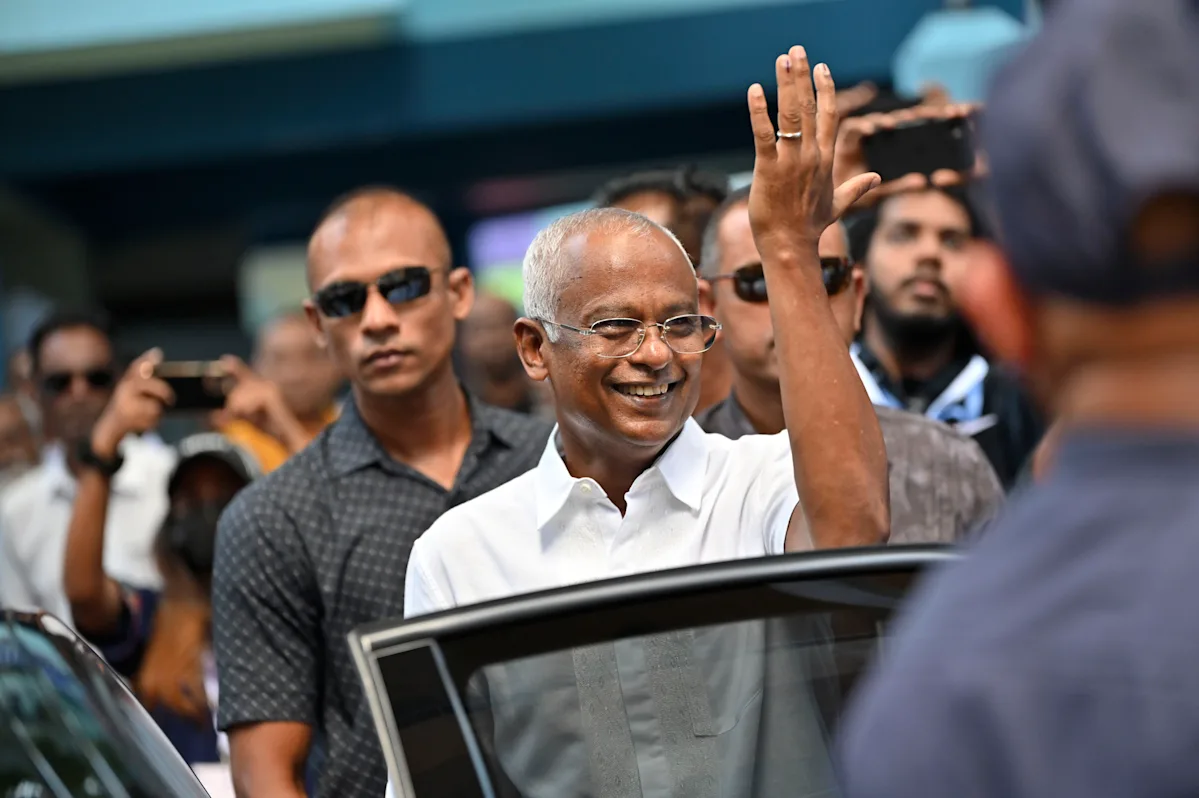
Maldivians are voting in a runoff presidential election that has become a referendum on whether India or China will have greater influence in the Indian Ocean archipelago nation. Incumbent President Ibrahim Mohamed Solih, accused by opposition candidate Mohamed Muiz of allowing India an unchecked presence in the country, is facing a tough challenge. Muiz, who secured a surprise lead in the first round, promises to remove Indian troops and balance trade relations. The result is expected on Sunday.
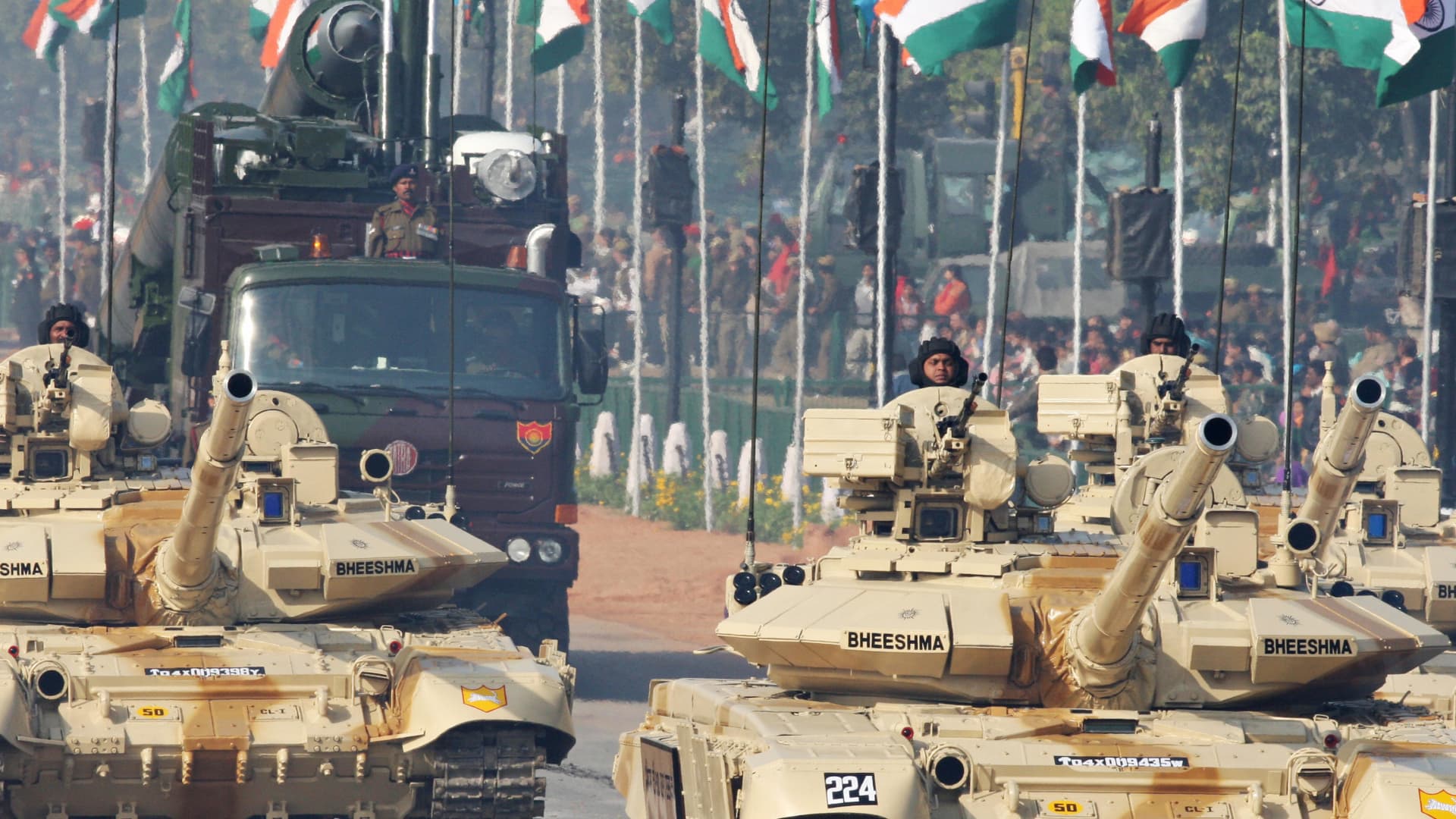
India is increasing its efforts to expand its influence in Southeast Asia as countries in the region seek to counter China's dominance. The growing rivalry between India and China, coupled with China's assertiveness in the South China Sea and its Belt and Road Initiative, has prompted India to strengthen its presence in Southeast Asia. India has been stepping up its outreach to regional countries, deepening defense ties, and bolstering strategic partnerships to help countries in the region balance or counter Chinese power. While China remains the most influential economic power in Southeast Asia, its standing has diminished, and India is seen as an additional partner to help counter Beijing.