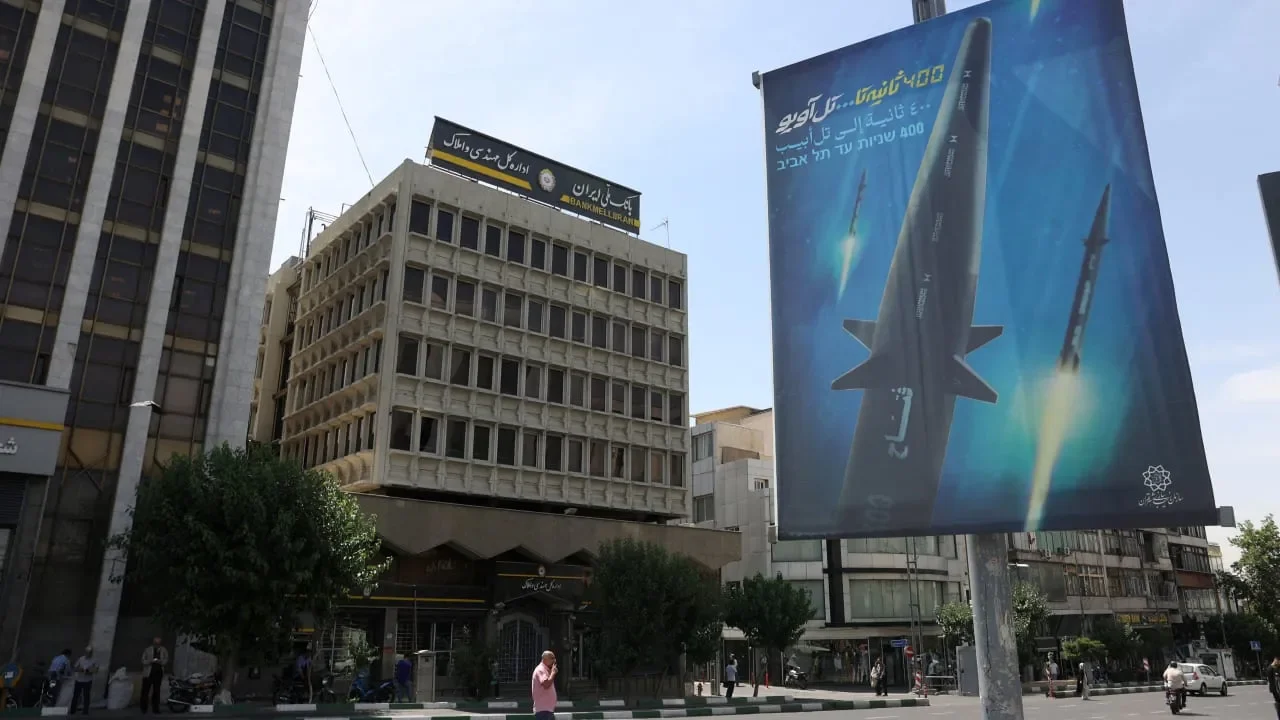
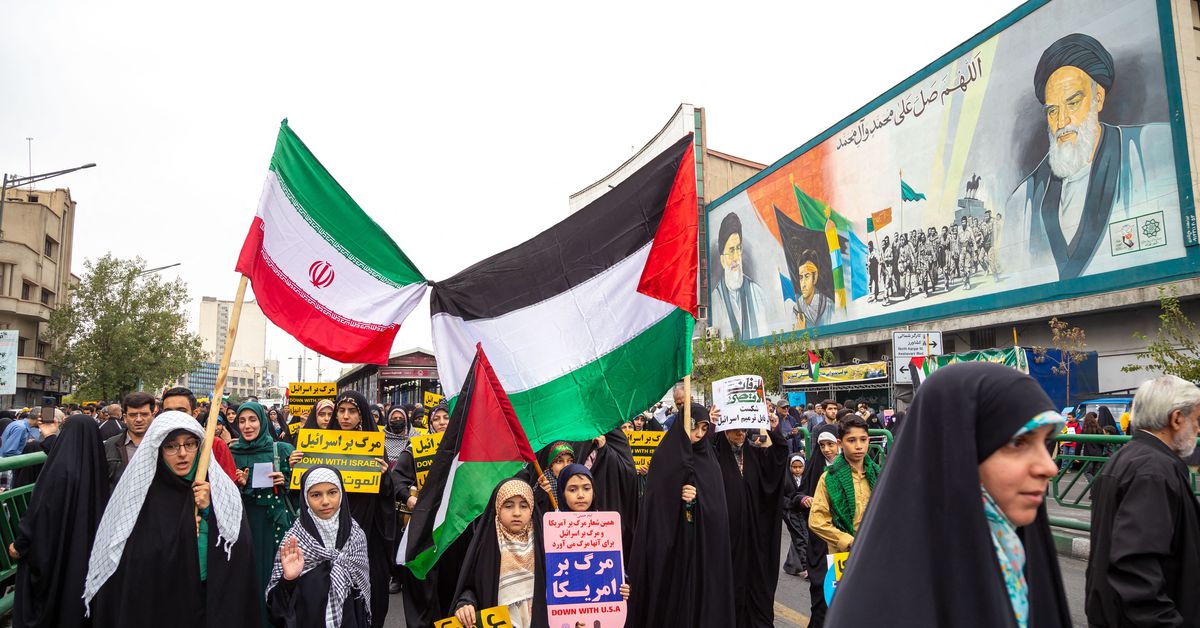
Iran has agreed to discuss its ballistic missile program and its use of proxy groups in talks with the United States, but negotiators say the discussions will still center on Iran's nuclear program. After tensions nearly derailed negotiations, the talks were shifted toward Muscat with Arab mediators urging broader topics, while the American position that those broader issues must be included remains unchanged.
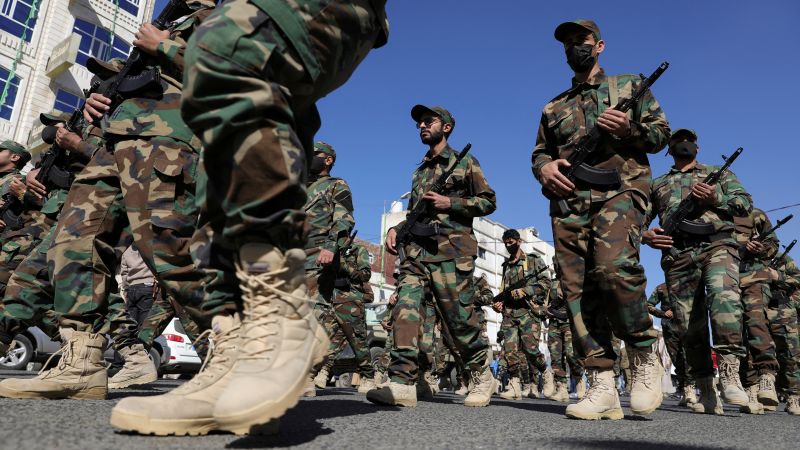
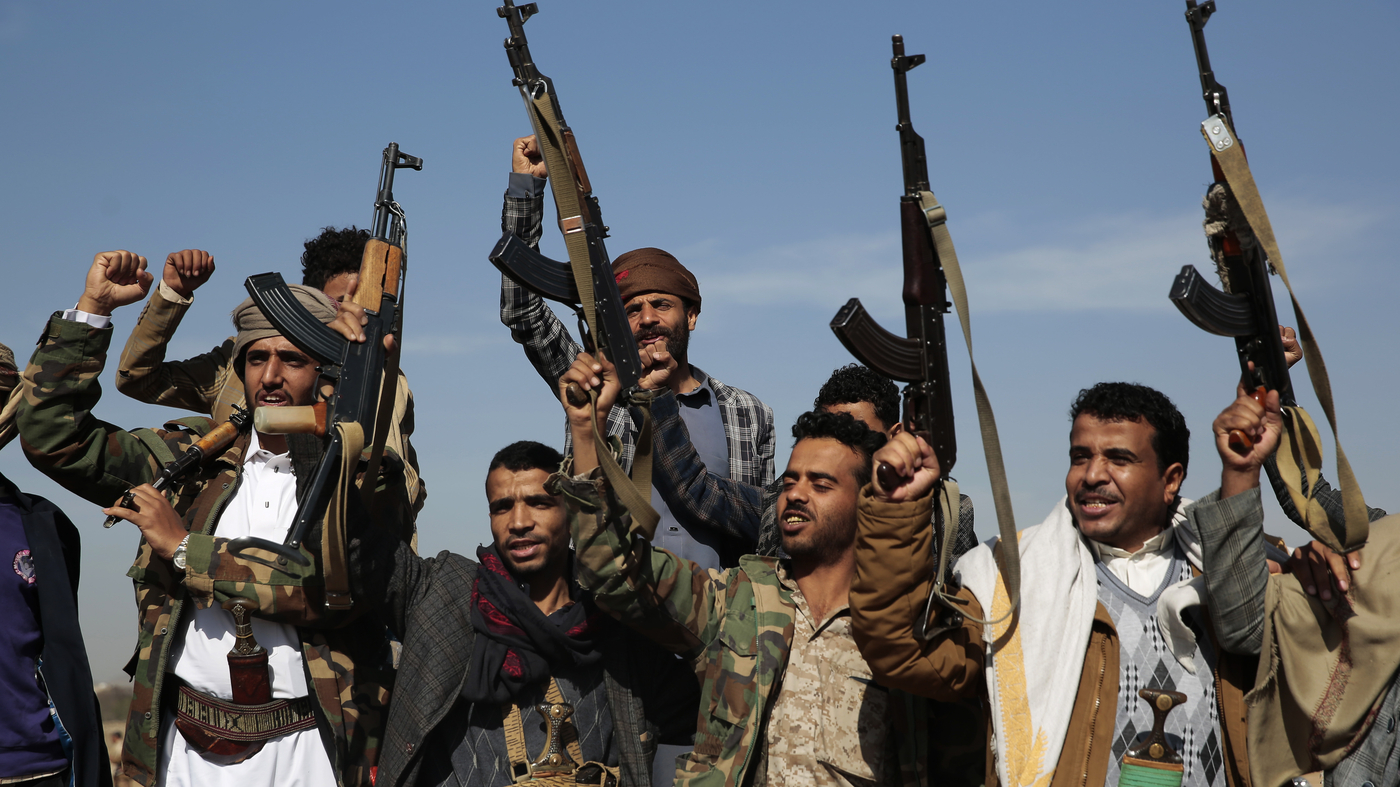
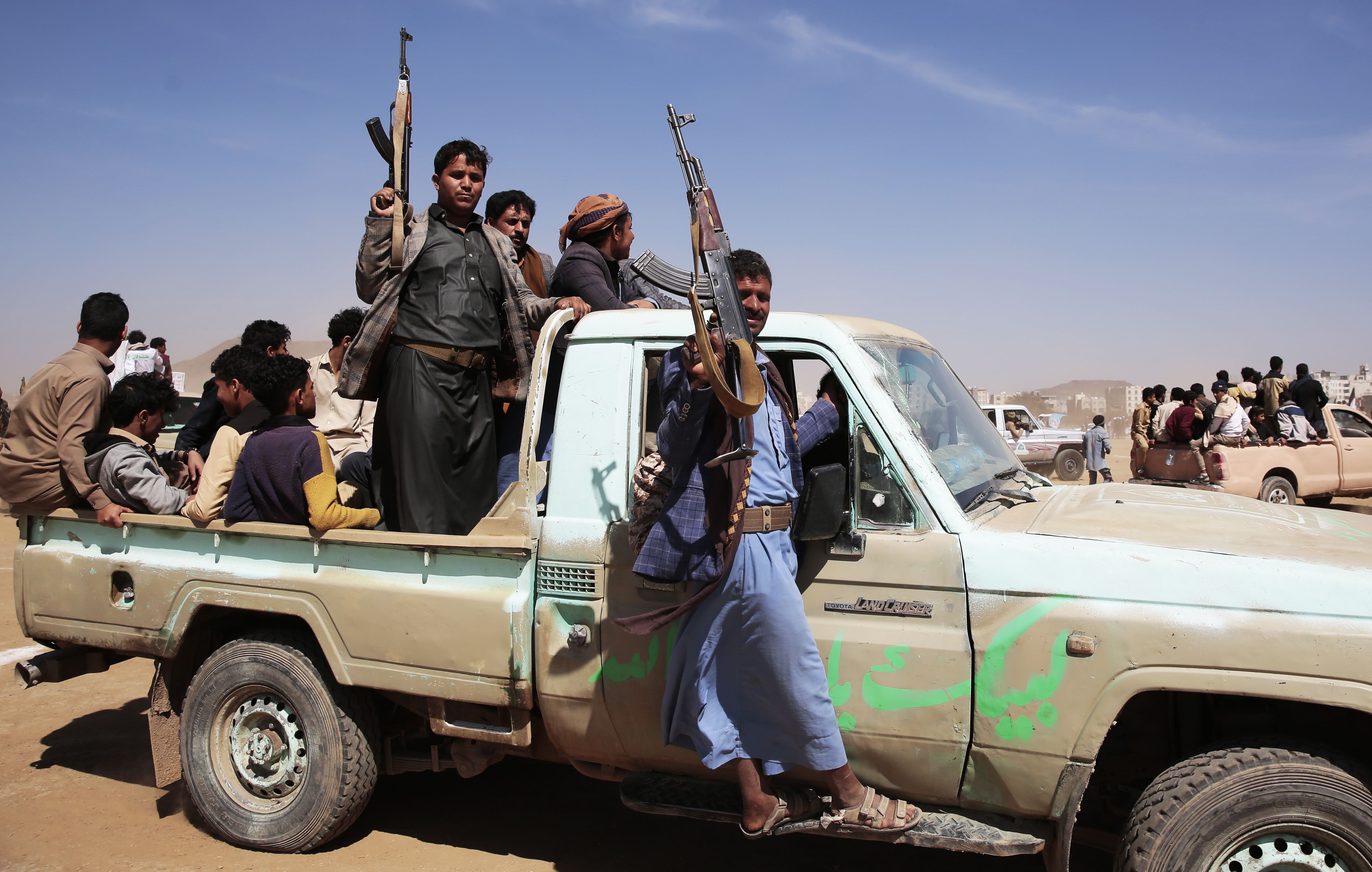
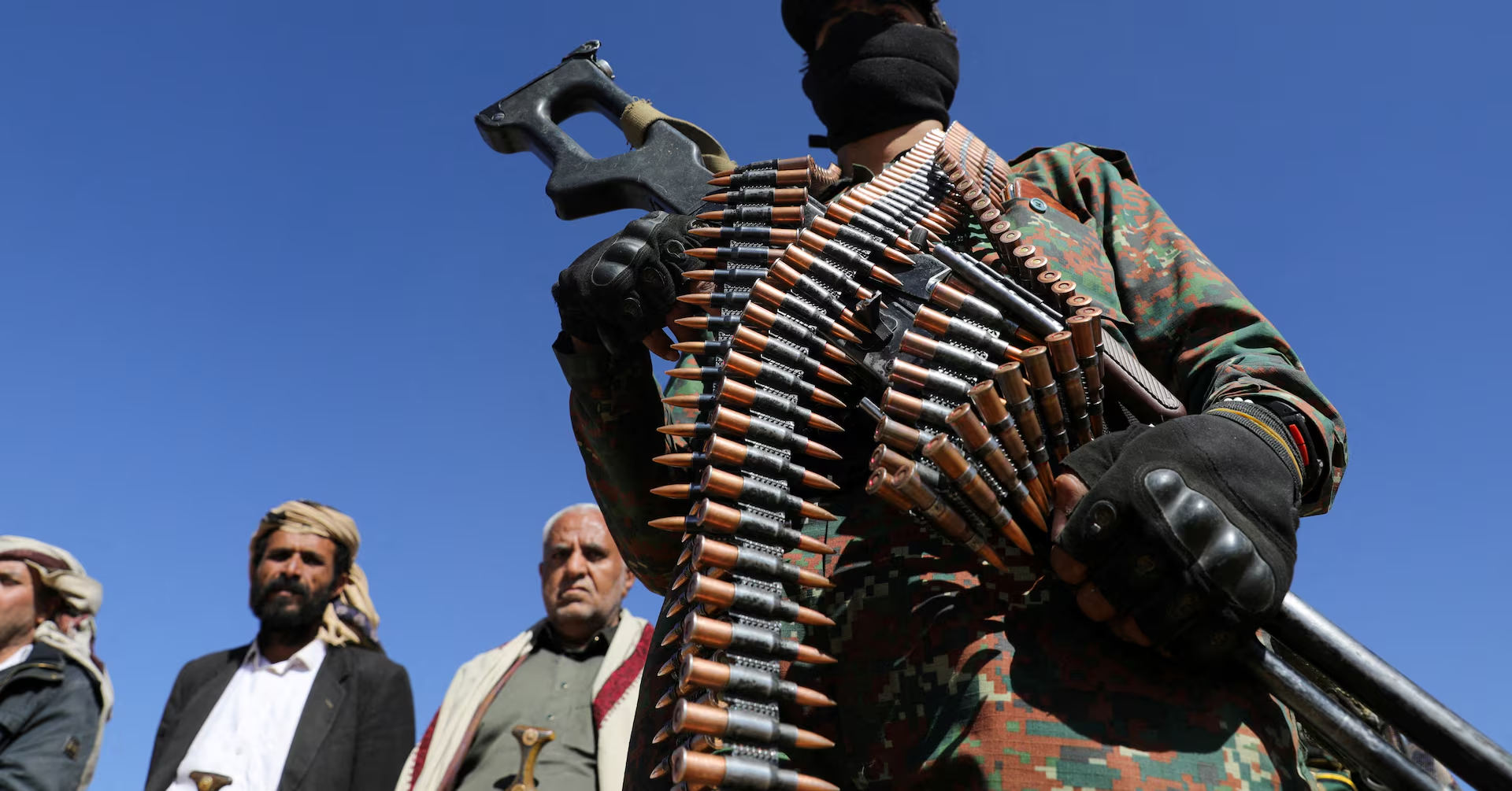
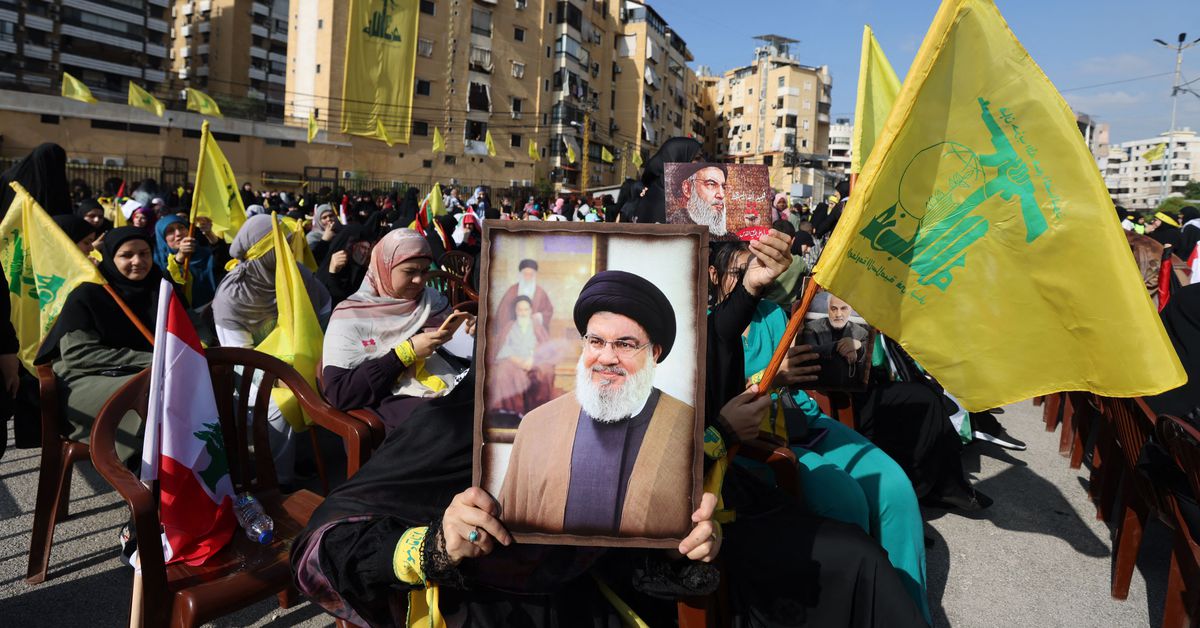
Iran is rearming its proxy groups across the Middle East, including Yemen, Iraq, and Lebanon, despite recent setbacks and Israeli attacks, as it seeks to strengthen its regional influence and negotiate from a position of strength amid stalled US talks.
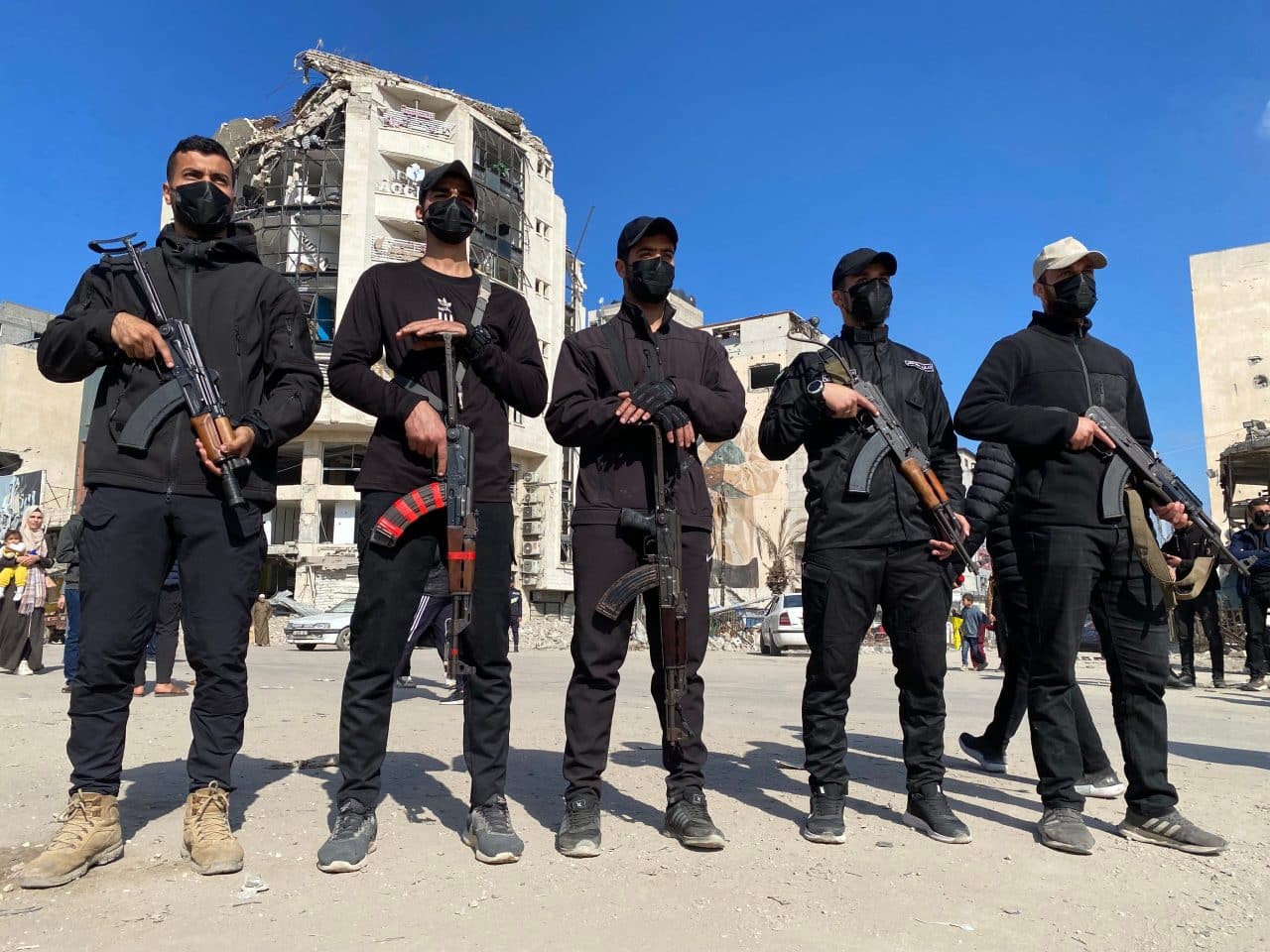
The Israeli government has confirmed arming gangs in Gaza, including a group led by Yasser Abu Shabab, to counter Hamas, while Israel's broader strategy involves destabilizing Gaza through targeted assassinations and fostering lawlessness, which Hamas is actively fighting through its Arrow Unit to restore order and combat collaboration with Israeli forces.
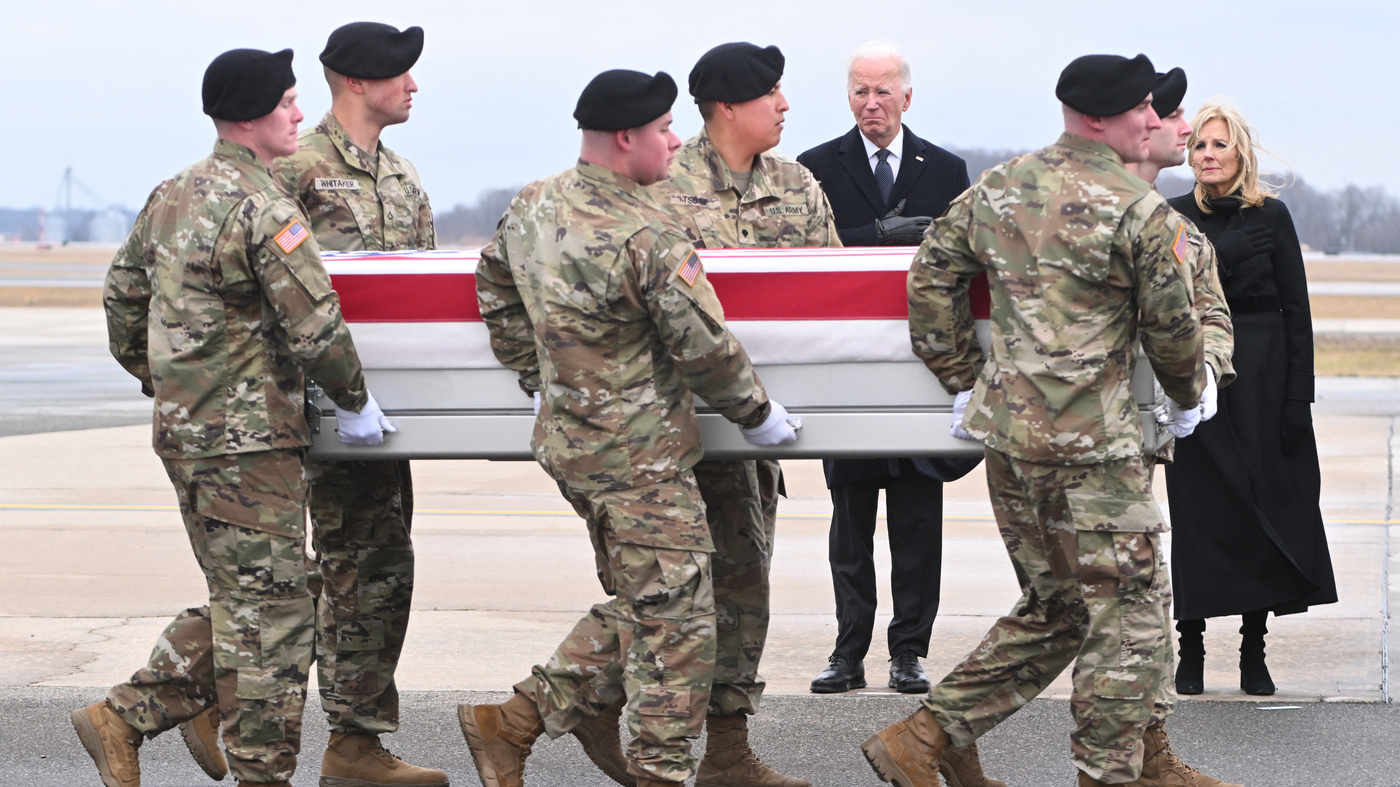
Iranian officials have urged their proxy groups in the Middle East to reduce attacks on the US military to avoid direct conflict, following US retaliations for attacks that killed American soldiers. Iran supports various proxy groups in the region, including Hamas, Hezbollah, and Houthi rebels, and fears a direct confrontation with the US. Meanwhile, Israel is preparing for a major operation against Hamas in Rafah, with a quarter of Hamas forces estimated to be in the area.
The U.S. has launched airstrikes in Iraq, Syria, and Yemen to pressure Iran to rein in its proxy groups, but a former CIA official believes that Iran has sufficient control over its proxies to modulate their behavior. He points to evidence of Iran's support for these groups through weapons, funding, and political relationships, and suggests that U.S. strikes may degrade proxy capacity but are unlikely to shift their behavior. The relationship between Iran and various proxy groups, including Hezbollah, the Houthis, and Hamas, is complex and not solely based on ideological alignment.
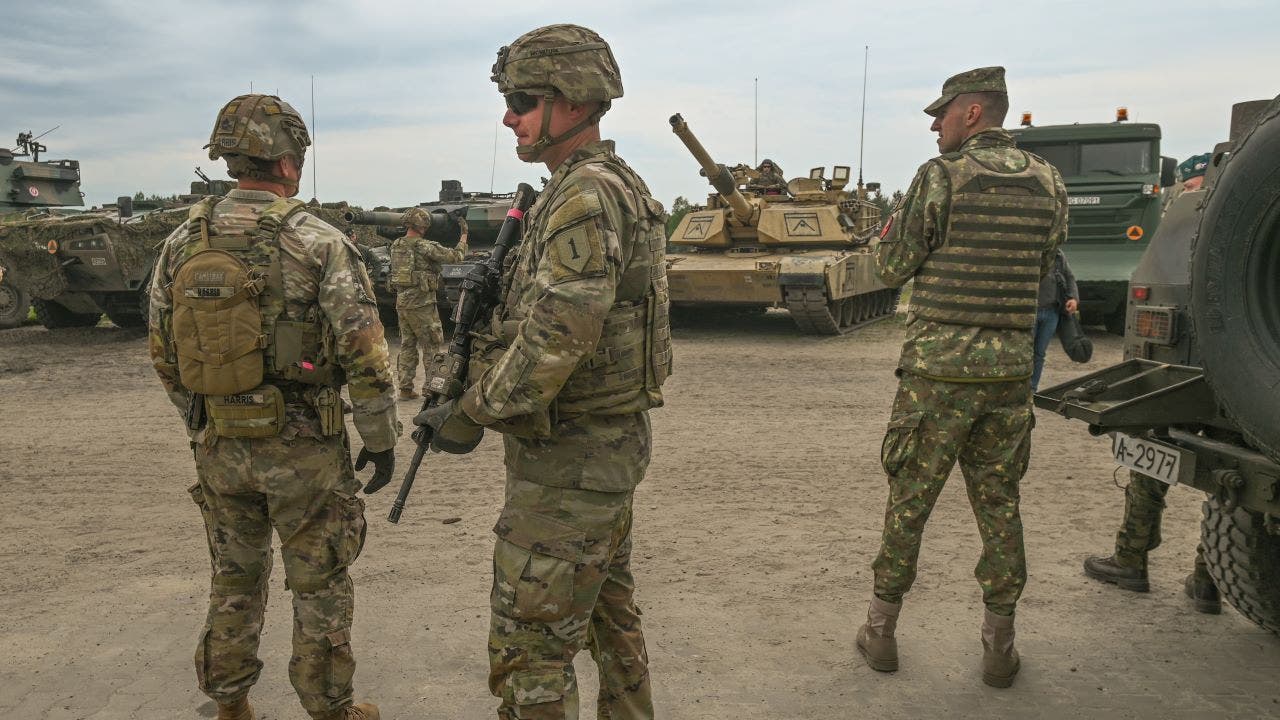
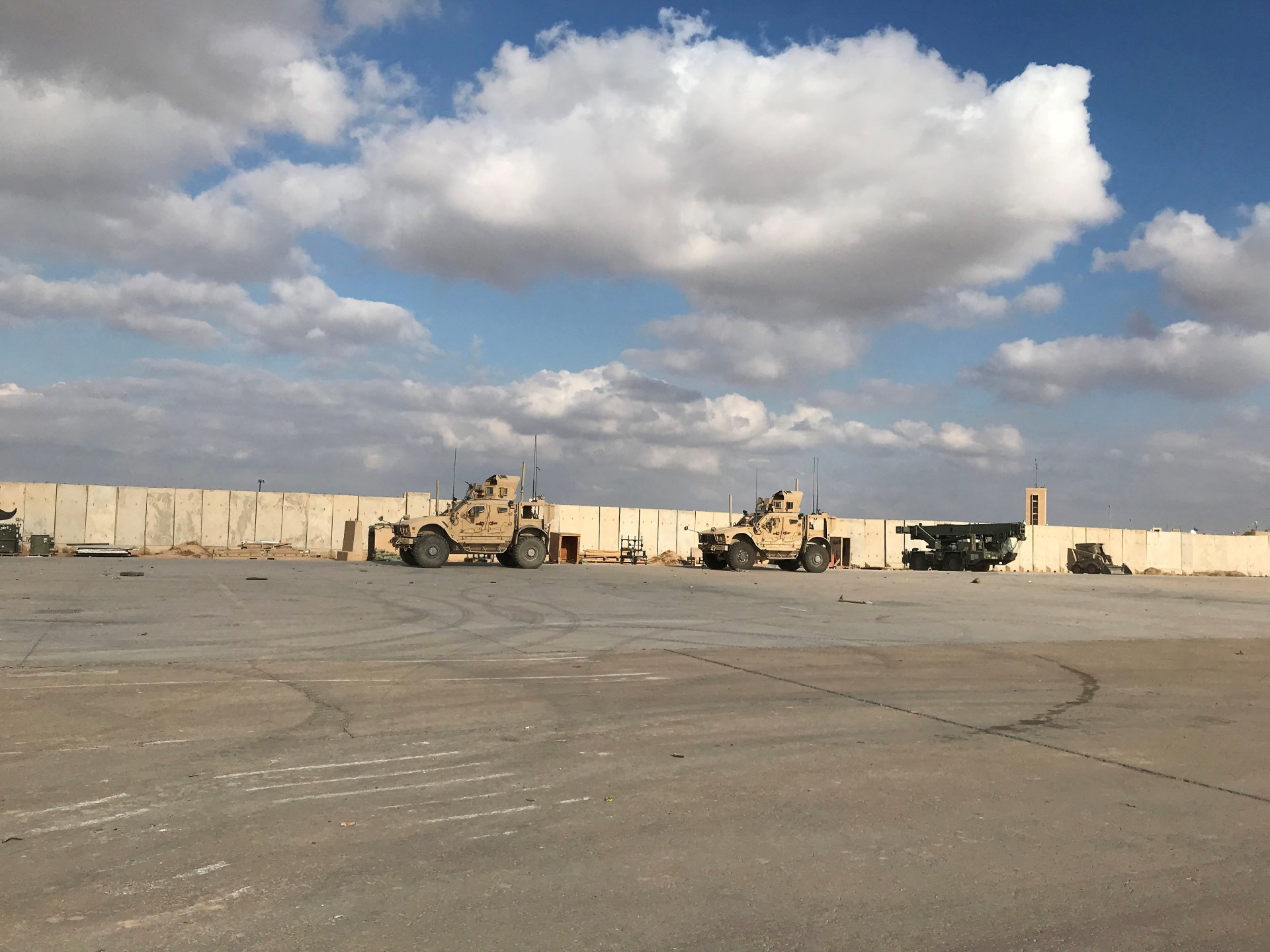
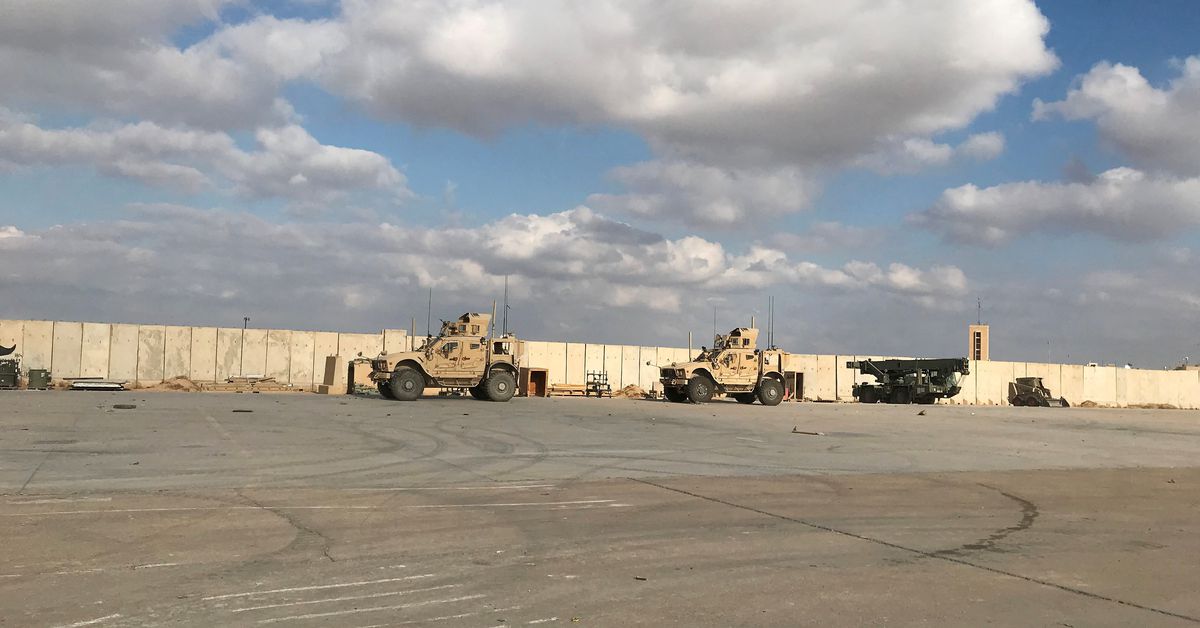
The US military conducted air and missile strikes against Iranian proxies in Iraq and Syria in retaliation for a drone attack that killed three American soldiers in Jordan. The strikes targeted over 85 facilities and were more extensive than previous actions, signaling a potential shift in strategy. The US is considering a tiered approach and faces pressure to respond aggressively, while also navigating political challenges in Iraq. The evolving mission for US troops in the region and ongoing tensions with Iran and its proxy groups continue to shape the situation.
US intelligence officials estimate that Tehran does not have full control over its proxy groups in the Middle East, including those responsible for recent attacks on US troops. This complicates the US response to the attacks and raises the risk of direct confrontation with Iran. The US is considering striking Iranian targets in Iraq and Syria but lacks direct communication with Tehran. The administration holds Iran at least partially responsible for the attacks and is seeking to broker a deal between Israel and Hamas to potentially pause the region's hostilities.
Iran conducted missile strikes on Iraq, Syria, and Pakistan in response to attacks on its soil or against Iranian targets. Under the direction of Qassem Soleimani, Iran has cultivated a network of proxy forces in Arab countries, denying close direction but broadly supporting their anti-Israel and anti-U.S. actions. The "axis of resistance" shares the goal of halting Israel's bombardment of Gaza and driving U.S. troops out of the region, but also have their own local interests. Iran's domestic security is challenged by nationwide protests and attacks by militant groups, prompting concerns about the government's ability to guarantee security. While Iran aims to avoid direct military confrontation with the U.S. or Israel, the situation could escalate due to miscalculated attacks by either side.
The ongoing conflict between Israel and Hamas in Gaza has the potential to spread to other regions, particularly Lebanon, where Hezbollah, a Shia militant group supported by Iran, is closely affiliated. While Hezbollah has engaged in cross-border firefights with Israel in the past, it has not yet opened up another front in the current conflict. Iran-backed militias in Iraq and Syria have also been attacking US forces, and the Houthis in Yemen have launched missiles and drones towards Israel. Iran's relationship with these proxy groups varies, but they provide Iran with options to send messages to its adversaries while maintaining plausible deniability. The risk of escalation exists, particularly if there are miscalculations or errors by Iran or its proxies. Hezbollah, in particular, has grown in capabilities and possesses a significant arsenal of rockets and artillery. However, a full-scale war in Lebanon would be unpopular and risky for Hezbollah, as it would face a well-prepared Israeli military. Other proxy groups, such as those in Iraq and Yemen, also have their own interests and may not necessarily escalate the conflict unless it serves Iran's interests. Iran itself faces domestic problems and public sentiment in the US is pushing for de-escalation.
The United States has accused Iran of actively facilitating rocket and drone attacks by Iranian-backed proxy groups on its forces in Iraq and Syria. The US has sent military advisers to Israel and stated that it will not allow threats to its interests to go unchallenged. Iran politically supports Hamas and Hezbollah but denies giving military support to these groups. Tensions have risen in the region amid the Israel-Hamas war, with the US supporting Israel's right to self-defense and rejecting calls for a ceasefire. Multiple rocket and drone attacks have targeted US military bases in the Middle East, prompting the US to increase its naval support for Israel.
The White House has accused Iran of actively facilitating rocket and drone attacks on US military bases in Iraq and Syria by Iranian-backed proxy groups. The US believes these groups are supported by Iran's Islamic Revolutionary Guard and the Iranian government, which also supports Hamas and Hezbollah. The Biden administration has directed the Department of Defense to prepare for more attacks and respond appropriately. The US has expressed concern about a potential escalation of these attacks and has deployed naval power to the Middle East in response.
Speculation has arisen regarding Iran's involvement in the recent attack by Hamas on Israel, with Iran denying planning the attack but its Supreme Leader praising it. While Iran supports proxies in the region, such as Hezbollah, it is unclear if they will join the conflict. Iran provides material support to Hamas, but the relationship is complex due to ideological differences and past ruptures. The possibility of a regional conflagration is real, but it is unlikely that Iran would launch direct attacks against Israel. The US has deployed a carrier strike group as a deterrent. The connection between Iran and Hamas is not clear-cut, and there is no evidence of coordination for the recent attack. It is unlikely that Iran would directly involve itself in the conflict due to potential losses. Hezbollah could potentially get involved, but the US presence aims to deter them. The likeliest scenario is that groups ideologically aligned with Iran could take advantage of the conflict to strike Israel or US positions in Syria and Iraq.