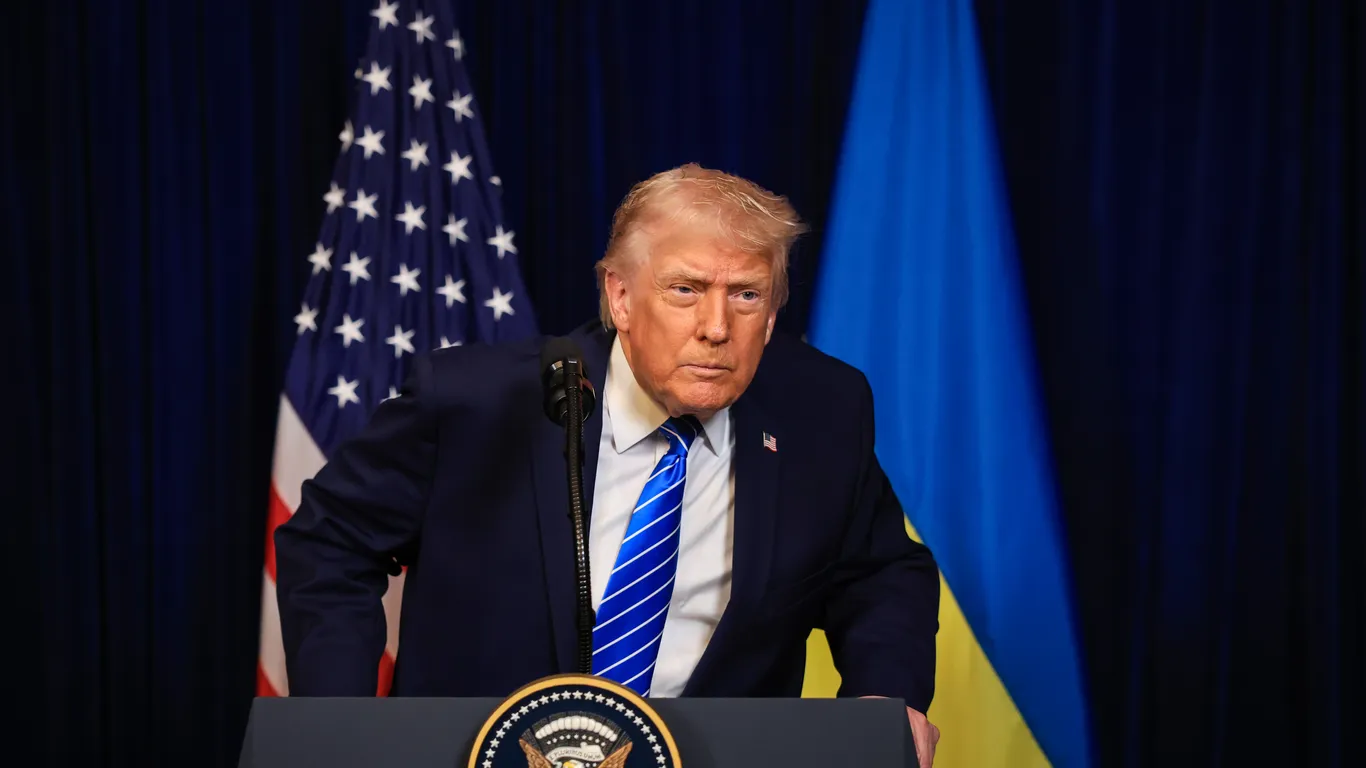
Protests in Iran over economic hardship and violence against demonstrators have escalated, prompting Trump to threaten military intervention if Iran kills protesters, raising concerns of regional instability.
The US is deploying an aircraft carrier to Latin America as part of a significant military escalation, following increased military activity and strikes against drug trafficking vessels in the Caribbean, amid broader regional tensions and security operations.
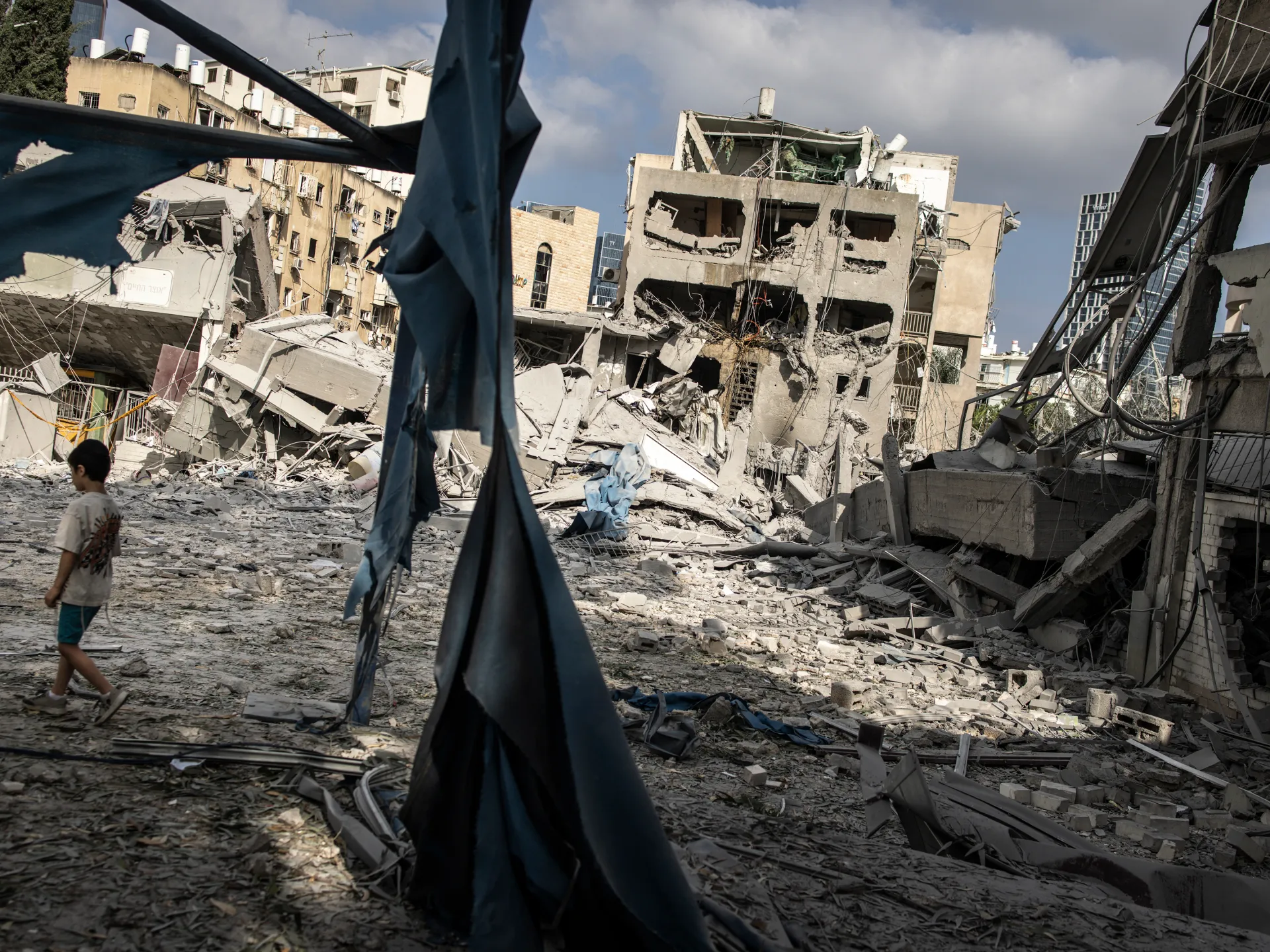
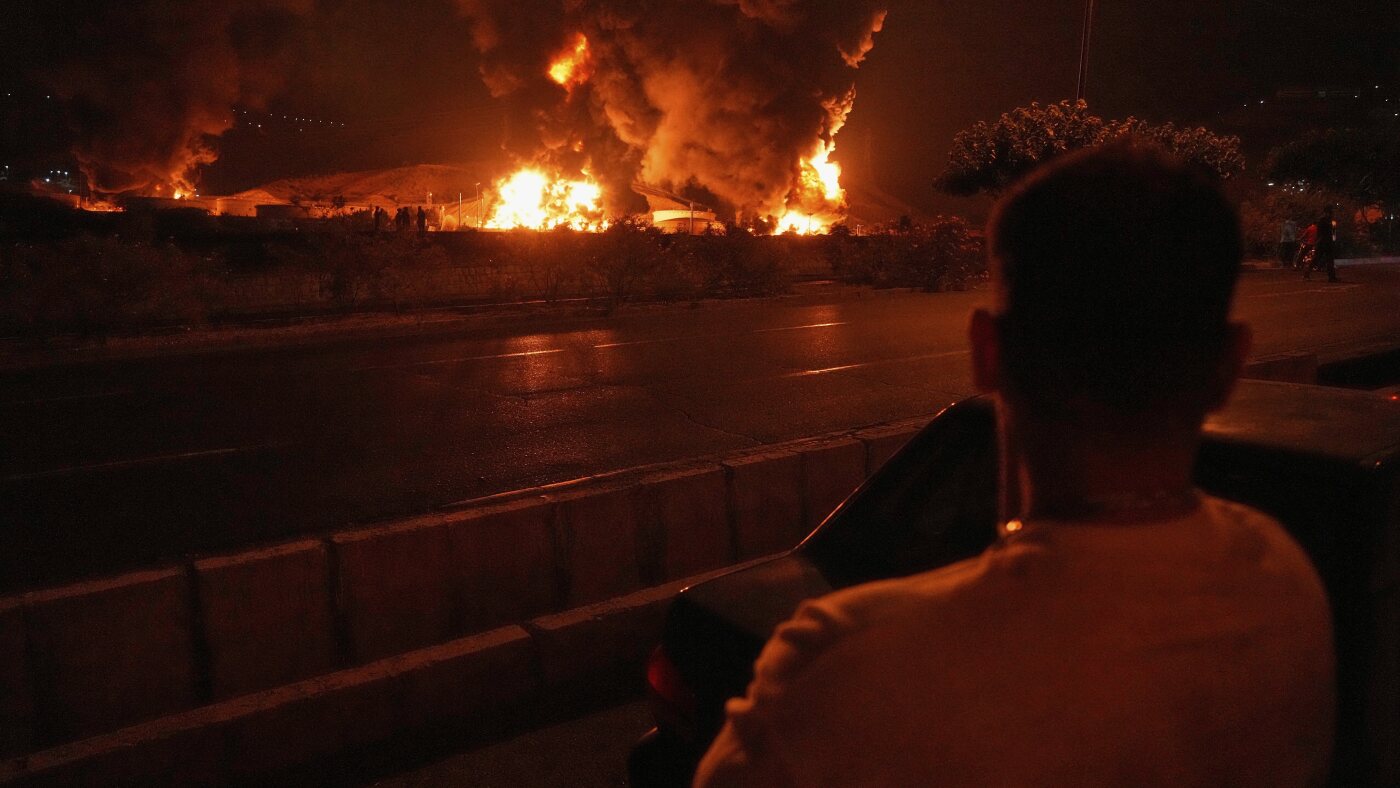
Israel and Iran continue to exchange deadly strikes, with escalating rhetoric and casualties on both sides, raising concerns of a broader regional conflict amid ongoing hostilities and international calls for restraint.
Israel and Iran engaged in intense missile exchanges, escalating the conflict with casualties and damage, amid broader regional tensions and international calls for restraint, following Israel's strikes on Iranian targets and Iran's retaliatory attacks on Israel.
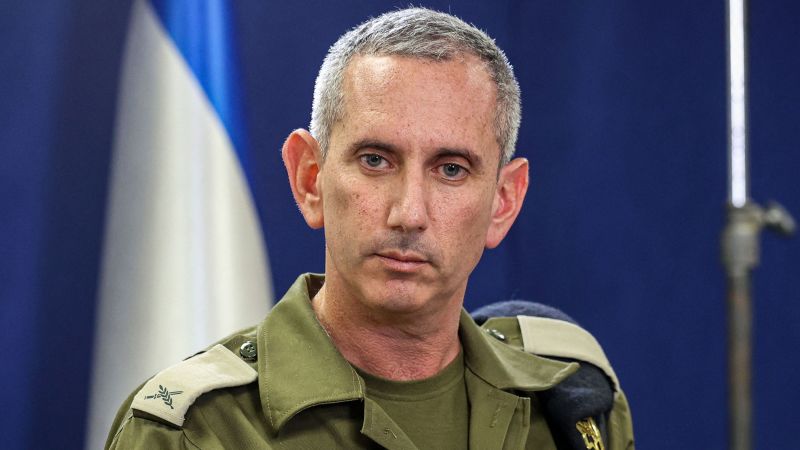
Iran has reportedly launched drones toward Israel, according to Israel Defense Forces spokesperson Daniel Hagari, following concerns of a regional escalation after an alleged Israeli attack on an Iranian embassy complex in Syria. Dozens of drones were said to have been launched, with the threat expected to reach Israel in a matter of hours.
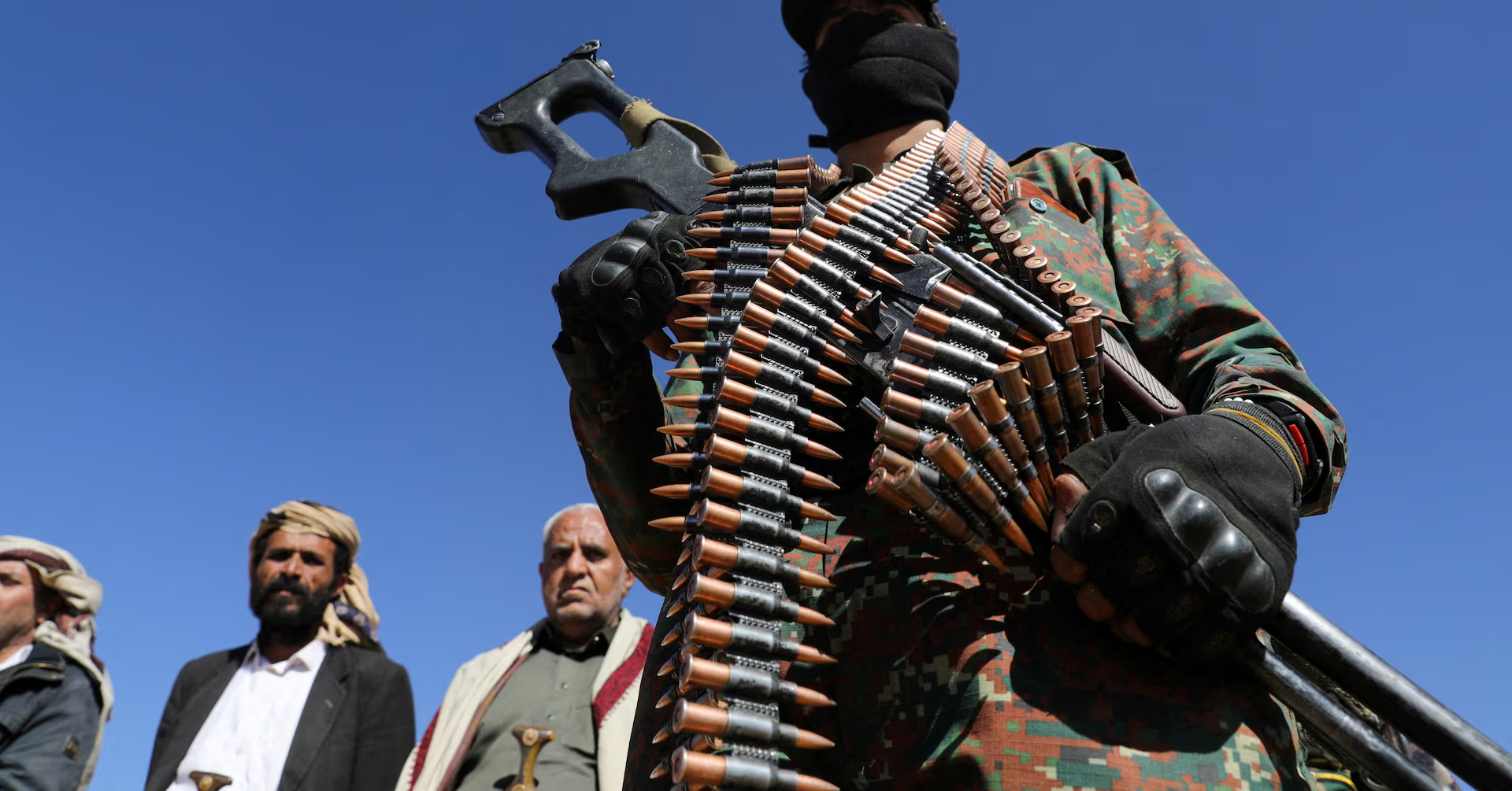
Iran conducted missile strikes on Iraq, Syria, and Pakistan in response to attacks on its soil or against Iranian targets. Under the direction of Qassem Soleimani, Iran has cultivated a network of proxy forces in Arab countries, denying close direction but broadly supporting their anti-Israel and anti-U.S. actions. The "axis of resistance" shares the goal of halting Israel's bombardment of Gaza and driving U.S. troops out of the region, but also have their own local interests. Iran's domestic security is challenged by nationwide protests and attacks by militant groups, prompting concerns about the government's ability to guarantee security. While Iran aims to avoid direct military confrontation with the U.S. or Israel, the situation could escalate due to miscalculated attacks by either side.
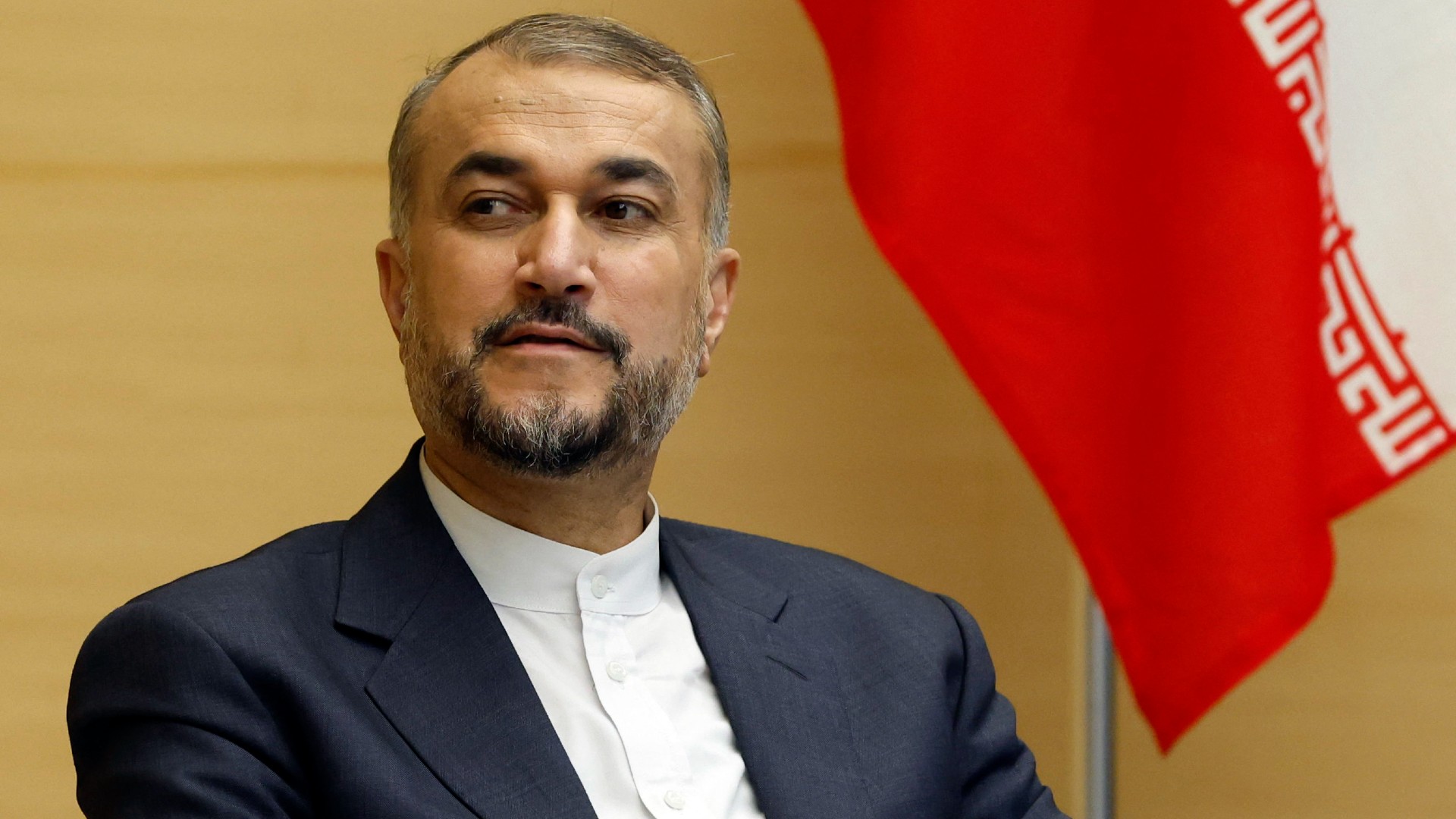
Iran has reportedly used back channels to inform the United States that it does not want the conflict between Israel and Hamas to escalate further, but warns that continued Israeli assaults on Gaza could lead to a regional spillover. Iranian Foreign Minister Hossein Amirabdollahian stated that Iran does not want the war to spread, but if the crimes against the people of Gaza and the West Bank persist, a wider conflict could become inevitable. Iran has denied prior knowledge of the October 7 assault on Israel and has been using Israel's assault on Gaza to strengthen its regional ambitions. Amirabdollahian also denied that Iran controls regional groups like Hamas, Hezbollah, and the Houthis, but warned that these groups are not indifferent to the killing of their Muslim and Arab peers in Palestine.
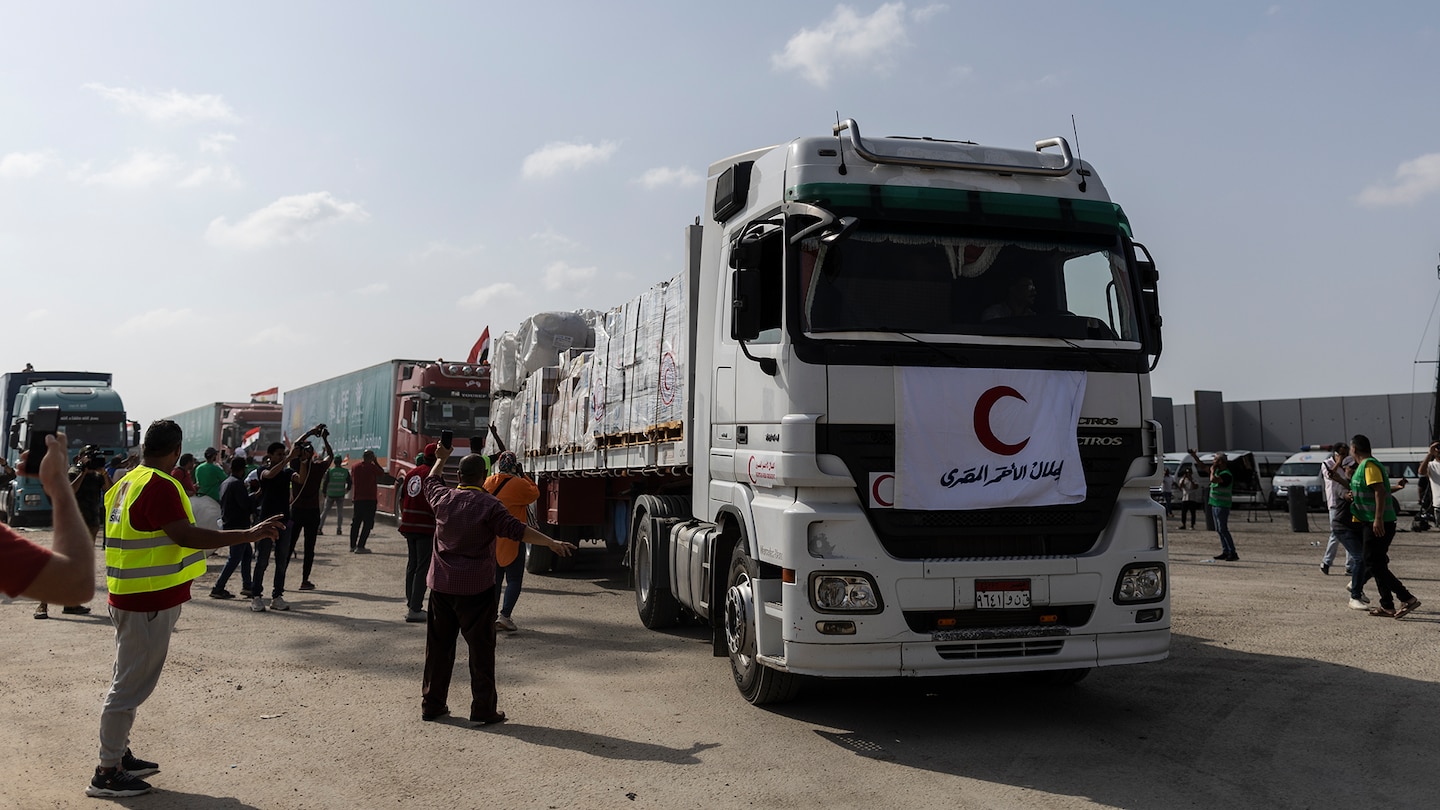
A second aid convoy entered Gaza through the Rafah crossing, providing a glimmer of hope amidst the ongoing conflict. President Biden and Israeli Prime Minister Netanyahu agreed to ensure a continued flow of critical assistance. As tensions rise, Secretary of State Blinken warned of a likelihood of escalation by Iranian proxies against U.S. forces and stated that the U.S. is taking steps to defend its people. The Pentagon has deployed two aircraft carriers and 2,000 Marines to the eastern Mediterranean to deter Iran or Hezbollah from joining the conflict.