
Tag

Regional Endothermy

All articles tagged with #regional endothermy

science2 years ago

Shark Skin: A Potential Medical Miracle for Healing and Regeneration

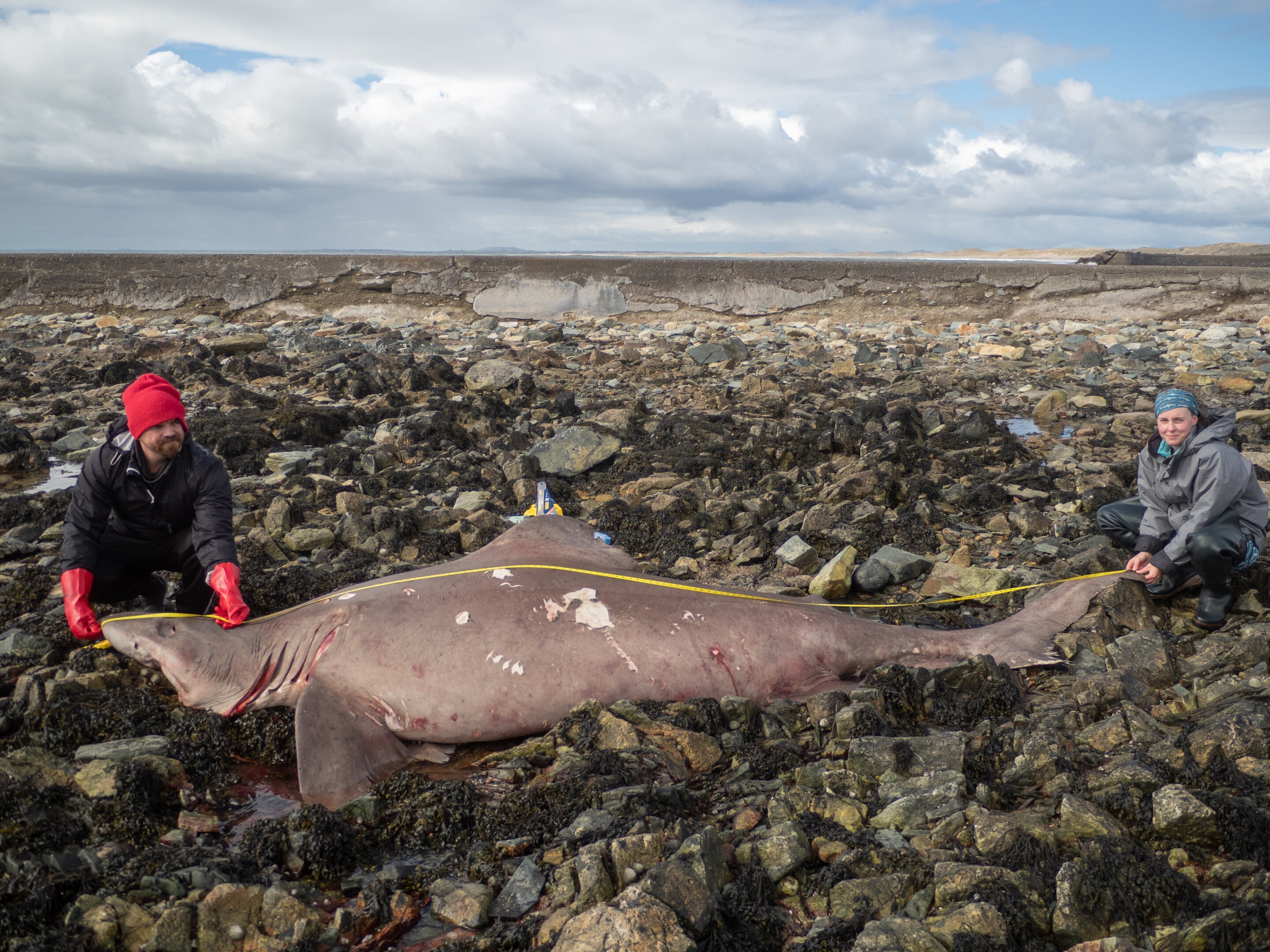
Marine biologists studying shark strandings and autopsies have discovered that there may be more warm-blooded sharks than previously believed. A study led by Trinity College Dublin found that the smalltooth sand tiger shark, which diverged from the extinct megalodon at least 20 million years ago, exhibits anatomical features suggesting it is a regional endotherm. This finding, along with the discovery that basking sharks also possess regional endothermy, raises questions about the evolution of warm-bloodedness and its conservation implications. The researchers believe that warming seas may pose a threat to these warm-bodied shark species, as seen in the extinction of the megalodon.
marine-biology2 years ago

Scientists Puzzled by Warm-Blooded Filter-Feeding Shark

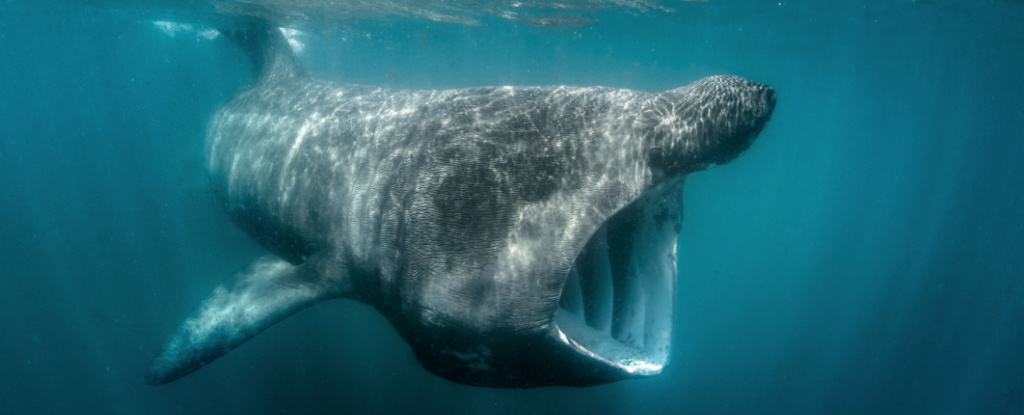
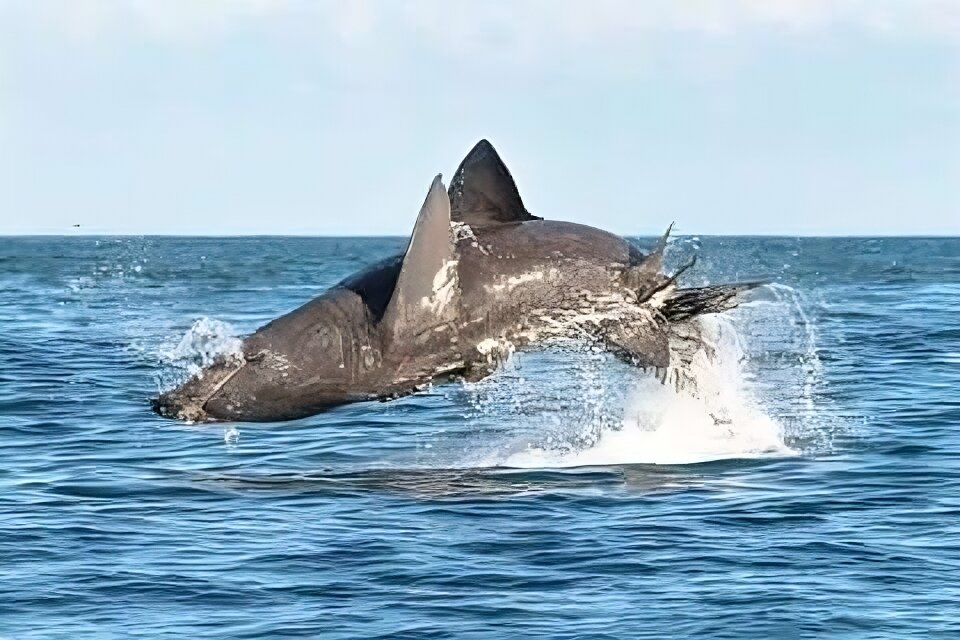
Scientists have discovered that basking sharks, typically considered cold-blooded, exhibit elevated body temperatures while swimming, challenging our understanding of fish physiology. Previously, warm-bloodedness was thought to be limited to apex predators, but this study shows that it can also occur in large, passive-feeders like basking sharks. The sharks' ability to maintain higher blood pressure and blood flow, facilitated by compact muscle around their hearts, may allow them to migrate and feed more efficiently in colder waters. The reasons behind their warm-bloodedness and its advantages are still unclear, highlighting the need for further research on shark species for effective conservation strategies.

marine-biology2 years ago

"Basking Sharks: Surprising Warm-Blooded Discovery Shatters Cold-Blooded Stereotype"

Researchers from Trinity College Dublin have discovered that basking sharks, typically known as filter-feeders, are warm-bodied like great white sharks and other fast-swimming predators. This finding challenges previous assumptions about the advantages of regional endothermy and raises questions about the metabolism and potential distribution shifts of basking sharks in response to ocean warming. The study highlights the need for further research to aid in effective conservation strategies for these endangered species.