Tag

Red Tide

All articles tagged with #red tide

"Bioluminescent Waves Illuminate Southern California's Coastline Once Again"
environment2 years ago

"Bioluminescent Waves Illuminate Southern California's Coastline Once Again"

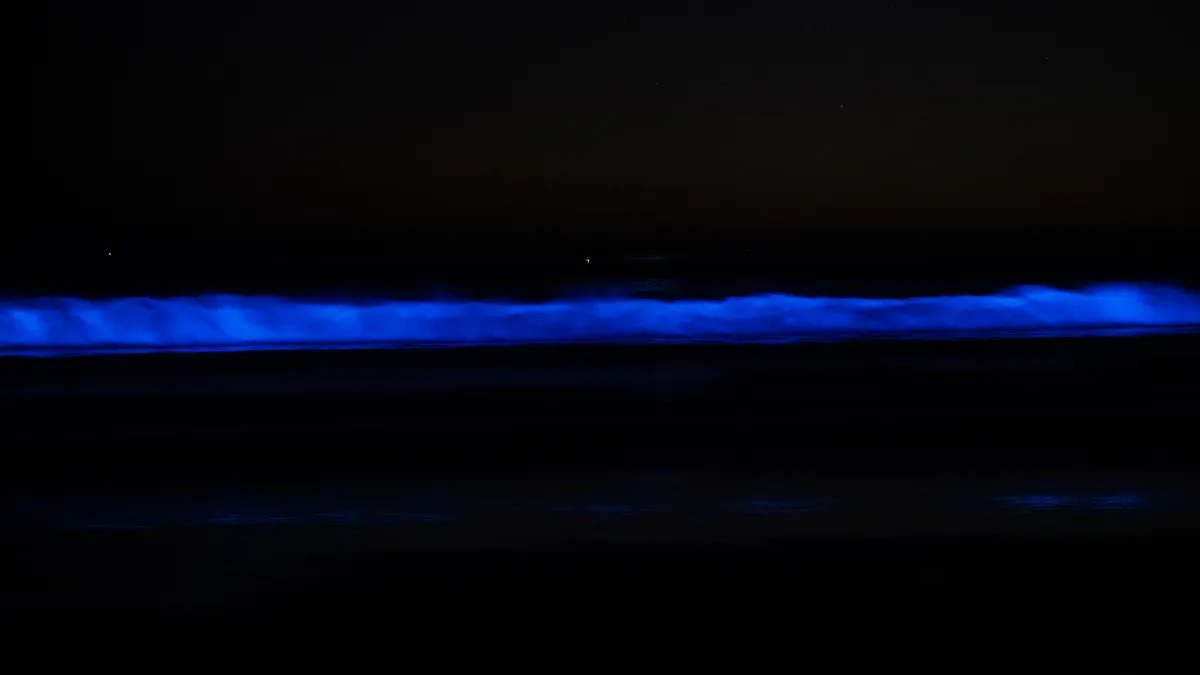
Red tides, caused by an abundance of Lingulodinium polyedra, are being spotted off the coast of San Diego, leading to bioluminescent waves at night. The organisms responsible for the glowing phenomenon are motile photosynthetic dinoflagellates that swim and emit light when physically disturbed. Bioluminescence can be seen in San Diego during the dark hours, preferably in spring to early fall. The red tide is currently reported in the mid to northern areas of San Diego County, and its duration varies from a couple of weeks to a few months. Swimming in bioluminescent waters is generally safe, but the decomposition of the organisms can harm marine life and create discomfort due to the smell and aerosols.


Unveiling the Role of Plankton Super Swimmers in the 2020 Red Tide Event
environment2 years ago

Unveiling the Role of Plankton Super Swimmers in the 2020 Red Tide Event

A study led by scientists at UC San Diego's Scripps Institution of Oceanography and Jacobs School of Engineering has revealed how the historic red tide event of 2020 off Southern California was fueled by the exceptional swimming ability of a plankton species called Lingulodinium polyedra. These dinoflagellates were able to create an exceptionally dense bloom due to their vertical migration, swimming upward during the day to photosynthesize and downward at night to access nutrients. The study validates a 50-year-old hypothesis and highlights the importance of understanding phytoplankton behavior and changes in the coastal environment to predict and mitigate harmful algal blooms.

Toxic Algal Bloom Threatens California's Marine Life and Public Safety
environment2 years ago

Toxic Algal Bloom Threatens California's Marine Life and Public Safety

A harmful algal bloom, known as a red tide, off the coast of California has sickened or killed hundreds of sea lions and dolphins since June 8. The bloom is caused by naturally occurring algae that produce a neurotoxin called domoic acid. Sea lions and dolphins get poisoned when they eat small fish contaminated with the toxin. Symptoms include seizures, foaming at the mouth, and lack of appetite. While sea lions can be treated, dolphins are largely untreatable and often arrive on shore already dead or dying. The prolonged and severe bloom is a cause for concern among scientists, who believe it may be a result of human activities and climate change.

Florida Braces for Massive Seaweed Bloom Impact.
environment2 years ago

Florida Braces for Massive Seaweed Bloom Impact.

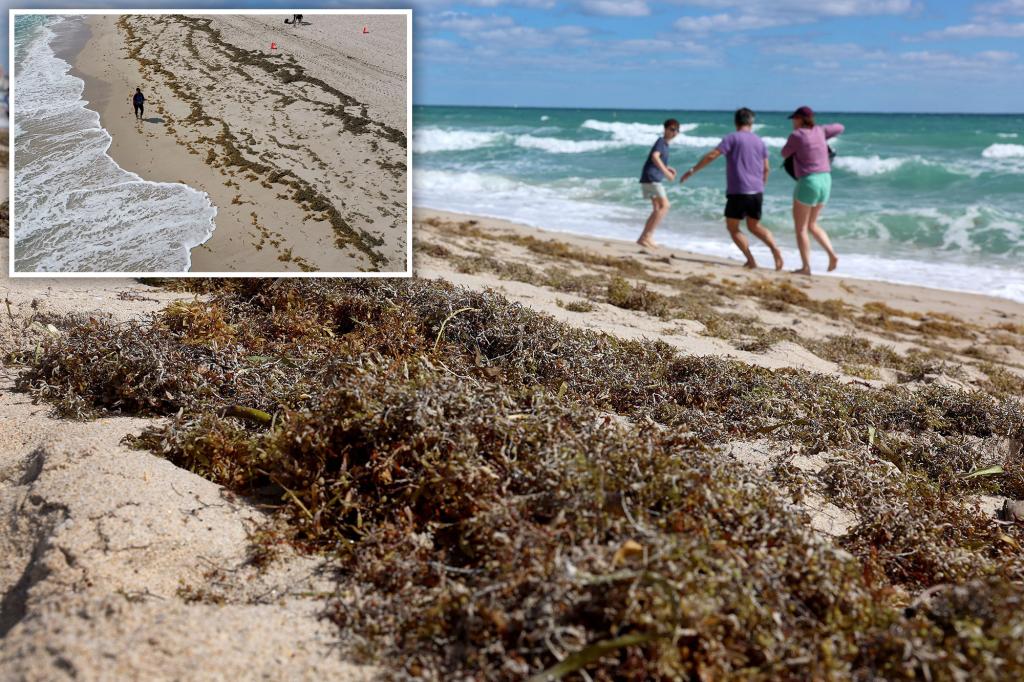
A massive buildup of seaweed, tracked for months, has started to wash ashore Florida beaches, with experts warning that the worst could still be ahead. The amount of seaweed in the Atlantic basin was around 6.1 million tons, the second-highest amount ever recorded during February. The seaweed is not harmful to humans, but it can still lead to impacts. Seaweed bloom events can damage Florida’s tourism-heavy economy, and cleaning up the beaches could cost Florida an estimated $120 million. The sargassum is quite different from the red tide event that is simultaneously impacting Florida beaches, mainly along the Gulf Coast.

Florida's Beaches Face Dual Threat of Red Tide and Giant Seaweed Bloom
environment2 years ago

Florida's Beaches Face Dual Threat of Red Tide and Giant Seaweed Bloom

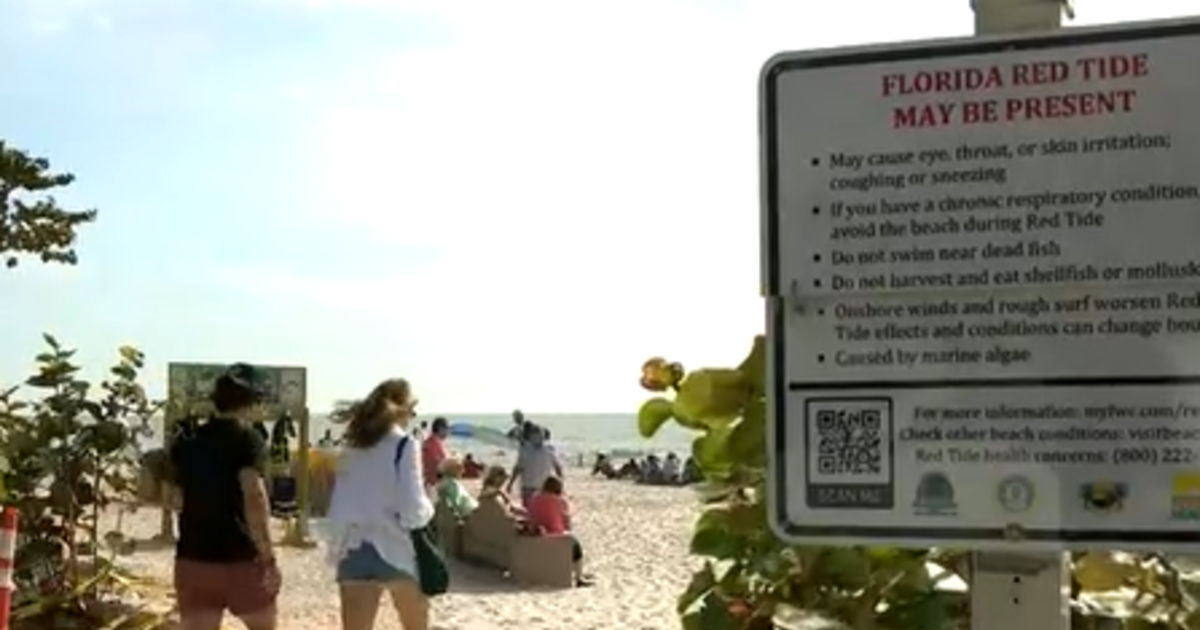
Florida's Gulf Coast is facing a toxic algae bloom known as red tide, which is killing fish and causing a stench. The bloom can cause health problems for people, including coughing, irritated throat, and difficulty breathing. A massive seaweed blob twice as wide as the United States is also drifting across the Atlantic and could wash ashore in the coming weeks, creating an even bigger mess. The seaweed, known as sargassum, releases harmful gases as it degrades. Pollution may be aggravating the red tide problem, which occurs naturally but can be influenced by nutrient discharges.