Tetley, the UK's second biggest tea brand, is closely monitoring its tea supplies on a daily basis due to disruptions in the Red Sea, leading to "much tighter" imports than desired. While the company hopes to maintain normal demand, it anticipates a decrease in buffer stock levels. Sainsbury's has issued warnings about black tea availability, but Tetley remains confident in its ability to meet demand. The disruption is attributed to continued attacks by Houthi rebels in Yemen, affecting global trade and prompting shipping companies to seek alternative routes.
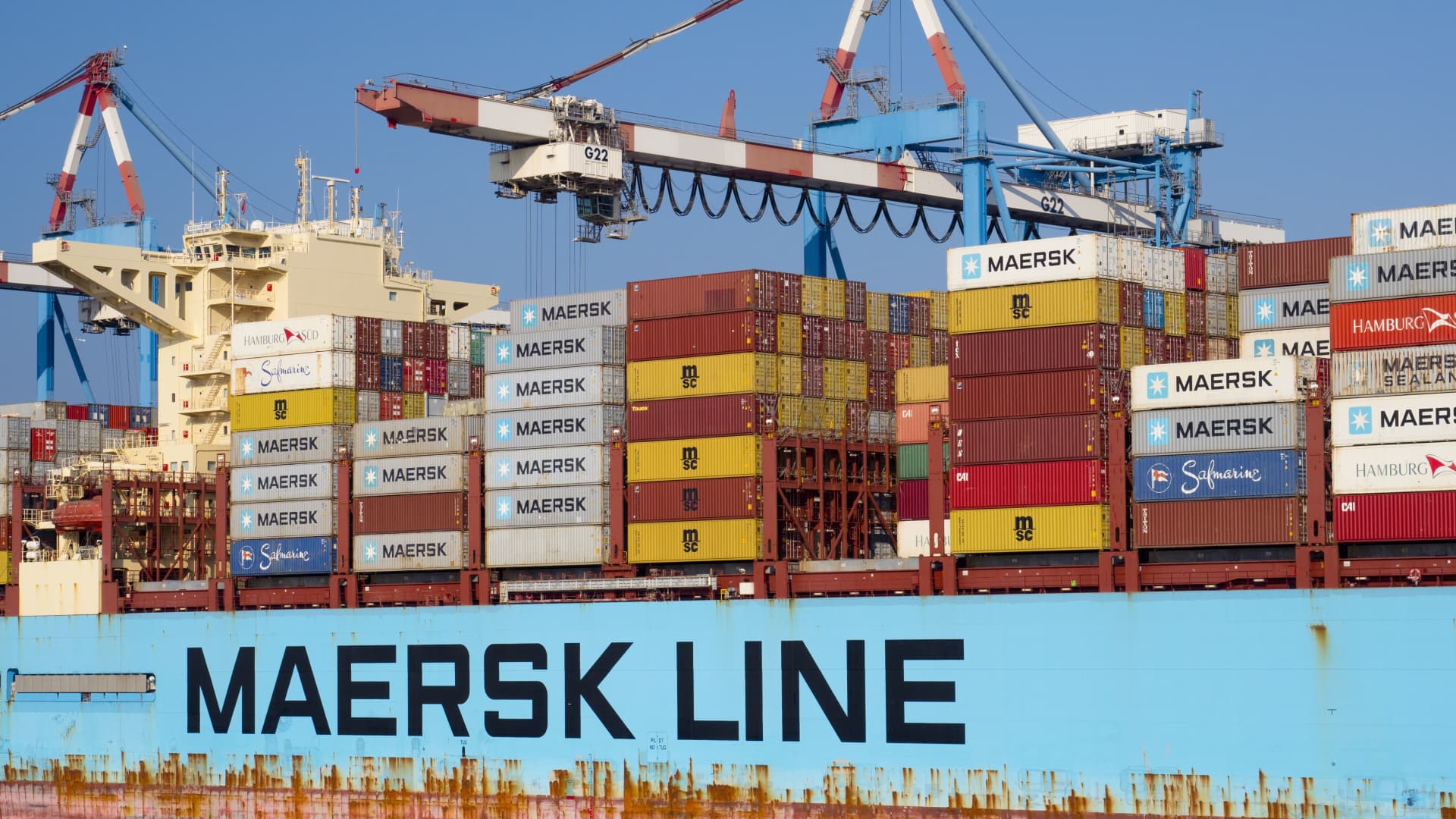
Danish shipping giant Maersk's shares dropped over 12% after announcing "high uncertainty" in its 2024 earnings outlook due to Red Sea disruptions and oversupply of shipping vessels, leading to the suspension of share buybacks. The company reported lower-than-expected fourth-quarter profit, with EBITDA dropping to $839 million. Global supply chains have been disrupted since late 2023 due to diversions away from the Red Sea following attacks by Yemen's Houthi rebels, leading to increased delivery times and costs, potentially impacting inflation.
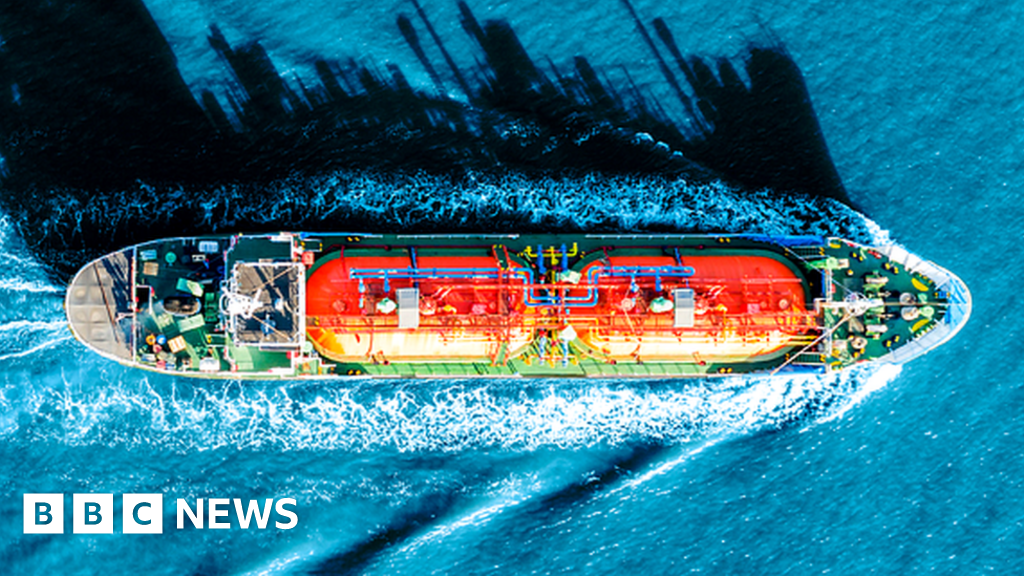
The UK Treasury has warned of a potential recession due to disruptions in the Red Sea, with fears of a $10 per barrel increase in crude oil prices and a 25% rise in natural gas prices. Recent military actions against Iran-backed Houthi rebels aim to restore safe passage through the Red Sea, but there is a risk of escalation to a wider Middle East conflict. The potential for another energy shock looms, with the possibility of $100 per barrel oil prices, as Europe becomes more reliant on gas supplies from Qatar following the halt of Russian pipelines. Such an escalation could entrench inflation and disrupt the global economy, echoing parallels with the 1970s energy shocks.
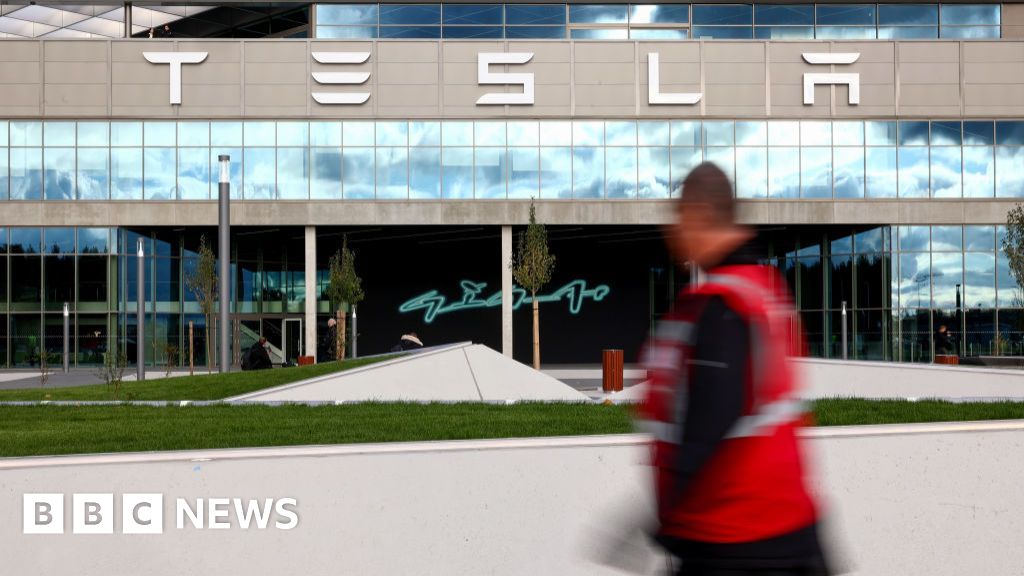
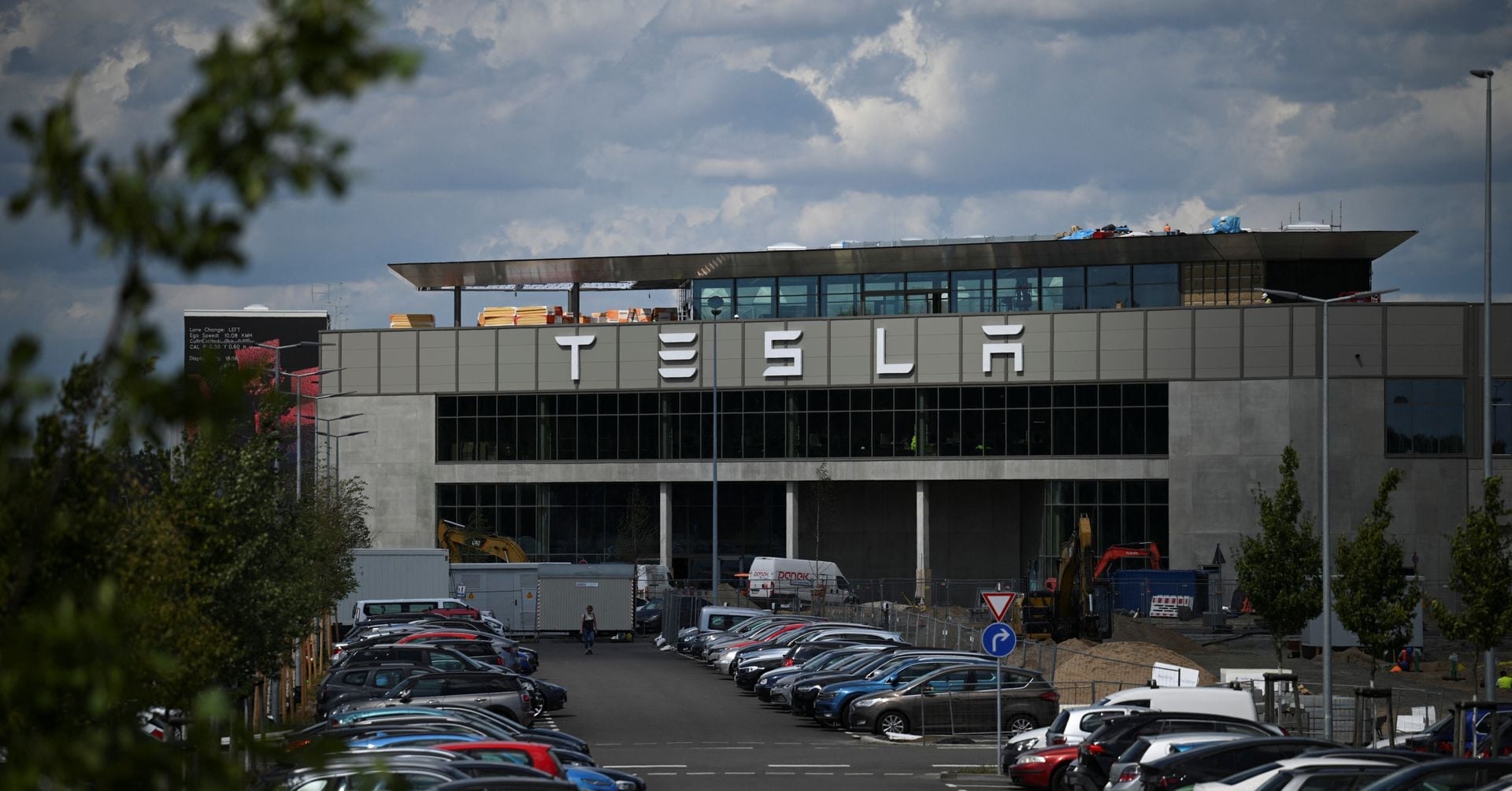
Tesla suspends production at its Berlin plant due to disruptions in the Red Sea, caused by attacks on shipping by Houthi rebels, leading to longer delivery times and supply chain gaps. The attacks have prompted shipping companies to divert vessels around the Cape of Good Hope, causing significant disruption to global trade and potential inflation of consumer goods prices. The UK government is concerned about the impact on the economy, while major shipping lines are prioritizing crew safety and avoiding the dangerous route. The situation has also led to a rise in oil prices and could have broader implications for global trade and consumer costs.
Tesla's Berlin factory will halt most car production from Jan. 29 to Feb. 11 due to a lack of components caused by disruptions in transport routes stemming from attacks on vessels in the Red Sea. The conflict has impacted Europe's largest economy and led to delays for various companies. Analysts anticipate potential supply chain fallout for other automakers. This disruption adds pressure on Tesla amid a labor dispute and sympathy strikes. The company plans to resume full production on Feb. 12 and does not currently intend to alter its production schedule at its Shanghai factory.