AMD has submitted a pull request to the Linux kernel's DRM-Next, enabling support for new GPU hardware blocks including GFX 12.1 and RDNA 3.5 series, indicating upcoming hardware updates and continued Linux support for AMD's latest graphics technologies.
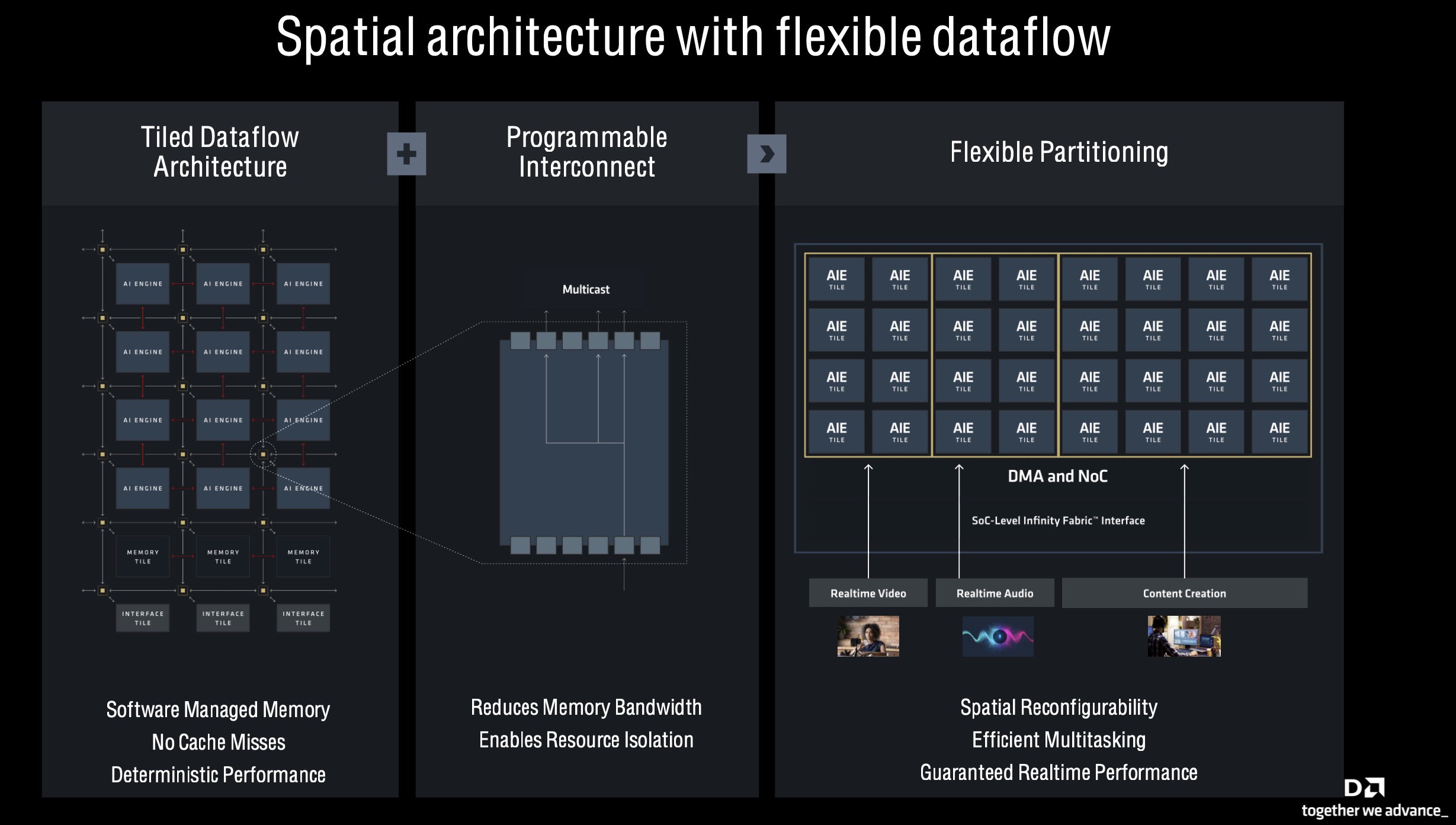
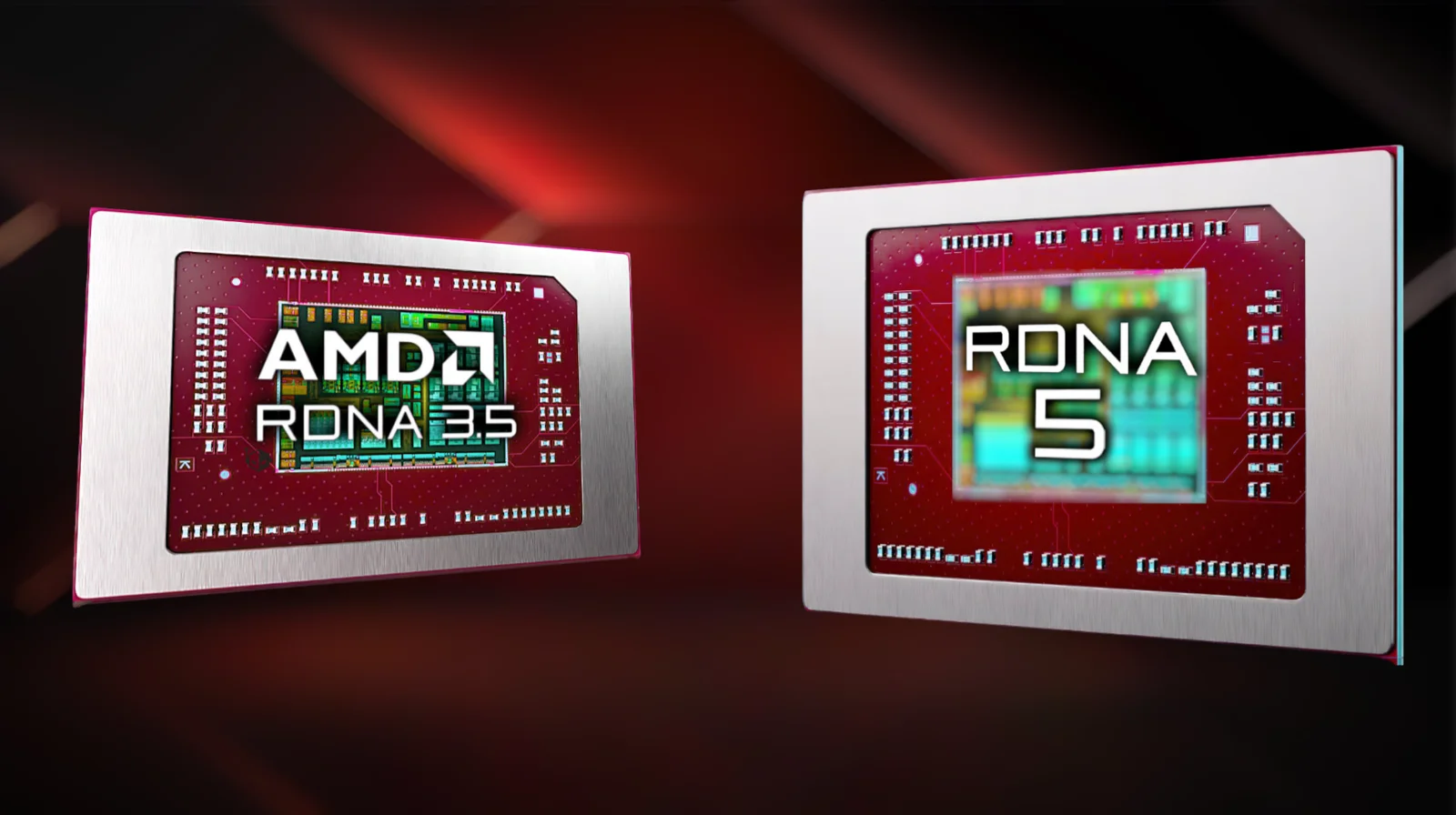
AMD has unveiled three key architectures for its 2024 products: Zen 5 CPU cores, RDNA 3.5 GPU IP, and XDNA 2 NPU accelerator. Zen 5 offers a 16% IPC uplift and comes in two variants, while RDNA 3.5 focuses on improved performance and efficiency. XDNA 2, derived from Xilinx, enhances AI capabilities. These advancements aim to keep AMD competitive against Intel's upcoming releases.
AMD has begun releasing initial patches for RDNA 3.5 "GFX1150" GPU support in Linux 6.7, indicating future support for RDNA architectures. The RDNA 3.5 refresh is expected to bring efficiency optimizations and architectural tweaks and will likely be incorporated in the next-gen Ryzen 8000 APUs, particularly the Strix Point series set for a 2024 release. The Ryzen 8000 APUs will feature higher-end integrated SKUs with multiple RDNA 3.5 compute units, while the desktop CPUs will have limited CUs.
Leaked information suggests that AMD will release next-gen Ryzen 8000 APUs with Zen 5 and Zen 4 cores, RDNA 3.5 GPU cores, and XDNA engines. The Hawk Point APUs will be the first to hit shelves, followed by Strix Point and Fire Range APUs. The Strix Point APUs will come in two flavors, a monolithic die, and a chiplet design. The chiplet design will be the first APU with up to 16 Zen 5 cores with 32 threads and offering 25% faster performance than a 16-core Dragon Range chip at the same power (90W). The first AMD Zen 5 Ryzen 8000 APUs aren't expected until mid-2024.