A survey of nutrition experts reveals common misconceptions about dairy, including beliefs about raw milk, lactose intolerance, and the health benefits of low-fat dairy, highlighting the need for better public understanding of dairy's nutritional role.
A Florida woman is suing a dairy farm after her unborn child died and she became severely ill from bacteria-contaminated raw milk purchased from the farm, which is legally sold as pet food in the state despite health risks and illegal for human consumption. The case highlights ongoing concerns about raw milk safety and regulatory issues.
Nearly two dozen people in Florida have fallen ill after consuming tainted raw milk from an unnamed farm, with some hospitalized due to infections like Campylobacter and E. coli, highlighting the health risks associated with raw milk consumption despite regulatory loopholes and ongoing outbreaks.
Over 20 people in Florida have fallen ill from consuming raw milk linked to a farm with questionable sanitation practices, highlighting the health risks of raw milk despite its popularity among certain influencers and policymakers. The Florida Department of Health issued an alert but stopped short of advising complete avoidance, emphasizing informed decision-making.
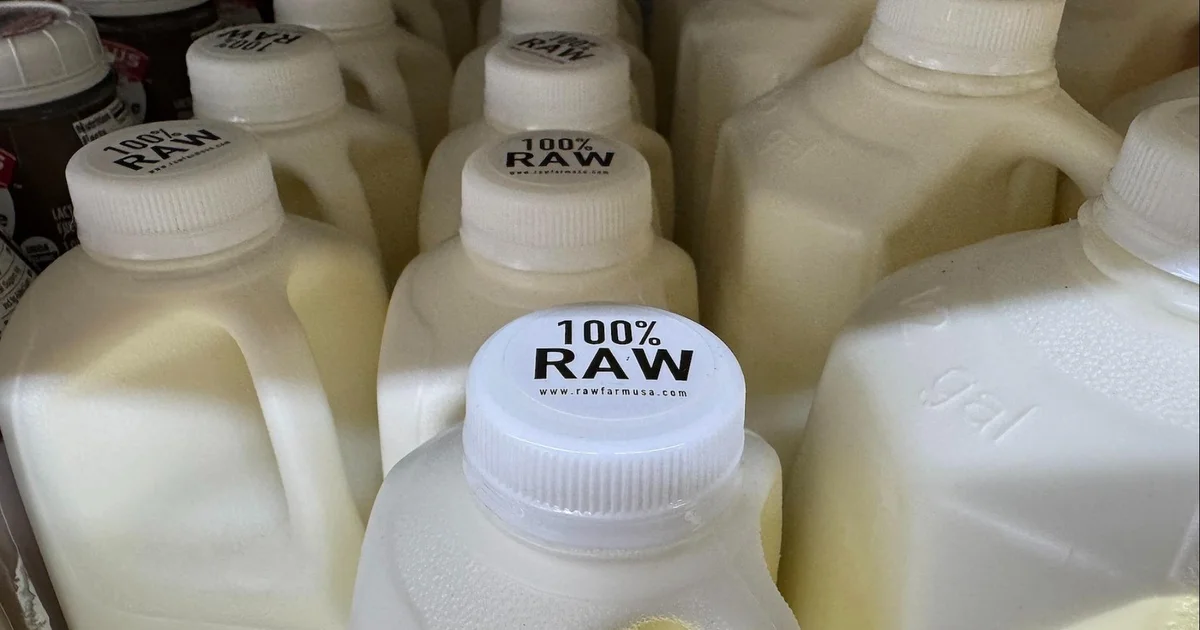
Twenty-one people, including six children, in Florida have fallen ill with E. coli or campylobacter infections after consuming raw milk from an unidentified farm, with some hospitalized and experiencing severe complications. Despite health warnings, raw milk remains popular, but it poses significant health risks due to dangerous bacteria, especially for vulnerable groups. Florida bans the sale of raw milk for human consumption, but some retailers circumvent regulations by labeling it for pets or animals.
Florida health officials warn about the dangers of raw milk after 21 people, including children, become sick from bacteria linked to a farm, highlighting the risks of consuming unpasteurized milk and the importance of proper sanitation practices.
Florida health officials warn about the dangers of drinking raw, unpasteurized milk after 21 people, including children, fell ill with bacteria linked to a farm's raw milk, highlighting the health risks despite the raw milk movement and legal ambiguities in the state.
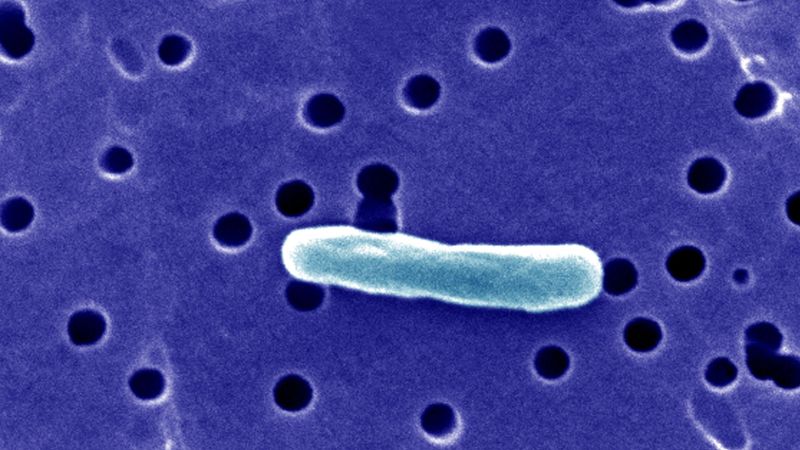
An outbreak of E. coli and Campylobacter linked to raw milk in Florida has sickened 21 people, including children, with some requiring hospitalization. The Florida Department of Health warns against raw milk consumption due to contamination risks, despite its popularity among wellness advocates. The bacteria can cause severe illness, especially in vulnerable populations, and the sale of raw milk across state lines remains banned by the FDA, though some loopholes exist at the state level.
A significant Salmonella outbreak linked to raw milk from a California dairy sickened over 160 people, mostly children, marking one of the largest raw milk-related outbreaks in recent US history. The outbreak highlights the risks of consuming unpasteurized dairy products, which can harbor various pathogens, especially affecting vulnerable populations like children and immunocompromised individuals.
An outbreak of Salmonella Typhimurium linked to raw milk from a California dairy resulted in 171 cases across five states, predominantly affecting children, with the outbreak strain found in both raw milk and cheese produced by the dairy. The incident highlights the risks of consuming raw dairy products, even from licensed producers, and underscores the importance of public health messaging and rapid response to foodborne illness outbreaks.
Raw milk is promoted by some for its supposed health benefits, but experts warn it can harbor dangerous pathogens like E. coli and Listeria, and the health risks outweigh the minimal enzyme and vitamin retention benefits. Pasteurization, developed by Louis Pasteur, remains a crucial process for ensuring milk safety, especially outside controlled environments like aged cheeses, which are safer due to fermentation and aging. Unless in regulated settings, consuming raw milk is a risky gamble, particularly for vulnerable populations like children.
Two cats in Los Angeles County died from suspected H5 bird flu after consuming recalled raw milk from Raw Farm, LLC. The cats exhibited symptoms such as lack of appetite, fever, and neurological issues before testing positive for Influenza A. Health officials are investigating the cases and have advised against consuming raw dairy products to prevent the spread of diseases like bird flu. The risk to humans remains low, but those in contact with the cats are being monitored. Residents are urged to avoid raw dairy and report sick animals.
The CDC found no evidence of H5N1 bird flu in a California toddler who consumed raw milk, despite initial positive tests for flu A. The child, who showed flu-like symptoms, was tested after consuming milk from a quarantined company due to H5N1 contamination. Although the CDC could not confirm the virus, the case highlights concerns about raw milk consumption amid a broader H5N1 outbreak in California's dairy herds. Public health officials emphasize the importance of surveillance and exposure history in managing flu-like illnesses.
Two indoor cats in Los Angeles County died after consuming recalled raw milk from Raw Farm LLC, suspected to be linked to H5N1 bird flu. The cats showed symptoms like fever and neurological issues before testing positive for influenza A. Health officials are monitoring people who had contact with the cats and advise against consuming raw dairy products. The incident highlights the risk of H5N1 in domestic cats, which are highly susceptible to the virus, and underscores the importance of avoiding raw food diets for pets.
California has reported at least 10 illnesses linked to the consumption of raw milk, though none have been identified as bird flu. Despite claims of nutritional benefits, health experts warn that raw milk can carry harmful bacteria and viruses, including bird flu, E. coli, and salmonella. The CDC recommends consuming pasteurized milk to avoid these risks. Interest in raw milk has grown, partly due to endorsements from public figures, but experts emphasize that the health risks outweigh any purported benefits.