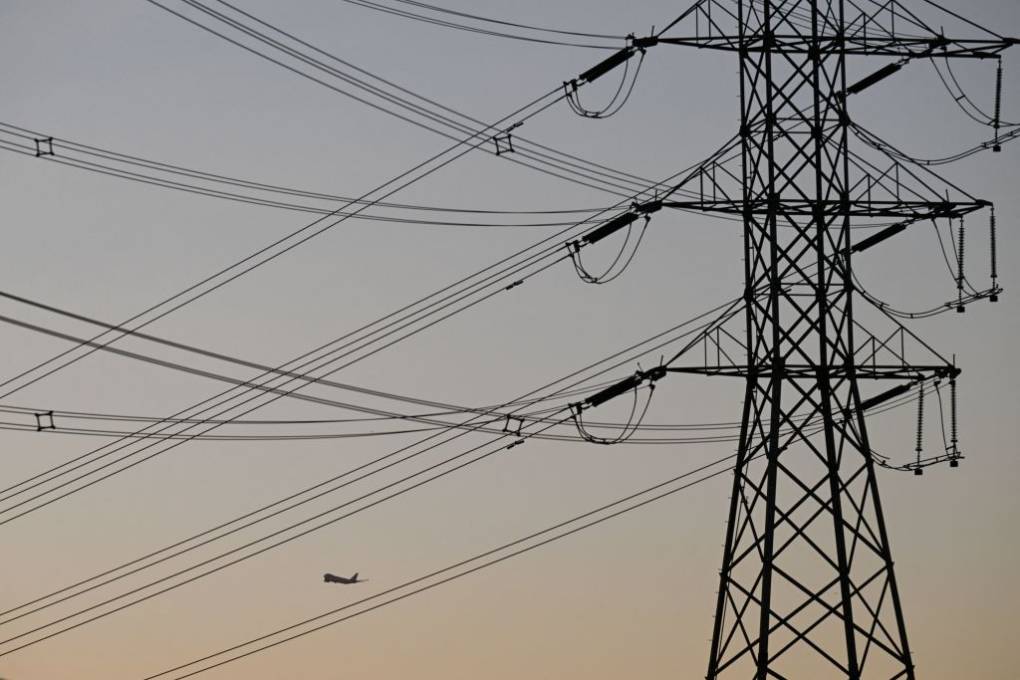
California regulators have proposed significant changes to electricity bills, aiming to reduce costs for lower-income residents and those in areas most affected by extreme heat. The proposal includes a fixed infrastructure cost and a lower usage rate, with the goal of incentivizing electrification of cars and home appliances. While bills for lower-income and electrification adopters would decrease, some non-lower-income customers and rooftop solar owners may see increases. Proponents argue that the changes will address inequities in cost distribution and encourage electrification to reduce fossil fuel emissions, but there is backlash from some lawmakers and concerns from the solar industry about potential energy conservation issues.
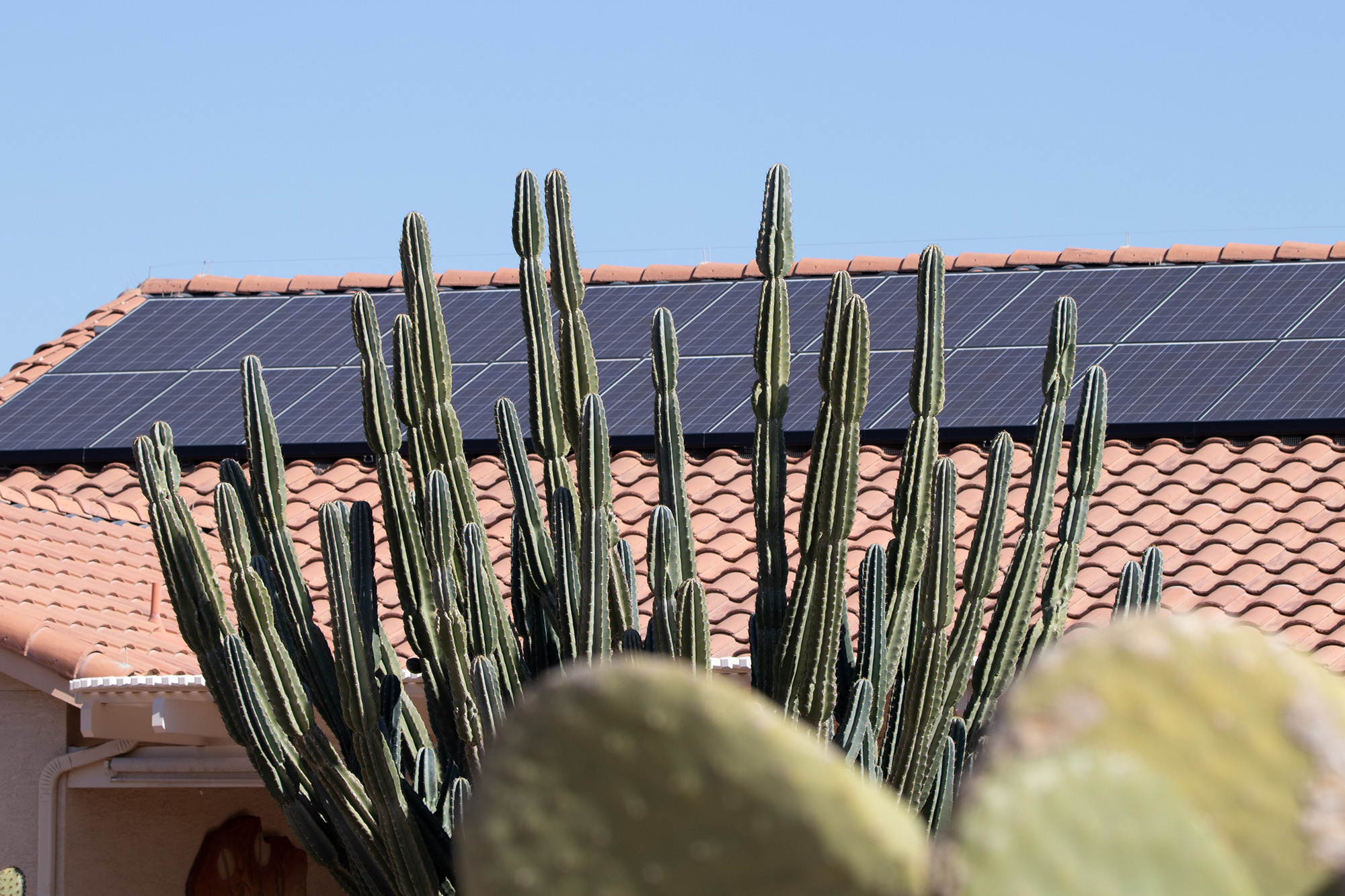
The Arizona Corporation Commission, which regulates most of the state's utilities, has voted to consider changes to the rates at which rooftop solar customers are compensated for excess power generation. Solar energy advocates argue that this move will create instability in the industry. The proposed changes include reconsidering the 10% cap on annual rate reductions for new solar customers and a rule that locks solar customers into agreed-upon rates for 10 years. The solar industry warns that regulatory uncertainty will harm businesses and result in job losses. The debate will not affect rates for current solar customers, but future commissioners may broaden the discussion if the hearings extend beyond the next election cycle.
American Electric Power (AEP) customers in Ohio may see significant changes in their electricity bills this month due to rate changes. The changes are a result of a settlement agreement between AEP Ohio and several parties, including the Ohio Consumers' Counsel. The new rates will affect both residential and commercial customers, with some seeing increases and others seeing decreases in their bills.