Tag

Radio Communication

All articles tagged with #radio communication

science-and-technology1 year ago

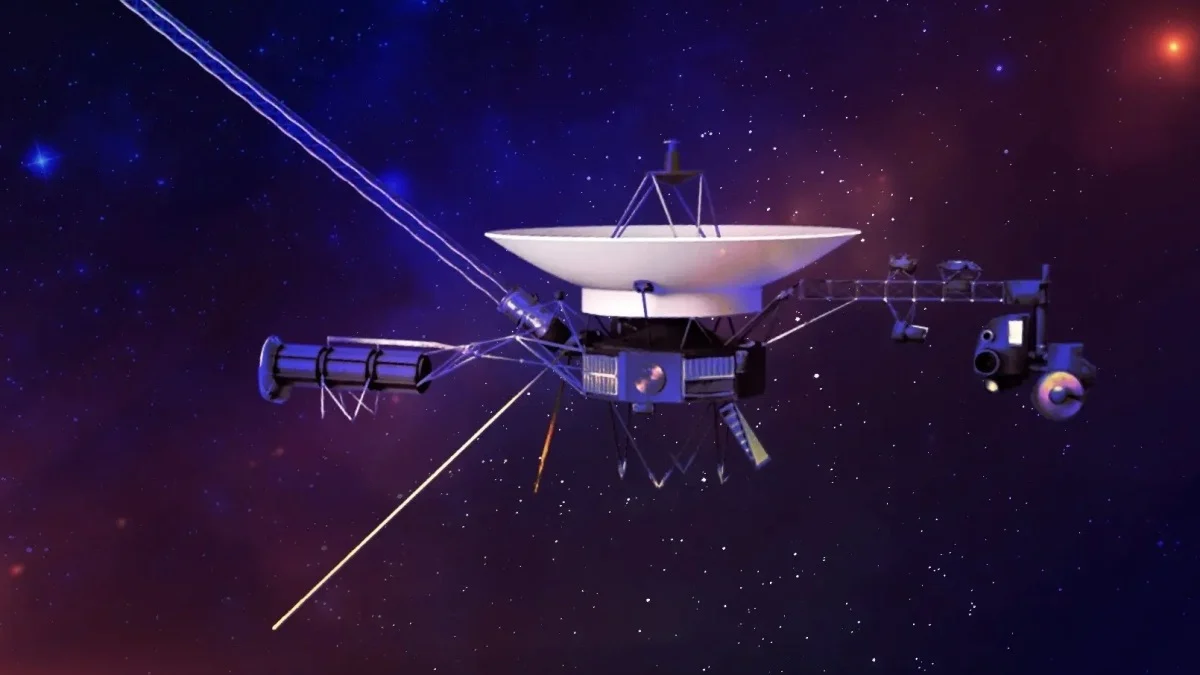
Voyager 1 Reconnects with Earth Using 42-Year-Old Transmitter

NASA's Voyager 1, the farthest human-made object in space, recently lost communication after its main radio transmitter shut off. At 15.4 billion miles from Earth, the spacecraft's fault protection system turned off the transmitter following a routine command. Engineers managed to re-establish contact using a backup S-band transmitter, unused since 1981. Despite its age and power limitations, Voyager 1 continues its journey through interstellar space, with NASA aiming to keep it operational beyond 2025.

space-technology1 year ago

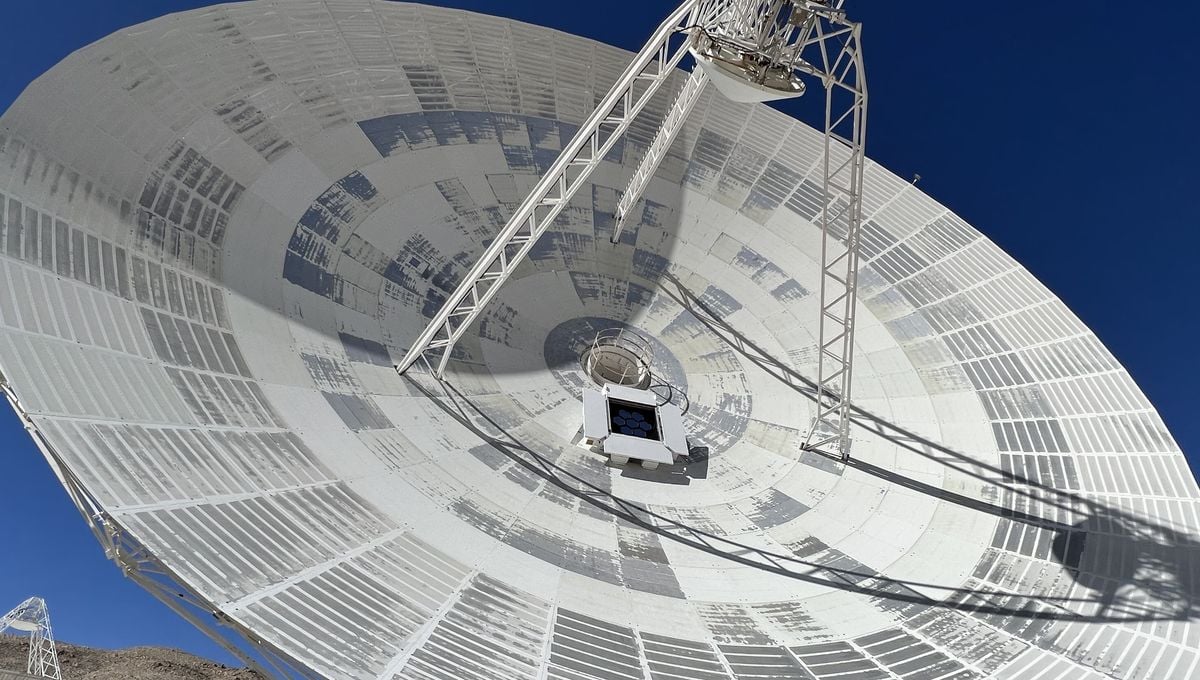
"NASA's Groundbreaking Dual-Communication Antenna Receives Laser and Radio Messages from Deeper Space"

NASA has successfully received laser messages from its Psyche spacecraft, testing Deep Space Optical Communications (DSOC) to send messages back to Earth. The new system offers better bandwidth speed compared to radio waves, allowing for faster data transmission. By retrofitting radio antennas to do both laser and radio communication, NASA achieved synchronous radio and optical frequency deep space communications for the first time. The hope is to continue testing the system as Psyche travels further into space, potentially enabling more data-intensive transmission from Mars in the future.

science-and-technology2 years ago

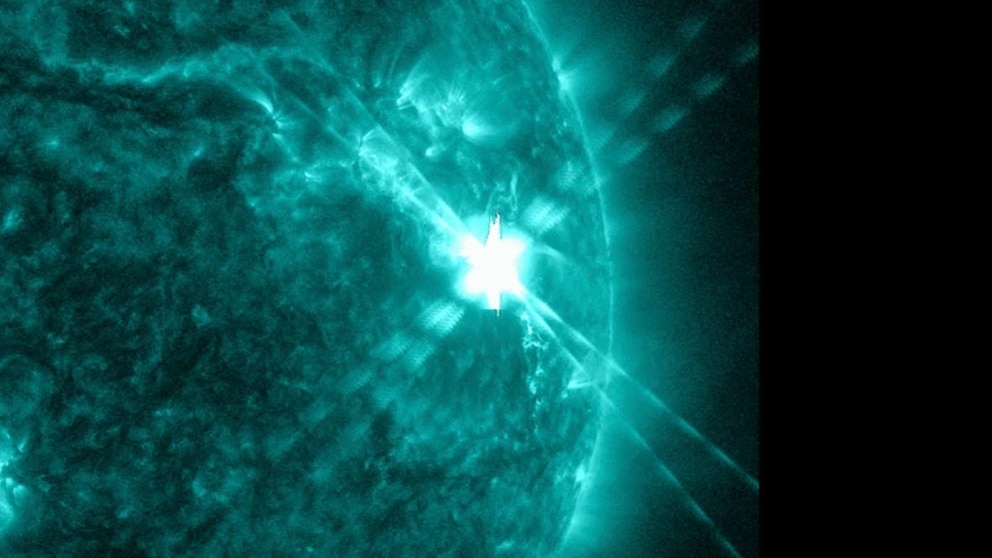
"Massive Solar Flare Causes Temporary Radio Signal Disruption on Earth"

NASA's Solar Dynamics Observatory captured the biggest solar flare since 2017, causing two hours of radio interference on Earth. The flare disrupted communication and affected pilots across the United States and other sunlit areas. Scientists are monitoring the sunspot region for a possible coronal mass ejection directed at Earth. The sun is approaching the peak of its 11-year solar cycle, with maximum sunspot activity predicted for 2025.

science-and-technology2 years ago

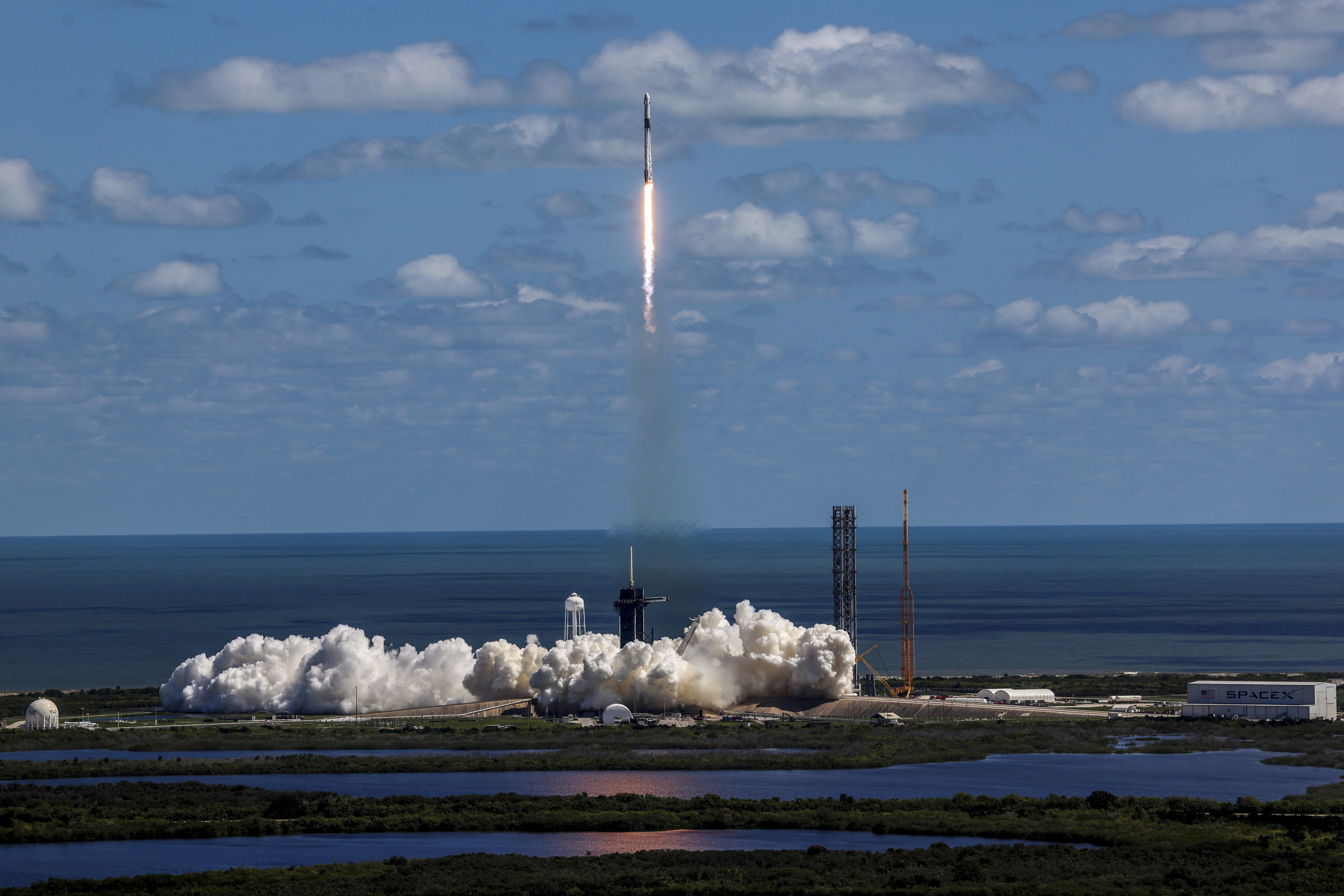
"SpaceX Rocket's Ionospheric Impact: Elon Musk's Ongoing Challenge"

The launch of a SpaceX Falcon 9 rocket from Vandenberg Space Force Base in California has once again created a hole in the Earth's ionosphere, resulting in a red aurora-like glow in the night sky. The rocket's exhaust fumes reacted with the ionized gases in the upper layer of the atmosphere, temporarily altering the ionization and creating a hole. This phenomenon can affect radio communication and may lead to anomalies in ham radio transmission or GPS errors. As the number of rocket launches increases, these occurrences are becoming more frequent, and future launches may have a larger impact on the ionosphere.