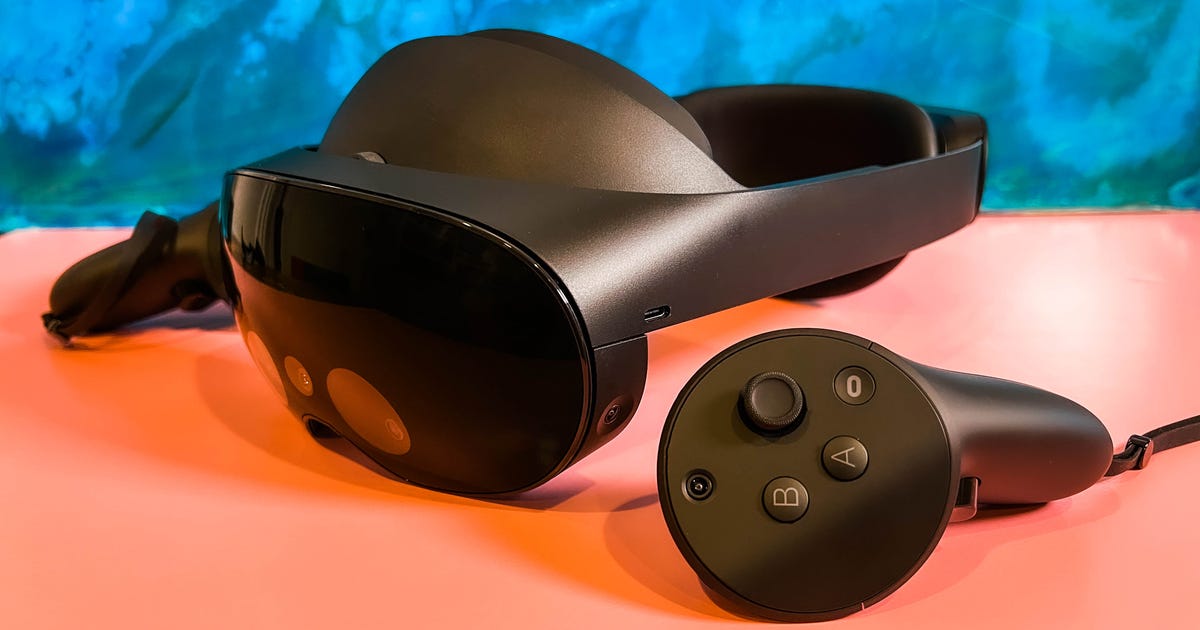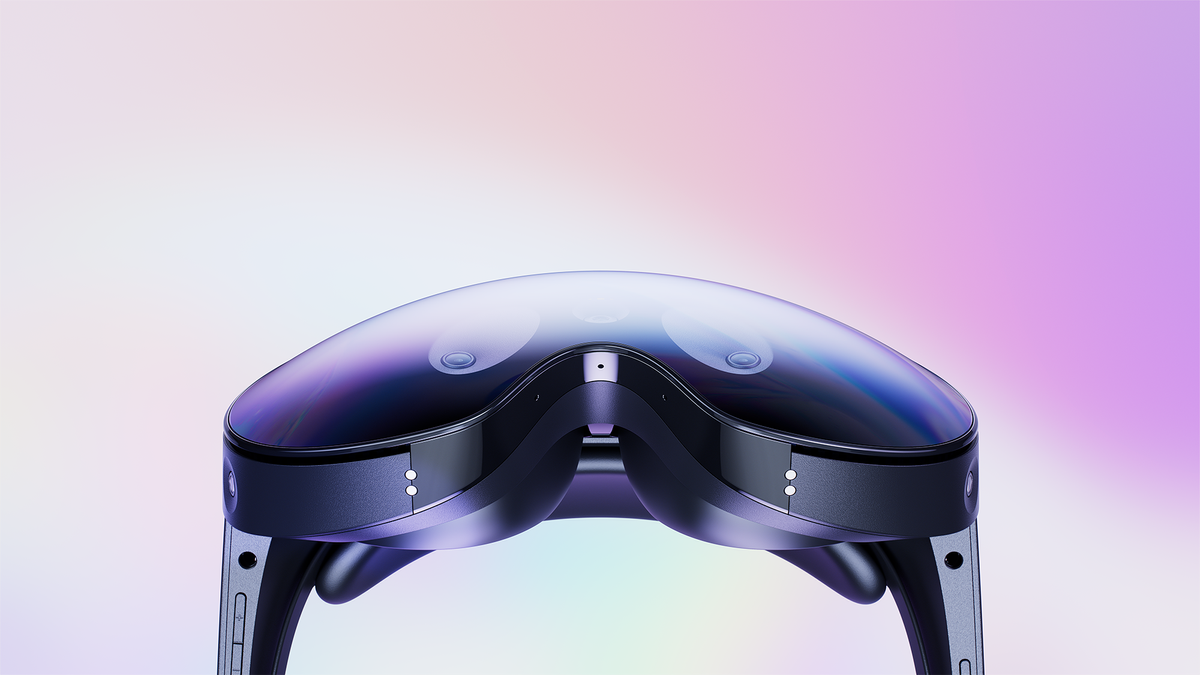
Meta has released an update to its face tracking OpenXR extension for Quest Pro, now including tongue tracking. Third-party avatar solutions can incorporate this feature after updating their SDK version. ALVR developer korejan has already updated their VRFCT module to support tongue tracking in VRChat. However, standalone apps on the Quest Store have shown limited adoption of Quest Pro's face tracking. Despite poor sales, Meta continues to provide software support for Quest Pro, including recent performance boosts and the addition of tongue tracking.
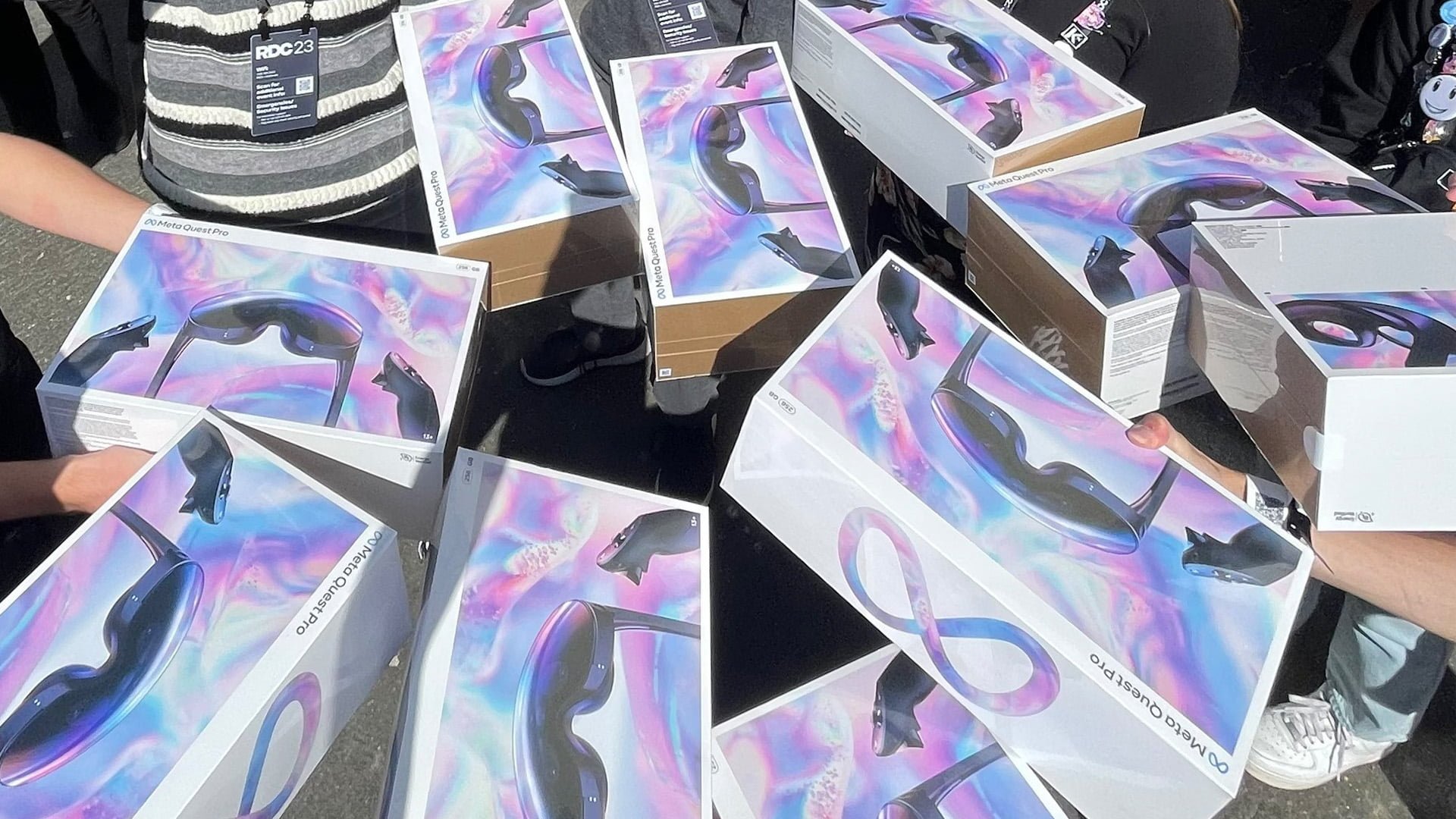
Meta is giving away Quest Pro headsets to attendees of the Roblox developer conference RDC 2023 in an effort to boost sales. The Quest Pro, Meta's first premium headset, received mixed reviews and struggled to sell due to its high price tag. With the upcoming release of the more affordable and technically superior Meta Quest 3, Meta is clearing out warehouses and giving away headsets. Roblox, which has around 65 million daily users, will soon launch on the Meta Quest Store, potentially driving growth for the VR headset.
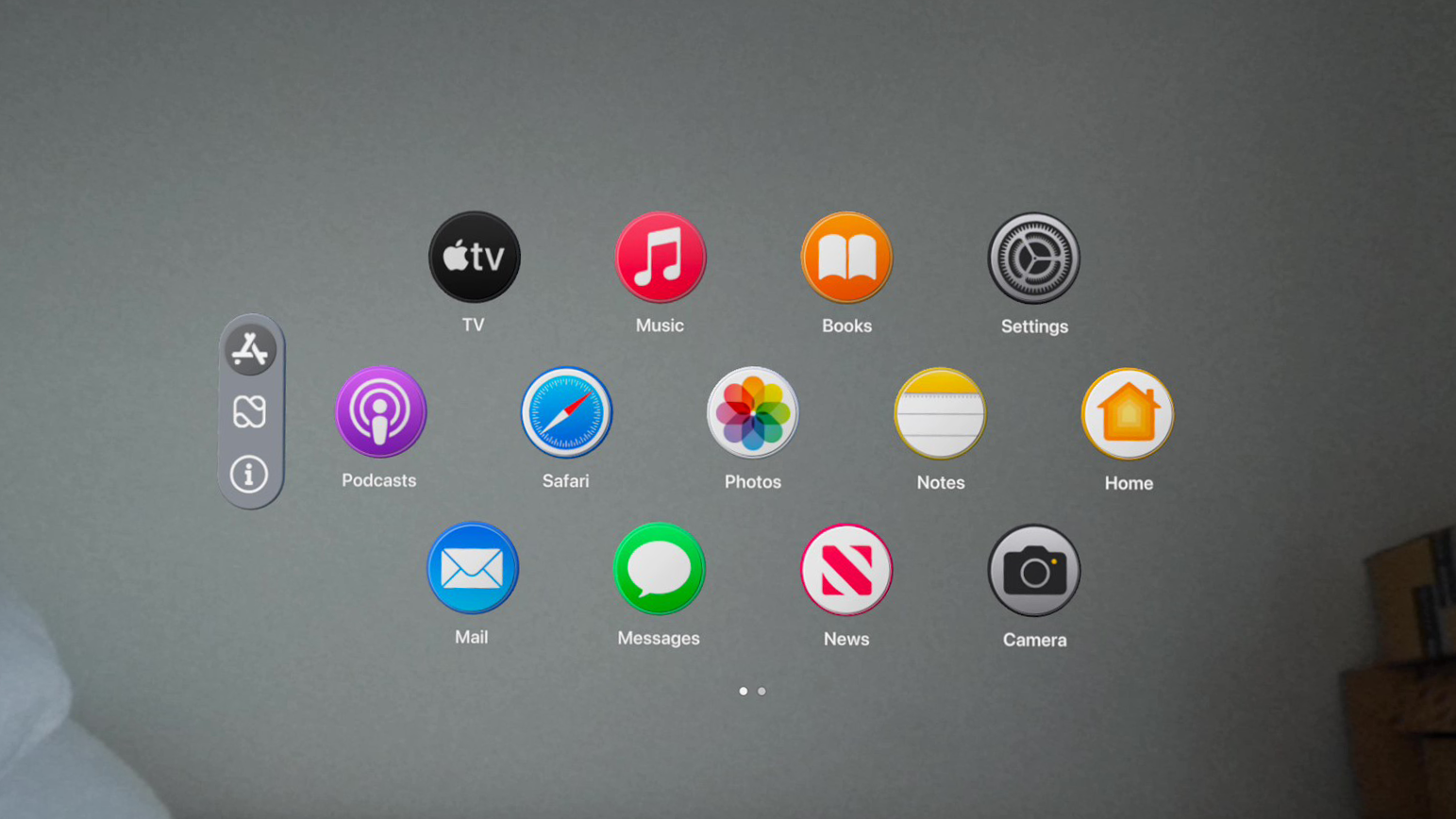
Supernova Technologies has created a sideloadable recreation using its Nova UI framework for Unity, allowing users to try Apple Vision Pro's eye tracking based interface on their Quest Pro. The demo replicates Apple's gaze and pinch based interaction system, utilizing Quest Pro's eye tracking for app selection and controller-free hand tracking for "clicking". While the eye tracking works well with calibration, the limited hand tracking on Quest Pro prevents a complete recreation of the Apple Vision Pro experience. The demo can be downloaded from GitHub but is not compatible with Quest 2 or Quest 3 due to the lack of eye tracking.
Meta has launched Meta Quest+, a new VR games subscription service for Quest 2 and Quest Pro users, offering access to two handpicked VR titles each month from a selection of popular and classic games. The subscription costs £7.99/$7.99 USD per month or £59.99/$59.99 annually, with a discounted first month available for £1/$1. The initial titles include Pistol Whip and Pixel Ripped 1995, with Walkabout Mini Golf and Mothergunship: Forge coming in August. Subscribers can play the games for as long as their subscription is active and can cancel or resume their subscription at any time.
Microsoft has released a public preview of Azure Remote Rendering support for Meta Quest 2 and Quest Pro, allowing developers to render complex 3D content in the cloud and stream it to those VR headsets in real-time. The Azure Remote Rendering uses a hybrid rendering approach to combine remotely rendered content with locally rendered content. Developers can integrate Microsoft’s Azure cloud rendering capabilities to view large and complex models on Quest.
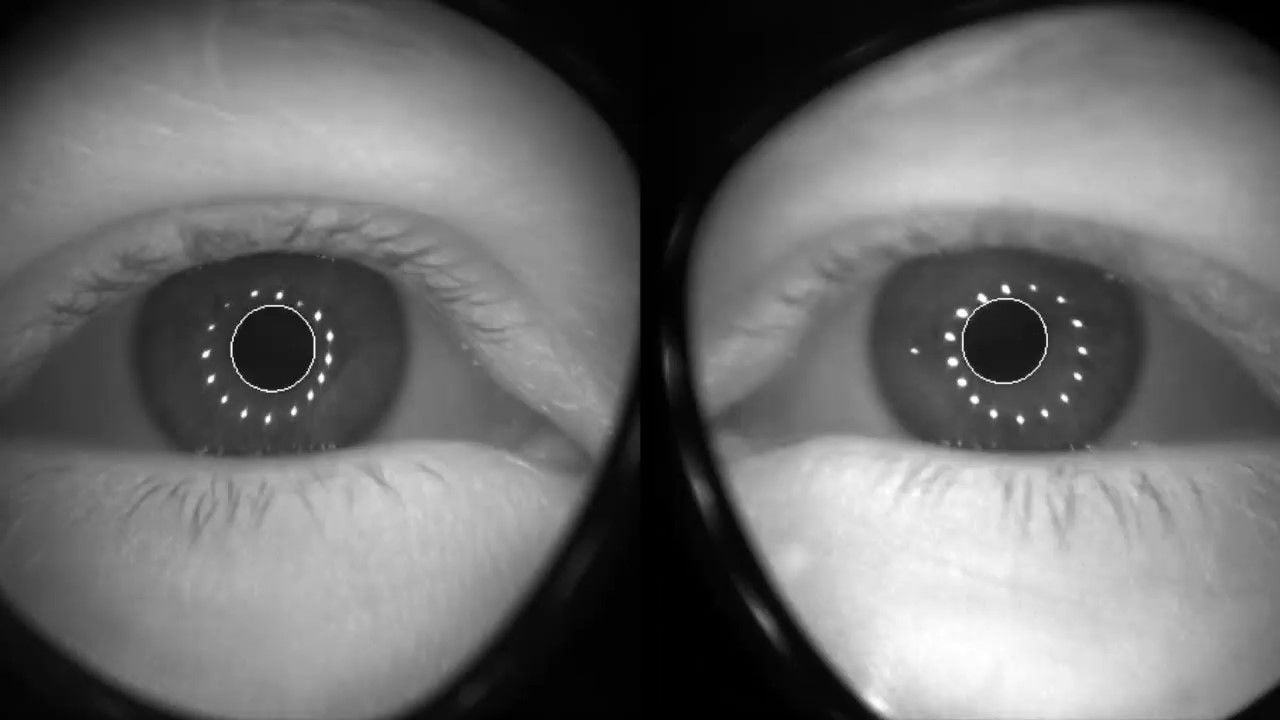
Meta claims to have improved the accuracy of eye tracking on its Quest Pro VR headset through a software update. Eye tracking is not enabled by default on Quest Pro due to privacy concerns, but can be used to guide users to set the correct lens separation and position the headset properly. Apps can also use eye tracking via Meta's SDK for controlling virtual avatars and foveated rendering. The update comes just two weeks after Apple's Vision Pro release, raising questions about Meta's future plans for eye tracking interaction.
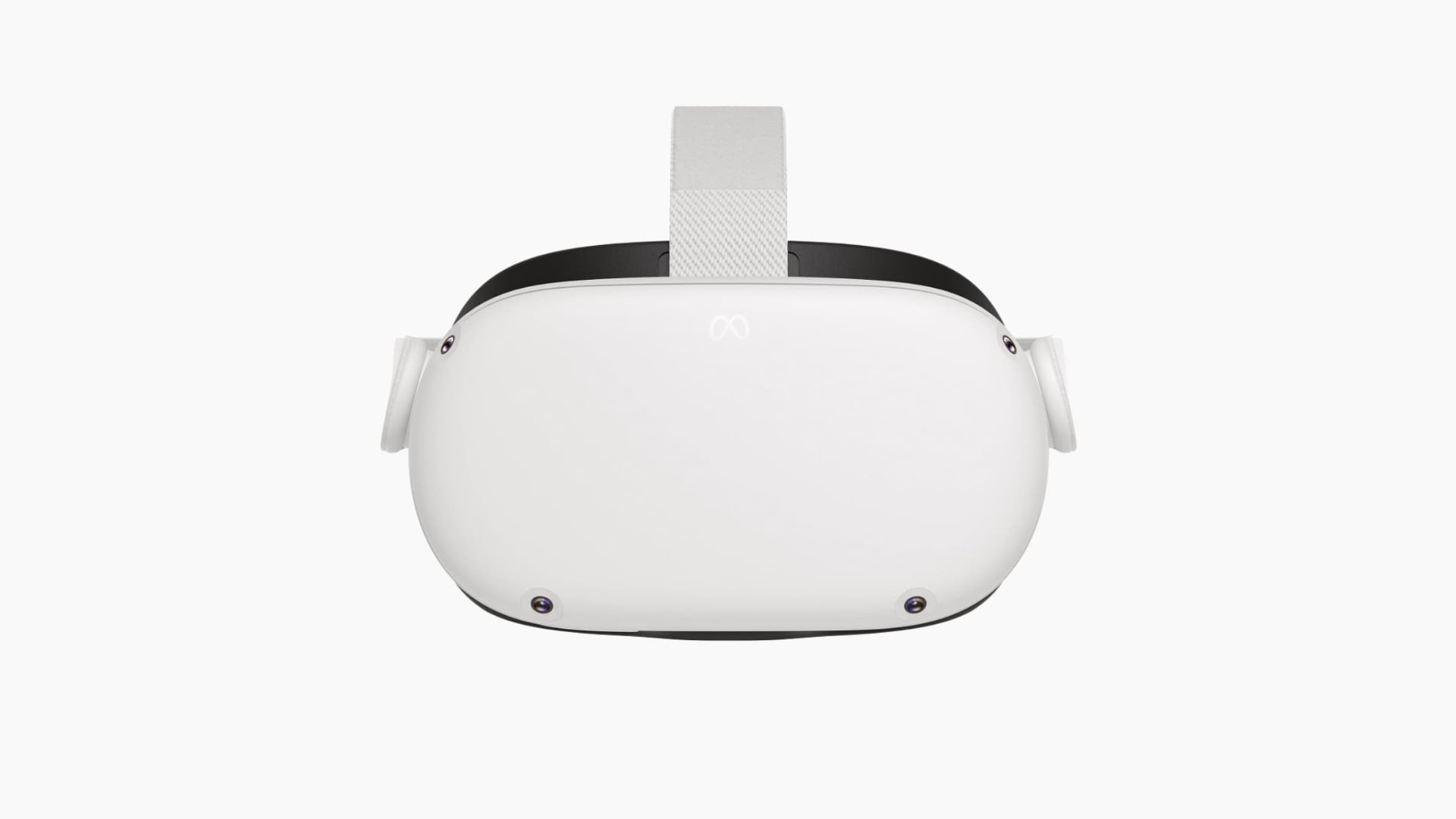
Meta announces a price reduction for the Quest 2, making it an affordable entry model into virtual reality. The mobile VR headset will also receive a major performance boost, with CPU and GPU speeds increasing by up to 26% and 19%, respectively. The Quest Pro will also benefit from the update, with CPU performance increasing by 26% and GPU speed by 11%. Dynamic Resolution Scaling will also be enabled on both headsets, allowing for higher pixel density without losing frames.
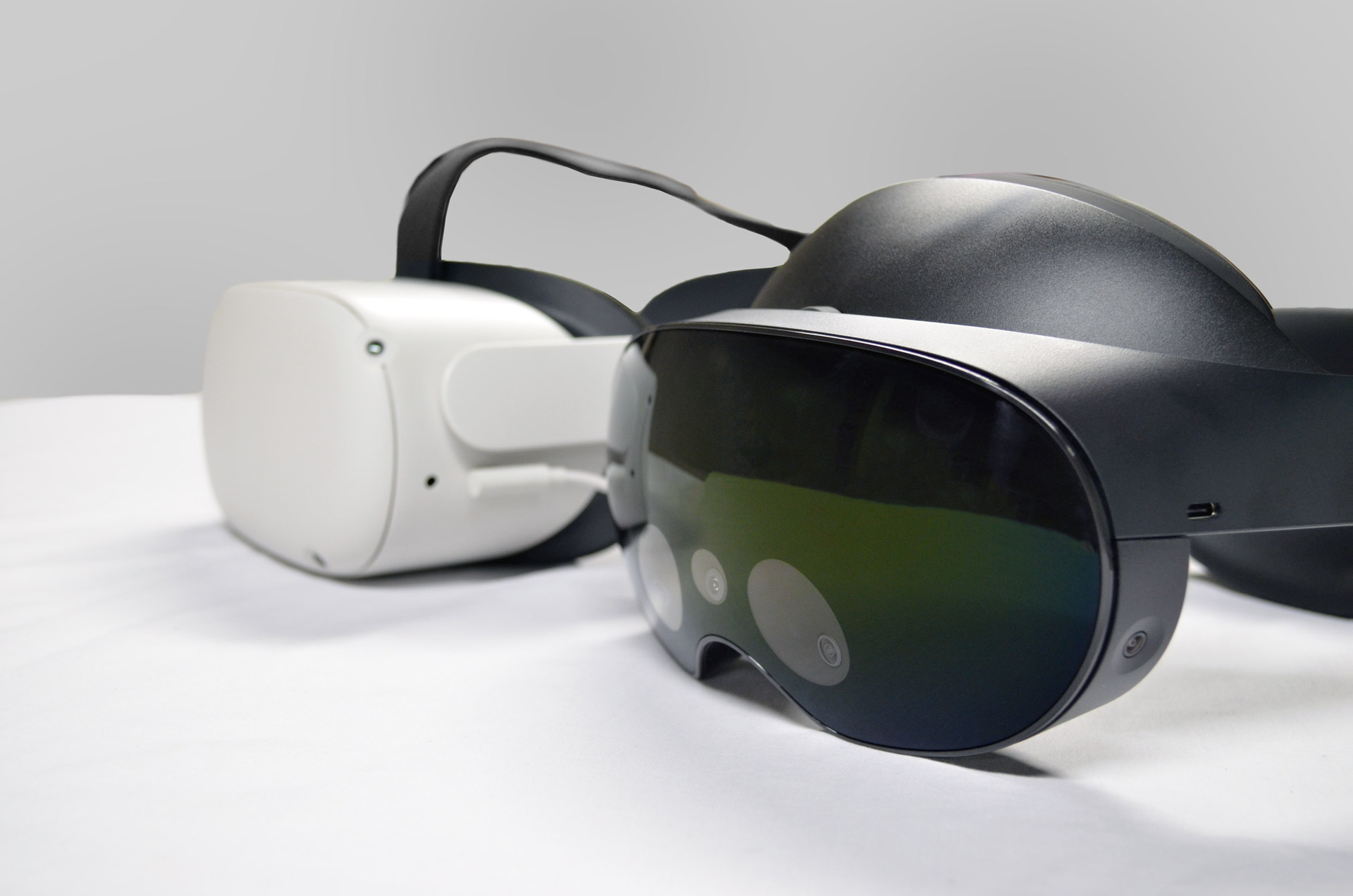
The Meta Quest Pro, a $1,500 VR headset built for work in the metaverse, feels mistargeted as a pro device and is already on sale for $500 less than its launch price. While the Quest 2 is best for gaming, the PlayStation VR 2 is a contender for its promising graphics and features, and Apple is expected to announce its own mixed reality headset in a few months. The Quest Pro has an impressively high-res display and audio, but is bulky and Meta never advanced the software enough. Expect Meta's next headset, the Quest 3, to adopt many of the Quest Pro's best qualities.